Flowers
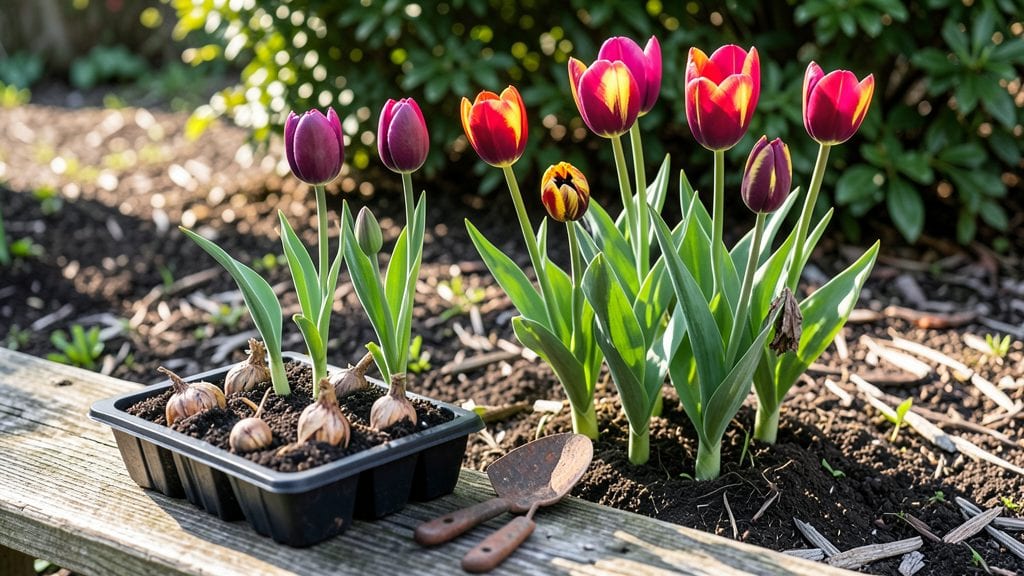
Planting flowers in Philadelphia at the right time means the difference between a burst of summer color and a sad, frost-nipped disappointment 🌸. The city’s USDA Zone 7a and unpredictable spring weather demand precision—get it wrong, and your blooms may never make it past the first frost.
Philadelphia’s last frost typically hits around April 15, but that date can swing by weeks depending on the year. Too early, and a late freeze will wipe out tender seedlings; too late, and you miss the ideal late-March to early-May window for spring planting.
The good news? Fall planting (August–September) gives you a second chance for hardy varieties.
Whether you’re dreaming of vibrant petunias or fragrant peonies, timing is everything. Below, I’ll break down the exact frost-free dates, the best flower types for your zone, and how to stretch your planting season—so you can enjoy blooms from spring through fall without the guesswork.
Skip the trial-and-error: learn the proven schedule for Philadelphia gardens, from bulbs to annuals, and keep your garden thriving no matter what Mother Nature throws your way.
Philadelphia’s frost-free dates & hardiness zones for flower planting
Philadelphia’s USDA Hardiness Zones 6b and 7a create a unique growing window for flowers, where timing is everything. The average last frost date falls between April 15 and May 1, but this can shift by weeks depending on the year.
Knowing these dates helps you avoid planting too early and risking frost damage—or too late and missing peak bloom times.
For annual flowers, the safest planting window begins 2-4 weeks after the last frost, typically mid-to-late May. Perennial flowers, like daylilies or coneflowers, can often handle cooler temperatures and may be planted as early as late March or April if the soil is workable.
Understanding your zone also helps select cold-hardy varieties that thrive in Philadelphia’s climate.
Here’s a quick reference for Philadelphia’s frost-free planting timeline, including key dates and zone-specific recommendations:
| Planting Window | Zone 6b/7a Action | Best Flowers to Plant | Notes |
|---|---|---|---|
| Late March - Early April | Start indoor seedlings or plant hardy perennials | Tulip bulbs, dahlias, peony | Soil should be 40°F+; cover with mulch for frost protection |
| Mid-April | Plant cool-season annuals | Pansies, snapdragons, calendula | Use row covers if frost threatens |
| April 15 - May 1 (Last Frost) | Wait 2-4 weeks after last frost | Marigolds, petunias, zinnia | Monitor weather forecasts for late frosts |
| May 15 - June 1 | Plant heat-loving annuals | Sunflowers, cosmos, lantana | Ensure full sun (6+ hours/day) |
| August - September | Plant fall-blooming perennials | Asters, chrysanthemums, sedum | Avoid planting too late (cutoff: 6 weeks before first frost) |
Philadelphia’s first frost typically arrives around October 20, but fall planting can extend your bloom season.
For annuals like marigolds, sow seeds in late summer (August) to enjoy flowers until frost. Perennials, such as black-eyed Susans or Russian sage, benefit from early fall planting (September) to establish roots before winter.
If you’re unsure about your exact last frost date, use the National Weather Service or local gardening groups like the Philadelphia Horticultural Society. They track microclimates in the city—areas near rivers or buildings may warm up faster than suburban zones.
For example, Center City often enjoys 2-3 warmer days than West Philadelphia.
For container gardening, you can push boundaries slightly. Potted flowers like geraniums or begonias can be placed outside 1-2 weeks earlier in spring or 1 week later in fall, as containers warm up faster.
Just ensure they’re in a protected spot (e.g., near a south-facing wall) to shield from cold winds.
One common mistake is planting tender annuals like petunias too early. These need consistent warmth and will wilt or die if exposed to even light frost. Always check the seed packet or plant tag for cold tolerance guidelines. For example, cosmos can handle light frost, while impatiens cannot.
Pro tip: Use frost cloth or mini greenhouses to create a microclimate for early plantings. This can safely extend your planting window by 2-3 weeks in spring or fall. Just remember to remove covers during the day to prevent overheating.
By aligning your planting with Philadelphia’s frost-free dates and USDA Zone 6b/7a guidelines, you’ll maximize blooms and minimize losses. Start with cool-season flowers in early spring, transition to heat-lovers in summer, and wrap up with fall perennials for a year-round garden that thrives.
Best flower planting schedule by type (annuals vs. perennials)
Timing is everything when planting flowers in Philadelphia’s USDA Zone 6b-7a. Annuals and perennials each have their own ideal windows—plant too early, and frost will kill them; too late, and you’ll miss peak blooms.
The key is knowing your last frost date (typically April 15) and adjusting for your specific flower’s hardiness. For example, tulips and daffodils need a fall planting, while marigolds and petunias thrive when planted after the last frost.
Let’s break it down by type so you can plan your garden like a pro.
Annuals are the showstoppers of summer gardens, but they’re also the most frost-sensitive. Most warm-season annuals like zinnias, cosmos, and geraniums should wait until mid-May to avoid frost damage.
Meanwhile, cool-season annuals such as pansies and snapdragons can handle a light frost and should be planted in early spring or late summer for fall color.
Perennials, on the other hand, are tougher and often planted in early spring or fall, giving them time to establish roots before extreme weather hits.
numbered-highlights
- Fall Planting (Aug–Sept): Tulips, daffodils, crocus, hyacinths (bulbs need 6–8 weeks to root before frost).
- Early Spring (March–April): Perennials like coneflowers, black-eyed Susans, and lavender (plant after soil thaws).
- Late Spring (May–June): Annuals such as petunias, marigolds, and sunflowers (wait until after last frost).
- Summer (June–July): Heat-loving annuals like zinnias and cosmos (direct sow after soil warms).
- Late Summer (Aug–Sept): Cool-season annuals (e.g., pansies) for fall blooms before first frost.
One of my biggest mistakes was planting petunias too early in April. The late frost nipped them back, and while they recovered, their blooming season was delayed by weeks. Now, I always wait until mid-May—after the average last frost date—to ensure those vibrant blooms appear on schedule.
For perennials, I’ve learned that fall planting (especially for hardy varieties like peony or daylily) gives roots a head start before winter dormancy. This means bigger, healthier plants by next spring.
If you’re growing bulbs, timing is critical. Plant spring-blooming bulbs like tulips in October or November—this gives them time to establish roots before the ground freezes. For summer-blooming bulbs (e.g., dahlias), wait until after the last frost in May.
Pro tip: Use a soil thermometer to check when soil temps hit 50°F—this is the sweet spot for most bulbs and seeds.
Don’t overlook microclimates in your garden. A south-facing wall or protected corner can extend your planting window by 1–2 weeks. I once planted calendulas in a sheltered spot in early April and avoided frost damage entirely.
For container gardening, move pots closer to the house at night to protect them from unexpected cold snaps. This small adjustment can mean the difference between a thriving garden and a sad, wilted mess.
Finally, keep a planting journal to track what works in your garden. Note the exact dates you plant, any frost surprises, and which flowers perform best. Over time, you’ll fine-tune your schedule to match Philadelphia’s quirky weather patterns—because let’s face it, no two springs here are alike!
With the right timing, your garden will burst into color like clockwork, year after year. 🌸