
Watering
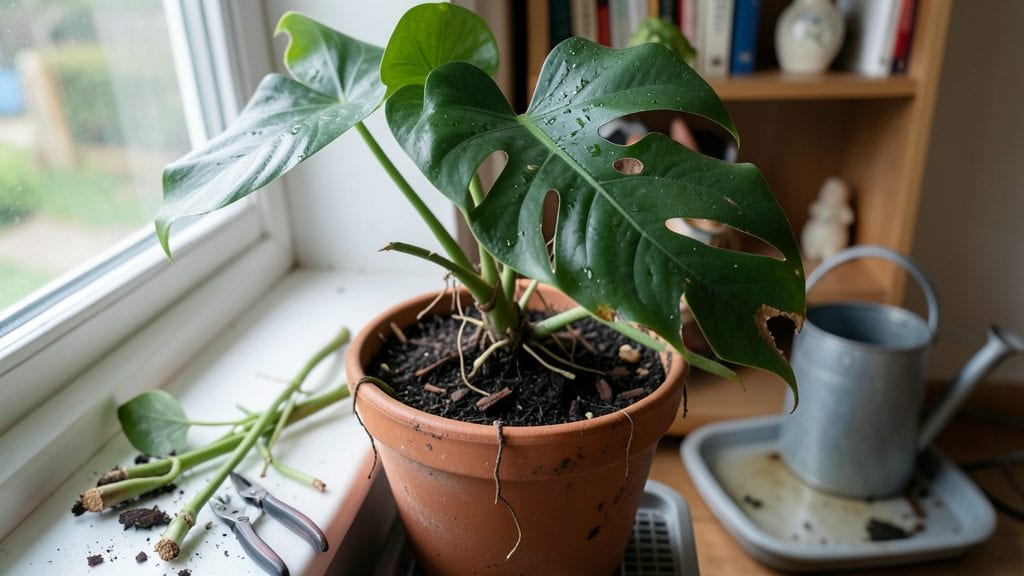
Watering potted plants isn't about following a schedule—it's about keeping that soil just right, like a perfect sponge that holds moisture without drowning roots. I learned the hard way when my snake plant turned into a sad, mushy mess after "just a little extra water."
The secret lies in understanding your plant's thirst, not guessing by days or hours.
Start with the right tools: a moisture meter costs less than $10 and saves you from overwatering disasters. Check soil moisture before watering—stick your finger in 1-2 inches deep.
If it's dry, water thoroughly until it drains from the bottom. Most potted plants prefer consistently moist soil, not soggy or bone-dry conditions, and drainage holes are non-negotiable.
Your plants will tell you what they need—yellow leaves mean overwatering, while crispy edges scream thirst. Adjust for seasons: houseplants need less in winter when light fades, while outdoor pots may dry out faster in summer heat.
A simple routine keeps roots happy and leaves vibrant, turning your thumb-green into a thriving green.
This works for everything from ferns to succulents—just match the water to the plant. Once you master the rhythm, your potted garden becomes a low-maintenance oasis. Let's get those roots breathing easy and your greens growing strong.
📚 In This Guide
- What you need
- Instructions
- Tips and common mistakes
- Wrapping up and next steps
What you need
- ● Potted plants: Any size or type (ensure pots have drainage holes!)
- ● Watering can: 1-2 gallons (or a spray nozzle attachment for delicate plants)
- ● Distilled or tap water: Room-temperature (avoid cold water to prevent shock)
- ○ Moisture meter (optional but helpful): Digital or analog for accuracy
- ● Saucer or tray: To catch excess water (if pots lack built-in drainage)
- ● Self-watering system: For frequent travelers or forgetful waterers
- ● pH testing kit: To monitor water quality (especially for sensitive plants)
- ● Glove or towel: To protect hands from soil or sharp pot edges
- ● Timer or app: For scheduling watering reminders (e.g., PlantNet or Planta)
- ● Mulch or pebbles: To retain moisture and regulate soil temperature
Step-by-Step instructions for watering potted plants
Mastering the right moisture balance keeps your greens lush without drowning roots.
Check Soil Moisture Before Watering
Stick your finger about 1 inch deep into the soil—this is the critical zone where roots actively absorb water. If it feels dry, it's time to water. If it's still cool and damp, wait another day. I test the same spot every time to track moisture patterns consistently. Overwatering is the silent killer of potted plants, so resist the urge to water on a schedule.
For visual learners, look at the soil surface: if it's cracked or pulling away from the pot edges, the roots need moisture. Dark, clumped soil means it's still holding water. The goal is to keep the soil evenly moist but not soggy—like a wrung-out sponge. This method prevents root rot while ensuring plants get what they need.
Water Deeply Until It Drains
When you water, pour slowly until you see water streaming from the drainage holes at the bottom. This ensures the entire root zone gets hydrated, not just the top layer. I use a watering can with a narrow spout to direct the flow precisely where it's needed. Stop watering once you've added about 10-15% more water than the pot can hold—this accounts for evaporation and uneven absorption.
Don't let the pot sit in standing water after draining. Empty saucers immediately to prevent roots from suffocating. If your plant doesn't have drainage holes, water lightly and frequently instead, but be prepared for slower growth. The key is consistency: shallow, frequent watering won't encourage deep root development like a thorough soaking.
Adjust Frequency Based on Plant Type and Environment
Succulents and cacti need water every 2-3 weeks, while leafy greens like basil or parsley may require watering every 3-5 days in warm weather. Observe your plants' needs—they'll tell you through their leaves. Drooping in the morning suggests thirst, while yellowing leaves often mean overwatering. I keep a small notebook by my plants to track when and how much I water, adjusting as seasons change.
Environment plays a huge role: pots in full sun dry out faster than those in shade, and indoor plants with central heating may need more frequent watering. Move your pots to different spots temporarily to see how their moisture needs shift. The right balance keeps soil consistently moist at the root level without creating a swampy mess.
Use the Right Tools for Precision
Skip the spray bottle for most potted plants—it only wets the surface. Instead, use a watering can with a rose attachment to distribute water evenly. For larger pots, a hose with a gentle spray nozzle works well, but always water at the base to avoid wetting leaves, which can lead to fungal issues. I've found that watering in the morning gives plants time to dry out during the day, reducing the risk of disease.
Consider investing in a moisture meter for tricky plants. These $10 tools take the guesswork out of watering by giving you an exact reading. For most plants, though, your finger is the best tool—it's free, reliable, and gives you a tactile sense of what the roots are experiencing. The goal is to mimic natural rainfall: a deep drink that penetrates the soil, not a light mist that barely scratches the surface.
Tips & tricks for perfectly watered potted plants
Keeping your potted plants thriving comes down to understanding their hidden needs—here's how to master the moisture balance without guesswork.
Consistency is Key: In Step 1, when checking soil moisture, always test the same 1-inch spot to establish a baseline. I've found that keeping a small notebook by my plants to record when and how much I water reveals patterns over time. For example, my basil always needs water by Wednesday mornings in summer, while my ferns can wait until Saturday. This simple tracking prevents both underwatering and overwatering, which are the two most common mistakes I see.
Drainage Matters More Than You Think: During Step 2, when watering until it drains, never let pots sit in saucers of standing water. I've ruined plants this way more times than I'd like to admit. After watering, immediately tip out any excess water from saucers—roots suffocate when submerged for too long. For plants without drainage holes, water lightly every 2-3 days instead of giving them a deep soak, but expect slower growth as a trade-off.
Tools Make All the Difference: The right watering technique in Step 4 transforms your approach. A watering can with a rose attachment gives you precision—water flows gently and evenly, reaching all parts of the soil without splashing leaves. I've tested different tools and found that even a simple plastic can with holes punched in the spout works better than a spray bottle. For larger pots, a gentle hose spray works well, but always direct it at the base, not the foliage, to prevent fungal diseases.
Seasonal Adjustments Save Plants: The watering schedule in Step 3 needs seasonal tweaking. In winter, my leafy greens only need water every 7-10 days, while summer demands watering every 3-5 days. I move pots to different light conditions temporarily to see how their needs change—pots in full sun often need water a day earlier than those in shade. This adaptability keeps soil consistently moist without creating waterlogged conditions.
Pro Tips for Watering Potted Plants
- Keeping your potted plants thriving comes down to understanding their hidden needs—here's how to master the moisture balance without guesswork.
- Consistency is Key: In Step 1, when checking soil moisture, always test the same 1-inch spot to establish a baseline.
- Drainage Matters More Than You Think: During Step 2, when watering until it drains, never let pots sit in saucers of standing water.
Frequently asked questions
Got questions about keeping your potted plants hydrated without overdoing it? You’re not alone! Here are answers to the most common concerns—plus pro tips to keep your greens happy and healthy.
How often should I water my potted plants?
It depends on the plant, pot size, and climate! As a general rule, check the top 1-2 inches of soil—if it’s dry, it’s time to water. Most potted plants need water every 5-7 days in warm weather, but succulents may only need water every 2-4 weeks. Stick your finger in the soil for the most accurate gauge.
What’s the best way to tell if my potted plant is overwatered or underwatered?
Overwatered plants often have yellowing leaves, mushy stems, or a foul smell from the soil. Underwatered plants may have crispy, brown edges or droopy foliage that doesn’t bounce back after watering. For a quick test, lift the pot—if it’s extremely light, it’s likely dry; if it’s unusually heavy, you may be overwatering.
Can I use tap water for my potted plants?
Most plants tolerate tap water, but if yours has hard water stains or white crust on the soil surface, it’s high in minerals. For sensitive plants (like orchids or calatheas), use filtered, distilled, or rainwater to avoid buildup. Let tap water sit out for 24 hours before using to reduce chlorine levels.
What’s the deal with self-watering pots—are they worth it?
Self-watering pots are a game-changer for busy plant parents! They’re great for herbs, veggies, and tropical plants that need consistent moisture. Just fill the reservoir every 1-2 weeks, and the plant draws water as needed. However, they’re not ideal for succulents or cacti, which prefer dry conditions. Start with a medium-sized pot to test how your plants respond.
My potted plant’s leaves are turning brown—what did I do wrong?
Brown leaves usually mean underwatering, but they can also signal overwatering, root rot, or even too much sun. Start by checking the soil moisture—if it’s dry, water deeply. If the soil stays soggy, let it dry out and repot in well-draining soil. For sunburnt leaves (common in direct light), move your plant to bright, indirect light.
Pro Tip: Group your potted plants together!
Plants release moisture through transpiration, and clustering them creates a microclimate that retains humidity. This is especially helpful for tropical plants or during dry spells. Just avoid overcrowding—leave 1-2 inches of space between pots for airflow.
Wrapping up and next steps
Mastering the art of watering potted plants is all about understanding your plants’ needs and adapting your routine. Whether you’re using the finger test, moisture meters, or observing leaf signals, consistency and attention to detail will keep your greens thriving. 🌱
Now that you’re armed with these soil-moisture secrets, take the next step: experiment with different techniques to find what works best for your plants. Start small—try one method at a time—and watch your garden flourish! Happy watering!