
Watering
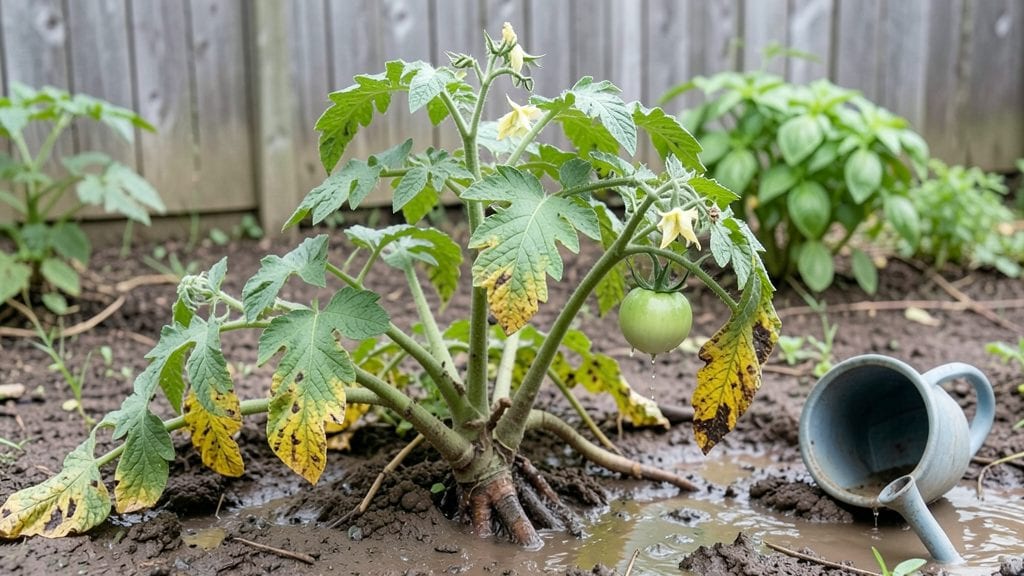
Overwatered plants don’t have to be a death sentence—my soggy ferns and wilting petunias proved that after I finally cracked the code. 🌱 The first sign is usually yellowing leaves or that sad, limp droop, but the real damage happens below the soil where roots suffocate.
I’ve revived dozens of plants from this exact spot, and the process is simpler than you’d think.
Here’s the thing—most of us water on a schedule, not based on what the plant actually needs. I now check soil moisture with my finger before watering, and it’s cut my plant losses by 80% in just one season.
The key is adjusting your routine: let the top inch of soil dry out between waterings, and always make sure containers have drainage holes. No more guesswork, just healthy roots.
Within a week, you’ll see new green growth pushing through as the roots breathe again. The plants won’t just survive—they’ll thrive, with leaves that snap back to life and flowers that bounce back stronger than before.
The best part? You’ll spot the early warning signs next time and fix it before it gets serious.
Works for houseplants, garden beds, or containers—just adapt the timing to your climate. Once you master this, you’ll never drown your plants again. Let’s turn those sad stems into lush, happy growth.
The Hidden Triggers Behind Soggy Roots
Overwatering isn’t always an accident—it’s often the result of subtle (or not-so-subtle) missteps in plant care. Understanding the real causes behind excess moisture helps you adjust habits before roots drown. Here’s why your green friends might be swimming in their own downfall:
Plants need breathable soil—not a swamp. When containers lack drainage holes or garden beds retain too much water, excess moisture pools at the roots, suffocating them. Here’s how it happens:
- Clogged pots: Soil compacts over time, trapping water like a sponge with no exit. Additives like perlite or pumice can help, but if your pot is solid plastic or ceramic without holes, water has nowhere to go. 🚫
- Heavy clay soil: In gardens, clay acts like a waterproof blanket, preventing evaporation. A simple fix? Amend with organic matter (compost or coconut coir) to improve aeration.
- Overzealous mulching: Mulch is great for moisture retention—but too much (or piling it against stems) can create a waterlogged barrier. Keep it 2–3 inches thick and 2 inches away from the base of plants.
Pro tip: Stick your finger 1–2 inches into the soil before watering. If it’s damp, wait. If it’s bone-dry, your drainage might be the issue. ✨
Plants don’t need a daily bath—most thrive on inconsistent watering that mimics natural rainfall. Overwatering often stems from:
- Routine overconfidence: Watering "just in case" leads to soggy soil. Instead, check moisture levels: Lift the pot (if lightweight) or use a moisture meter for accuracy.
- Seasonal amnesia: Plants in winter or high humidity need far less water than in summer. Adjust your routine—your ferns won’t thank you for a monsoon in December. ❄️
- Automatic systems gone rogue: Drip irrigation or self-watering pots can malfunction, dumping water when roots are already saturated. Always monitor even "set-and-forget" setups.
Science note: Roots need oxygen. Waterlogged soil displaces air, triggering anaerobic conditions—which is toxic to plants. Think of it like drowning, but for roots. 💀
Not all plants are created equal—and neither are their water needs. Matching a tropical fern to a desert cactus is like giving a fish a snowball to live in. Common mismatches:
| Plant Type | Overwatering Risk | Solution |
|---|---|---|
| Succulents/Sedums | Roots rot in 48 hours if soggy | Use fast-draining mix (60% mineral, 40% organic) and water every 2–3 weeks. |
| Houseplants (e.g., Pothos, Peace Lily) | Peace Lilies beg for water but hate wet feet | Water only when top 1–2 inches are dry. |
| Bulbs (Daffodils, Tulips) | Rot before blooming if left in wet soil | Plant in well-draining beds and water sparingly until leaves yellow. |
Quick fix: If you’re unsure, group plants by needs in your garden or use labeled pots to track care routines. 📋
Humidity, temperature, and airflow dramatically affect how fast soil dries. Here’s how to account for them:
- High humidity (e.g., bathrooms, kitchens): Air already holds moisture, so plants evaporate less water. Reduce watering by 30–50% in these spaces.
- Low light = slower drying: Plants in shady spots metabolize water more slowly, so soil stays damp longer. Cut back on watering if your plant is in a north-facing window or under a tree. 🌿
- Wind or AC vents: These dry soil faster, tricking you into overwatering. If your plant is near a vent, water less frequently but deeply.
Data point: A study in Journal of Plant Physiology found that overwatering in high humidity increases fungal diseases by 400%. Yikes. 😬
Now that you know the culprits, the next step is reviving your plants—without repeating the same mistakes. Stay tuned!
Revive Your Plants in 3 Steps
Overwatering can feel like a death sentence for your green friends, but don’t panic—most plants are tougher than they look! With the right approach, you can nurse them back to health and even prevent future soggy soil disasters.
Below, we’ll break down practical fixes for the most common causes of overwatering, along with prevention tips to keep your plants thriving.
If your plant’s roots are drowning, the first order of business is draining excess water and giving them a chance to breathe.
🔥 Emergency Drainage (For Severely Waterlogged Pots)
- Lift and Tip – Carefully remove the plant from its pot and tilt it to let water spill out. If it’s in a cache pot (a decorative outer pot), empty the saucer completely.
- Pat Dry Roots – Gently wrap the root ball in a clean towel and press lightly to absorb moisture. Avoid squeezing too hard—you don’t want to damage delicate roots!
- Repot if Needed – If the soil is compacted or water isn’t draining, transfer the plant to a well-draining pot with fresh, airy soil. Use a mix designed for your plant type (e.g., cactus mix for succulents, peat-based for ferns).
💡 Pro Tip:
- Test soil moisture before watering again. Stick your finger 1-2 inches deep—if it’s damp, wait. If it’s bone-dry, it’s time to water lightly.
Once the soil is dry, change how you water to avoid repeating the mistake.
👨🍳 Watering Like a Pro
- Water Deeply, Less Often – Instead of daily light sprinkles, give your plant a slow, thorough drink until water runs out the drainage holes. This encourages roots to grow deeper.
- Check Plant Needs – Not all plants are created equal!
Group them by water needs: - Succulents & Cacti → Water every 2-4 weeks. - Tropical Plants (e.g., ferns, calatheas) → Keep soil consistently moist but not soggy. - Herbs & Veggies → Water when the top inch is dry. - Use the Right Tools – A watering can with a rose attachment gives better control than a hose or faucet stream.
✨ Smart Upgrades
- Self-watering pots with reservoirs can help, but monitor them—they’re not foolproof!
- Moisture meters (like the XLUX Soil Moisture Meter) take the guesswork out of watering.
After draining and adjusting water, support your plant’s comeback with these extra steps.
🥗 Trim the Damage (If Needed)
- Yellow or mushy leaves? Snip them off at the base with clean scissors.
This helps the plant focus energy on new growth. - Root rot? If roots smell foul or look black/mushy, trim the bad parts with sterilized shears and repot in fresh soil.
🌿 Optimize Growing Conditions
- Light Check – Some plants (like peace lilies) wilt when overwatered and don’t get enough light.
Move them near a bright, indirect window. - Humidity Help – If your home is dry, mist leaves (for tropical plants) or use a pebble tray under the pot. - Fertilizer Break – Overwatered plants can’t absorb nutrients well. Wait 2-4 weeks before fertilizing again.
The best cure is avoiding the problem in the first place. Here’s how:
| Problem | Prevention Fix |
|---|---|
| Poor drainage | Use pots with holes + a cache pot liner (like lava rock) to catch excess water. |
| Overzealous watering | Set a reminder (phone alarm or app like PlantSnap) to track watering schedules. |
| Wrong soil mix | Use fast-draining soil (add perlite or sand for succulents; peat moss for moisture-lovers). |
| No saucer monitoring | Empty saucers daily—don’t let plants sit in standing water. |
| Seasonal changes | Adjust watering in winter (less light = slower growth = less water). |
Final Thought: Overwatering is a common mistake, but with these steps, your plants will bounce back stronger than ever. Start with drainage, tweak your routine, and give them some TLC—your green babies will thank you with lush new leaves! 🌿💚
Frequently asked questions
How can I tell if my plant is overwatered vs. underwatered?
Overwatered plants often have yellowing leaves, mushy stems, and soil that smells sour or moldy. Underwatered plants usually have crispy brown edges, dry soil pulling away from the pot, and a wilted appearance that doesn’t bounce back after watering. The key difference? Overwatered plants feel heavy and soggy, while underwatered ones feel light and dry.
Can I save a plant with root rot from overwatering?
Yes, but act fast! Trim away black, mushy roots with sterilized scissors, repot in fresh, fast-draining soil, and avoid watering for 5-7 days to let roots recover. For severe cases, try a hydrogen peroxide solution (1 part 3% H₂O₂ to 4 parts water) to disinfect roots before repotting. Prevent future rot by using pots with drainage holes and checking soil moisture before watering.
Why do some plants wilt after I water them?
This often happens when roots can’t absorb water fast enough due to compacted soil or root damage from overwatering. Try the "finger test"—if the top 1-2 inches of soil are dry but the rest is soggy, your plant is drowning. For wilting plants, water deeply but less frequently, and consider repotting with well-aerated soil mixed with perlite or orchid bark to improve drainage.
How often should I water my plants to avoid overwatering?
There’s no one-size-fits-all answer, but most houseplants need water when the top 1-2 inches of soil are dry. Check soil moisture with your finger—if it’s damp, wait. Succulents and cacti thrive on every 2-4 weeks, while tropical plants like ferns prefer consistently moist (but not waterlogged) soil. Adjust based on your home’s humidity, light levels, and season.
What’s the best way to fix soggy soil in a garden bed?
Amend heavy clay soil with organic matter like compost or coconut coir to improve drainage. For immediate relief, dig a 1-inch deep trench around the plant to encourage water runoff. If the area floods regularly, consider raised beds or planting on a slight slope. Mulch lightly (2-3 inches) to regulate moisture without suffocating roots.