
Plants
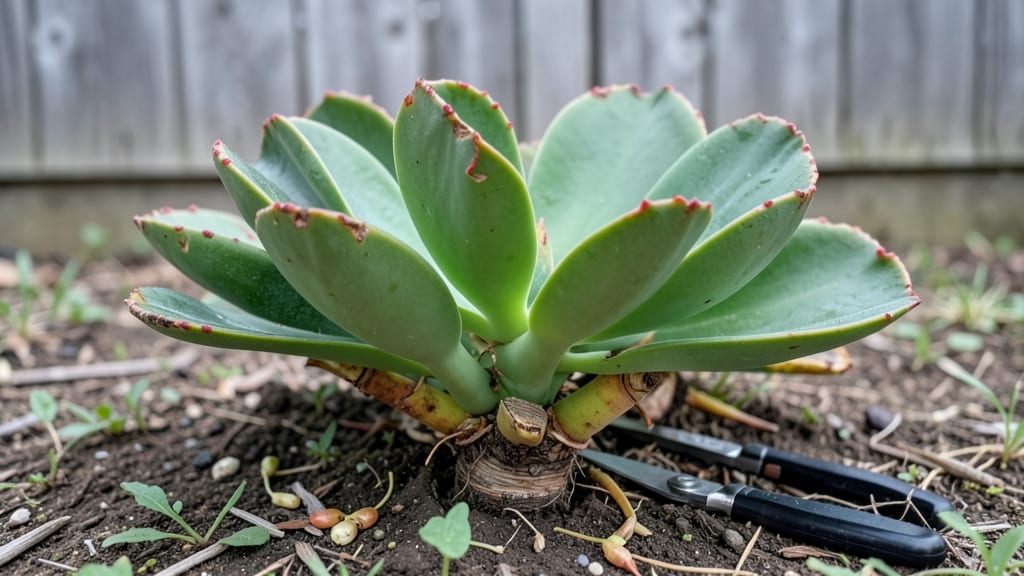
How vivipary works: the biology behind pre-germinated seeds
Vivipary in plants is nature's shortcut—seeds germinate while still attached to the parent plant, bypassing the traditional dormancy phase. Unlike standard germination, where seeds wait for ideal conditions to sprout, viviparous plants produce pre-sprouted seedlings that emerge from fruits or leaves before detachment.
This adaptation is a fascinating twist on plant reproduction, driven by hormonal signals and environmental cues.
The process begins with ethylene gas, a plant hormone that triggers seed germination while the seedling remains connected to the parent.
Unlike dormant seeds, viviparous seeds don’t require a dry, cold period—they start growing immediately. Gibberellins, another hormone, further accelerates this process by breaking down seed coatings and promoting root development.
Environmental conditions play a crucial role. High humidity and warm temperatures (typically 75–90°F) create the perfect environment for vivipary. These conditions mimic the moist, shaded habitats where many viviparous plants thrive, like mangrove swamps or tropical forests. Without these factors, the seedlings risk drying out before detachment.
In standard germination, seeds enter dormancy to survive harsh conditions. Vivipary skips this step entirely. Instead, the parent plant invests energy into pre-growing seedlings, ensuring they have a head start once they detach. This evolutionary advantage is especially useful in unstable environments, where rapid growth increases survival odds.
Here’s how it compares to traditional germination:
| Feature | Standard Germination | Vivipary |
|---|---|---|
| Seed State | Dormant | Pre-sprouted |
| Hormonal Trigger | Gibberellins (after dormancy) | Ethylene + Gibberellins (immediate) |
| Environmental Needs | Moisture, temperature, light | High humidity, warmth (75–90°F) |
| Dormancy Phase | Required | Bypassed |
| Evolutionary Benefit | Survival in varied conditions | Rapid growth in unstable habitats |
For gardeners, understanding vivipary offers insights into propagation strategies. Some plants, like certain bromeliads or succulents, produce plantlets along their leaves or stems. These can be gently removed and replanted to grow new individuals.
The key is to mimic the natural conditions—high humidity and warmth—to encourage successful detachment and rooting.
One of the most striking examples is the mangrove tree, where seedlings grow from propagules (specialized fruits) and drop into water to establish new roots. This adaptation allows mangroves to colonize coastal areas quickly, a survival tactic that’s hard to replicate in garden settings.
However, smaller viviparous plants, like tillandsias, can thrive in containers with consistent moisture.
While vivipary is rare in garden plants, it highlights how hormonal control and environmental cues shape plant development. For those experimenting with propagation, observing viviparous species can reveal how to encourage faster growth in non-viviparous plants—though inducing vivipary artificially is complex and often unsuccessful outside lab settings.
If you’re curious about growing viviparous plants, start with easy-care species like sedums or air plants. These often produce plantlets naturally, offering a hands-on way to explore this fascinating biological process. Just remember: patience and the right conditions are key to success!
10 Plants that exhibit vivipary: from mangroves to garden curiosities
Vivipary in plants isn't just a scientific oddity—it's a survival strategy that thrives in extreme environments. These pre-germinated seedlings emerge from fruits or cones while still attached to the parent plant, ready to take root immediately.
Some species, like mangroves, rely on this trait to colonize salty coastal soils, while others use it to outcompete neighbors in arid climates. Whether you're a coastal gardener or a desert enthusiast, these plants offer fascinating insights into nature's adaptability.
While viviparous plants might seem like a gardener's curiosity, they reveal how plants evolve to thrive where others fail. For example, Rhizophora mangroves produce seedlings that drop into water, growing roots before reaching land—a perfect adaptation for tidal zones.
Meanwhile, some ornamental species surprise gardeners with tiny plants sprouting from their leaves or stems. Let's explore the top 10 species that defy traditional seed germination and why they do it.
Why These Plants Evolved Vivipary
- 1. Mangroves (e.g., Rhizophora): Seedlings grow roots in water before reaching land, ensuring survival in salty, anaerobic soils. The propagule (seedling) drops into water, where it develops a pneumatophore (air-root) within days.
- 2. Citrus (e.g., Satsuma mandarin): Some varieties produce viviparous seedlings from unfertilized ovules, a trait exploited in propagation. These seedlings are genetically identical to the parent, ensuring consistent fruit quality.
- 3. Desert Succulents (e.g., Kalanchoe daigremontiana): "Mother of thousands" produces tiny plantlets on its leaves, which detach and root when conditions are right. This avoids seed dormancy in harsh climates.
- 4. Bromeliads (e.g., Aechmea): Some species develop viviparous pups from flower stalks, ensuring offspring survive in epiphytic habitats with limited soil.
- 5. Orchids (e.g., Bulbophyllum): Certain orchids produce seedlings on inflorescences, a rare adaptation for mycoheterotrophic species that rely on fungi for nutrients.
If you're growing viviparous plants in your garden, timing is everything. For example, Kalanchoe daigremontiana (mother of thousands) produces plantlets year-round, but they thrive best when detached in spring or early summer—just as soil temperatures rise.
Meanwhile, mangrove seedlings need to be transplanted carefully, as their aerial roots are delicate. The key is understanding each species' natural detachment cues, like leaf drop or fruit senescence.
For gardeners, viviparous plants offer a low-maintenance propagation method. Unlike traditional seeds, these pre-sprouted seedlings skip the germination phase entirely, giving you a head start.
For instance, Citrus viviparous seedlings can be potted directly, while Kalanchoe plantlets can be pressed into soil and forgotten—no need for seed-starting trays or grow lights. This makes them ideal for container gardening or small spaces where traditional propagation is impractical.
Not all viviparous plants are easy to cultivate, though. Mangroves, for example, demand brackish water conditions and high humidity, while desert species like Coccoloba uvifera (seagrape) need well-draining soil and full sun.
Research each species' native habitat requirements before attempting to grow them. For instance, Rhizophora mangroves won't thrive in a backyard pond unless you mimic their tidal flooding and saline soil conditions.
Vivipary isn't just a quirk of nature—it's a survival hack that highlights how plants adapt to extreme environments. Whether you're drawn to the dramatic seedlings of mangroves or the whimsical plantlets of Kalanchoe, these species offer a glimpse into the ingenious strategies plants use to reproduce.
Next time you spot a pre-sprouted seedling in your garden, you'll know it's not a fluke—it's evolution at work! 🌱