Companion Plants
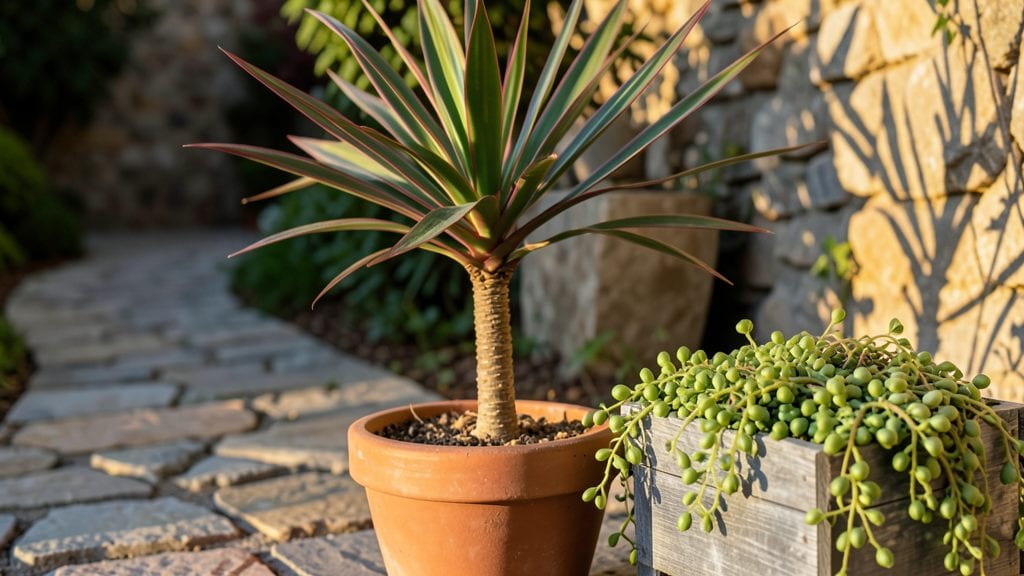
Finding plants that buzz with life and stand out in your garden isn’t just possible—it’s easier than you think. ✨ These unique outdoor companion plants don’t just survive year-round; they transform your space into a pollinator paradise while adding drama with their striking foliage and flowers.
The best part? Many thrive in tough conditions, from drought-prone yards to shady corners where others fail.
Picture the deep purple blooms of Russian sage swaying in the breeze, its fragrant spikes drawing bees for miles, or the velvety silver leaves of lamb’s ears that feel like velvet underfoot.
These aren’t your average garden plants—they’re the kind that make neighbors stop and ask, “What’s that?” while keeping your yard buzzing with activity. Most need minimal fuss: just good drainage, a spot with sun or partial shade, and occasional pruning to keep them looking their best.
You’ll end up with a garden that’s not just functional but downright show-stopping—think jewel-toned blooms, textured foliage that catches the light, and a steady stream of butterflies, hummingbirds, and bees.
These plants work in modern, cottage, or wildflower-style gardens alike, proving you don’t need a green thumb to create a space that’s both beautiful and alive. Let’s dive into the standouts!
Whether you’re in a hot, dry climate or a cooler, wetter zone, there’s a plant here that’ll thrive—and thrive means year-round interest, from early spring shoots to late-fall color.
The secret? Choosing plants that do double duty: they feed pollinators and steal the show. Ready to upgrade your garden’s personality?
📚 In This Guide
- What you need
- Instructions
- Tips and common mistakes
- Wrapping up and next steps
What you need
- ● Unique pollinator-friendly plants (5–10 varieties): Native wildflowers (e.g., Echinacea purpurea, Asclepias tuberosa) – 3–5 plants per variety
- ● Perennials with long bloom seasons (e.g., Rudbeckia, Salvia) – 2–3 plants each
- ● Dwarf shrubs (e.g., Butterfly bush, Dwarf ninebark) – 1–2 plants
- ● High-quality potting mix: 5–10 gallons (organic, well-draining blend for containers or in-ground planting)
- ● Compost or slow-release fertilizer: 1–2 bags (5–10 lbs) for nutrient-rich soil
- ● Mulch (organic, e.g., shredded bark or straw): 1–2 cubic yards (for moisture retention and weed suppression)
- ● Gardening gloves (1 pair, water-resistant)
- ● Hand trowel or transplant spade (for delicate root handling)
- ● Pruners (bypass or anvil) (1 pair, sterilized)
- ● Watering can or hose with adjustable nozzle (for gentle hydration)
- ● Measuring tape or ruler (to space plants 12–36 inches apart, depending on variety)
- ○ Optional: Soil pH tester (to ensure 6.0–7.0 range for most pollinators)
- ● Drip irrigation kit (for automated watering)
- ● Bird/rabbit netting (to protect young plants)
- ● Sunlight assessment: Identify full-sun (6+ hours/day) or partial-shade (3–6 hours/day) areas for your plants.
- ● Local climate knowledge: Check USDA Plant Hardiness Zone for year-round suitability.
- ● Pollinator-friendly location: Avoid high-traffic or pesticide-sprayed zones.
- ● Water source access: Ensure consistent irrigation, especially during dry spells.
Step-by-Step guide for designing a year-round pollinator haven
Here's how to create a thriving outdoor garden that supports pollinators through every season.
🌱 Step 1: Select Native Perennials for Seasonal Interest
Choose 4-5 native perennials that bloom consecutively from early spring to late fall. I always start with bee balm (Monarda) for summer color and purple coneflower (Echinacea) for mid-season pollinator support. Add Russian sage (Perovskia) for late summer and black-eyed Susan (Rudbeckia) for fall interest.
The key is layering bloom times so nectar sources are always available. For example, wild bergamot (Monarda fistulosa) blooms in early summer while goldenrod (Solidago) takes over in late summer. This ensures bees and butterflies never go without food. Native plants also establish deep roots quickly, reducing watering needs once established.
🌿 Step 2: Incorporate Pollinator-Friendly Annuals
Plant 4-6 annuals known for their nectar richness, focusing on borage (Borago officinalis) and cosmos (Cosmos bipinnatus) for their long bloom seasons. These fill gaps between perennial bloom cycles and attract a wider variety of pollinators, including hummingbirds.
Sow seeds directly in well-drained soil after your last frost date. Space plants 12-18 inches apart to allow airflow and prevent fungal diseases. I always include sunflowers (Helianthus annuus) as a late-season magnet for bees and butterflies. The towering stems also provide vertical structure for beneficial insects to rest.
☀️ Step 3: Create Vertical and Ground Cover Layers
Add 3-4 climbing plants like passionflower vine (Passiflora) and honeysuckle (Lonicera) to maximize pollinator access. These vines provide both food and shelter. For ground cover, use creeping thyme (Thymus serpyllum) and wild strawberry (Fragaria virginiana) to prevent soil erosion and attract ground-nesting bees.
Install a 6-foot tall trellis in one corner for vines to climb, creating a living pollinator highway. The vertical space also helps with air circulation, reducing humidity-related diseases. I position the trellis where it receives at least 6 hours of morning sun, which keeps foliage drier and healthier.
💧 Step 4: Establish Water Sources and Shelter
Place 2 shallow birdbaths on low stands (no deeper than 2 inches) filled with pebbles and fresh water. Add a few floating cork bark pieces for perching. Change the water every 3-4 days to prevent mosquito breeding. Position them in partial shade to slow evaporation.
Create a brush pile using small branches and twigs in a corner of the garden. This provides overwintering sites for beneficial insects and small mammals. The brush pile should be 3-4 feet high and placed where it won't block garden access but remains somewhat hidden from view.
✂️ Step 5: Maintain Through Seasonal Transitions
Leave seed heads on plants through winter to provide food for birds and overwintering insects. Cut back only in early spring when new growth appears. I always leave 20-30% of the previous year's foliage on perennials to protect beneficial insects during cold snaps.
Apply 2 inches of organic mulch around plants in early spring to retain moisture and regulate soil temperature. Use shredded bark or straw, keeping it 6 inches away from plant stems to prevent rot. This mulch layer also suppresses weeds, reducing competition for pollinator-friendly plants.
Tips & tricks for perfect year-round pollinator gardens
Creating a pollinator haven that thrives through every season requires strategic planning—and these insider tips will ensure your garden becomes a buzzing success. Here's what nobody tells you about designing a pollinator-friendly landscape that works year after year.
Seasonal Layering Strategy: The key to year-round success lies in understanding bloom cycles. In Step 1, when selecting your 4-5 native perennials, look for plants with staggered bloom times—this ensures continuous nectar sources. For example, pair early bloomers like bee balm (Monarda) with late-season stars like goldenrod (Solidago). I've found that adding wild bergamot (Monarda fistulosa) for early summer creates a perfect transition between spring ephemerals and summer favorites. This layered approach prevents pollinator "hunger gaps" that can occur between bloom cycles.
Annual Placement Technique: When incorporating your 4-6 annuals in Step 2, position them strategically between perennial clusters. I recommend placing borage (Borago officinalis) near the center of perennial beds where it can attract early-season pollinators, while positioning cosmos (Cosmos bipinnatus) along garden edges for late-season visibility. The 12-18 inch spacing isn't just about airflow—it creates micro-habitats that different pollinators prefer. For maximum impact, I always include sunflowers (Helianthus annuus) at the garden's perimeter where their towering stems become natural landing platforms for butterflies.
Vertical Space Optimization: In Step 3, when installing your 6-foot trellis, consider adding a secondary trellis system at 3 feet height. This creates two distinct vertical layers that cater to different pollinator sizes. The lower trellis works perfectly for bumblebees and ground-nesting bees, while the upper layer attracts hummingbirds and larger butterflies. I position the trellis to receive at least 6 hours of morning sun—not just for plant health, but because cooler morning temperatures help prevent heat stress in pollinators during peak activity hours.
Water Source Maintenance: The 2 shallow birdbaths in Step 4 require more attention than most gardeners realize. I've learned that adding a small solar-powered fountain creates movement that attracts pollinators more effectively than still water. The 3-4 day water change schedule is non-negotiable—stagnant water becomes a breeding ground for mosquitoes, which can outcompete native pollinators. For maximum pollinator appeal, I place one birdbath near the center of perennial beds and the second near annual clusters, creating water sources throughout the garden's ecosystem.
Pro Tips for Unique Outdoor Plants
- Creating a pollinator haven that thrives through every season requires strategic planning—and these insider tips will ensure your garden becomes a buzzing success.
- Seasonal Layering Strategy: The key to year-round success lies in understanding bloom cycles.
- Annual Placement Technique: When incorporating your 4-6 annuals in Step 2, position them strategically between perennial clusters.
Frequently asked questions
Got questions about creating a pollinator-friendly outdoor oasis?
Here are answers to the most common ones—so you can dive right in with confidence!
What are the easiest unique outdoor plants to attract pollinators year-round?
Start with lavender (drought-tolerant and fragrant), coneflowers (long bloom season), or bee balm (vibrant and irresistible to bees). These thrive in most climates with minimal fuss!
How long does it take for these plants to establish and attract pollinators?
Most perennials (like black-eyed Susans or salvias) take 6–12 months to fully establish and bloom. Annuals (e.g., cosmos) may flower in as little as 8–10 weeks—perfect for instant buzz!
Can these plants handle extreme heat or cold?
Yes! Choose heat-lovers like yucca or agastache for sunny climates, or heather and sedum for cold-hardy zones. Always check your plant’s USDA hardiness zone for best results.
Will these plants work in small spaces, like balconies or containers?
Opt for compact varieties like dwarf lavender, thyme, or miniature sunflowers. Just ensure 6+ inches of soil depth and well-draining pots to keep roots happy.
What should I do if my plants aren’t attracting pollinators?
Check for pesticides (even natural ones can repel bees), ensure plants are blooming (deadhead faded flowers), and add a water source (like a shallow dish). If needed, plant in clusters—pollinators love abundance!
Pro Tip:
Mix native plants with unique varieties (e.g., purple coneflower + butterfly weed) for a double pollinator punch—locals and exotic beauties both thrive!
Wrapping up and next steps
Transforming your outdoor space into a year-round pollinator haven is easier—and more rewarding—than you think! 🌿 With the right unique outdoor plants, you’re not just adding beauty; you’re creating a thriving ecosystem that supports bees, butterflies, and birds.
Whether you’re a seasoned gardener or just starting, every small step counts—so grab those seeds, get creative, and watch your garden buzz with life!
Ready to take the next step? Start small:
- Pick one or two plants from this list to test in your space.
- Join local gardening groups for tips and inspiration.
- Document your progress—you’ll be amazed at the transformation!