
Watering
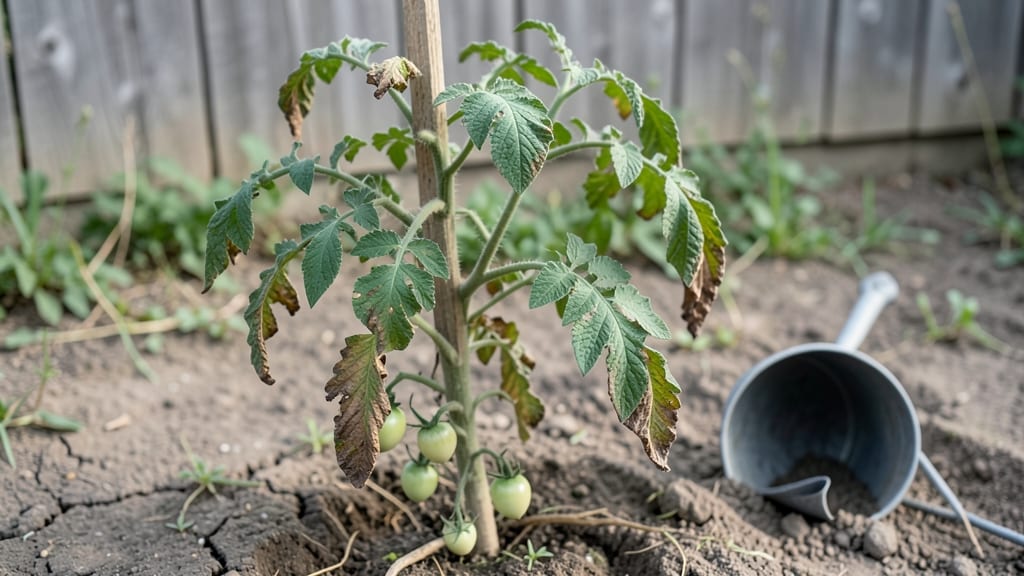
These underwater tomato plant pictures reveal the sad truth—curl like parchment, tiny fruit, and desperate roots all scream for hydration. I’ve seen this exact crisis play out in my own garden—wilting vines, crunchy stems, and fruit that shrivels before ripening—all from ignoring the first warning signs.
The good news? Recovery happens faster than you’d think with the right moves.
Start by checking the soil: if the top 2 inches feel bone-dry, you’ve waited too long. Tomato roots need consistent moisture, not sporadic drenching—think of it like a sponge that never fully dries out.
I switch to deep watering every morning for a week, letting the soil soak down 6 inches, and within days, the leaves perk up again. Mulch helps too, locking in that moisture so you’re not chasing a soggy mess.
You’ll notice new growth within 3-5 days of fixing the watering routine—fresh green leaves unfurling, stems stiffening, and those little tomatoes finally starting to swell. The key is staying ahead next time: water when the soil’s dry to the touch, not when the leaves beg for it.
A moisture meter takes the guesswork out of it.
This works for container tomatoes too—just adjust the watering volume to match the pot size. The same rules apply whether you’re dealing with a backyard vine or a balcony plant. Let’s turn those sad stems into productive plants again.
Root Causes of Thirsty Tomatoes
Tomatoes are the divas of the vegetable garden—demanding, dramatic, and quick to show their displeasure when neglected. 🌱💦 If your tomato plant looks like it’s been through a drought (droopy leaves, curled edges, or fruit that’s smaller than a marble), the blame often lies in one (or more) of these common but fixable causes.
Let’s dig into the science behind why your plant might be crying out for hydration.
💧 Inconsistent watering schedules
Tomatoes thrive on consistency. Skipping a watering day—or worse, alternating between soaking and drought—confuses their root system and triggers stress responses. Here’s why:
- Shallow Root Development: When water is applied sporadically, roots grow closer to the surface in search of moisture. These shallow roots can’t anchor the plant or access deep water reserves, leading to rapid wilting. Think of it like a straw sipping from a puddle instead of a well.
- Osmotic Imbalance: Cells in tomato leaves rely on turgor pressure (water pushing against cell walls) to stay stiff. When soil dries out, water moves out of the leaves via osmosis, causing them to droop like overcooked pasta. 🍝
- Blossom End Rot: Inconsistent moisture stresses the plant’s calcium uptake, leading to those infamous black, sunken spots on fruit. Calcium needs constant water availability to move through the plant—drought disrupts the pipeline.
Actionable Fix: Water deeply 1–2 inches per week (more in heatwaves), aiming for the soil not the leaves. Use a moisture meter or the "squeeze test" (grab a handful of soil—if it crumbles, it’s dry).
🏜️ Poor soil drainage or texture
Not all soil is created equal. Compacted, clay-heavy, or sandy soils can turn your watering routine into a game of "Where Did It All Go?". Here’s how bad drainage sabotages your tomatoes:
| Soil Type | Problem | Result |
|---|---|---|
| Clay Soil | Holds water too tightly; roots suffocate from lack of oxygen. | Roots rot, but surface soil stays soggy while deeper layers dry out. |
| Sandy Soil | Water drains too quickly; roots can’t absorb enough. | Plant wilts fast, even if you watered yesterday. |
| Compacted Soil | Pores collapse, blocking water and air flow. | Roots struggle to spread, leading to stunted growth. |
Actionable Fix:
- Test your soil: Stick a trowel in—if it’s harder than a biscuit, amend it.
- Add organic matter (compost, coconut coir) to clay soil for better aeration.
- Mix in perlite or vermiculite for sandy soil to retain moisture.
- Mulch with straw or wood chips to lock in humidity and prevent evaporation.
🌡️ Extreme heat or wind stress
Tomatoes aren’t just thirsty—they’re sweating. High temperatures and wind accelerate water loss through transpiration, forcing the plant to drink more than usual. Here’s the science:
- Stomata Overdrive: Tiny pores on leaves (stomata) open to absorb CO₂ but also release water vapor. On a 90°F (32°C) day, stomata can lose up to 95% of the water the plant takes in. 🌡️💨
- Root Desiccation: Wind whips soil dry faster, creating a "dry crust" that blocks water from reaching roots. It’s like trying to drink through a straw with a paper towel stuck to it.
- Sunburned Leaves: When leaves wilt, they can’t protect themselves from UV rays, leading to bleached or crispy patches. This further reduces the plant’s ability to photosynthesize and hydrate.
Actionable Fix:
- Water early morning or late evening to reduce evaporation.
- Use shade cloth (30–50%) during peak heat (10 AM–4 PM).
- Group plants together to break wind and create a microclimate.
- Mulch heavily to insulate roots and keep soil cool.
🌱 Overcrowded or competition for water
Tomatoes are not team players when it comes to sharing resources. Crowded plants or neighboring weeds create a water war, leaving your tomatoes high and dry. Here’s how it plays out:
- Root Zone Overlap: When tomato plants are spaced too closely (less than 18–24 inches apart), their roots tangle and compete for the same water. It’s like sharing a single straw at a party—someone’s always left out.
- Weed Water Thieves: Weeds have shallow, aggressive roots that suck up moisture before tomatoes can access it. A single dandelion can transpire 25 gallons of water per year—that’s a tomato’s daily needs, gone in a week.
- Nutrient Starvation: Overcrowding forces plants to divert energy to survival (finding water) instead of growing fruit. This leads to smaller, fewer tomatoes and stunted vines.
Actionable Fix:
- Space tomato plants 18–24 inches apart (or 36 inches for indeterminate varieties).
- Remove weeds within a 2-foot radius of your plants.
- Use drip irrigation to target water directly to the root zone.
- Prune lower leaves to reduce competition and improve airflow.
Now that you know the real villains behind your tomato’s thirst, it’s time to turn the tide with targeted solutions. Stay tuned for signs your plant is perking up—and which recovery tricks work fastest! 🚀
How to solve it
Reviving an underwatered tomato plant starts with action—but don’t panic! With the right steps, you can bring your plant back to life and even salvage future harvests. Below, we’ve mapped out practical solutions based on the most common causes of underwatering, along with prevention tips to keep your tomatoes thriving.
💧 Cause: Insufficient Watering Frequency
Fix: Deep Watering Revival Technique Tomatoes need 1–2 inches of water per week (more in heatwaves). If your plant is wilting, it’s likely thirsty—not dead.
- 🔥 Hydrate Deeply
- Water slowly and deeply at the base (not the leaves) until moisture seeps 6–8 inches into the soil. Use a trowel to check—if it’s dry, keep watering!
- Morning watering is best to reduce evaporation.
- 🍳 Mulch to Retain Moisture
- Spread 2–3 inches of organic mulch (straw, wood chips) around the base (but not touching the stem). This locks in moisture and cools roots.
- ⏰ Adjust Your Schedule
- Hand-water 2–3 times a week (instead of relying on rain or sprinklers).
- Drip irrigation is ideal—it delivers water directly to roots without wetting leaves (which can cause disease).
💡 Prevention Tip: Set a weekly reminder or use a moisture meter to track soil hydration. Tomatoes in pots dry out faster—check them daily in summer!
🌡️ Cause: Overheated or Compacted Soil
Fix: Soil Rescue & Cooling Tricks Hot, hard soil blocks water absorption, even if you’re watering enough.
- 👨🍳 Loosen the Soil
- Gently rake or fork the top 2–3 inches of soil to break up compaction.
- Mix in compost or coconut coir to improve drainage and water retention.
- 🥘 Provide Shade (Temporarily)
- If temps exceed 90°F (32°C), shade your plant with a light cloth or row cover for 2–3 hours in the afternoon.
- Avoid plastic—it traps heat and can scorch leaves.
- ✨ Hydration Boosters
- Add 1–2 tablespoons of Epsom salt (magnesium sulfate) to a gallon of water once a month to help stressed roots absorb moisture.
💡 Prevention Tip: Plant tomatoes in well-draining, loose soil (avoid clay-heavy gardens). Raised beds or containers with perlite or vermiculite improve aeration.
🍅 Cause: Root Damage or Poor Drainage
Fix: Root Recovery & Drainage Upgrade If roots are damaged (from overwatering or underwatering) or soil is waterlogged, the plant can’t absorb nutrients.
- 🔪 Trim Damaged Roots (If Repotting)
- If your tomato is in a pot, gently remove it and inspect roots. Trim any black, mushy, or brittle roots with sterilized scissors.
- Repot in fresh, well-draining soil (mix potting soil with perlite).
- 🌱 Improve Drainage
- Drill holes in the bottom of containers if missing.
- Elevate pots on bricks or saucers to prevent water pooling.
- 🎯 Fertilize Lightly
- Use a balanced fertilizer (10-10-10) or fish emulsion to replenish lost nutrients. Avoid over-fertilizing—it stresses weak roots.
💡 Prevention Tip: Never let tomatoes sit in soggy soil—water only when the top 1–2 inches are dry. A self-watering pot can help maintain consistency.
⚠️ Emergency Revival for Severely Wilting Plants
If your tomato’s leaves are crispy, yellow, or drooping badly, try this 24-hour rescue plan:
- Submerge the pot (for container plants) in 4–6 inches of water for 30 minutes to fully rehydrate roots.
- Trim dead leaves to redirect energy to healthy growth.
- Move to shade and reduce watering for 2 days to prevent shock.
📊 Long-Term Care Checklist
| Task | Frequency | Why It Helps |
|---|---|---|
| Deep watering | 2–3x/week | Prevents root stress |
| Mulching | Once at planting | Retains moisture & cools soil |
| Soil check | Weekly | Catches dehydration early |
| Pruning dead leaves | As needed | Boosts energy to fruit production |
| Fertilizing | Every 4–6 weeks | Replenishes nutrients |
Final Thought: Tomatoes are resilient—even severely underwatered plants can bounce back with the right care. Act fast, adjust your watering routine, and soon you’ll be back to enjoying juicy, vine-ripened tomatoes! 🍅🌿
Frequently asked questions
How do I tell if my tomato plant is truly underwatered?
Check for dry, crispy leaf edges or leaves that curl downward like parchment. The soil should be bone-dry in the top 2 inches—stick your finger in to test. Severely underwatered plants may also have small, shrunken fruit or stems that feel brittle. If you see these signs, it’s time to hydrate deeply!
Can I save a tomato plant that’s already wilted?
Place the pot in 4-6 inches of water for 30 minutes to rehydrate roots. Afterward, trim any dead leaves and move it to partial shade. Water slowly and deeply for 3-5 days, then resume your regular schedule. Many plants recover within 24-48 hours!
Why does my tomato plant droop even after watering?
Drooping after watering could mean root damage or overheating. If the soil is still dry below the surface, water again until it drains from the bottom. For heat stress, provide afternoon shade and mulch to cool roots. Check for pests or fungal issues too—wilting can sometimes signal hidden problems.
How often should I water tomato plants to prevent underwatering?
Water deeply 2-3 times per week (more in extreme heat), ensuring 1-2 inches of moisture reaches the roots. Use your finger to check soil moisture—if it’s dry 1-2 inches down, it’s time to water. Morning watering works best to reduce evaporation. Containers need daily checks in summer!
What’s the best way to water tomato plants without over or underwatering?
Use drip irrigation or soaker hoses to deliver water directly to roots, avoiding wet leaves. Water slowly for 20-30 minutes until soil is evenly moist. Mulch with 2-3 inches of straw to lock in moisture and maintain consistent soil temperature. A moisture meter helps track hydration levels accurately!