
Planting
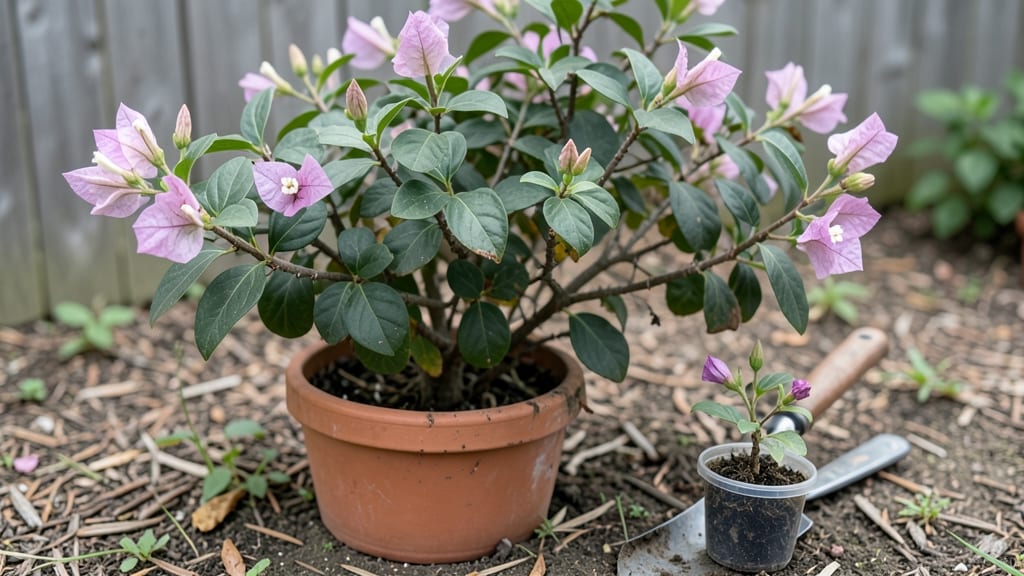
Transplanting bougainvillea plants at the right time means vibrant blooms for years to come. 🌿 I learned the hard way that spring is the only season to move these tough beauties—they hate winter stress and summer heat.
The secret isn’t brute force; it’s patience and the right soil mix that keeps roots happy.
Start by digging a hole twice as wide as the root ball but no deeper—bougainvilleas despise soggy feet. Amend the native soil with 3 parts cactus mix and 1 part perlite to mimic their desert origins.
Water deeply before moving, then lift the plant with its root ball intact to avoid tearing those delicate feeder roots.
After planting, stake the bougainvillea if needed (they grow fast!) and water once daily for two weeks, then taper to twice weekly. The first flush of new growth means it’s taking root—just don’t expect flowers until 6-8 weeks after transplanting. Prune only to shape, never to encourage blooms.
Even in Zone 10, bougainvilleas need winter protection—wrap in burlap if temps dip below 40°F. The payoff? A plant that thrives with minimal fuss and rewards you with year-round color. Here’s how to keep it looking its best through every season.
📚 In This Guide
- What you need
- Instructions
- Tips and common mistakes
- Wrapping up and next steps
What you need
- ● Healthy bougainvillea plant: Choose one with vibrant foliage and minimal signs of disease (prioritize young, flexible stems for easier handling).
- ● New planting container or garden spot: Container: 1-2 gallons per year of plant maturity (e.g., 5-gallon pot for a 3-year-old bougainvillea). Ensure it has drainage holes (¼-inch minimum).
- ● Garden bed: Well-draining soil with a slightly acidic to neutral pH (6.0–7.5). Amend heavy soil with perlite or coarse sand (1 part perlite to 3 parts soil).
- ● High-quality potting mix: 1 bag (1–2 cubic feet) of a well-draining blend (e.g., 60% cactus/succulent mix + 30% peat moss + 10% perlite). Avoid garden soil—it compacts and suffocates roots!
- ● Pruning shears or sharp bypass pruners: Sterilized with rubbing alcohol to prevent disease. Opt for clean cuts (¼-inch above a leaf node).
- ● Garden trowel or transplant spade: Medium-sized (6–8 inches) for digging holes and loosening roots.
- ○ Rooting hormone (optional but recommended): A powder or gel (e.g., Clonex or Dip ‘N Grow) to boost root growth post-transplant.
- ● Mulch: 1–2 inches of organic mulch (e.g., bark chips or shredded leaves) to retain moisture and regulate soil temp.
- ● Slow-release fertilizer: 1 tablespoon of a balanced 10-10-10 or 20-20-20 formula mixed into the soil to kickstart growth.
- ● Epsom salt (magnesium sulfate): 1 teaspoon dissolved in water for a post-transplant foliar spray (boosts chlorophyll).
- ● Support stake or trellis: If transplanting a mature bougainvillea, use a bamboo stake or wire cage to stabilize it during recovery.
- ● Spray bottle with water: For gentle misting to reduce transplant shock.
How to transplant bougainvillea for healthy, long-lasting growth
Bougainvillea thrives when transplanted carefully—here's my foolproof method for moving yours without shock.
🌱 Step 1: Choose the Right Time and Prepare the New Location
Transplant bougainvillea during early spring or late fall when temperatures are mild—avoid extreme heat or frost. Pick a spot with full sun (6+ hours daily) and well-draining soil, since soggy roots will kill it fast. I always test drainage by digging a hole, filling it with water, and waiting—if it drains within 30 minutes, the site is perfect.
Bougainvillea hates competition, so space plants 8-10 feet apart to give them room to sprawl. If transplanting into a container, use a pot 2 inches larger in diameter than the root ball and ensure it has drainage holes. Skimpy soil or poor drainage is the #1 reason bougainvillea fails after transplanting.
🪴 Step 2: Dig and Lift the Plant Gently
Water the plant 2-3 days before transplanting to reduce stress—soil should be moist but not waterlogged. Dig a trench around the root ball, 12 inches from the trunk, and go deep until you hit the roots. Use a shovel to lift the plant carefully, keeping as much of the root system intact as possible. If roots break, don’t panic—bougainvillea is tough and will recover.
Shake off excess soil to inspect the roots. Trim any mushy or blackened roots with clean pruners—these are rotten and will spread disease. I like to soak the root ball in lukewarm water for 10-15 minutes before replanting to rehydrate the roots gently. This step makes all the difference in survival rates.
☀️ Step 3: Plant and Secure the Bougainvillea
Dig a hole twice as wide as the root ball but no deeper—bougainvillea roots grow shallow. Place the plant in the hole and backfill with native soil mixed with compost (I use about 1 part compost to 3 parts soil). Press gently around the base to remove air pockets, but don’t compact the soil too tightly—bougainvillea roots need room to breathe.
Water deeply until moisture seeps 6 inches down into the soil. Add a 2-inch layer of mulch (like pine bark) around the base, keeping it 3 inches away from the trunk to prevent rot. Stake the plant if needed—bougainvillea can get top-heavy, and a 5-foot bamboo stake tied loosely with soft twine keeps it steady without restricting growth.
✂️ Step 4: Prune and Care for Recovery
After transplanting, trim back any dead or damaged branches with clean pruners—this redirects energy to root establishment. I also cut back 1/3 of the remaining growth to reduce stress. Avoid heavy pruning for the first year, though, since bougainvillea flowers on new growth and needs time to recover.
Water every 2-3 days for the first 2 weeks, then taper to once a week once new growth appears. Bougainvillea is drought-tolerant once established, but newly transplanted plants need consistent moisture. Watch for yellowing leaves—this usually means overwatering, while wilting signals underwatering. Adjust based on your climate.
⏰ Step 5: Monitor and Maintain for Long-Term Health
Fertilize 4-6 weeks after transplanting with a balanced, slow-release fertilizer (10-10-10 works well). I apply it in early spring and again in mid-summer to encourage blooms. Avoid high-nitrogen fertilizers—they promote leafy growth at the expense of those stunning bracts.
After the first year, bougainvillea should be low-maintenance. Prune lightly in late winter to shape the plant and remove dead wood. If you notice fewer blooms, it’s often a sign of too much shade or overwatering. Bougainvillea rewards patience—with the right transplanting care, it’ll thrive for decades with minimal effort.
Tips & tricks for perfect bougainvillea transplanting
Here's what nobody tells you about transplanting bougainvillea—trust me, these tricks make all the difference between a struggling plant and one that thrives for years.
Drainage Test: That 30-minute drainage test in Step 1 is non-negotiable. I've seen bougainvillea die from soggy roots within weeks—test your soil first! If water pools beyond 30 minutes, amend with perlite or sand until it drains properly. For containers, elevate them slightly to prevent water from sitting in the saucer.
Root Soaking Secret: The 10-15 minute lukewarm water soak in Step 2 might seem minor, but it's a game-changer. This gentle rehydration helps roots recover faster after the shock of transplanting. I use a bucket of water with a handful of seaweed fertilizer for extra nutrients during this soak.
Pruning Precision: When you cut back that 1/3 of growth in Step 4, focus on removing leggy stems and crossing branches. This isn't just about aesthetics—it encourages bushier growth and more blooms. I always prune just above a leaf node where new growth can emerge.
Watering Wisdom: The 2-3 day pre-watering and 2-week post-transplant schedule in Step 4 works, but here's the catch: water deeply each time until you see moisture 6 inches down. Shallow watering stresses roots more than drought does in the first few weeks.
Pro Tips for Transplanting Bougainvillea Plant
- Here's what nobody tells you about transplanting bougainvillea—trust me, these tricks make all the difference between a struggling plant and one that thrives for years.
- Drainage Test: That 30-minute drainage test in Step 1 is non-negotiable.
- Root Soaking Secret: The 10-15 minute lukewarm water soak in Step 2 might seem minor, but it's a game-changer.
Frequently asked questions
Got questions about transplanting your bougainvillea? You’re not alone! Here are some of the most common concerns—and their solutions—to help your plant thrive after the move.
When is the best time to transplant bougainvillea?
The ideal window is late winter or early spring (before new growth starts) or early fall (after the heatwave). Avoid transplanting during extreme heat, frost, or while the plant is flowering—stress can drop buds! If you must move it mid-season, do it on a cloudy day and water thoroughly afterward.
How often should I water my bougainvillea after transplanting?
Water deeply every 2–3 days for the first 2 weeks, then taper to 1–2 times weekly once roots establish (check soil moisture 2 inches down). Overwatering is riskier than underwatering—bougainvilleas hate soggy roots. Mulch around the base to retain moisture and protect roots from temperature swings.
Can I transplant bougainvillea in full sun or shade?
Bougainvilleas crave full sun (6+ hours/day), but newly transplanted plants need partial shade (30–50%) for 1–2 weeks to reduce transplant shock. Gradually acclimate them to direct sun over 7–10 days. If your yard has no shade options, transplant on a morning-only sun schedule until established.
Should I prune my bougainvillea before or after transplanting?
Prune lightly before transplanting to reduce stress—trim 1/3 of leggy stems and remove dead/diseased branches. Avoid heavy pruning after transplanting; focus on watering and root care first. Wait until spring for major shaping to encourage vigorous regrowth.
Why are the leaves yellowing or dropping after transplanting?
Yellowing leaves (chlorosis) or drop-off are normal stress signs but can signal root damage, over/under-watering, or shock. Check these fixes:
- Soil issues: Bougainvilleas need well-draining, slightly acidic soil (pH 6.0–7.0). Amend heavy clay with sand or perlite.
- Pests: Inspect for aphids or spider mites—spray with neem oil if needed.
- Light: Move to bright indirect light temporarily if leaves scorch.
Wrapping up and next steps
Transplanting your bougainvillea doesn’t have to be a daunting task—with the right timing, tools, and care, you can help it thrive for years to come! 🌿 Whether you’re relocating it for better sunlight, container swaps, or seasonal adjustments, the key is patience and attention to its needs.
Now that you’re armed with expert tips, take that next step: mark your calendar for the best transplanting window (spring or fall) and gather your supplies. Your bougainvillea will reward you with vibrant blooms and lush growth—so roll up your sleeves and give it the fresh start it deserves!