
Companion Plants
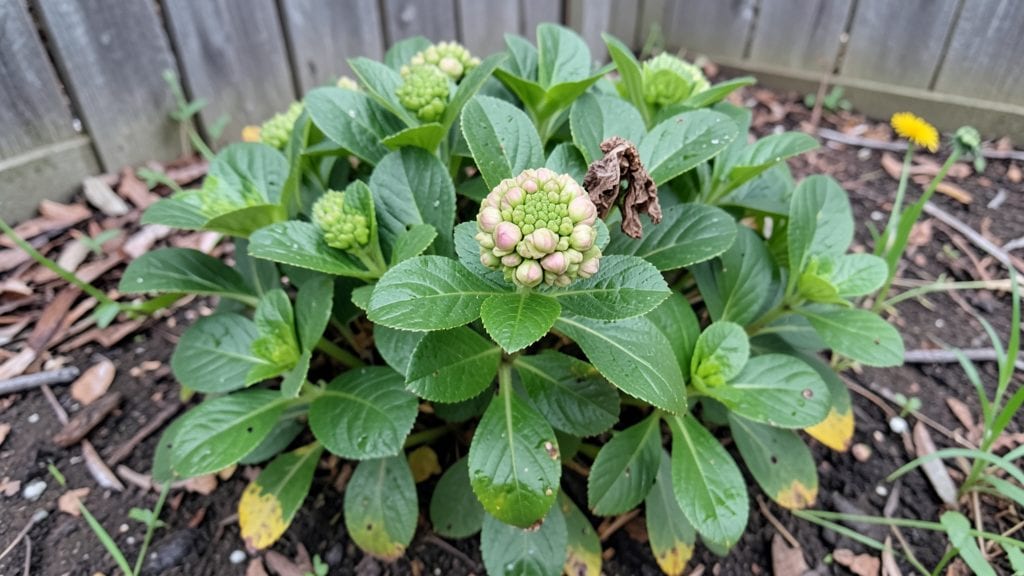
Those easy-care dwarf hydrangea plants bring jewel-toned blooms to small spaces without the fuss of full-sized shrubs. 🌿 I’ve grown them in containers, window boxes, and tight garden beds—each time, they deliver months of color with almost no maintenance.
The key isn’t just picking the right variety; it’s matching their needs to your space, whether that’s a sunny patio or a shady corner.
You’ll need well-draining soil, 6-8 hours of sunlight (depending on the type), and a watering routine that keeps roots happy without drowning them. Most varieties thrive in 5-gallon containers, but spacing matters too—give them 2-3 feet between plants for airflow.
The pruning is simpler than you’d think: just trim back dead stems in early spring and shape lightly after blooming.
By midsummer, you’ll have lush clusters of blooms in blues, pinks, or whites, and they’ll keep coming until frost. The best part? These plants reward patience—each year, they grow slightly bigger while staying compact. Even my black-thumb neighbor keeps hers alive with just basic care.
Works for containers, borders, or hanging baskets, and many varieties rebloom if you deadhead spent flowers. Here’s how to get started without overcomplicating it—no green thumb required.
📚 In This Guide
- What you need
- Instructions
- Tips and common mistakes
- Wrapping up and next steps
What you need
- ● Dwarf Hydrangea Plants: Choose between: 1–3 pre-grown nursery plants (6–12 inches tall, potted or bare-root)
- ● OR hydrangea seeds (soak overnight for better germination)
- ● Well-draining potting mix: 2–3 gallons (use a blend of peat moss, perlite, and compost for containers)
- ● Garden soil (for in-ground planting): Amend with 1 part compost per 3 parts soil for nutrients
- ○ Containers (optional but handy): 1–2 5–10 gallon pots with drainage holes (terracotta or fabric pots work best)
- ● OR raised beds (12–18 inches deep)
- ● Slow-release fertilizer: 1–2 tbsp balanced 10-10-10 or acid-loving plant fertilizer (like for azaleas)
- ● Garden trowel or small shovel (for planting)
- ● Pruning shears (sterilized with rubbing alcohol)
- ● Watering can or hose with gentle spray nozzle
- ○ pH testing kit (optional but helpful)—aim for 5.0–6.0 for optimal blooms
- ○ Mulch (optional): 1–2 inches of pine bark or shredded leaves to retain moisture
- ● Sunlight: Partial shade (4–6 hours of morning sun)—avoid harsh afternoon rays
- ● Watering schedule: Keep soil consistently moist (not soggy!) for the first 2–3 weeks
- ● Patience: Dwarf hydrangeas may take 1–2 years to reach full bloom potential
How to plant and care for dwarf hydrangeas
Here's the straightforward method I use to keep dwarf hydrangeas thriving in small spaces.
🌱 Step 1: Choose the Right Location and Prepare the Soil
Dwarf hydrangeas need morning sun and afternoon shade—at least 4-6 hours of light daily but protected from hot afternoon rays that scorch leaves. I always plant mine near a north-facing wall or under a deciduous tree that provides shade in summer but lets light through in winter.
Before planting, loosen the soil to a depth of 12 inches with a garden fork. Amend the native soil with 2-3 inches of compost (from your materials list) to improve drainage and fertility. Dwarf hydrangeas hate soggy roots, so if your soil drains poorly, mix in 1 part perlite for every 3 parts soil. The goal is loose, airy soil that holds moisture but doesn’t stay waterlogged.
🪴 Step 2: Dig and Plant at the Correct Depth
Dig a hole twice as wide as the root ball but only as deep as the container’s base—hydrangeas don’t like being buried too deep. Gently remove the plant from its container and tease apart any circling roots with your fingers. This encourages outward growth instead of a tangled mess.
Place the plant in the hole so the top of the root ball sits level with the surrounding soil—never deeper. Fill the hole with soil, pressing lightly around the edges to eliminate air pockets. Water deeply right after planting to settle the soil and remove any gaps. You’ll see the soil surface sink slightly as it compacts; add a little more soil if the root ball becomes exposed.
💧 Step 3: Water and Mulch for Retention
Water the newly planted hydrangea until moisture drains 6 inches deep—stick your finger in the soil to check. Dwarf hydrangeas need consistent moisture, especially in their first year, but never soggy soil. I water mine every 2-3 days in summer, adjusting based on rainfall. If the top 2 inches of soil feel dry, it’s time to water again.
Spread 2-3 inches of mulch (from your materials list) around the base, keeping it 2 inches away from the stem to prevent rot. Use shredded bark or pine straw—both help retain moisture and regulate soil temperature. Replenish mulch annually in late winter to maintain its protective layer.
☀️ Step 4: Prune for Shape and Encourage Blooms
Prune dwarf hydrangeas right after flowering in late summer or early fall. Remove dead or crossing branches first, then cut back last year’s growth by ⅓ to encourage bushier, fuller blooms next season. I always use clean, sharp pruners to avoid tearing stems. For variety-specific pruning, check the tag—some dwarf types bloom on old wood, while others produce flowers on new growth.
If your hydrangea looks leggy or sparse, a light trim in early spring (before new growth starts) can help. Never prune in winter, as dormant buds won’t regrow. After pruning, fertilize lightly with a balanced, slow-release fertilizer (like 10-10-10) to support new growth. You’ll see fresh, vibrant foliage within 4-6 weeks if conditions are right.
⏰ Step 5: Winterize for Cold Climates
In USDA Zones 5-7, protect dwarf hydrangeas from winter damage by mulching heavily (4-6 inches) around the base in late fall. Wrap the crown in burlap or frost cloth if temperatures dip below 10°F, but leave the top open for airflow. In Zones 8+, no extra protection is needed—just reduce watering as soil cools.
Prune off any dead or damaged stems in early spring before new growth begins. Resist the urge to prune in late winter—hydrangeas set buds early, and cutting too soon removes potential blooms. Once you see new shoots emerge in late March or April, resume regular care and watch for buds to swell—that’s your signal the plant is ready for another season of color.
Tips & tricks for perfect dwarf hydrangea care
These practical insights will help you avoid common pitfalls and maximize your dwarf hydrangea's potential for vibrant, year-round blooms.
Location and Lighting Strategy: The 4-6 hours of morning sun is non-negotiable—this is when hydrangeas photosynthesize most efficiently. I've found that positioning them near a north-facing wall creates the perfect microclimate, where they get morning light but are shielded from intense afternoon sun that can scorch leaves. If you're working with limited space, consider using reflective surfaces like light-colored walls or decorative mirrors to maximize light exposure without direct sun exposure.
Soil Preparation Technique: When amending your soil with 2-3 inches of compost, don't just mix it in—create a "soil cocktail" by incorporating it into the top 12 inches of loosened soil. For particularly clay-heavy soils, I recommend adding perlite in a 1:3 ratio during the initial planting to create those essential air pockets. This prevents that dreaded "soggy root" scenario that can suffocate your plants. Think of it as creating a sponge-like environment where water drains but moisture is retained.
Pruning Precision: The rule of cutting back last year's growth by ⅓ is a great starting point, but timing matters just as much. I've learned that pruning right after flowering—when the plant has already set next year's buds—gives you the best balance of shape and future blooms. For varieties that bloom on old wood (like 'Annabelle'), be extra cautious—never prune these in fall, as you'll remove next year's flower buds. Always check the plant tag or do a quick online search to confirm your specific variety's blooming habit before reaching for those pruners.
Winter Protection Tactics: That 10°F threshold isn't just an arbitrary number—it's when hydrangea buds start to suffer frost damage. In Zones 5-7, I've found that doubling the mulch to 4-6 inches creates an effective insulating blanket. For extra protection, wrap the crown with burlap but leave the top open—this prevents moisture buildup that can lead to rot while still protecting the vulnerable growing point. In Zones 8+, the focus shifts to reducing watering as soil cools, which prevents the roots from heaving out of the ground when they freeze and thaw.
Pro Tips for Dwarf Hydrangea Plants
- These practical insights will help you avoid common pitfalls and maximize your dwarf hydrangea's potential for vibrant, year-round blooms.
- Location and Lighting Strategy: The 4-6 hours of morning sun is non-negotiable—this is when hydrangeas photosynthesize most efficiently.
- Soil Preparation Technique: When amending your soil with 2-3 inches of compost, don't just mix it in—create a "soil cocktail" by incorporating it into the top 12 inches of loosened soil.
Frequently asked questions
Got questions about keeping your dwarf hydrangea plants happy and blooming? You’re not alone! Here are some of the most common queries—plus quick, practical answers to help you grow with confidence.
How often should I water dwarf hydrangeas?
Water your dwarf hydrangeas 1-2 times per week, depending on your climate. They prefer consistently moist (not soggy) soil. In hot summers, check soil moisture daily—dwarf varieties dry out faster than larger hydrangeas. Mulch helps retain moisture and protect roots.
When do dwarf hydrangeas bloom, and how long do flowers last?
Most dwarf hydrangeas bloom in late spring to early summer, with some varieties reblooming lightly in fall. Flowers last 4-8 weeks per flush. Prune spent blooms in early spring to encourage new growth. Pro tip: Deadhead faded flowers to redirect energy to fresh blooms!
Can dwarf hydrangeas survive winter in cold climates?
Yes! Most dwarf hydrangeas tolerate USDA Zones 4-9. In colder zones, mulch heavily around the base (3-4 inches) and wrap containers in burlap. For potted dwarf hydrangeas, move them to a sheltered spot or indoors (like a garage) before frost hits.
What’s the best alternative if my dwarf hydrangea isn’t thriving?
If your dwarf hydrangea struggles with poor drainage, pests, or disease, try these low-maintenance alternatives:
- Dwarf oakleaf hydrangea (hardy, vibrant foliage)
- Dwarf butterfly bush (drought-tolerant, pollinator-friendly)
- Dwarf abelia (evergreen, fragrant blooms)
Why are my dwarf hydrangea leaves turning yellow or brown?
Yellow leaves often signal overwatering or poor drainage, while brown edges can mean underwatering or sunburn. Check soil moisture and ensure your plant gets morning sun and afternoon shade. Pests like aphids can also cause browning—spray with soapy water or neem oil if you spot them.
Wrapping up and next steps
Dwarf hydrangeas bring joy and beauty with their compact size and vibrant blooms, making them perfect for small spaces, containers, or even as companion plants. Whether you’re a beginner or a seasoned gardener, their low-maintenance charm ensures stunning results with minimal effort—just provide the right soil, sunlight, and occasional care.
Now that you’re armed with the knowledge, why not plant one today? Start by choosing your favorite variety and give your garden a burst of color that’ll turn heads! 🌸✨