
Planting
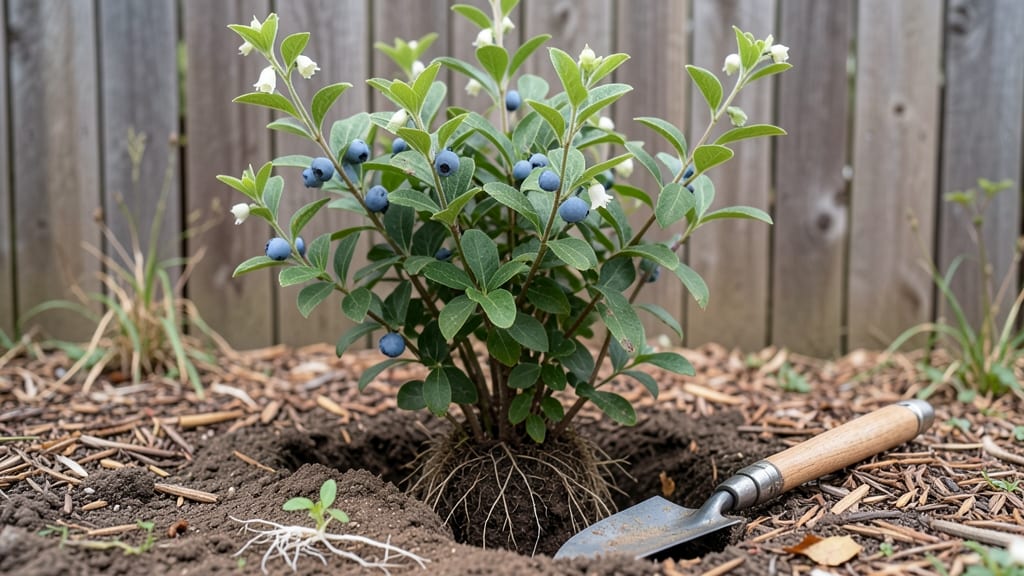
Transplanting blueberry plants can feel like a high-stakes gamble—one wrong move and your $25 shrub becomes a sad, wilted mess. But after moving three bare-root plants last fall, I’ve cracked the code for stress-free transplanting that actually takes root.
The secret isn’t brute force; it’s patience, soil prep, and understanding what these finicky shrubs really need to thrive.
Start by digging your hole twice as wide as the root ball (or container) but no deeper—blueberries hate soggy feet. Amend the native soil with peat moss or pine fines to mimic their natural acidic bog habitat (aim for pH 4.5-5.5), and mix in a handful of compost for nutrients.
For bare-root plants, soak roots in water for 1-2 hours before planting to revive them, while container-grown plants benefit from a quick root tease to encourage outward growth.
After planting, water deeply until the soil settles, then mulch with 2-3 inches of pine straw to lock in moisture and block weeds. The first few weeks are critical—keep soil consistently moist but not soggy, and avoid heavy pruning.
By late spring, you’ll see new growth shooting up like a promise kept, with berries forming by next summer if you’ve done everything right.
This method works for both spring and fall transplanting (just avoid extreme heat or frost), and container-grown plants adapt even better than bare-root if you prep their new home carefully. The payoff? A shrub that lives for decades and produces buckets of berries with minimal fuss.
📚 In This Guide
- What you need
- Instructions
- Tips and common mistakes
- Wrapping up and next steps
What you need
- ● Blueberry plants: 1–3 dormant or potted plants (bare-root or container-grown), depending on your garden size. Choose Rabbiteye, Southern Highbush, or Northern Highbush varieties based on your climate zone.
- ● Well-draining, acidic soil: Aim for a pH of 4.5–5.5. Use peat moss, pine bark fines, or sulfur to amend soil if needed (see soil test tips below).
- ● Organic mulch: Pine needles, wood chips, or shredded leaves (3–4 inches thick) to retain moisture and acidify the soil over time.
- ● Fertilizer: Acid-loving plant fertilizer (e.g., Miracle-Gro Azalea, Camellia, and Rhododendron) or cottonseed meal (10–20 lbs per 100 sq ft) for nitrogen.
- ● Garden trowel or transplanting spade (for digging holes).
- ● Garden gloves (to protect your hands from thorns and soil).
- ● Watering can or hose with a gentle spray nozzle (for hydrating roots without disturbing soil).
- ● pH testing kit (digital or liquid test strips) to verify soil acidity.
- ● Measuring tape or ruler (to ensure proper spacing—3–6 feet apart, depending on variety).
- ● Pruning shears (for trimming damaged or overgrown roots/stems).
- ● Epsom salt (1 tbsp per plant) for magnesium boost.
- ● Compost or well-rotted manure (to improve soil structure).
- ● Plant tags (to label varieties and planting dates).
- ● Row cover or shade cloth (if transplanting in hot/harsh conditions).
Instructions for transplanting blueberry plants
Here's how to move your blueberries with minimal stress and maximum success.
Prepare the New Planting Site
Blueberries demand acidic soil—aim for a pH between 4.5 and 5.5. Test your soil first, and if it's too alkaline, amend it with 1-2 pounds of sulfur per 100 square feet mixed into the top 12 inches of soil. They also need excellent drainage, so avoid low spots where water pools. Work in 2-3 inches of well-rotted compost or peat moss into the planting area to improve fertility and acidity.
Dig holes twice as wide as the root ball but only as deep as the container. This encourages roots to spread outward rather than settling too deeply. If transplanting multiple bushes, space them 6-8 feet apart—they'll grow into a tidy shrub over time. I like to add a 2-inch layer of pine needles around the base after planting to maintain acidity naturally.
Acclimate the Plants Before Moving
Don't rush—blueberries hate transplant shock. Two weeks before moving, start watering the plants deeply every 3-4 days to encourage new root growth. This helps them recover faster. On the day of transplanting, water them one last time in the morning so the soil is moist but not soggy. Dig around the root ball, keeping the soil intact, and gently lift the plant from its container.
Inspect the roots—if they're circling tightly, use a knife to loosen the outer roots gently. This prevents girdling as the plant matures. If the roots are dry, soak them in a bucket of lukewarm water for 10-15 minutes before planting. Never let them dry out completely during this process.
Plant at the Right Depth and Angle
Place the blueberry plant in the hole so the top of the root ball sits just 1 inch above ground level. This ensures the plant doesn't settle too deeply over time. Fill the hole with soil, tamping it down gently to remove air pockets. Avoid compacting too firmly—blueberry roots need room to breathe. Water the plant deeply immediately after planting to help the soil settle around the roots.
Stake the plant if needed, especially in windy areas. Use 2-3 stakes tied loosely with soft twine to support the bush without restricting growth. Mulch heavily with 3-4 inches of pine bark or wood chips, keeping it 6 inches away from the stem to prevent rot. This mulch layer keeps roots cool and maintains acidity as it breaks down.
Water and Protect During the First Month
After transplanting, water the plant every 2-3 days for the first 3 weeks, providing 1-2 gallons per plant each time. This keeps the soil consistently moist but not waterlogged. Check the soil 1 inch below the surface—if it's dry, water again. Avoid overhead watering, which can spread disease. Instead, use a soaker hose or water at the base.
Shade the plant for the first 7-10 days using lightweight fabric or a temporary shade cloth if temperatures exceed 85°F. Blueberries are sensitive to heat stress, especially after transplanting. Once established, they’ll tolerate full sun, but young plants need time to adjust. Monitor for wilting—if leaves droop, water immediately and provide afternoon shade until they recover.
Fertilize and Monitor for Growth
Wait 6-8 weeks before fertilizing—new roots need time to establish. Once the plant shows signs of new growth, apply a slow-release, acid-loving fertilizer like one formulated for blueberries. Follow the package instructions, but I usually use half the recommended dose the first year to avoid overfeeding. Avoid high-nitrogen fertilizers, which can burn roots and reduce fruit production.
Watch for new leaves emerging in 4-6 weeks—this is your sign the transplant was successful. If the plant struggles, yellowing leaves often indicate nutrient deficiencies (usually iron or magnesium) or pH issues. Test the soil again if problems persist. With proper care, your blueberries will start producing fruit in 2-3 years, and you’ll have a thriving, low-maintenance shrub for decades.
Tips & tricks for transplanting blueberry plants
Moving blueberry plants might seem intimidating, but these simple strategies make all the difference in helping your bushes thrive after transplanting.
The Soil Test is Non-Negotiable: Before you even dig that first hole, test your soil's pH. Blueberries are fussy about acidity, and aiming for that 4.5-5.5 range is crucial. If your test comes back higher, don't skip the sulfur amendment—it's the only way to create that perfect acidic environment they crave. I've seen blueberries struggle in soil that tested just 6.0, even when everything else seemed perfect.
Root Care Makes or Breaks Success: In Step 2, when you're loosening those circling roots, be gentle but thorough. Use a clean knife to make 2-3 vertical cuts around the root ball if the roots are tightly bound. This encourages outward growth instead of creating a girdling effect that can strangle the plant. The 10-15 minutes you spend soaking dry roots in lukewarm water before planting can make the difference between a struggling transplant and one that takes off quickly.
Watering Wisdom Prevents Common Failures: That first month is critical, and the 2-3 day watering schedule in Step 4 needs precision. Use your finger to check moisture 1 inch below the surface—if it's dry, water immediately. I've learned the hard way that skipping even one watering session can lead to transplant shock. Also, consider investing in a simple moisture meter for your garden; it's a small price to pay for peace of mind during this delicate period.
Shade Strategy Saves Struggling Plants: When temperatures hit 85°F or higher, that shade cloth becomes your best friend. I've had blueberry plants wilt dramatically in hot afternoons only to recover completely when given temporary shade. The key is providing afternoon shade specifically—morning sun helps establish the plant while protecting it from the midday heat that causes the most stress.
Pro Tips for Transplanting Blueberry Plants
- Moving blueberry plants might seem intimidating, but these simple strategies make all the difference in helping your bushes thrive after transplanting.
- The Soil Test is Non-Negotiable: Before you even dig that first hole, test your soil's pH.
- Root Care Makes or Breaks Success: In Step 2, when you're loosening those circling roots, be gentle but thorough.
Frequently asked questions
Got questions about transplanting blueberries? You’re not alone—this process can feel tricky, but with the right know-how, you’ll have thriving bushes in no time! Below, we tackle the most common concerns to help you avoid pitfalls and grow confidently.
When is the best time to transplant blueberry plants?
Transplant blueberries in early spring (just as buds swell) or late fall (6–8 weeks before frost). Avoid extreme heat or cold—roots need time to establish. Spring is ideal for most climates, while fall works well in warmer regions. Pro tip: If transplanting in summer, water deeply and shade plants for a week to reduce stress!
How long does it take for transplanted blueberries to recover?
Expect 4–6 weeks for roots to stabilize, but full recovery may take up to a year. Watch for new leaves (a good sign!) and avoid heavy pruning during this time. Signs of trouble: Wilting, yellowing leaves, or stunted growth could mean overwatering or poor soil pH. Adjust care as needed!
Can I transplant blueberries from a friend’s yard or nursery?
Yes, but only from trusted sources—diseases like blueberry shock or pests can hitchhike on plants. Check for healthy foliage, no wilting, and firm stems. Nursery-grown plants are safer; container-grown ones transplant easiest. Bonus: Ask about the variety—some (like ‘Duke’ or ‘Bluecrop’) thrive in your zone!
What if my transplanted blueberries aren’t thriving?
Common issues include:
- Poor soil pH: Test your soil (ideal pH: 4.5–5.5). Amend with sulfur or peat moss if needed.
- Over/under-watering: Keep soil consistently moist but not soggy. Mulch helps retain moisture.
- Sunlight issues: Blueberries need 6+ hours of sun daily. Move plants if shaded by trees.
Can I transplant blueberries from a container to the ground?
Container-grown blueberries adapt well. Dig a hole twice as wide as the root ball, loosen roots gently, and plant at the same depth. Water thoroughly and mulch to protect roots. Key tip: If roots are root-bound, tease them apart slightly to encourage spreading. Container plants may bear fruit sooner than bare-root ones!
Wrapping up and next steps
Transplanting blueberry plants is a rewarding journey that unlocks a bountiful harvest of delicious, nutrient-packed berries—and you’ve got all the tools to make it a success! 🌱 From choosing the right soil to nurturing your plants post-transplant, every step matters. Now that you’re armed with knowledge, there’s only one thing left to do: roll up your sleeves and get growing!
Start by marking your calendar for transplanting season (early spring or fall is ideal) and gather your supplies. Remember: patience and care will pay off with vibrant bushes and juicy berries in no time. Happy planting—your future blueberry breakfast awaits! 💙