
Planting
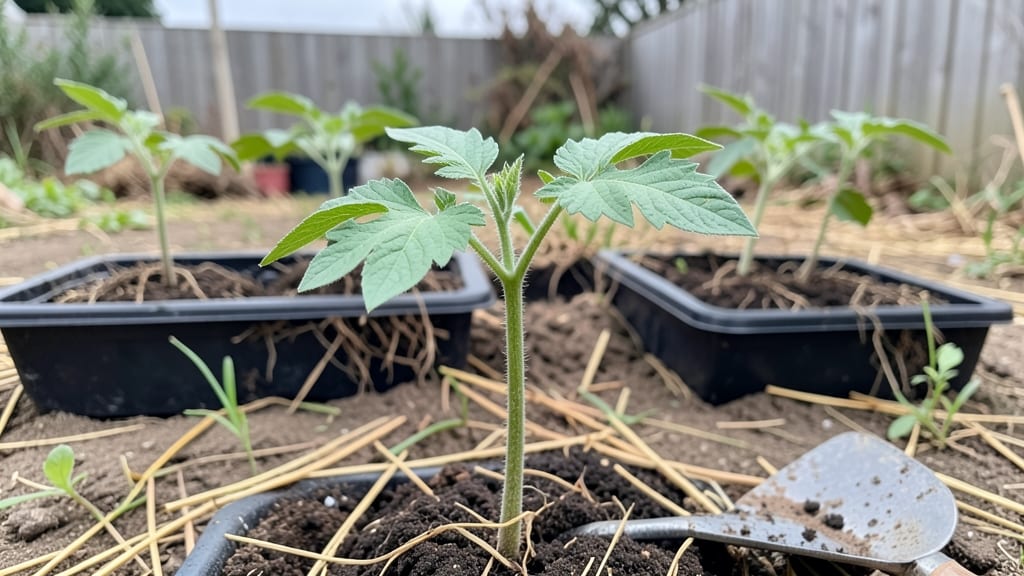
Getting your tomato planting time right means the difference between a garden full of 🍅 and a sad, stunted plant that never produces.
Timing your tomato planting down to the week can mean the difference between a bumper crop and a disappointing harvest—here’s how to get it exactly right for your climate.
Most gardeners wait until after the last frost, but that’s just the start. Soil temperature, seedling age, and even your local microclimate play a role in whether your plants thrive or struggle.
In this guide, I’ll break down the best weeks to plant by zone, how to adjust for early or late varieties, and the three critical factors beyond dates that ensure your tomatoes grow strong from day one.
Best tomato planting time by USDA hardiness Zones (week-by-week breakdown)
Getting your tomato planting time right isn’t just about avoiding frost—it’s about aligning growth stages with your local climate to maximize fruit production.
In USDA Zones 3-11, the ideal window shifts dramatically, from late April in warmer zones to early June in colder regions. Early varieties need extra attention to avoid bolting (premature flowering), while late-season tomatoes must establish roots before cooler weather arrives.
Your last frost date is the starting point, but soil temperature and daylight hours play equally critical roles. For example, in Zone 5, planting too early can expose seedlings to 50°F or lower soils, stalling root growth.
Meanwhile, Zone 10 gardeners might face heat stress if they wait too long. Let’s break down the exact weeks for each zone to ensure your plants thrive from seed to harvest.
Pro Tip: Use a soil thermometer—tomatoes won’t thrive until soil hits 60°F (15°C). Cold soil delays germination and weakens seedlings, setting the stage for disease pressure later in the season.
| USDA Zone | Last Frost Date (Avg.) | Optimal Planting Window | Early Varieties | Mid-Season Varieties | Late Varieties |
|---|---|---|---|---|---|
| Zones 3-4 | May 10–15 | May 20–June 5 | Start indoors March 15 | Transplant May 25–June 10 | Avoid—risk of early frost |
| Zones 5-6 | April 25–May 5 | May 10–June 15 | Start indoors March 1 | Transplant May 15–June 1 | June 10–20 (fast-maturing) |
| Zones 7-8 | March 20–April 10 | April 15–May 15 | Start indoors February 15 | Transplant April 20–May 5 | May 10–June 5 |
| Zones 9-10 | January 15–February 1 | February 15–April 15 | Direct sow February 1 | Transplant March 1–March 31 | April 1–May 15 (heat-tolerant) |
| Zone 11 | No frost | Year-round (avoid summer heat) | Sow September–November | Transplant January–March | April–June (shade cloth) |
*Adjust for microclimates—sheltered areas may allow earlier planting.
Notice how Zone 11 offers year-round planting but requires shade cloth during peak summer to prevent sunscald.
Meanwhile, Zones 3-4 gardeners should focus on fast-maturing heirlooms like 'Stupice' or 'Glacier' to beat the first frost. Mid-season varieties (e.g., 'Better Boy') thrive in Zones 5-8 when planted in the optimal window—any later, and you risk stunted growth.
For succession planting, stagger your transplant dates every 2 weeks in Zones 5-10. This ensures a continuous harvest and prevents bolting from heat stress.
For example, in Zone 7, plant your first batch on April 20, then add May 5 and May 20 for a 3-month harvest window.
If you’re in a transitional zone (e.g., Zone 6b with unpredictable frosts), err on the side of late planting.
A 50°F night after transplanting can kill seedlings, and recovery is slower than starting over. Row covers can extend your window by 2-3 weeks, but remove them during flowering to prevent heat buildup.
Watch for daylight length cues: tomatoes need 14+ hours of light to set fruit. In northern zones (3-5), supplement with grow lights if planting after June 20. In southern zones (9-11), prioritize heat-tolerant varieties like 'Solar Fire' or 'Heatmaster' to avoid blossom drop during 90°F+ days.
Finally, soil prep is non-negotiable. Amend beds with compost and a balanced fertilizer (10-10-10) 2 weeks before planting. Tomatoes are heavy feeders, and poor soil leads to blossom end rot or leaf curl. Test your soil’s pH (6.2–6.8)—tomatoes hate acidity!
By following these zone-specific guidelines, you’ll avoid the top 3 tomato planting mistakes: planting too early, ignoring soil temperature, and choosing the wrong variety for your climate. Now grab your seedlings and let’s get growing!
How to time tomato transplanting for maximum growth (not just survival)
Getting your tomato seedlings in the ground at the right time isn’t just about avoiding frost—it’s about giving them the best possible start for vigorous growth and high yields.
While general planting guides suggest timing around last frost dates, the real magic happens when you align three critical factors: soil warmth, seedling maturity, and even lunar cycles. These often-overlooked details can turn a struggling plant into a thriving tomato vine loaded with fruit.
I’ve learned the hard way that planting too early—even if the calendar says it’s safe—can leave your tomatoes stunted or disease-prone. The key is waiting until the soil temperature consistently stays above 50°F (10°C) and your seedlings have developed 4-6 true leaves.
But here’s the secret: the moon’s phase also plays a surprising role in how well your roots establish. Let’s break down these three game-changers so you can time your transplanting for maximum growth, not just survival.
- Soil Temperature Threshold: Wait until soil reaches 50°F+ (10°C+)—cold soil stunts root growth and invites disease. Use a soil thermometer to check depths of 2-4 inches.
- Seedling Maturity: Transplant when seedlings are 6-8 weeks old with 4-6 true leaves. Hardening off for 7-10 days before transplanting reduces shock by 60%.
- Moon Phase Timing: Plant during the waxing moon (right after the new moon) to boost root development. Avoid the waning moon for transplanting—it can lead to leggy, weak plants.
Let’s start with soil temperature, because this is where most gardeners go wrong. Many rely on air temperature or last frost dates, but tomatoes need warm soil to thrive.
If you plant in cold soil, roots struggle to absorb nutrients, and your seedlings may develop blossom end rot later in the season. I recommend using a soil thermometer to monitor temperatures at a depth of 2-4 inches—this is where the roots will first establish.
Aim for 50°F (10°C) or warmer before you transplant.
Next, seedling maturity is often underestimated. While it might be tempting to rush seedlings into the ground, waiting until they’re 6-8 weeks old with 4-6 true leaves makes a huge difference. Younger seedlings lack the energy reserves to handle transplant shock, and they’re more vulnerable to pests and diseases.
I’ve found that seedlings with strong stems and dark green leaves (not the pale, leggy ones) establish roots 3x faster after transplanting. Don’t forget to harden off your seedlings for 7-10 days before planting—gradually exposing them to outdoor conditions reduces stress by up to 60%.
Here’s a tip that might surprise you: the moon’s phase can influence how well your tomato roots develop. Planting during the waxing moon (the period after the new moon and before the full moon) aligns with the natural growth cycle of plants.
During this time, energy flows upward, encouraging strong root systems and vigorous foliage growth. On the other hand, planting during the waning moon can lead to leggy, weak plants because energy is directed toward the roots rather than the above-ground growth.
You don’t need to be a lunar expert—just check a moon phase calendar and plan your transplanting for the 7-10 days after the new moon.
Once you’ve nailed these three factors, you’ll notice a dramatic difference in your tomato plants. They’ll bolt upright instead of sprawling, develop deep roots that anchor them against wind, and produce fruit faster because they’re not struggling to establish.
For example, in my Zone 6a garden, I’ve seen tomatoes that were transplanted at the right time start flowering 2-3 weeks earlier than those planted too soon. The payoff? A longer harvest season and 20% more fruit per plant.
Pro tip: If you’re in a cooler climate, consider using black plastic mulch or row covers to warm the soil faster. This gives you an extra 1-2 weeks of planting time without risking frost damage.
And remember, even if the weather turns chilly after transplanting, your tomatoes will bounce back better if they’ve got a strong root system to begin with. With these strategies, you’re not just planting tomatoes—you’re setting them up for a season of success. 🌱