
Diseases
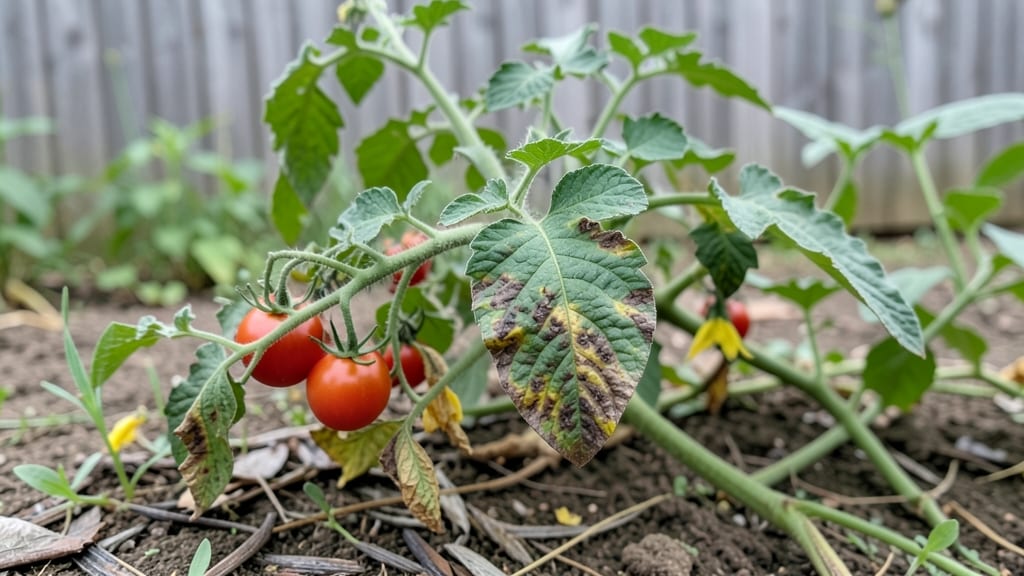
The identification of tomato plant diseases starts with spotting the right clues on leaves and stems—because catching problems early means saving your harvest. 🌱 I’ve spent years diagnosing tomato troubles, from fuzzy gray mold to crinkled yellow leaves, and the patterns are surprisingly distinct once you know what to look for.
A single brown spot could mean early blight, while sticky leaves scream aphids or whiteflies, not disease. The key is matching symptoms to causes before they spread.
Most tomato diseases fall into three categories: fungal (like blight or powdery mildew), bacterial (such as bacterial spot), or viral (like mosaic). Fungus thrives in damp conditions, so poor airflow or overhead watering turns your garden into a petri dish.
Bacterial infections often show up as water-soaked stains, while viruses distort leaves or stunt growth. The good news? Fungal and bacterial diseases respond to preventative care, while viruses usually mean removing infected plants to protect the rest.
You’ll learn to diagnose issues in minutes by comparing symptoms to clear visual guides—no guesswork. Early blight starts as small brown spots with yellow halos, while septoria leaf spot has tiny black specks in the center.
Powdery mildew looks like dust on leaves, and bacterial spot creates ragged holes. Once you spot these, simple fixes like pruning, copper sprays, or neem oil can turn things around before the disease takes hold.
This guide covers the most common diseases, plus when to pull the plug and start over. Whether you’re dealing with a single plant or a full garden, knowing these signs means you’ll act fast—and keep your tomatoes thriving. Let’s get those plants healthy again.
Root Causes Behind Tomato Troubles
Tomato plants are resilient, but they’re not invincible. When diseases strike, they rarely appear out of nowhere—there’s almost always a mix of environmental, biological, or cultural factors at play. Understanding why these issues arise is the first step to preventing them.
Below, we break down the science behind the most common tomato plant diseases, so you can spot the warning signs before they escalate.
Tomatoes thrive in specific conditions, and when those conditions shift—whether due to weather, humidity, or temperature swings—disease-causing pathogens get their chance to move in.
- Extreme Heat or Cold:
Tomatoes prefer daytime temperatures between 70–85°F (21–29°C). When nights dip below 50°F (10°C) or days soar above 90°F (32°C), plants become stressed. Weakened foliage is an open invitation for fungal infections like early blight (Alternaria solani) or bacterial spot (Xanthomonas perforans).
High heat also reduces humidity, causing leaves to dry out and crack—entry points for pathogens.
- Poor Air Circulation:
Dense foliage or overcrowded plants trap moisture, creating a perfect petri dish for fungi like late blight (Phytophthora infestans). Stagnant air prevents water from evaporating quickly, keeping leaves damp for prolonged periods. Pro tip: Prune plants to allow airflow and space them 18–24 inches apart.
- Excessive Moisture:
Overwatering or poorly drained soil leads to waterlogged roots, which suffocate the plant and invite root rot (Phytophthora spp.).
Even overhead watering can splash soil-borne pathogens onto leaves, spreading diseases like septoria leaf spot (Septoria lycopersici). Fix it: Water at the base in the morning and improve soil drainage with compost or sand.
Diseases don’t just happen—they’re caused by microorganisms (fungi, bacteria, viruses) that exploit weaknesses in your tomato plants. Here’s how they gain the upper hand:
| Disease | Culprit | How It Spreads |
|---|---|---|
| Early Blight | Fungus: Alternaria solani | Survives in infected plant debris in soil or compost. Spores spread via wind, water, or contaminated tools. |
| Late Blight | Fungus: Phytophthora infestans | Thrives in cool, wet conditions (60–77°F / 15–25°C). Spreads rapidly via rain, irrigation, or infected plants. |
| Bacterial Spot | Bacteria: Xanthomonas perforans | Enters through leaf wounds (hail, insects, pruning). Spreads via contaminated water or tools. |
| Powdery Mildew | Fungus: Oidium spp. | Loves dry, warm leaves (75–85°F / 24–29°C). Spores travel via wind or contact. |
💡 Key Takeaway: Many pathogens overwinter in old plant debris or soil. Rotating crops and cleaning tools between uses disrupts their lifecycle.
Even the most experienced gardeners can inadvertently create conditions that invite disease. Here’s how common gardening practices backfire:
- Over-Fertilizing with Nitrogen:
Too much nitrogen (_N_) promotes lush, weak foliage that’s prone to fungal infections. A balanced fertilizer (10-10-10 or 5-5-5) supports both growth and disease resistance.
- Ignoring Soil Health:
Compacted or nutrient-poor soil stresses roots, making plants vulnerable. Test your soil and amend with compost or organic matter to improve structure and microbial activity.
- Planting Too Early or Too Late:
Cold soil (below 50°F / 10°C) slows root growth, while planting in peak heat stresses seedlings. Wait until night temps stay above 55°F (13°C) for optimal germination and growth.
- Skipping Disease-Resistant Varieties:
Some tomato cultivars (like ‘Mountain Merit’ or ‘Defiant PhR’) are bred to resist common diseases. If your garden is prone to blight or spot, choose hybrids with built-in defenses.
🎯 Prevention Starts Here: By addressing these root causes—whether it’s adjusting your watering routine, upgrading your soil, or selecting the right plants—you’ll give your tomatoes the best shot at staying healthy. Next up: How to diagnose these issues before they ruin your harvest.
Quick Fixes for Common Tomato Ailments
Tomato plants are tough, but they need the right care to bounce back from disease. Below, we’ve mapped out practical solutions for each issue—plus prevention tips to keep your plants thriving. Think of this as your emergency repair kit for tomato troubles!
Fix:
- 🔥 Prune & Remove – Snip off infected leaves (especially lower ones) and toss them in the trash (not compost). Disinfect pruners with rubbing alcohol between cuts.
- 🍳 Spray Copper Fungicide – Apply a 1% copper-based spray (like Bordeaux mixture) every 7–10 days until new growth appears. Why? Copper disrupts fungal spores without harming plants.
- 🌡️ Boost Airflow – Space plants 18–24 inches apart and stake them to improve circulation. Wet leaves = fungal paradise.
Prevent It:
- 💡 Rotate crops – Avoid planting tomatoes (or nightshades) in the same spot for 3+ years.
- ✨ Mulch with straw – Keeps soil moist at the roots but dry near the stem, discouraging spores.
- 🎯 Start strong – Choose resistant varieties like ‘Mountain Merit’ or ‘Defiant PhR.’
Fix:
- 🚨 Emergency Pruning – Remove all infected foliage (even if it’s 50% healthy) and burn or bag it (do not compost).
- 👨🍳 Serenade or Neem Oil – Spray Serenade ASO (biological fungicide) or neem oil (1 tbsp per gallon of water + soap) every 5–7 days. Pro tip: Apply in the early morning to avoid plant stress.
- 🌧️ Water at the Base – Use drip irrigation or water early in the day so leaves dry quickly.
Prevent It:
- 🔥 Cull volunteers – Remove any wild tomato plants (like nightshade weeds) nearby—they’re late blight’s favorite hiding spot.
- 🌡️ Plant in warm soil – Wait until soil temps hit 60°F+ before transplanting; cooler temps weaken plants.
- 🎯 Copper + Baking Soda Spray – Mix 1 tsp baking soda + 1 tbsp oil + 1 tsp soap per gallon of water as a preventive spray.
Fix:
- 🔪 Shear Strategically – Cut off only the worst spots (not whole leaves) to preserve photosynthesis. Sterilize tools between cuts!
- 🥘 Baking Soda Remedy – Spray 1 tbsp baking soda + 1 tsp soap + 1 gallon water weekly to raise leaf pH and inhibit spores.
- 🌿 Mulch with Plastic – Lay down black plastic mulch to block spore splash from soil.
Prevent It:
- 💡 Water deeply but less often – Aim for 1–1.5 inches per week and avoid overhead watering.
- 🌡️ Space for sunlight – Thin plants so light penetrates the canopy; shade encourages spots.
- ✨ Solarize soil – In fall, cover soil with clear plastic for 4–6 weeks to kill spores.
Fix:
- 🚫 Stop Watering at the Top – Switch to drip irrigation immediately to prevent spore splash.
- 🍳 Hydrogen Peroxide Soak – Soak roots in 3% hydrogen peroxide (1 part to 20 parts water) for 10 minutes before replanting (if caught early).
- 🌱 Replace Infected Plants – If wilt appears, pull and destroy the plant (do not compost). Solarize the soil afterward.
Prevent It:
- 🔥 Choose resistant varieties – Try ‘Mountain Spring’ (Fusarium-resistant) or ‘Defiant’ (Verticillium-tolerant).
- 🌡️ Test soil pH – Aim for 6.0–6.8; high pH (alkaline) worsens Fusarium.
- 🎯 Crop rotation + cover crops – Plant marigolds or mustard greens before tomatoes to suppress soil-borne pathogens.
Fix: 1. 🧼 Soap & Water Blast – Spray leaves with 1 tbsp horticultural oil + 1 tsp soap per gallon of water and scrub gently with a soft brush.
- 🍳 Neem Oil or Potassium Bicarbonate – Mix 1 tbsp neem oil + 1 tsp soap per gallon or 1 tbsp baking soda + 1 tsp oil + 1 tsp soap and spray every 7 days.
- 🌿 Prune for Light – Thin vines to improve airflow—powdery mildew loves shade and humidity.
Prevent It:
- 💡 Space plants 2–3 feet apart – Crowding = mildew’s best friend.
- 🌡️ Avoid night watering – Wet leaves at night = mildew buffet.
- ✨ Reflect sunlight – Place white reflective mulch or mirrors near plants to boost UV, which mildew hates.
Fix:
- 🔪 Prune & Burn – Remove all infected leaves and sterilize tools with bleach (1 part bleach to 10 parts water).
- 🍳 Copper Spray Only – No organic options work—use copper fungicide every 5–7 days until new growth appears.
- 🚫 Stop Harvesting Infected Fruit – Bacteria can linger in tomatoes; compost them only if cooked (e.g., sauces).
Prevent It:
- 🔥 Sanitize everything – Clean pruners, trellises, and containers with bleach water between uses.
- 🌡️ Plant in warm, dry climates – Bacterial spot thrives in humid, rainy conditions.
- 🎯 Use row covers – Floating row covers block bacterial splash from overhead watering.
Fix:
- 🚿 Blast Off with Water – Spray aphids directly with a strong stream of water to knock them off.
- 🍳 Insecticidal Soap – Mix 1.5 tbsp castile soap + 1 quart water and spray every 3–4 days.
- 🐝 Introduce Predators – Release ladybugs or lacewings (buy online) to eat mites and aphids naturally.
Prevent It:
- 💡 Inspect new plants – Quarantine store-bought seedlings for 2 weeks before planting.
- 🌿 Plant companions – Marigolds, basil, or nasturtiums repel pests.
- 🎯 Yellow sticky traps – Hang near plants to catch flying adults.
| Problem | Quick Fix | Prevent It |
|---|---|---|
| Fungal diseases | Copper spray + prune infected parts | Mulch, rotate crops, improve airflow |
| Bacterial issues | Copper only + remove infected fruit | Sanitize tools, avoid overhead water |
| Pests | Soap spray + predators | Companion planting, sticky traps |
| Weak plants | Fertilize (low-nitrogen) + stake | Test soil pH, choose resistant varieties |
Final Tip: 🌡️ When in doubt, act fast. Most tomato diseases spread within 48 hours—don’t wait until it’s
Frequently asked questions about tomato plant diseases
How can I tell if my tomato leaves have early blight vs. bacterial spot?
Look for these key differences: Early blight shows brown spots with yellow halos that develop concentric rings, while bacterial spot creates small, water-soaked stains that turn tan with dark edges. Early blight targets lower leaves first, while bacterial spot spreads upward and often appears on fruit too. Pro tip: Use a magnifying glass to check for bacterial ooze on spots.
Why do my tomato plants get powdery mildew even when I water at the base?
Powdery mildew thrives on dry, warm conditions (75–85°F) and poor airflow, not just moisture. Overcrowded plants or dense foliage trap humidity even when you water correctly. Thin your plants, space them 2–3 feet apart, and avoid night watering to prevent overnight dampness that mildew loves.
Can I save a tomato plant with late blight, or should I remove it immediately?
Remove it immediately—late blight spreads rapidly and can destroy your entire crop in 48 hours. Burn or bag infected plants (don't compost) and disinfect tools with bleach. Even if only 10% of leaves show signs, the spores are already airborne. Solarize the soil afterward to kill remaining pathogens.
What’s the fastest way to stop fungal spores from spreading between plants?
Disinfect your tools with rubbing alcohol or bleach water (1:10 ratio) between cuts, and remove infected leaves before they touch healthy ones. Use a copper fungicide spray (like Bordeaux mixture) every 7–10 days to disrupt spores. Boost airflow by pruning and staking plants—fungi can’t survive without damp leaves.
Are there any tomato varieties that naturally resist most diseases?
Yes! Look for disease-resistant hybrids like ‘Mountain Merit’ (resists verticillium wilt and fusarium), ‘Defiant PhR’ (blight-resistant), or ‘Celebrity’ (early blight-resistant). These varieties are bred to tolerate common pathogens, reducing your need for chemical sprays. Check seed packets for codes like "V" (verticillium-resistant) or "F" (fusarium-resistant).