Diseases
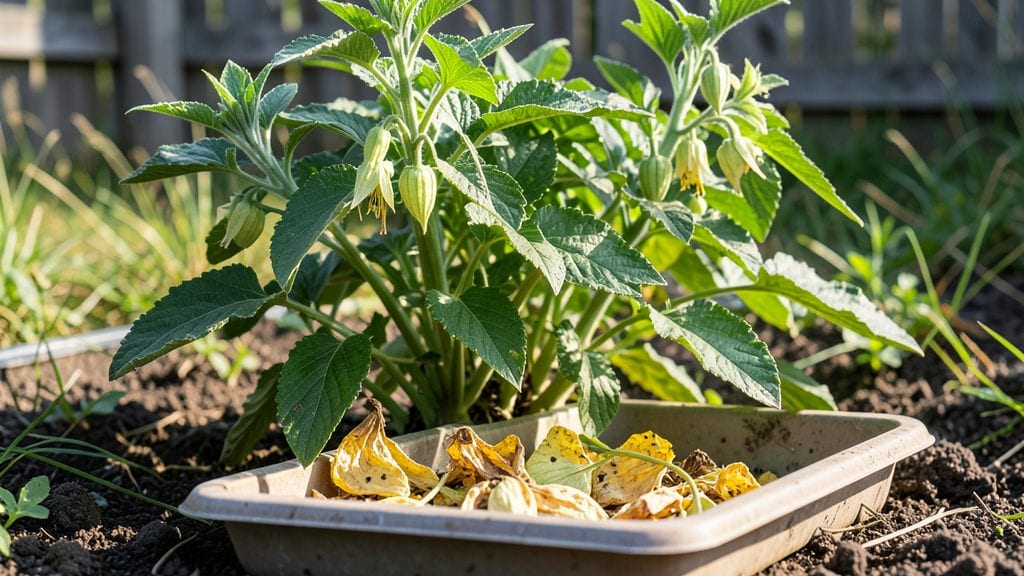
Tomatillo plant diseases can turn your harvest from abundant to anemic if you don’t spot them early. I’ve battled bacterial spot, powdery mildew, and fungal infections in my own garden, and the key is catching symptoms before they spread.
Those dark spots on leaves or white dusty patches aren’t just cosmetic—they’re warnings your plants are fighting for their lives.
Most of these problems start with moisture—either too much from overhead watering or not enough airflow between plants. My tomatillos thrived once I switched to drip irrigation and pruned for better circulation.
Organic remedies like neem oil or baking soda sprays work wonders when applied at the first sign of trouble, but prevention is easier than cure.
You’ll save your crop by acting fast: snip off infected leaves, adjust watering habits, and keep the garden clean. Healthy plants stay productive, with bright green foliage and papery husks that hide sweet, tangy fruits.
The difference between a struggling patch and a bountiful harvest often comes down to these simple checks.
This works for backyard gardens, containers, or even greenhouse setups. Whether you’re growing in Texas heat or Pacific Northwest chill, the same principles apply—watch, adjust, and protect. Let’s get those tomatillos back in fighting shape.
Root Causes of Tomatillo Struggles
Tomatillo plants, with their delicate green husks and vibrant flavors, can fall prey to diseases that disrupt their growth and productivity. Understanding why these issues arise is the first step to prevention.
Below, we break down the key factors that create the perfect storm for tomatillo plant diseases—from environmental stressors to microbial invaders.
Tomatillos thrive in warm, stable conditions but are highly sensitive to extreme fluctuations. When temperatures dip below 50°F (10°C) or climb above 90°F (32°C) for prolonged periods, their immune response weakens, making them vulnerable to fungal infections like Phytophthora blight or Alternaria leaf spot.
- Why it happens: Cold temperatures slow metabolic processes, while excessive heat increases plant stress and transpiration, creating moisture-laden foliage—ideal for fungal spores.
- Humidity’s role: High humidity (above 75%) without airflow traps moisture on leaves, promoting Botrytis cinerea (gray mold) and Septoria leaf spot. Conversely, low humidity can lead to powdery mildew if the plant’s waxy coating is compromised.
- Actionable fix: Use shade cloth in peak summer and row covers in spring/fall to moderate temperature swings. Space plants 18–24 inches apart for airflow.
Tomatillos despise soggy roots and wet foliage. Unlike tomatoes, they’re more prone to root rot and foliar diseases when watered improperly. The issue stems from three key mistakes:
| Problem | Why It Happens | Disease Risk |
|---|---|---|
| Overhead irrigation | Water droplets linger on leaves, creating a film that fungal spores (e.g., Phytophthora) can penetrate. | Leaf spots, blights, powdery mildew |
| Poor drainage | Clay-heavy or compacted soil holds excess water, suffocating roots and inviting Pythium or Fusarium. | Root rot, damping-off (seedlings) |
| Inconsistent watering | Drought stress weakens plants, while sudden soaking after dry spells shocks roots, opening gates for pathogens. | Cracked stems, bacterial wilt |
💡 Pro Tip: Water at the base of plants in the morning (6–8 AM) to allow foliage to dry by night. Amend soil with compost or perlite to improve drainage, and avoid watering within 24 hours of harvest to prevent husk rot.
Diseases don’t just appear—they hitchhike on vulnerabilities. Tomatillos are especially at risk when their protective barriers are breached or their health is compromised.
- Physical damage:
- Hail, strong winds, or rough handling (e.g., harvesting with sharp tools) create entry wounds for bacteria like Xanthomonas campestris (bacterial spot).
- Solution: Use pruners dipped in rubbing alcohol and stake plants to prevent wind damage.
- Nutrient deficiencies:
- Lack of calcium (blossom-end rot) or magnesium (yellowing leaves) weakens cell walls, making plants susceptible to Botrytis.
- Solution: Side-dress with crushed eggshells (calcium) or Epsom salt (magnesium) mid-season.
- Pest stress:
- Aphids, spider mites, and tomato hornworms inject saliva or chew tissue, creating gateways for secondary infections.
- Solution: Monitor plants weekly and treat pests with neem oil or soapy water before they cause damage.
Tomatillo diseases often trace back to residual pathogens in the growing environment. Soilborne diseases like Verticillium wilt or Nematodes can persist for years, while tools spread bacteria and fungi across plants.
- Why soil becomes a breeding ground:
- Planting in the same spot year after year without rotation exhausts soil microbes and accumulates pathogens.
- Using fresh manure (not composted) introduces harmful bacteria like E. coli or Salmonella.
- Tool-borne spread:
- Pruners, trellises, or even gloves can transfer Pseudomonas (bacterial leaf spot) from infected to healthy plants.
- Solution: Sterilize tools with 10% bleach solution or 70% isopropyl alcohol between uses.
- 🔥 Prevention tip: Practice 3-year crop rotation and test soil for pH (6.0–7.0 ideal for tomatillos) and pathogens before planting.
Tomatillos need personal space—when plants are packed too closely, humidity rises, leaves shade each other, and diseases spread like wildfire. Here’s the science:
- Reduced airflow: Stagnant air traps spores and bacteria, while high humidity (above 80%) encourages Alternaria and Septoria.
- Competition for nutrients: Overcrowded roots compete for water and minerals, weakening plants and making them 3x more susceptible to stress-related diseases.
- Solution:
- Space plants 18–24 inches apart in rows 3 feet apart.
- Use vertical trellises to elevate foliage and improve airflow.
- Thin seedlings to the strongest 2–3 per hill to reduce competition.
Practical fixes for tomatillo troubles
When your tomatillo plants show signs of distress, acting fast with the right organic remedies can save your harvest—and your sanity. Below, we map out cause-specific solutions to get your plants thriving again, plus prevention tips to keep future problems at bay. No harsh chemicals here—just garden-friendly fixes!
🔥 Early Blight or Late Blight?
If you spot brown, crusty spots on leaves (early blight) or yellowing, greasy patches (late blight), prune infected foliage immediately with sterilized shears. 🔪 - 👨🍳 Spray Solution: Mix 1 tbsp baking soda + 1 tsp dish soap + 1 gallon water.
Spray both sides of leaves every 7–10 days. - 🌡️ Prevent Moisture: Space plants 18–24 inches apart for airflow. Water at the base early in the morning to let leaves dry fast. - ✨ Pro Tip: Interplant with marigolds or basil—they repel fungal spores naturally!
🍄 Powdery Mildew
White, powdery residue on leaves? Scrape it off gently with a soft brush, then: - 🥘 Homemade Remedy: Blend 1 cup milk + 9 cups water.
Spray weekly (milk’s fatty acids fight fungi!). - 💡 Prevention: Mulch with straw to reduce soil splashes. Avoid overhead watering.
🍅 Bottom Rot (Phytophthora)
Soggy, blackened stems? Pull affected plants and disinfect soil with a 1:10 hydrogen peroxide solution (3% strength). 🧪 - 🌱 Fix Drainage: Amend heavy clay soil with compost or perlite.
Raise beds if water pools. - 🎯 Long-Term: Plant tomatillos in well-draining soil and rotate crops yearly.
🐜 Aphids or Spider Mites Tiny pests sucking leaves? Blast them off with a strong stream of water, then: - 🍳 Neem Oil Spray: Mix 2 tbsp neem oil + 1 tsp mild soap + 1 quart water.
Spray undersides of leaves at dusk. - 🌿 Companion Plants: Plant dill or nasturtiums nearby—aphids prefer them over tomatillos!
🐛 Tomatillo Borers Hollow stems or frass (sawdust-like droppings)?
Handpick larvae (wear gloves!) or: - 🔪 Prune Infested Stems: Cut 2 inches below damage, then burn or compost (don’t reuse in garden). - 💡 Prevention: Wrap stems with copper tape (borers hate it) or use BT (Bacillus thuringiensis) spray.
🍂 Yellow Leaves (Nitrogen Deficiency)
Pale, yellowing leaves? Feed plants with:
- 🥘 Compost Tea: Steep 1 cup compost in 5 gallons water for 24 hours. Strain and water plants.
- 💪 Quick Fix: Side-dress with alfalfa meal (high in nitrogen) or fish emulsion.
🍅 Poor Fruit Set (Calcium Lack)
Blossoms drop or fruits stay small? Sprinkle crushed eggshells around the base or use calcium nitrate (follow package rates).
Want to avoid future struggles?
Follow these easy habits: - 🌡️ Rotate Crops: Never plant tomatillos in the same spot two years in a row. - 💧 Water Wisely: Drip irrigation beats overhead sprinklers to keep foliage dry. - 🌿 Clean Up: Remove fallen leaves/debris to starve pests and fungi. - 🌱 Start Strong: Buy disease-resistant varieties like ‘Purple de Milpa’** or ‘Green Mexican.’
Remember: Consistency is key! Check plants weekly for early signs, and your tomatillos will reward you with bursts of tangy, homegrown flavor all season. Happy gardening! 🌱🍅
Frequently asked questions about tomatillo plant diseases
What are the most common signs of fungal infections in tomatillo plants?
Look for powdery white residue (powdery mildew), dark brown spots with yellow halos (early blight), or soggy, blackened stems (bottom rot). These appear on leaves, stems, or husks when humidity stays high or airflow is poor.
Can I save my tomatillos if they already have bacterial spot?
Remove infected leaves immediately with sterilized pruners, then apply a copper fungicide spray (organic options include baking soda mix: 1 tbsp baking soda + 1 tsp dish soap + 1 gallon water). For severe cases, consider replacing heavily infected plants to prevent spread.
Why do my tomatillo plants get yellow leaves even with plenty of water?
Yellowing leaves often signal nutrient deficiencies (like nitrogen or magnesium) or overwatering. Test soil pH (ideal: 6.0–7.0) and amend with compost or Epsom salt. Avoid watering at night to prevent fungal growth.
How do I prevent diseases when growing tomatillos in containers?
Use well-draining potting mix with perlite, water at the base (never overhead), and ensure containers have drainage holes. Space plants 18–24 inches apart for airflow, and rotate containers yearly to avoid soilborne pathogens.
Are there disease-resistant tomatillo varieties I should consider?
Opt for ‘Purple de Milpa’ or ‘Green Mexican’ varieties, which show better resistance to common fungal and bacterial issues. These hybrids also handle heat and humidity better than heirloom types.