
Planting
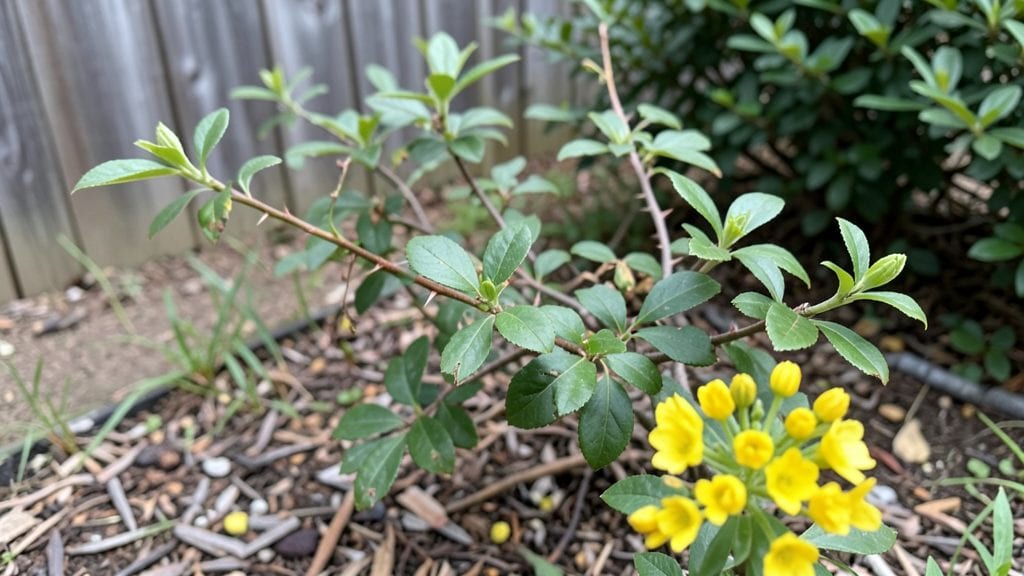
Transforming desert landscapes with a striking thorny bush plant like the prickly pear cactus turns barren spaces into low-maintenance focal points—though I learned the hard way that planting these beauties isn’t just about sticking them in the ground. climate and soil.
My first attempt nearly died from overwatering, but now I've got a thriving patch that handles 110-degree days with ease.
These cacti thrive in full sun and well-draining soil, which means sandy or rocky ground works perfectly for desert gardens. You'll need gloves and long sleeves for handling—those spines are no joke—but the payoff is worth it.
Varieties like the blue or purple prickly pear add vibrant color while requiring almost no water once established.
Pruning is simple: just remove dead pads or overgrown sections in early spring. They're drought-resistant, so forget regular watering—just give them a good soak every few weeks after planting. Pests are rare, but watch for cochineal scale if you notice sticky residue on pads.
Perfect for xeriscaping, firebreaks, or as a dramatic border plant. With the right placement, these cacti become the backbone of your desert garden while needing almost no care. Let's get yours growing strong!
📚 In This Guide
- What you need
- Instructions
- Tips and common mistakes
- Wrapping up and next steps
What you need
- ● Prickly pear cactus plant: 1 mature plant (nursery-grown, 1–3 ft tall) or
- ● 3–5 healthy pads (cuttings) from a thriving cactus or
- ● Seeds (10–20, from a trusted supplier)
- ● Well-draining soil: 50% cactus/succulent mix (sterile, gritty)
- ● 30% perlite or pumice (for aeration)
- ● 20% coarse sand or gravel (prevents root rot)
- ● Container or planting site: Pot option: 1–2 gallon container per plant (with drainage holes)
- ● Outdoor option: Full-sun spot with rocky, alkaline soil (pH 6.0–7.5)
- ● Tools: 1 pair of sterilized pruning shears (for cuttings)
- ● 1 garden trowel (for transplanting)
- ● 1 spray bottle (for seedling misting)
- ● Safety gear: 1 pair of thick gardening gloves (leather or cactus-specific)
- ● 1 long-sleeved shirt (to avoid prickles)
- ● 1 slow-release fertilizer (balanced 10-10-10, for established plants)
- ● 1 mulch (gravel or crushed rock, to retain heat)
- ● 1 humidity dome (for seedling germination)
- ● 1 pH test kit (to check soil alkalinity)
- ● 1 watering can with a narrow spout (to avoid wetting pads)
Step-by-Step instructions for planting and caring for prickly pear cactus
Here’s how to establish a thriving prickly pear cactus in your desert landscape with minimal fuss.
Select the Perfect Planting Location
Prickly pear cactus thrives in full sun—at least 6-8 hours daily—so choose a spot with unobstructed southern or western exposure. These plants despise soggy roots, so avoid low-lying areas where water pools after rain. I always test the soil by digging a 6-inch hole and checking for drainage; if water lingers for more than an hour, amend the soil with 1-2 inches of coarse sand or gravel to improve drainage.
If you’re planting in USDA Hardiness Zones 3-11, you’ll have success, but zones 9-11 offer ideal conditions. In hotter climates, provide afternoon shade during the peak summer months to prevent sunburn on young pads. Watch for yellowing or wilting—these are clear signs the plant needs better drainage or more sunlight.
Prepare the Soil and Plant the Cactus
Use fast-draining cactus or succulent soil mix—never garden soil, which retains too much moisture. Amend native soil with 20% perlite or pumice to create air pockets for roots. Dig a hole twice as wide as the cactus’s root ball but only as deep as the container it came in; planting too deep suffocates the roots.
Gently remove the cactus from its container and place it in the hole, backfilling with soil while tapping the sides to eliminate air pockets. Water lightly only after planting to settle the soil—overwatering at this stage causes rot. I like to wait 3-5 days before watering again to let the roots adjust to their new environment.
Water Sparingly and Monitor Growth
Prickly pear cactus stores water in its pads, so water deeply but infrequently. In the first 2-3 weeks, water once every 2 weeks if the soil feels dry 2 inches below the surface. After establishment, reduce watering to once every 3-4 weeks in winter and once a month in summer—unless your area experiences extreme heat or drought.
You’ll know it’s thriving when new pads (paddle-shaped leaves) emerge from the base. Avoid fertilizing for the first 6 months; these plants prefer lean soil. If you notice blackened or mushy pads, you’re overwatering—cut back immediately and let the soil dry completely before watering again.
Prune and Protect as Needed
Pruning isn’t usually necessary, but if you want to control size or shape, remove overly long or damaged pads with sterilized pruning shears in late winter. Wear thick gloves—those spines pack a punch! After pruning, let the cuts dry for 24 hours before watering to prevent rot.
Protect young plants from pests like cochineal scale by inspecting pads regularly. Wipe off any white, cottony growth with a soapy sponge (mix 1 tablespoon mild dish soap with 1 gallon water). Mature prickly pears are tough and rarely need intervention, but keeping an eye out early saves headaches later.
Overwinter for Long-Term Success
In colder climates (Zones 3-7), mulch the base with 2-3 inches of gravel in fall to insulate roots from freezing. Prickly pear can handle brief dips to 10°F, but prolonged cold below 20°F may damage pads. If your winters drop below 15°F, cover the plant with burlap or frost cloth during hard freezes.
Reduce watering to once every 6-8 weeks in winter, as the plant enters dormancy. You’ll see new growth in early spring—that’s your cue to resume regular care. Over time, your prickly pear will spread naturally, creating a striking, low-maintenance desert landscape feature.
Tips & tricks for perfect prickly pear cactus care
Growing a thriving prickly pear cactus comes down to understanding its desert roots—and avoiding these common pitfalls will make all the difference.
Sunlight Strategy: The 6-8 hours of full sun requirement is non-negotiable, but here's what I've learned: In Step 1, if you notice new pads turning yellow or looking wilted after just a few days, you're either in too much shade or dealing with afternoon sunburn. Try moving your plant slightly each week to find that sweet spot of morning sun with afternoon shade during peak summer months—this gradual adjustment prevents shock while letting the plant adapt.
Soil Science: When preparing your planting hole in Step 2, don't just eyeball the 20% perlite or pumice amendment. I've found that mixing these amendments directly into your native soil creates better results than just adding them to the hole. For the 6-inch drainage test, use a trowel to make a small hole and pour water in—if it drains completely within 30 minutes, you're good to go. The goal is to mimic the fast-draining conditions of its natural desert habitat.
Watering Wisdom: The 2-3 week watering schedule in Step 3 might seem strict, but here's the secret: Stick your finger 2 inches into the soil before watering—if it feels completely dry, it's time. I've ruined multiple cacti by overwatering during the establishment phase, so remember this rule: When in doubt, wait another week. The plant's pads are designed to store water, so it can handle more drought than you might think.
Winter Protection: For those in Zones 3-7, the 10°F tolerance is impressive, but don't test it with young plants. I've seen firsthand how 2-3 inches of gravel mulch in Step 5 makes all the difference during those first few winters. The key is placing the gravel around the base, not piling it directly against the stem, which can cause rot. And if you're using frost cloth, secure it loosely—tight fabric can trap too much moisture against the pads.
Pro Tips for Thorny Bush Plant
- Growing a thriving prickly pear cactus comes down to understanding its desert roots—and avoiding these common pitfalls will make all the difference.
- Try moving your plant slightly each week to find that sweet spot of morning sun with afternoon shade during peak summer months—this gradual adjustment prevents shock while letting the plant adapt.
- Soil Science: When preparing your planting hole in Step 2, don't just eyeball the 20% perlite or pumice amendment.
Frequently asked questions
Got questions about growing and caring for your thorny bush plant? You’re not alone—many gardeners wonder about timing, safety, and maintenance. Here are answers to the most common questions to help you thrive with your prickly pear cactus!
When is the best time to plant a prickly pear cactus?
Plant your Opuntia species in early spring or late fall when temperatures are mild (60–80°F). Avoid extreme heat or frost, as young plants are sensitive. If you’re in a hot desert climate, plant in late afternoon to reduce transplant shock.
How do I protect myself from thorns and spines?
Always wear thick gardening gloves and long sleeves when handling prickly pears. Use tongs to move pads, and avoid touching the areoles (where spines grow). If a spine breaks off, don’t squeeze it—use tweezers to remove it safely. A first-aid kit with antiseptic is a must!
How often should I water a prickly pear cactus?
Water deeply but infrequently—about every 2–3 weeks in summer and monthly in winter. Overwatering causes root rot, so let soil dry completely between waterings. Desert natives like well-draining soil—mix in sand or gravel if your soil is heavy.
Can I grow prickly pear in containers?
Yes! Use a large pot (at least 12 inches deep) with drainage holes and cactus/succulent mix. Repot every 2–3 years to refresh soil. Place containers in full sun (6+ hours daily) and avoid overcrowding—prickly pears need space to grow.
What pests should I watch for, and how do I treat them?
Common pests include cochineal scale (tiny red bugs) and mealybugs. Treat with neem oil or insecticidal soap, or wipe off pests with a damp cloth. For severe infestations, prune affected pads and dispose of them carefully (don’t compost!).
How do I prune a prickly pear cactus?
Prune in late winter or early spring to remove dead, damaged, or overcrowded pads. Use sterilized pruners and cut at a 45° angle. Wear gloves and goggles—spines fly! Save cuttings to propagate new plants.
Can prickly pears survive winter frost?
Most species tolerate light frost (25–30°F), but prolonged cold (<20°F) can damage or kill them. Protect young plants with mulch or burlap wraps. In freezing climates, grow them in containers and move indoors or use a cold frame.
Wrapping up and next steps
Growing a thorny bush plant like the Prickly Pear Cactus is a rewarding journey—perfect for adding texture and desert charm to your landscape! With the right soil, sunlight, and care, these resilient plants thrive while requiring minimal upkeep.
Whether you’re a beginner or a seasoned gardener, their striking beauty and adaptability make them a standout choice for arid climates.
Ready to take the next step? Start by selecting a sunny spot in your yard, gather your supplies, and watch your prickly pear flourish! 🌵✨ Happy planting!