Plants
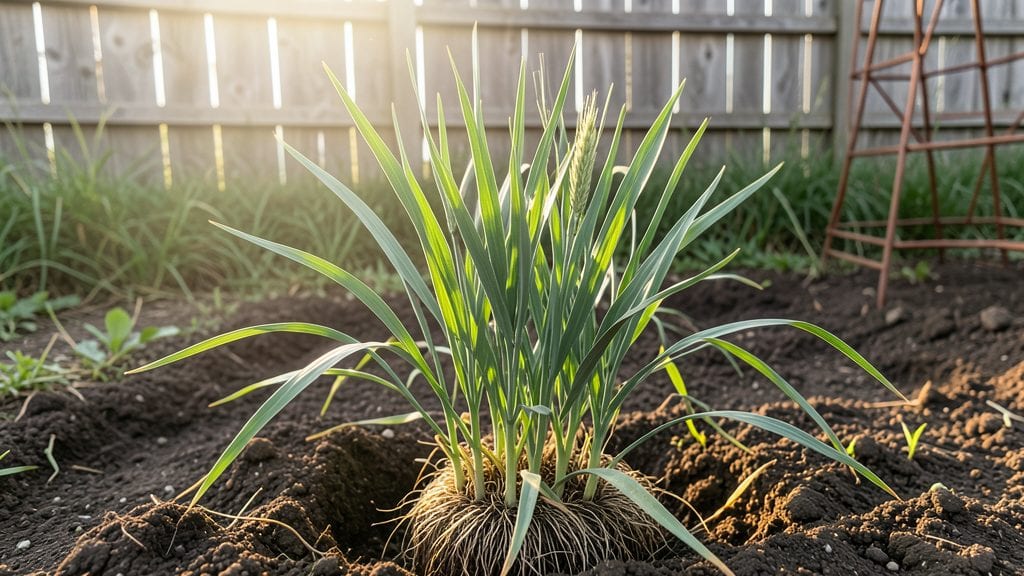
That tall, golden wheat-looking plant swaying in your garden isn’t just for show—it’s a low-maintenance, drought-tolerant superstar. 🌾 I’ve grown wheatgrass and ornamental grasses for years, and they’ve transformed my yard into a sunlit sea of texture without the fuss of traditional lawns.
The trick is matching the right variety to your space: wheatgrass thrives in small pots or as a living snack, while Miscanthus or Pennisetum reach skyward with minimal care. Most need full sun and well-draining soil—no fancy amendments required. Even my black thumb keeps these plants alive year after year.
You’ll end up with a garden that moves with the breeze, filters air pollutants, and stays green even when summer forgets to rain. The best part? These plants work as borders, accents, or standalone stars—no pruning, no fuss, just effortless beauty.
Perfect for beginners, small spaces, or anyone tired of mowing. Let’s get your yard swaying with style!
Root Causes of Grass-Like Growth
If your wheatgrass or intended crop suddenly sprouts up looking like wild grass instead of the lush, wheat-like shoots you expected, don’t panic—there’s usually a logical explanation. Understanding these causes can help you troubleshoot and adjust your growing conditions for healthier, more predictable results.
Below are the most common reasons why your plants might be developing a grass-like appearance, along with clear, actionable insights to address them.
Wheatgrass thrives on bright, direct light—typically 12 to 16 hours daily—to develop its signature thick, wheat-like blades. When light is limited, plants stretch toward any available source (a phenomenon called etiolation), resulting in tall, thin, and grass-like stems.
This is especially common in indoor setups with weak grow lights or windows that don’t receive enough sunlight.
Why it happens:
- Chlorophyll production slows without adequate light, causing weak stems.
- Cell elongation speeds up as the plant desperates for light, leading to leggy, grassy growth.
- Red and blue light spectrums (critical for photosynthesis) are often missing in standard household lighting.
How to fix it:
- Move your tray to a south-facing window (or use a grow light if natural light is insufficient).
- Use a full-spectrum LED grow light (10,000–20,000 Kelvin) 6 inches above the plants for 14–16 hours/day.
- Rotate trays daily to ensure even light exposure and prevent leaning.
Wheatgrass is not drought-tolerant, but excessive moisture can trigger weak, grass-like growth. Overwatering leads to:
- Root rot (fungal/bacterial infections that weaken stems).
- Nutrient dilution (waterlogged soil flushes out essential minerals).
- Oxygen deprivation (roots suffocate, stunting growth).
Why it happens:
- Compacted or non-porous soil holds too much water, suffocating roots.
- No drainage holes in containers trap excess moisture.
- Frequent watering (especially without checking soil moisture) encourages fungal growth.
How to fix it:
- Use a well-draining mix (50% organic potting soil + 50% perlite or coconut coir).
- Water only when the top ½ inch of soil feels dry (stick your finger in to test).
- Elevate trays slightly to improve airflow and prevent water pooling.
- Skip watering for 1–2 days if soil feels soggy to reset moisture levels.
Wheatgrass prefers moderate, stable temperatures (60–75°F / 15–24°C) and moderate humidity (40–60%). Extreme heat, cold drafts, or high humidity can stress plants, leading to thin, grass-like regrowth instead of robust wheatgrass.
Why it happens:
- Cold stress (below 50°F / 10°C) slows metabolism, causing weak stems.
- Heat stress (above 85°F / 30°C) accelerates transpiration, dehydrating leaves.
- High humidity (above 70%) promotes powdery mildew or rust, weakening foliage.
How to fix it:
- Keep trays in a consistent environment (avoid drafts from AC/heaters).
- Use a small fan on low speed to improve air circulation and reduce humidity.
- If growing indoors, place trays away from kitchen/bathroom steam or outdoor humidity spikes.
- Mist lightly in dry climates (early morning only) to maintain 50% humidity.
If you harvest wheatgrass too early (before 7–10 days) or over-sow seeds too densely, the plants compete for resources, resulting in thin, grass-like shoots instead of thick, wheat-like blades.
Why it happens:
- Competition for nutrients forces plants to grow tall and thin to reach light.
- Early harvesting cuts off the plant’s ability to develop its full structure.
- Seed density > 2–3 seeds per square inch leads to overcrowding and weak stems.
How to fix it:
- Space seeds 1–2 inches apart for optimal growth (or use a seed spreader for even distribution).
- Harvest at the 7–10 day mark when blades are 3–6 inches tall and golden-green.
- Thin seedlings if overcrowded—snip excess plants at soil level to give remaining ones room.
- Use a larger tray (12x24 inches) for better air circulation and growth.
Not all "wheatgrass" seeds are created equal! Some contaminated or mislabeled seeds may sprout into wild grass, rye, or barley**, which grow differently from true wheatgrass (Triticum aestivum). Even organic seeds can cross-contaminate during processing.
Why it happens:
- Cheap or bulk seeds often mix wheatgrass with ryegrass, barley, or oats, which grow taller and thinner.
- Old or expired seeds may sprout erratically, leading to uneven growth.
- Weed seeds (like crabgrass) can hitchhike in low-quality soil or seed packets.
How to fix it:
- Buy certified organic wheatgrass seeds from reputable suppliers (e.g., Sproutpeople, Living Foods, or local health stores).
- Test a small batch before full sowing to confirm the seed type.
- Use sterile potting mix (avoid garden soil, which may contain weed seeds).
- Discard contaminated trays and sanitize containers with 10% bleach solution before reseeding.
Wheatgrass is light on heavy fertilizers but still needs balanced micronutrients for strong growth. Deficiencies in nitrogen, magnesium, or iron can cause weak, grass-like regrowth.
Why it happens:
- Over-fertilizing with nitrogen leads to leafy but weak stems (too much soft growth).
- Lack of magnesium causes yellowing between veins (interveinal chlorosis), weakening structure.
- Iron deficiency results in pale, grass-like leaves (common in alkaline soils).
How to fix it:
- Use a mild, organic fertilizer (e.g., fish emulsion or seaweed extract) diluted to half-strength every 3–4 days.
- Avoid synthetic fertilizers—they can burn young wheatgrass roots.
- Add Epsom salt (magnesium sulfate) to water (1 tsp/gallon) if leaves yellow.
- Test soil pH (ideal: 6.0–7.0)—add sulfur if alkaline to boost iron availability.
Hidden pests like fungal spores, aphids, or soil nematodes can weaken wheatgrass, causing it to grow thin, grass-like, and stunted. Early signs are often missed because pests target roots or undersides of leaves.
Why it happens:
- Fungal infections (e.g., rust or powdery mildew) clog stomata, reducing photosynthesis.
- Aphids or thrips suck sap, leading to weak, elongated growth.
- Root-knot nematodes damage roots, preventing nutrient uptake.
How to fix it:
- Inspect plants daily—look for white powder (mildew), sticky residue (aphids), or wilting.
- Spray with neem oil (1 tsp/quart water) every 3 days for fungal/pest prevention.
- Use beneficial nematodes (e.g., Steinernema feltiae) to combat soil pests.
- Rotate crops if growing wheatgrass in the same spot repeatedly to prevent pathogen buildup.
Not sure which issue you’re facing? Use this symptom guide to narrow it down:
| Symptom | Likely Cause | Fix It With |
|---|---|---|
| Tall, thin, pale stems | Low light or overcrowding | Move to brighter spot + thin seedlings |
| Yellowing between veins | Magnesium deficiency | Epsom salt spray |
| Soggy soil
Fixing Common Wheatgrass Growing Issues
If your wheatgrass is struggling to thrive—whether it’s looking weak, yellowing, or growing unevenly—don’t worry! Most problems have simple, actionable solutions. Below, we’ve mapped common issues to their fixes, along with prevention tips to keep your wheatgrass lush and vibrant.
Cause: Seeds planted too densely or unevenly, leading to competition for nutrients and light.
How to Fix It: 🔥 Thin the seedlings – Once sprouts reach 2–3 inches, gently pull out weaker plants to leave about 1 inch of space between each seedling. 🍳 Adjust planting density – For future batches, aim for 1–2 seeds per square inch to avoid overcrowding. 👨🍳 Use a fine-toothed rake – Lightly rake the soil after planting to ensure even seed distribution.
Prevention Tips: ✔ Pre-soak seeds for 6–12 hours to encourage uniform germination. ✔ Use a seed tray with drainage holes to avoid waterlogging, which can stunt growth.
Cause: Overwatering, underwatering, or poor drainage causing root stress.
How to Fix It: 🥘 Check soil moisture – Press your finger 1 inch into the soil; if it’s damp, wait before watering. If dry, water lightly until the surface is moist. 🔪 Improve drainage – If using a tray, elevate it slightly or add a layer of pebbles at the bottom to prevent water pooling. ⏰ Water consistently – Keep the soil evenly moist (not soggy) during germination and early growth.
Prevention Tips: 💡 Use a spray bottle for gentle watering to avoid disturbing seedlings. 🌡️ Avoid cold water – Use room-temperature water to prevent shocking the roots.
Cause: Insufficient light, poor soil quality, or nutrient deficiencies.
How to Fix It: 🔥 Move to a brighter spot – Wheatgrass needs 12–16 hours of indirect sunlight daily. A south-facing window or grow light works best. 🍳 Boost nutrients – Use a balanced liquid fertilizer (like fish emulsion or compost tea) diluted to half-strength every 2 weeks. 👨🍳 Repot if needed – If roots are circling the bottom, transplant to a larger container with fresh, well-draining soil.
Prevention Tips: ✔ Start with nutrient-rich soil – Mix in perlite or coconut coir for aeration. ✔ Rotate the tray occasionally to ensure even light exposure.
Cause: Fungal growth (from excess moisture) or pests like aphids or fungus gnats.
How to Fix It: 🥘 For mold/fungus – Sprinkle food-grade diatomaceous earth or a mix of baking soda and water (1 tsp per quart) to treat affected areas. 🔪 For pests – Spray with neem oil solution (1 tsp neem oil + 1 quart water) or introduce beneficial insects like ladybugs. ⏰ Improve airflow – Space trays apart and avoid overwatering to deter pests.
Prevention Tips: 💡 Sterilize tools – Clean scissors or pruners with rubbing alcohol before trimming. 🎯 Use organic soil – Avoid synthetic fertilizers that can attract pests.
Cause: Inconsistent watering, temperature fluctuations, or poor seed quality.
How to Fix It: 🔥 Harvest selectively – Trim only the tallest blades to encourage even regrowth. 🍳 Adjust watering schedule – Water at the same time daily (morning is ideal) to maintain consistency. 👨🍳 Test seed viability – If germination rates are low, try a fresh batch of organic wheat berries.
Prevention Tips: ✨ Store seeds properly – Keep them in a cool, dry place (like the fridge) to maintain freshness. ✨ Use a humidity dome (if germinating indoors) to retain moisture until sprouts emerge.
Final Pro Tip: 🌱 Harvest at the right time—when blades reach 6–8 inches tall—to encourage bushier regrowth. With these fixes, your wheatgrass should bounce back stronger than ever!
Frequently asked questions
What are the best wheat-looking plants for small gardens?
Wheatgrass and ornamental grasses like Miscanthus or Pennisetum are perfect for small spaces. Wheatgrass thrives in shallow trays, while Miscanthus sinensis adds dramatic height (up to 6 feet) with minimal care. For borders, try Fountain Grass (Pennisetum alopecuroides)—it stays compact and blooms with fluffy seed heads.
Can I grow wheatgrass indoors without sunlight?
Yes, but you’ll need a grow light. Use a full-spectrum LED (10,000–20,000K) placed 6 inches above the tray for 14–16 hours/day. Rotate trays daily to prevent leaning. A south-facing window works if natural light is bright, but supplement with light during winter months.
Are there edible wheat-looking plants besides wheatgrass?
Try barley grass (milder than wheatgrass) or ryegrass (nutrient-dense). For ornamental edibles, quinoa and amaranth grow like wheat but offer protein-rich seeds. Always confirm the species—some grasses (like fescue) are decorative only.
How do I tell if my wheat-looking plant is a weed?
Check the seed head and leaf structure. True wheatgrass has flat, blade-like leaves and compact seed clusters. Weeds like crabgrass or foxtail grow in clumps with spiky seed heads. Pull unknown plants before they spread—many grasses reproduce aggressively.
What’s the easiest drought-tolerant wheat-like plant?
Blue Fescue Grass (Festuca glauca) is the champ—it thrives on neglect, needs minimal water, and turns silvery-blue in full sun. For taller options, Maiden Grass (Miscanthus sinensis 'Zebrinus') handles dry spells with striped, arching blades. Both require well-draining soil and 6+ hours of sun.