
Aphids
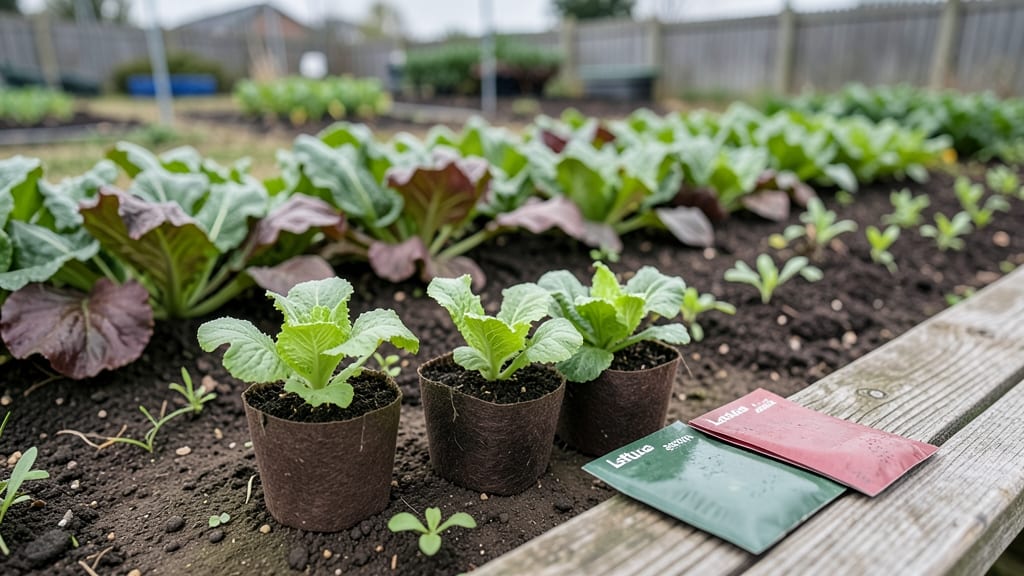
Succession planting lettuce means never running out of crisp greens again—no more sad, wilted store-bought leaves when your last homegrown batch bolts. I learned the hard way that planting all my lettuce at once leads to disappointment by July, but staggering plantings keeps the harvest going until frost.
The secret lies in timing: plant a new row every 2-3 weeks for a steady supply, or every 7-10 days if you want nonstop greens.
You’ll need fast-maturing varieties like ‘Black Seeded Simpson’ or ‘Salad Bowl’—these stay crisp and resist bolting better than heat-sensitive types. Cool soil and shade cloth become your best friends in summer, while loose, nutrient-rich soil prevents bitter flavors.
Space plants 8-12 inches apart in rows 12-18 inches apart, and always keep the soil moist but not soggy. The payoff? Fresh salad greens from spring until fall, with minimal work after the initial setup.
Bolting is the biggest challenge, but it’s avoidable. If your lettuce starts flowering too soon, blame heat or drought—shade cloth and consistent watering fix that. Pests like aphids love tender lettuce too, so I rotate plantings to break their life cycle.
Harvest outer leaves first to encourage regrowth, and you’ll get 3-4 harvests from a single planting before replanting. It’s the closest thing to a self-sustaining salad bowl.
This method works in containers too—just use deeper pots for varieties like romaine. For winter harvests, try cold-hardy types like ‘Winter Density’ and protect them with row covers.
The key is flexibility: adjust your schedule based on your climate, and you’ll have lettuce when you want it, not just when Mother Nature allows it. Start small with one variety, then expand as you master the rhythm.
📚 In This Guide
- What you need
- Instructions
- Tips and common mistakes
- Wrapping up and next steps
What you need
- ● Lettuce Seeds: Choose quick-maturing varieties (30–50 days) like Buttercrunch, Romaine, or Leaf Lettuce. Aim for 2–3 packets (500–1,000 seeds total) to stagger plantings.
- ● Garden Soil: Well-draining, organic-rich soil (pH 6.0–7.0). Amend with 2–3 inches of compost per planting area.
- ● Fertilizer: Balanced organic fertilizer (e.g., 10-10-10) or compost tea for nutrient boosts.
- ● Watering Can or Hose: With a gentle spray nozzle to avoid disturbing seedlings.
- ● Row Cover or Shade Cloth: Lightweight (30–50% shade) to protect young plants from pests and heat.
- ● Garden Trowel or Transplanter: For sowing seeds and creating small furrows.
- ● Rake or Hoe: To loosen soil and maintain weed-free rows.
- ● Measuring Tape or Ruler: To space seeds 12–18 inches apart in rows.
- ○ Gloves (Optional): To keep hands clean while handling soil and seeds.
- ● Seedling Trays: For starting seeds indoors 4–6 weeks before the last frost.
- ● Drip Irrigation Kit: For consistent moisture without overwatering.
- ● Pest Control: Neem oil or insecticidal soap to deter aphids and slugs.
- ● Garden Journal: To track planting dates, harvest times, and soil notes.
Step-by-step instructions for succession planting lettuce
Here’s how to keep your garden producing crisp, fresh lettuce all season long.
Choose the Right Lettuce Varieties and Planting Times
Start with a mix of fast-maturing varieties like Buttercrunch or Black Seeded Simpson for quick harvests, and slower-growing types like Romaine or Iceberg for later plantings. In cooler climates, begin your first planting 4-6 weeks before your last frost date—this gives seedlings enough time to mature before summer heat sets in. For warm climates, aim for fall plantings when temperatures drop below 80°F, as lettuce bolts (goes to seed) in prolonged heat.
I like to space my plantings 2 weeks apart through early spring and again in late summer. This staggered approach ensures you always have fresh lettuce without overwhelming your garden at once. Check your local frost dates and plan backward from there—lettuce typically takes 30-50 days to reach harvest size, depending on the variety.
Prepare the Soil and Sow Seeds Directly
Lettuce thrives in well-draining, fertile soil with a pH between 6.0 and 7.0. Work in 2-3 inches of compost into the top 6 inches of soil before planting to provide nutrients and improve moisture retention. Avoid fresh manure—it can cause lettuce to bolt prematurely. I like to rake the soil smooth and create shallow 1/4-inch-deep furrows about 12 inches apart to keep rows organized.
Sow seeds thinly—about 1/8 inch apart—since lettuce seedlings need space to grow. Scatter them in the furrows and cover lightly with soil, pressing gently to ensure good seed-to-soil contact. Water immediately with a fine mist to settle the seeds without washing them away. Overcrowding leads to weak, leggy plants, so don’t skip this step. If you’re using transplants, space them 8-12 inches apart in the row.
Maintain Consistent Moisture and Protect from Pests
Keep the soil evenly moist but never soggy—lettuce roots need oxygen to grow strong. Water early in the morning to reduce evaporation and fungal risks. A 1-inch layer of mulch (like straw or shredded leaves) helps retain moisture and keeps weeds down. I check soil moisture by sticking my finger 1 inch deep—if it feels dry, it’s time to water again.
Watch for pests like aphids, slugs, and flea beetles, which love tender lettuce leaves. I use row covers for young plants to block pests while allowing sunlight and water through. If you spot damage, remove affected leaves immediately and treat with neem oil or an insecticidal soap for organic control. Healthy plants are less appealing to pests, so strong starts make all the difference.
Thin Seedlings and Harvest Strategically
When seedlings reach 2 inches tall, thin them to 4-6 inches apart in the row. Use scissors to snip unwanted plants at soil level—this prevents disturbing roots of nearby seedlings. I harvest the thinned seedlings as baby greens for salads or microgreens, so nothing goes to waste. For head lettuce, wait until the leaves form a compact, crisp head—usually 40-50 days after sowing.
Harvest outer leaves first to encourage continued growth. Cut leaves 1/2 inch above the base with clean scissors, leaving the center intact. This method lets you enjoy lettuce for weeks longer than a single harvest. If you notice bitter flavors or bolting (tall stems with yellow flowers), it’s time to pull those plants and start a new batch—lettuce tastes best when grown in cooler weather.
Plan Your Final Planting for Fall Success
As summer winds down, prepare for your last planting of the season about 8-10 weeks before your first frost. Choose cold-hardy varieties like Winter Density or Arctic King for fall and winter harvests. These varieties can withstand light frosts and even improve in flavor after a frost. Plant them in a sunny spot where they’ll get at least 4-6 hours of sunlight daily, even as days shorten.
Extend your harvest season by covering young plants with row covers or a cold frame on chilly nights. This protects tender leaves from frost while still allowing sunlight. With proper planning, you can enjoy fresh lettuce well into winter or even early spring, depending on your climate. Just keep an eye on the forecast—if a hard freeze is coming, harvest what you can before the ground freezes.
Tips & tricks for perfect succession planting lettuce
A few simple strategies will help you maintain a steady supply of crisp, flavorful lettuce all season long.
Variety Timing: The 4-6 week planting window before your last frost is critical for cooler climates. I've found that starting with fast-maturing varieties like Buttercrunch every 2 weeks creates a perfect harvest rhythm. For warm climates, wait until temperatures drop below 80°F to avoid bolting—the heat triggers lettuce to go to seed prematurely. This timing ensures you're always harvesting at peak crispness.
Soil Preparation Secret: When amending your soil with 2-3 inches of compost, mix it into the top 6 inches—not just the surface. This creates a nutrient-rich zone where roots can access food throughout their growth cycle. I also add a handful of bone meal to the planting hole for transplants—it provides phosphorus for strong root development. The key is thorough mixing to prevent pockets of concentrated nutrients that can burn tender roots.
Thinning Technique: When thinning seedlings to 4-6 inches apart, use clean scissors to snip at soil level rather than pulling. This prevents disturbing nearby plants' roots and reduces stress on the remaining seedlings. I've noticed that the thinned seedlings often produce the most flavorful baby greens—perfect for adding to salads or sandwiches. Don't throw them away; harvest them immediately for fresh, tender greens.
Pest Prevention: Row covers aren't just for pests—they also protect young plants from wind damage and extreme temperatures. I keep mine handy for early spring and late fall plantings. For organic pest control, I've found that a weekly spray of neem oil (mixed according to package instructions) keeps aphids and flea beetles at bay without harming beneficial insects. The secret is consistency—don't wait until you see damage to start treating.
Pro Tips for Succession Planting Lettuce
- A few simple strategies will help you maintain a steady supply of crisp, flavorful lettuce all season long.
- Variety Timing: The 4-6 week planting window before your last frost is critical for cooler climates.
- Soil Preparation Secret: When amending your soil with 2-3 inches of compost, mix it into the top 6 inches—not just the surface.
Frequently asked questions
Got questions about succession planting lettuce?
You’re not alone! Here are answers to the most common ones to help you keep your garden thriving with fresh greens all season.
What’s the best time to start my first lettuce planting?
Plant your first batch of lettuce 4-6 weeks before your last expected frost date. This gives them time to grow before hot summer weather causes bolting. For cooler climates, aim for early spring or late summer for a fall harvest.
How often should I replant lettuce for continuous harvests?
Succession plant lettuce every 2-3 weeks in spring and fall, and every 3-4 weeks in summer. Use quick-maturing varieties (like Black Seeded Simpson) for faster turnover. Adjust timing based on your local climate and heat tolerance of your chosen variety.
What do I do if pests like aphids attack my lettuce?
Start with a strong blast of water to dislodge aphids, then introduce ladybugs or lacewings as natural predators. For severe infestations, use neem oil or insecticidal soap. Planting marigolds or nasturtiums nearby can deter pests long-term.
Can I succession plant lettuce in hot summer months?
Yes! Choose heat-tolerant varieties like Romaine, Buttercrunch, or Oakleaf. Provide afternoon shade with row covers or shade cloth (70% coverage) and keep soil moist. Avoid planting during peak heat—opt for late summer or early fall for better success.
What should I do if my lettuce bolts before harvest?
Bolting happens when lettuce senses heat or long days. To prevent it, use shade cloth and keep soil consistently moist. If it bolts, harvest the outer leaves first before the center turns bitter. For next time, choose slower-maturing varieties or plant in cooler months.
Wrapping up and next steps
Mastering succession planting lettuce is your ticket to a never-ending supply of fresh, crisp greens—no matter the season! 🌱 By staggering your plantings and following simple timing tricks, you’ll outsmart pests, maximize space, and enjoy homegrown salads all year.
Whether you’re a beginner or a seasoned gardener, this method makes growing lettuce effortless and rewarding.
Ready to take the next step? Start small with one or two succession batches this week, and soon you’ll be the proud host of a thriving, low-maintenance garden. Happy planting—your taste buds (and dinner table) will thank you!