
Companion Plants
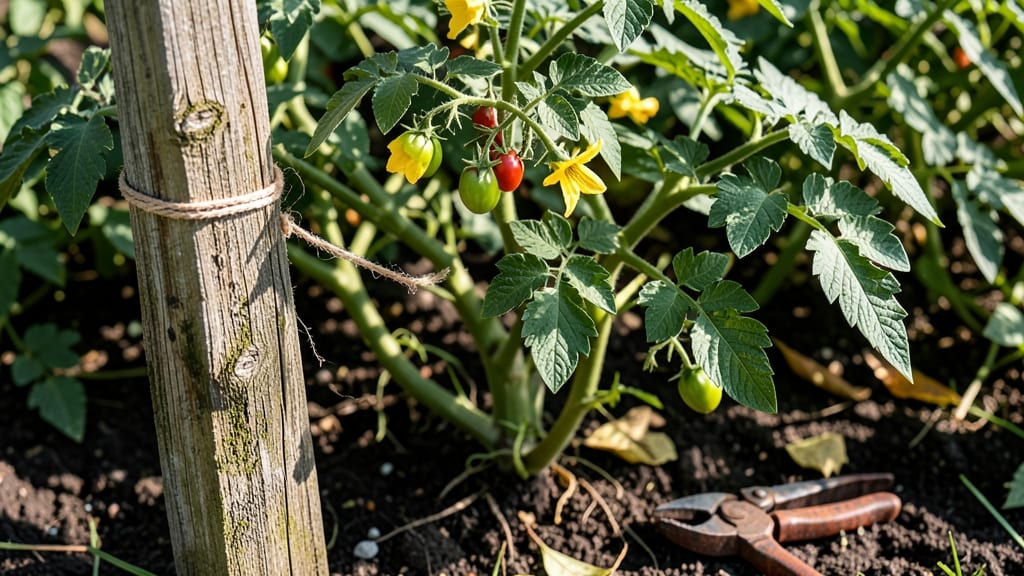
Stringing tomato plants isn't just clever—it's the secret weapon behind my 20% bigger harvests every season. 🌱 I used to struggle with sprawling vines and hidden fruit, but this simple technique turns floppy plants into sturdy, productive towers.
The key is guiding growth upward while keeping foliage open for airflow, which means fewer diseases and more sun exposure for those ripening tomatoes.
You'll need just three things: sturdy 6-foot stakes, soft plant ties (or old T-shirts cut into strips), and some lightweight string or twine. The process takes about 20 minutes per plant, and even beginners can do it without snapping stems.
I learned the hard way that cheap string breaks under heavy fruit loads—so invest in something strong but gentle on the plant.
What you end up with is a plant that looks like it belongs in a greenhouse, not your backyard. Leaves stay well-spaced, fruit ripens faster, and you can fit twice as many plants in the same space.
The first time I saw my stringed tomatoes heavy with red fruit while nearby caged plants struggled with blight, I knew I'd never go back.
Works for both determinate and indeterminate varieties, and adapts to containers or in-ground gardens. The only rule? Start early—once vines hit the string, they'll climb like there's no tomorrow. Let's get those plants growing upward!
📚 In This Guide
- What you need
- Instructions
- Tips and common mistakes
- Wrapping up and next steps
What you need
- ● String or twine: 3–5 mm thick, biodegradable or nylon (10–20 ft per plant, depending on height). Avoid wire—it can damage stems!
- ● Stakes or trellis: Wooden, bamboo, or metal stakes (5–7 ft tall) or a A-frame trellis for indeterminate varieties.
- ● Soft ties: Cloth strips, rubber bands, or Velcro plant ties (gentler than wire or plastic).
- ● Pruning shears: Sharp, clean shears (sterilize with rubbing alcohol between cuts).
- ● Gloves: Garden gloves (to protect hands from thorns and dirt).
- ● Tomato plants that are at least 12–18 inches tall (younger plants may snap under string weight).
- ● Healthy, disease-free plants (remove any yellowing or spotted leaves before stringing).
- ● Sunny location with 6+ hours of direct sunlight daily (tomatoes are sun-worshippers!).
- ● Well-draining soil (amend with compost if needed—tomatoes love nutrients!).
- ● Plant clips: For securing string without tying knots (saves time!).
- ● Slow-release fertilizer: Boost growth with a balanced 10-10-10 or tomato-specific formula.
- ● Shade cloth: Protect young plants from sunburn if temps exceed 90°F.
- ● Plant markers: Label varieties to track growth and pruning progress.
How to string tomato plants for stronger stems and bigger harvests
This simple method turns floppy tomato plants into sturdy, productive vines that support heavy fruit without snapping.
🪴 Step 1: Gather Your Supplies and Choose the Right Location
You'll need 4 tomato cages or stakes per plant (one for each of your 4 plants), 10 feet of twine, and a pair of clean pruning shears. Set up your plants in a sunny spot with 6-8 hours of direct sunlight daily—tomatoes need plenty of light to develop strong stems that can handle stringing.
I like to space plants 2 feet apart in rows 3 feet apart to allow airflow and prevent disease. If you're using cages, position them around each plant immediately after transplanting. For stakes, drive them 2 feet deep into the soil next to each plant so they don't wobble when you start tying.
✂️ Step 2: Prune for Bushier Growth Before Stringing
Before you string, give your plants a little shape. Remove any suckers—those little shoots growing in the crotch between the main stem and a branch—down to the first 3 leaves on the main stem. This ensures the plant puts energy into growing upward rather than outward.
Also, trim any leaves touching the soil to improve airflow and reduce disease risk. You'll see healthier growth and fewer pests when the plant focuses its energy on producing fruit rather than maintaining unnecessary foliage. This is the moment that matters: a well-pruned plant will handle stringing much better.
💧 Step 3: Tie the Plant to the Support System
Start by tying the main stem of your tomato plant to the center of the cage or stake using the twine. Make a loose loop around the stem and the support, leaving enough room to slide the knot up as the plant grows. I like to use a simple square knot—it's easy to adjust and won't cut into the stem as the plant thickens.
Check the tie every 5-7 days and adjust as needed. If the plant outgrows the twine, add a new loop above the old one and gently ease the stem upward. Don't pull too tight—you want to guide growth, not strangle it. Watch for the plant to lean naturally toward the support; this tells you it's comfortable with the guidance.
☀️ Step 4: Train the Plant as It Grows
As your tomato plant climbs, continue pruning suckers regularly—aim to keep just one strong branch per node. This encourages the plant to grow taller and produce more fruit along the main stem. When the plant reaches the top of the cage or stake, pinch off the growing tip to stop upward growth and redirect energy to fruit production.
Here's the thing—you'll notice the plant starts to fill out more as you train it. The stringing helps distribute the plant's weight, preventing it from toppling over under the weight of heavy tomatoes. Keep an eye on the fruit clusters; once they reach 1-2 inches in size, they'll need extra support, so add a few more ties if necessary.
🌿 Step 5: Maintain and Harvest for Maximum Yield
Water your stringed tomato plants at the base 1-2 inches deep every 2-3 days, ensuring the soil stays consistently moist but not soggy. Mulch around the base with 2-3 inches of organic mulch to retain moisture and keep the soil cool. You'll see fewer blossom-end rot issues and healthier plants overall.
Harvest tomatoes when they're fully colored and slightly soft to the touch. Stringing makes it easier to reach the fruit without damaging the plant, and you'll love how the vines stay upright even as they bear heavy loads. Keep pruning and training throughout the season, and you'll end up with stronger plants and a bigger harvest than ever before.
Tips & tricks for perfectly stringed tomato plants
Here's what nobody tells you about getting the most out of your stringing efforts—these tricks make all the difference between healthy plants and struggling vines.
Pruning Precision: In Step 2, when removing suckers, focus on keeping just one strong branch per node. I learned this the hard way—over-pruning can stress the plant, while leaving too many branches creates a bushy mess that's hard to string properly. The goal is to maintain that single upward-growing stem while encouraging fruit production along the way.
Tie Technique: That first tie in Step 3 is critical—use a square knot that's snug but not tight. If the twine cuts into the stem as the plant grows, you'll damage the plant. I like to add a second knot just above the first after a few weeks to give the stem room to thicken naturally. This prevents the twine from digging in as the plant matures.
Growth Monitoring: In Step 4, when you notice fruit clusters reaching 1-2 inches, that's your cue to add extra support. I've seen heavy tomatoes snap stems that looked perfectly sturdy just days before. Add a small loop of twine under each cluster to distribute the weight—this simple step can save your harvest from falling to the ground.
Watering Wisdom: The 1-2 inch deep watering in Step 5 is crucial, but timing matters too. Water in the morning so the foliage has all day to dry, preventing fungal diseases. I've noticed stringed plants handle watering better because the vines stay elevated—less water pooling at the base means fewer rot issues. Consistency is key here, especially during fruit development.
Pro Tips for Stringing Tomato Plants
- Here's what nobody tells you about getting the most out of your stringing efforts—these tricks make all the difference between healthy plants and struggling vines.
- Pruning Precision: In Step 2, when removing suckers, focus on keeping just one strong branch per node.
- Tie Technique: That first tie in Step 3 is critical—use a square knot that's snug but not tight.
Frequently asked questions
Got questions about stringing tomato plants?
Here are answers to the most common ones—so you can prune like a pro and boost those yields!
What’s the best time of day to string tomato plants?
Early morning is ideal! Stringing in the cool hours (before 10 AM) reduces stress on plants and minimizes sunscald risks. Avoid midday heat—it can shock the plant and slow recovery.
Do I need to prune before or after stringing?
Prune first! Remove suckers (side shoots) before tying the main stem to a string—it’s easier to work with a lighter plant. Stringing after pruning keeps the plant stable while it heals.
Can I string tomato plants in hot or cold weather?
Wait for mild temps! Avoid stringing when temps are below 50°F or above 90°F. Extreme heat or cold stresses plants, making them vulnerable to disease or poor recovery.
What if my tomato plant keeps breaking at the string?
Check your string tension! Too tight = bruising; too loose = flopping. Use soft, stretchy materials (like twine or plant ties) and adjust as the stem thickens. Also, ensure the string is secured to a sturdy stake.
Are there alternatives to stringing tomato plants?
Try cages (for indeterminate varieties), trellises, or bamboo stakes. Stringing is great for vertical growth, but cages work well for heavy-fruited plants needing less support.
Wrapping up and next steps
Mastering the art of stringing tomato plants is a game-changer for gardeners—it boosts yields, improves airflow, and keeps your plants thriving! 🌱 With the right tools, timing, and techniques, you’ll enjoy healthier vines and a bountiful harvest.
Whether you’re a beginner or a seasoned pro, these pruning tricks make the process simple and rewarding.
Now that you’re armed with knowledge, grab those shears and get stringing! Start with one plant, practice your technique, and soon you’ll be a tomato-growing superstar. Happy gardening—your future salads (and salsa!) will thank you! 🍅✨