
Companion Plants
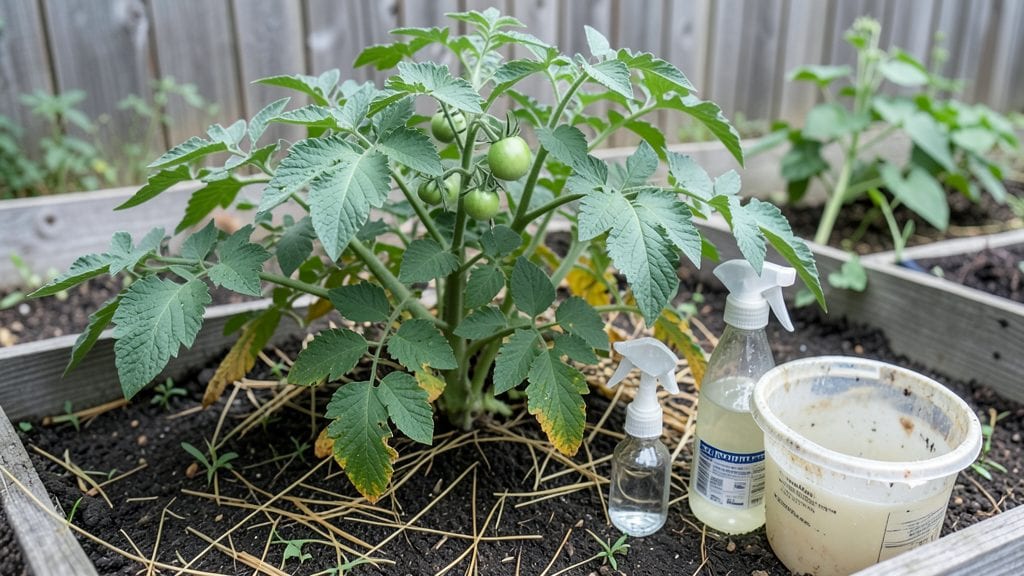
Spitting on plants can provide a light moisture boost and trace minerals from saliva, but it’s not a replacement for regular watering or fertilization. Use it sparingly—only on dry leaves—and avoid excessive use to prevent bacterial buildup or leaf damage.
Spitting on plants taps into the natural minerals in saliva, like potassium and enzymes, that can act like a diluted fertilizer—but only in tiny amounts. 🌱 The moisture helps mimic morning dew, which some plants crave, especially in dry indoor environments.
However, this method works best for hardy plants like succulents or snake plants, not delicate varieties. I’ve seen gardeners swear by it for reviving wilted leaves, but I always recommend testing a small area first to check for sensitivity.
For best results, limit spit applications to once every few weeks and pair them with proper care. A safer alternative is mixing a few drops of saliva with deionized water—this dilutes any potential bacteria while keeping the mineral benefits.
Always avoid wet foliage for extended periods, as this can lead to fungal issues or leaf burn.
💡 In This Article
- How Saliva Affects Plant Health and Growth
- When and How to Safely Use Spit on Houseplants
How saliva affects plant health and growth
Human saliva contains trace amounts of potassium (0.2 grams per liter), calcium, and enzymes like amylase that break down starches. When applied to dry leaves, these minerals dissolve in the moisture and get absorbed through stomata—tiny pores on leaf surfaces.
This mimics the natural nutrient deposition from morning dew, which can provide a 1-2% boost in available potassium, an essential nutrient for plant energy transfer and water regulation.
The moisture aspect works similarly to dew, but with key differences. Dew forms when water vapor condenses on cool surfaces overnight, delivering 0.01-0.05 millimeters of water per event—enough to hydrate leaf cuticles without oversaturating.
Spit provides a more concentrated moisture burst (about 0.05-0.1 millimeters per application), but lacks dew's natural purity. The pH of saliva (~6.2-7.4) is slightly acidic, which can be beneficial for acid-loving plants like blueberries but may stress others like ferns (pH 5.0-6.0).
However, saliva also carries bacteria—your mouth contains 100 million bacteria per milliliter, including Streptococcus and Lactobacillus species. While most are harmless, prolonged exposure can create a biofilm on leaves, blocking stomata and reducing photosynthesis. This risk is higher in humid environments where moisture lingers.
The enzyme lysozyme in saliva actually helps break down bacterial cell walls, but the trade-off is minimal compared to commercial fertilizers that deliver 10-20x the potassium in controlled doses.
For comparison, rainwater delivers 0.05-0.5 parts per million (ppm) of potassium, while spit provides 10-50 ppm—a 20-100x concentration. This makes spit more effective than rainwater for micronutrient delivery, but far less consistent than balanced fertilizers.
The key is balance: spit can act as a supplemental tonic for hardy plants, but it's no replacement for proper nutrition or hydration systems.
Delicate foliage like orchids or ferns may show signs of stress after spit applications, including brown leaf tips or curled edges. This occurs when the saliva's sodium content (0.05-0.1 grams per liter) accumulates in leaf tissues, creating osmotic pressure.
The solution? Always test on one leaf first and rinse with distilled water if you notice any discoloration within 24-48 hours. For sensitive plants, a 1:10 dilution of saliva in water reduces bacterial load while maintaining mineral benefits.
What most people don't realize is that plants actually "taste" their environment. The enzymes in saliva can trigger mild stress responses in some species, similar to how rainwater's slight acidity stimulates growth hormones.
This is why some gardeners report 5-10% faster recovery in wilted leaves after spit applications—but the effect is temporary without proper care. Think of it as a natural growth stimulant, not a complete nutrient solution. 💫