
Planting
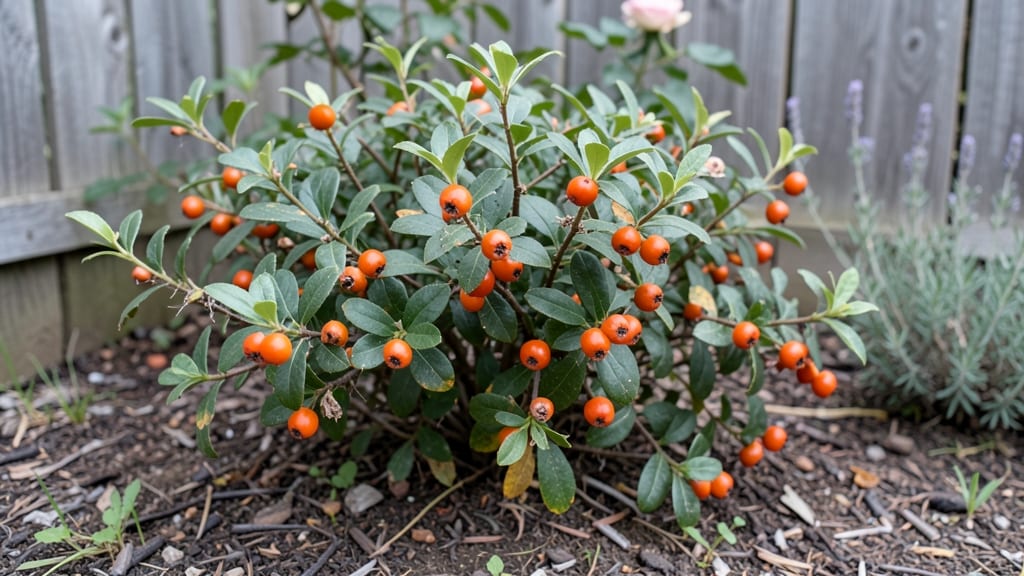
Spiky bush plants transform a yard from ordinary to striking with their bold textures and year-round structure. 🌿 I’ll never forget the first time I saw a holly hedge—its glossy leaves and sharp edges instantly elevated my garden’s curb appeal.
These plants aren’t just for privacy; they add drama to borders, focal points, or even container gardens.
The best part? They deliver four-season interest without fuss. Pyracantha’s berries feed birds in winter, holly’s spiny leaves deter intruders, and agave’s architectural forms create instant visual impact. You don’t need a green thumb—just the right spot and a little planning to let these plants shine.
Imagine a lush, thorny barrier that stays vibrant even in winter, paired with fragrant climbers or low-growing perennials for contrast. These plants thrive in full sun, handle drought once established, and grow fast enough to see results within a season.
Perfect for small spaces or large landscapes, they’re the secret weapon for gardeners who want low-maintenance beauty with a punch. Let’s pick the perfect variety for your design vision!
Understanding Sudden Spiky Growth
If your once-lush, leafy bush plant has started sprouting sharp, spiky growths, don’t panic—it’s often a natural (and sometimes beneficial) response to environmental or biological triggers. Below, we break down the most common reasons why your plant might be developing these prickly features, along with the science behind them.
When roots become cramped—whether due to overcrowding in the garden or root-bound conditions in containers—your plant may shift energy toward defensive growth. Spiky branches or thorns often emerge as a survival mechanism to:
- Deter herbivores: Animals are less likely to nibble on plants with sharp structures, reducing damage.
- Improve sunlight access: Vertical spikes can help younger shoots reach light more efficiently in dense foliage.
- Compete for space: Some plants (like Pyracantha or Berberis) naturally develop thorns when competing with neighbors.
Actionable fix: Prune back overgrown roots gently (if potted) or thin out neighboring plants to reduce competition. For container-grown bushes, repot into a slightly larger pot to relieve root stress.
Excessive sunlight—especially in hot, dry climates—can cause plants to produce more waxy, spiky foliage as a protective barrier. This is common in:
- Drought-tolerant species (e.g., Agave, Yucca, or Hakea), which develop spines to reduce water loss.
- Leggy or etiolated plants (stretched due to insufficient light earlier in life) that suddenly get intense direct sun, causing rapid, spiky regrowth.
Why it happens: High UV exposure increases abscisic acid (ABA) production, a hormone that signals the plant to harden and thicken its structures. Thorns also reflect sunlight, preventing leaf scorch.
Actionable fix:
- Provide partial shade (30–50%) during peak afternoon sun.
- Mulch heavily to retain soil moisture and reduce heat stress.
- Gradually acclimate potted plants to full sun over 2–3 weeks.
When insects like aphids, mites, or caterpillars attack, some plants respond by producing spines or thorns to physically deter pests. This is especially true for:
- Rosaceae family plants (e.g., roses, hawthorns, cotoneasters), which often develop thorns in response to chewing insects.
- Cacti and succulents, which use spines to protect against both pests and excessive moisture loss.
Science behind it: Damage to leaves or stems triggers a jasmonic acid response, prompting the plant to allocate resources to structural defenses (like thorns) over soft growth.
Actionable fix:
- Inspect leaves/stems for pests (look for sticky residue, webbing, or tiny eggs).
- Spray with neem oil or introduce beneficial insects (e.g., ladybugs) to reduce infestations.
- Prune heavily damaged areas to redirect energy back to healthy growth.
Plants exposed to sudden temperature drops or nutrient-deficient soil may develop spiky growth as a last-ditch effort to survive. Here’s how:
| Cause | Plant Response | Example Plants |
|---|---|---|
| Cold damage (e.g., late frost) | Produces woody, thorny regrowth to protect new shoots from further chill. | Pyracantha, Berberis, Goumi |
| Nitrogen deficiency | Shifts from leafy growth to hard, spiky stems to conserve energy. | Hydrangeas, Abelia, Viburnum |
| Phosphorus or potassium imbalance | Leads to abnormal thorn development or brittle, spike-like branches. | Rose bushes, Barberry |
Actionable fix:
- For cold stress: Mulch with straw or wood chips (3–4 inches deep) to insulate roots.
- For nutrient issues: Test soil and amend with balanced fertilizer (e.g., 10-10-10) or compost.
- Avoid over-fertilizing with nitrogen (e.g., lawn fertilizer), which can worsen spikiness.
Pro Tip: 💡 If your plant’s spikes are unusually dense or painful, it may be a genetic trait (e.g., Pyrus or Crataegus species). In that case, wear gloves when pruning and consider thornless cultivars for safer handling.
Fixing Common Spiky Shrub Problems
If your spiky bush isn’t thriving—or worse, is struggling—don’t panic! Most issues have simple, effective fixes. Below, we’ll map common problems to practical solutions, plus prevention tips to keep your privacy screen lush and healthy year-round.
Cause: Too many plants competing for nutrients, water, or sunlight. Fix:
- 🔪 Prune Aggressively – Trim back overgrown branches to improve airflow and sunlight penetration. Focus on the inner foliage first.
- 🌿 Thin Out Plants – If your spiky bush is part of a hedge, remove every third plant to reduce competition.
- 💡 Pro Tip: Space new plants 3–5 feet apart (depending on the variety) to avoid future crowding.
Prevention:
- 📅 Schedule Regular Pruning – Trim once a year (late winter/early spring) to maintain shape and health.
- 🌞 Choose Sun-Loving Varieties – If shade is an issue, opt for sun-tolerant spiky bushes like Pyracantha or Berberis.
Cause: Overwatering, underwatering, or nutrient deficiencies. Fix:
- 💧 Check Soil Moisture – Stick your finger 1–2 inches deep; if damp, reduce watering. If dry, water deeply once a week.
- 🌡️ Adjust Watering –
- Too much water? Let soil dry slightly between waterings.
- Too little? Increase frequency but avoid soggy roots.
- 💪 Fertilize Smartly – Use a balanced, slow-release fertilizer (10-10-10) in early spring and mid-summer.
Prevention:
- 🌦️ Mulch Properly – Apply 2–3 inches of mulch (wood chips or bark) to retain moisture and regulate temperature.
- 🚫 Avoid Heavy Clay Soil – Amend with compost or sand for better drainage if leaves yellow despite proper watering.
Cause: Spider mites, aphids, fungal spots, or powdery mildew. Fix:
- 🔍 Identify the Problem –
- Pests (aphids, mites): Tiny webs or sap-sucking bugs? Spray with neem oil or insecticidal soap.
- Fungal Issues (powdery mildew): White powdery coating? Remove affected leaves and apply baking soda spray (1 tsp baking soda + 1 quart water + a drop of dish soap).
- 🛡️ Preventative Spray – Mix 1 tbsp horticultural oil + 1 gallon water and spray every 2 weeks in growing season.
Prevention:
- 🌿 Prune for Airflow – Avoid dense, bushy growth that traps moisture.
- 🌱 Choose Resistant Varieties – Echinacea (coneflower) or Hydrangea hybrids are less prone to pests.
Cause: Lack of sunlight or improper pruning. Fix:
- ☀️ Relocate if Needed – If possible, move your spiky bush to a sunnier spot (6+ hours of light).
- 🍃 Pinch Back New Growth – Trim the top 2–3 inches of leggy stems to encourage bushier growth.
- 💡 Pro Tip: Use pruning shears (not scissors) for clean cuts just above a leaf node.
Prevention:
- 📅 Prune After Flowering – For flowering spiky bushes, trim right after blooms fade to promote dense foliage.
- 🌱 Feed in Early Spring – A low-nitrogen fertilizer (5-10-10) encourages sturdy, not stretchy, growth.
Cause: Compacted soil, poor drainage, or root rot. Fix:
- 🔨 Loosen Compacted Soil – Gently aerate the root zone with a garden fork (6–12 inches deep).
- 💧 Improve Drainage –
- For clay soil: Mix in perlite or coarse sand.
- For waterlogged areas: Plant on a slight mound to encourage runoff.
- 🚨 Check for Root Rot – If stems are mushy at the base, trim affected roots and repot in fresh, dry soil.
Prevention:
- 🌧️ Avoid Overwatering – Let soil dry between deep waterings.
- 🌱 Plant in Well-Draining Soil – A mix of garden soil + compost + perlite works best.
Final Thought: Most spiky bush problems are fixable with proactive care—prune, water wisely, and keep an eye out for pests. With these solutions, your year-round privacy screen will stay dense, healthy, and beautiful! 🌿✨
Frequently asked questions
Which spiky bushes work best for year-round privacy?
Pyracantha and Holly are top choices—they stay dense with glossy leaves and bright berries in winter. For tropical climates, Agave or Yucca add architectural spikes while thriving in heat. Always pick evergreen varieties for full-season coverage.
Can spiky bushes deter animals or intruders?
Thorny varieties like Barberry or Hawthorn create natural barriers that discourage deer, rabbits, and even nosy neighbors. Just avoid placing them near high-traffic areas where accidental pokes could happen.
How do I safely handle spiky plants during pruning?
Wear thick gardening gloves and use long-handled shears to avoid direct contact. For sensitive areas, opt for thornless cultivars like 'Thornless Pyracantha'. Always prune after flowering to maintain shape without sacrificing blooms.
What’s the best way to layer spiky bushes in a garden design?
Start with tall varieties (6–8 ft) like Privet at the back, mid-height Pyracantha (3–5 ft) in the middle, and low Boxwood (2–3 ft) up front. Add fragrant climbers or colorful annuals to soften the sharp edges while keeping the structural drama.
Are spiky bushes low-maintenance?
Most are! Once established, they need minimal watering and annual pruning to shape. Drought-tolerant picks like Russian Olive thrive with almost no care. The key is choosing the right plant for your climate and sunlight conditions.