
Diseases
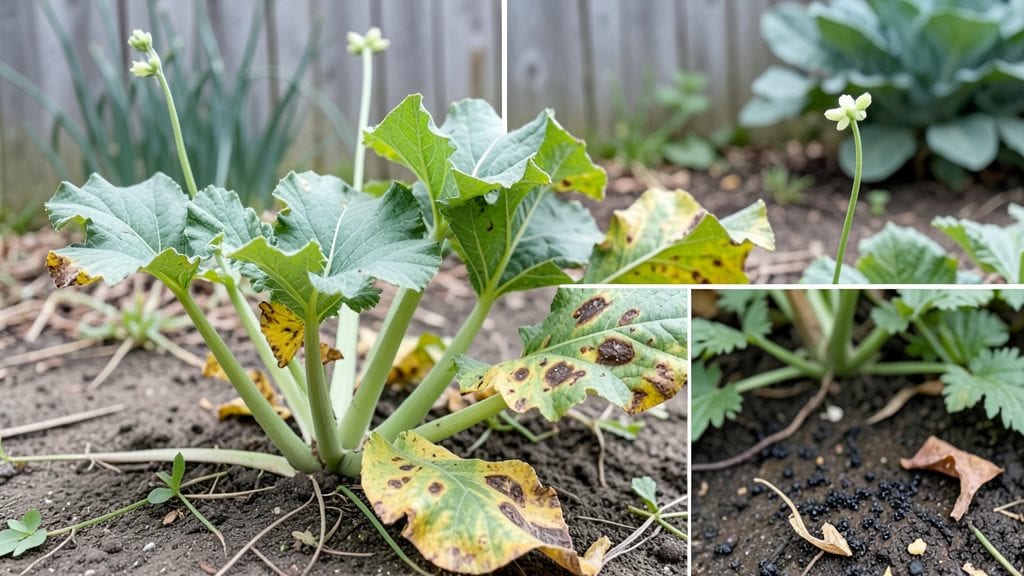
Rhubarb plant diseases like leaf spots and crown rot can turn your prized stalks into a sad, wilted mess—unless you catch them early. 🌿 I’ve seen healthy rhubarb beds collapse in weeks from these sneaky issues, but the right moves can save them.
The key is knowing what to watch for before it’s too late.
Start by checking the leaves for dark spots or yellowing—those are red flags. Crown rot? Look for mushy stems at the base and a foul smell. Most problems start with poor drainage or overwatering, so fix those first.
A quick spray of neem oil or copper fungicide can stop the spread before it ruins your harvest.
📚 In This Guide
- What you need
- Instructions
- Tips and common mistakes
- Wrapping up and next steps
What you need
- ● Rhubarb plants – Healthy or affected (for diagnosis)
- ● Pruning shears or sharp scissors – Sterilized with rubbing alcohol (70% or higher)
- ● Disposable gloves – Nitrile or latex-free (for safety)
- ● Magnifying glass or handheld loupe – 10x magnification (for close-up inspections)
- ● Plastic bags or zip-top bags – 2-3 medium-sized (for collecting samples)
- ● Labeling tape & marker – To tag samples by date/location
- ● Spray bottle (8 oz) – For applying fungicides or water
- ● Fungicide (copper-based or sulfur-based) – e.g.,, Copper fungicide (3%) or Liquid copper soap (follow label rates)
- ● Organic mulch (straw or wood chips) – 2-3 inches thick (for soil protection)
- ● pH test kit – Digital or liquid test strips (to check soil pH, ideal: 6.0–6.8)
- ● Digital camera – For documenting symptoms (before/after treatment)
- ● Soil moisture meter – To monitor water levels (overwatering worsens rot!)
- ● Neem oil (1%) – Natural fungicidal spray (mix 1 tbsp per quart of water)
- ● Compost or well-rotted manure – For improving soil health (avoid fresh manure)
- ● Plant disease identification app – e.g.,, PlantNet or PictureThis (for quick diagnoses)
- ● Protective eyewear – If handling harsh chemicals
How to diagnose and treat common rhubarb diseases
Here’s how I identify and manage the most stubborn rhubarb problems—leaf spots and crown rot—before they spread.
🌿 Step 1: Spot the Early Signs of Leaf Spots
Start by examining the undersides of leaves for tiny dark brown or black specks—this is the first sign of leaf spot diseases like cercospora or septoria. These spots often appear in late spring or early summer when humidity is high. I check leaves weekly during damp weather, since early detection stops the spread.
If you see yellow halos around the spots, that’s a clear sign of infection. The spots will grow larger over time, eventually causing leaves to brown and crisp at the edges. Remove infected leaves immediately by snipping them at the base with clean pruners—don’t toss them in the compost pile.
🌱 Step 2: Treat Leaf Spots with Fungicides and Cultural Care
For mild cases, I spray the plants with a copper fungicide (like Bordeaux mixture) every 7-10 days during wet periods. Always apply in the early morning so the leaves have time to dry before nightfall—this prevents fungal spores from thriving. Avoid overhead watering, which spreads spores like wildfire.
Boost the plant’s defenses by side-dressing with compost around the base. Healthy rhubarb resists disease better, and the extra nutrients help it recover faster. I also thin out crowded stalks to improve airflow—6-8 inches apart is ideal for mature plants.
💧 Step 3: Diagnose and Address Crown Rot
Crown rot shows up as soft, mushy stems at the base and a foul odor when you pull back the soil. This happens when the crown sits in waterlogged soil for too long. Check the crown area after heavy rains—if it feels spongy or blackened, that’s your warning sign.
Dig up the plant and trim away all rotted tissue with a sterilized knife, then replant in well-draining soil mixed with perlite or sand. I’ve found that raising the crown slightly above soil level prevents future rot by keeping it drier. If the rot is severe, discard the plant entirely to avoid spreading the disease.
☀️ Step 4: Prevent Future Outbreaks with Smart Care
Rhubarb thrives in full sun (6+ hours daily) but hates soggy soil. Amend the planting area with organic matter to improve drainage, and avoid overwatering—1 inch per week is plenty unless it’s extremely hot. Mulch with straw or wood chips to keep moisture consistent without smothering the crown.
Rotate crops if you’ve had repeated issues—don’t replant rhubarb in the same spot for 3-4 years. I also sterilize tools between plants to prevent cross-contamination. A little prevention now saves hours of cleanup later.
✂️ Step 5: Harvest and Store Safely to Avoid Spread
Only harvest stalks from healthy, disease-free plants. Cut stalks at the base with clean shears, leaving the leaves to protect the crown. Store harvested rhubarb in the fridge for up to 2 weeks—never leave it sitting in warm, humid conditions, which encourages mold.
If you’re saving stalks for next year, divide mature plants in early spring before new growth starts. This refreshes the crown and reduces the risk of built-up pathogens. I’ve found that replanting divisions in fresh soil cuts down on recurring diseases dramatically.
Tips & tricks for diagnosing and treating rhubarb diseases
Don't let these common mistakes turn your rhubarb patch into a disease hotspot—here's how to catch problems early and fix them right.
Early Detection is Everything: In Step 1, when checking for those tiny dark brown specks, grab a magnifying glass if needed—early detection is the key to stopping leaf spots before they spread. I've seen infections go from a few specks to complete leaf destruction in just a week if left unchecked.
Timing Matters for Fungicides: The 7-10 day spraying schedule in Step 2 works best when you start at the first sign of infection. Don't wait until you see widespread damage—fungicides are most effective as a preventative measure during those damp spring and summer periods when humidity fuels fungal growth.
Soil Drainage is Non-Negotiable: For crown rot prevention in Step 3, don't just add perlite or sand—consider raising your planting beds slightly above ground level. I've had success using landscape fabric under the soil to create a natural barrier that keeps roots from sitting in waterlogged conditions after heavy rains.
Tool Sterilization Saves Plants: Before you even think about dividing plants in Step 5, sterilize your pruners with rubbing alcohol between each cut. I keep a small bottle of 70% isopropyl alcohol in my gardening tool bag—it takes seconds to wipe down tools and prevents cross-contamination that can spread diseases between healthy and infected plants.
Pro Tips for Rhubarb Plant Diseases
- Don't let these common mistakes turn your rhubarb patch into a disease hotspot—here's how to catch problems early and fix them right.
- Early Detection is Everything: In Step 1, when checking for those tiny dark brown specks, grab a magnifying glass if needed—early detection is the key to stopping leaf spots before they spread.
- Timing Matters for Fungicides: The 7-10 day spraying schedule in Step 2 works best when you start at the first sign of infection.
Frequently asked questions
Got questions about rhubarb plant diseases?
Here are answers to the most common concerns—from identification to solutions—so you can keep your rhubarb thriving!
What are the most common rhubarb plant diseases I should watch for?
The top culprits are leaf spot diseases (like Cercospora and Ramularia) and crown rot (often caused by Phytophthora or fungal pathogens). Look for brown/yellow spots on leaves, wilting, or a mushy, discolored crown. Early detection is key!
When is the best time to treat rhubarb diseases?
Act at the first sign of symptoms—don’t wait for full-blown infection. For leaf spots, treat in early spring (before new growth) or late summer (after harvest). For crown rot, address it immediately if you notice soft, decaying tissue, ideally in cool, dry weather.
What’s the best way to prevent rhubarb diseases naturally?
Start with healthy soil (amend with compost), proper spacing (18–24 inches apart), and good drainage. Rotate crops every 3–4 years, remove debris, and avoid overhead watering. Neem oil or copper fungicide can also help prevent fungal spread.
Can I still harvest rhubarb if it has a disease?
If only leaves are affected, you can harvest stalks carefully (avoid diseased foliage). But if the crown or roots show rot, discard the entire plant to prevent spreading. Always sterilize tools between cuts to minimize contamination.
What should I do if my rhubarb plant dies from disease?
Remove the plant completely, including roots, and disinfect the soil with a 10% bleach solution (1 part bleach to 9 parts water). Wait at least 2 years before replanting rhubarb in the same spot. Test soil pH (ideal: 6.0–6.8) and improve drainage for future crops.
Wrapping up and next steps
Diagnosing and treating rhubarb plant diseases doesn’t have to be overwhelming—with the right knowledge, you can keep your garden thriving! 🌱 From identifying leaf spots to tackling crown rot, early action is your best defense.
Stay proactive by monitoring your plants regularly and acting at the first sign of trouble.
Ready to give your rhubarb the care it deserves? Start by inspecting your plants this week—and don’t forget to share your progress or questions in the comments below! 💬