Pruning
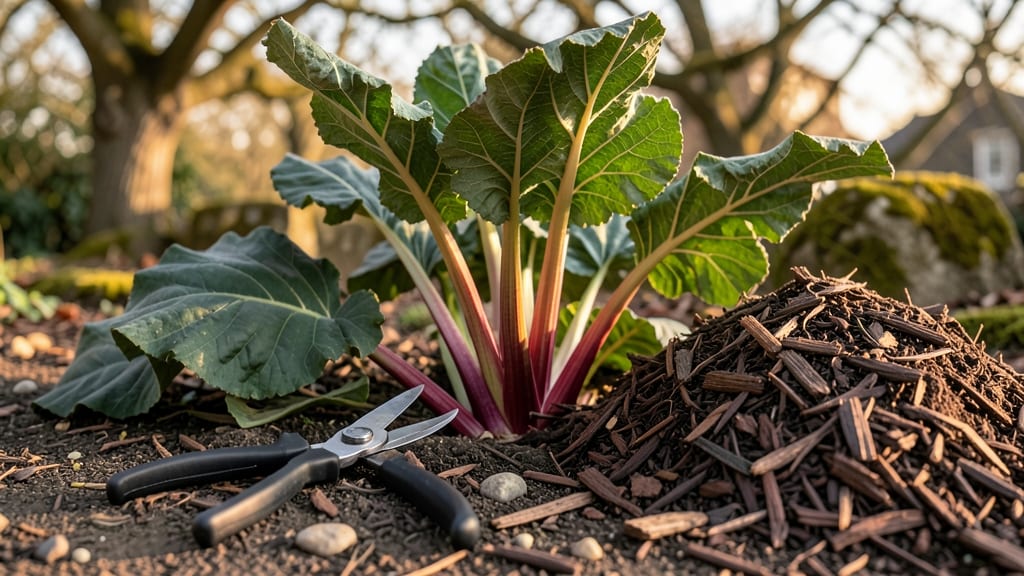
Pruning rhubarb plants isn't just about shaping—it’s about unlocking next year’s harvest right now. ✨ I’ve learned the hard way that skipping this step means smaller stalks and weaker growth, but the right cuts transform a struggling patch into a powerhouse.
The secret lies in timing and technique, not brute force.
You only need three tools: sharp pruners, a trowel, and a wheelbarrow for cleanup. The key cuts happen in late winter, early spring, and after harvest—never more than once a year unless you’re dealing with diseased stalks. Most gardeners overdo it, but rhubarb thrives on patience and precision.
By following these three cuts, you’ll see thicker stalks, deeper roots, and plants that keep producing for decades. The stalks will be plump, the leaves lush, and your neighbors will ask how you get such perfect rhubarb every year. It’s all about working with the plant, not against it.
This method works whether you’re a first-timer with one crown or an old hand managing a dozen. The principles stay the same—just adjust the scale. Let’s get those plants growing like they mean it.
📚 In This Guide
- What you need
- Instructions
- Tips and common mistakes
- Wrapping up and next steps
What you need
- ● Clean, sharp pruning shears – Bypass pruners (4- to 6-inch blades) work best for clean cuts. Avoid dull tools to prevent crushing stems!
- ● Gloves – Heavy-duty gardening gloves (e.g., nitrile-coated) to protect against thorns and sap irritation.
- ● Disinfectant (70% isopropyl alcohol or bleach solution) – 1 part bleach to 9 parts water to sterilize tools between cuts and prevent disease spread.
- ○ Garden twine or rubber bands – Optional but handy for tying down large leaves post-pruning to avoid wind damage.
- ● Compost bin or yard waste bag – For disposing of pruned leaves and stalks (never compost rhubarb leaves—they contain oxalic acid!).
- ● Knee pads or a small stool – Rhubarb plants can sprawl! Save your back with comfort.
- ● Labeling tags – If you’re experimenting with varieties, mark new growth to track progress.
- ● Pruning saw (for stubborn stems) – Only needed if your rhubarb has thick, woody stalks (rare in young plants).
- ● Mulch (straw or wood chips) – Apply after pruning to retain moisture and suppress weeds.
How to prune rhubarb for a productive harvest all season
Rhubarb thrives when you prune strategically—here’s how to keep plants healthy and productive year after year.
🌱 Step 1: Remove Dead or Damaged Stems in Early Spring
Start pruning as soon as new growth appears in early spring, usually March or April depending on your climate. Look for stems that are brown, mushy, or hollow—they won’t produce anything good and can spread disease. Cut these at the base with clean, sharp pruners, making a clean slice just above the soil line.
This first cut clears out last year’s debris and makes room for fresh, vigorous growth. I always do this before the leaves unfurl, so the plant isn’t stressed. If you see any blackened or slimy stems, toss them in the trash—don’t compost them.
✂️ Step 2: Harvest Mature Stems Throughout the Growing Season
Once the stems reach at least 10-12 inches tall and are thick as your thumb, they’re ready for harvest. Use sharp pruners to cut stems at a 45-degree angle, about 1 inch above the crown (the thick base where leaves meet the stem). Leave the leaves attached—they photosynthesize and feed the plant.
Never harvest more than one-third of the stems at a time, or you’ll weaken the plant. I like to harvest in late spring and early summer when stems are plump and crisp. Avoid cutting into the central bud (the crown), as this harms future growth.
🌿 Step 3: Cut Back After Harvesting in Late Summer
By late August or early September, rhubarb’s growth slows. At this point, trim back any yellowing or wilted leaves and stems that have already been harvested. Cut them down to 2-3 inches above the soil to encourage the plant to store energy for next year.
This final prune helps prevent disease and pests from overwintering in dead foliage. I also remove any seed stalks (thin, flower-like stems) that appear—they drain the plant’s energy. Mulch around the base with 2-3 inches of straw or shredded leaves to protect the crown through winter.
⏰ Step 4: Winter Protection (Optional but Recommended)
In cold climates (below 0°F), mound 6-8 inches of straw or mulch over the crown after the ground freezes. This insulating layer prevents heaving (when roots push up through frozen soil) and keeps the plant alive for next year’s harvest.
I’ve seen rhubarb survive winters with just a light dusting of snow, but in harsh zones, that extra protection makes all the difference. Remove the mulch in early spring once new growth appears—don’t let it sit too long or it’ll smother emerging shoots.
Tips & tricks for pruning rhubarb plants
Pruning rhubarb properly is all about timing and technique—here's how to keep your plants thriving year after year.
Timing is Everything: The early spring clean-up in March or April is crucial because it removes last year's diseased stems before new growth begins. I always check for new shoots emerging from the crown—this is your cue to start pruning. Waiting too long means those dead stems can harbor fungal spores that spread to healthy growth. Look for stems that are brown, mushy, or hollow—they're the first to go, and never compost these since they can reintroduce pathogens to your garden.
Harvesting Technique: When harvesting mature stems in late spring and early summer, the 45-degree angle cut about 1 inch above the crown is key. This angle prevents water from pooling on the cut, which could rot the plant. I like to harvest on a cloudy day—the stems are more tender and less likely to wilt. And remember, never take more than one-third of the stems at once. I've seen gardeners over-harvest and end up with sad, wilted plants that take years to recover.
Late Season Prep: That late August or early September cut-back isn't just about tidying up—cutting stems down to 2-3 inches above soil helps the plant focus its energy on root development rather than supporting dead foliage. I always remove any seed stalks (those thin, flower-like growths) because they drain the plant's energy. These stalks won't produce edible rhubarb anyway, so cutting them early saves the plant's resources for next year's harvest.
Winter Protection Wisdom: In climates below 0°F, that 6-8 inch straw mulch over the crown is your plant's winter blanket. I've seen rhubarb survive winters with just snow cover, but in harsh zones, the extra insulation prevents the roots from heaving up through frozen soil. The trick is to remove the mulch in early spring once new growth appears—leaving it too long can smother emerging shoots before they get sunlight.
Pro Tips for Pruning Rhubarb Plants
- Pruning rhubarb properly is all about timing and technique—here's how to keep your plants thriving year after year.
- Timing is Everything: The early spring clean-up in March or April is crucial because it removes last year's diseased stems before new growth begins.
- Harvesting Technique: When harvesting mature stems in late spring and early summer, the 45-degree angle cut about 1 inch above the crown is key.
Frequently asked questions
Got questions about pruning rhubarb? You’re not alone! Here are answers to the most common concerns—so you can keep your plants thriving and your harvests bountiful.
When is the best time to prune rhubarb?
Prune rhubarb after harvest in early spring (March–April) to encourage new growth. Avoid cutting in late summer or fall—this can stress the plant and reduce next year’s yield. Focus on removing dead leaves, spent stalks, and any crown damage before new shoots emerge.
Can I prune rhubarb in the fall?
Light pruning in fall is okay—just remove only yellowed or diseased leaves to keep the plant tidy. Avoid heavy cuts, as rhubarb stores energy in its roots over winter. Save major pruning for early spring when the plant is actively growing again.
What if my rhubarb stalks turn black or mushy?
Black or mushy stalks often mean crown rot (from overwatering or poor drainage). Prune away affected stalks immediately, and improve soil drainage. Reduce watering slightly, and avoid cutting near the base—this can worsen rot. Healthy stalks should be firm and crisp.
Do I need to prune rhubarb every year?
Yes! Annual pruning keeps rhubarb productive. Focus on:
- Removing all leaf stalks after harvest (leave the crown intact).
- Cutting back dead or diseased foliage in spring and fall.
- Thinning crowded stalks to improve airflow (prevents mildew).
What if I live in a hot climate—does pruning change?
In hotter regions, prune earlier (late winter) to avoid summer stress. Mulch heavily to retain moisture, and water deeply after pruning. Avoid cutting in peak heat—rhubarb struggles with temperatures above 85°F (29°C). Shade cloth can help protect plants during harvest season.
Wrapping up and next steps
Pruning your rhubarb plants might feel like a chore, but it’s the secret to bountiful harvests and long-term health! By mastering the spring, summer, and autumn cuts, you’ll encourage strong growth, deter pests, and keep your garden thriving for years. 🌱
Now that you’re armed with the know-how, roll up your sleeves and give your rhubarb the care it deserves. Start with just one plant this season—confidence grows with every snip! For extra tips, check out our rhubarb care guide next.