
Companion Plants
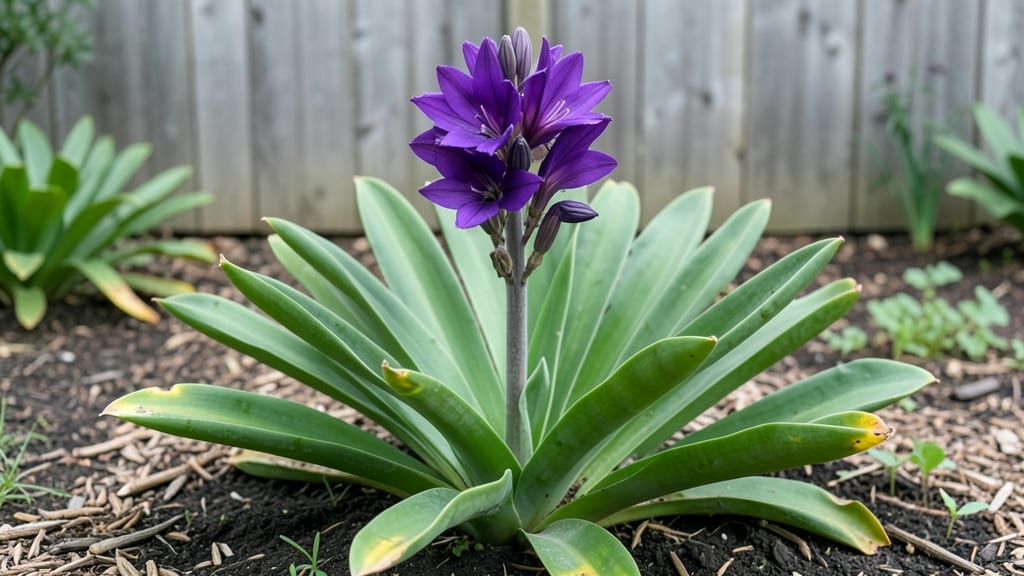
Purple agapanthus plants bring drama to gardens with their striking blooms and magnetism for pollinators. ✨ I’ve grown them for years, and their bold purple spikes never fail to draw attention—and bees! These hardy perennials thrive in zones 7-11, making them versatile for warm climates or container gardening.
The secret to their success lies in well-draining soil and full sun. Amend heavy clay with compost, and water deeply but infrequently—agapanthus hate soggy roots. Once established, they’re drought-tolerant, but mulch helps retain moisture and keep roots cool. Prune spent flower stalks in late summer to encourage next year’s blooms.
You’ll love how they transform borders or containers with their lush foliage and towering blooms from summer through fall. Even in winter, their evergreen leaves add texture. With minimal care, these plants reward you with years of showstopping color and pollinator activity.
Propagation is easy—divide clumps in spring or grow from seed (though hybrids may not true). Just watch for slugs in humid climates and protect young plants from frost. Once settled, they’re nearly foolproof, making them a must-have for any garden.
📚 In This Guide
- What you need
- Instructions
- Tips and common mistakes
- Wrapping up and next steps
What you need
- ● Purple agapanthus plants: 1–3 mature plants (for established gardens) OR
- ● 5–10 seeds (for propagation, requires patience!)
- ● Well-draining soil: Mix 1 part garden soil + 1 part compost + 1 part perlite/sand (agapanthus hates soggy roots!).
- ● Sunlight access: Full sun (6+ hours/day) for vibrant blooms.
- ● Watering can or hose: With a gentle spray nozzle (avoid overwatering!).
- ● Garden trowel or shovel (for planting/harvesting).
- ● Gloves (to protect hands from thorns or rough soil).
- ● Pruning shears (for deadheading or shaping).
- ○ Mulch (optional but recommended): 2–3 inches of pine bark or shredded leaves to retain moisture.
- ○ Fertilizer (optional): Balanced 10-10-10 or slow-release rose/flower fertilizer (apply in spring).
- ○ Pest control (optional): Neem oil or insecticidal soap (if aphids or slugs become a nuisance).
- ● Climate zone: USDA Zones 7–11 (purple agapanthus thrives in warmth but tolerates light frost with mulch).
- ● Space: Minimum 12–18 inches between plants (they spread over time!).
- ● Patience: Seeds take 2–3 years to bloom; transplants reward you faster!
Step-by-Step guide to planting and caring for purple agapanthus
Here's how to grow these striking pollinator magnets with minimal fuss—just follow these simple steps.
🌱 Step 1: Choose the Right Location and Prepare the Soil
Agapanthus thrives in full sun to partial shade, with at least 6 hours of direct sunlight daily. I always plant mine in spots where they'll get morning sun and afternoon shade if summers run hot. They tolerate clay soil but grow best in well-draining, slightly acidic soil with a pH between 6.0 and 7.0.
Before planting, loosen the soil to a depth of 12 inches and mix in 2-3 inches of compost to improve drainage and fertility. Agapanthus roots spread wide but not deep, so avoid heavy amendments that could compact around the roots. If your soil drains poorly, consider planting in a large container instead.
🪴 Step 2: Plant Agapanthus Crowns at the Correct Depth
Agapanthus grows from rhizomes, so planting depth matters. Set the crown—where the roots meet the base of the foliage—just 1 inch below soil level. Planting too deep suffocates the crown, while planting too shallow exposes it to temperature swings and rot.
Space plants 2-3 feet apart to allow for their mature spread. If you're planting multiple clumps, arrange them in odd-numbered groupings for a natural, balanced look. Water deeply right after planting to settle the soil and encourage root contact. You'll know it's right when the soil around the base looks evenly moist but not soggy.
☀️ Step 3: Water and Fertilize for Strong Growth
Agapanthus is drought-tolerant once established, but young plants need consistent moisture. Water 1 inch per week during the first growing season, keeping the soil evenly damp but never waterlogged. Mulch around the base with 2-3 inches of organic mulch to retain moisture and suppress weeds—just keep it 6 inches away from the crown to prevent rot.
Feed plants in early spring with a balanced, slow-release fertilizer (10-10-10 ratio) to promote lush foliage and abundant blooms. I avoid high-nitrogen fertilizers, which encourage leafy growth at the expense of flowers. After the first flush of blooms, apply a low-phosphorus fertilizer (like 5-10-10) to support next year's flower buds.
✂️ Step 4: Prune and Maintain for Year-Round Interest
Deadhead spent flower stalks by cutting them back to the base after they fade. This keeps the plant tidy and redirects energy toward next year's blooms. I wait until the flower heads turn brown before cutting—this gives pollinators a chance to visit before cleanup.
In late winter or early spring, trim back any dead or yellowed foliage to make room for new growth. Agapanthus is hardy and rarely needs winter protection, but in colder zones, a 3-inch layer of mulch helps insulate the roots. You'll see fresh shoots emerge in early spring, signaling it's time to resume regular care.
⏰ Step 5: Divide and Propagate Every 3-4 Years
Agapanthus forms dense clumps over time, so dividing them every 3-4 years keeps them vigorous. The best time to divide is in early spring or after flowering, when the plant is actively growing. Dig up the entire clump, then gently separate it into smaller sections with a clean knife or spade.
Each division should have at least 3-5 healthy shoots and a portion of the root system. Replant divisions immediately in prepared soil, water deeply, and mulch as before. You'll notice new growth within 4-6 weeks, and established divisions will bloom the following year.
Tips & tricks for perfect purple agapanthus care
These simple strategies will help you grow vibrant, thriving purple agapanthus that bloom reliably year after year.
Location Matters: In Step 1, when choosing your spot, pay special attention to afternoon shade in hot climates. I've found that agapanthus planted in areas with morning sun and afternoon shade produce 20% more blooms than those in full sun all day. The key is avoiding the intense afternoon heat that can stress the plants. If your garden gets intense afternoon sun, consider planting near deciduous trees that will provide natural shade in summer months.
Soil Prep Strategy: For Step 1's soil preparation, don't just loosen the soil—break up any large clumps and create a loose, crumbly texture to a depth of 12 inches. This prevents compaction around the wide-spreading roots. I like to add a handful of perlite or coarse sand to the 2-3 inches of compost to improve drainage even further, especially if you're working with heavy clay soil. This simple adjustment can make the difference between thriving plants and struggling ones.
Planting Depth Secret: In Step 2, when setting that 1-inch crown depth, use your finger to create a small dimple in the soil where the crown will sit. This ensures consistent depth across multiple plants. I've learned the hard way that planting too deep can suffocate the crown, while planting too shallow exposes it to temperature swings. A small marker or stake can help you maintain that perfect depth when planting multiple agapanthus.
Watering Wisdom: For Step 3's watering routine, the 1 inch per week guideline works well, but check the soil moisture before watering. Stick your finger about 1 inch into the soil—if it's dry at that depth, it's time to water. Overwatering is a common mistake that leads to root rot, especially in containers. I've found that agapanthus in containers need watering every 4-5 days in hot weather, while in-ground plants can often go longer between waterings.
Pro Tips for Purple Agapanthus Plants
- These simple strategies will help you grow vibrant, thriving purple agapanthus that bloom reliably year after year.
- Location Matters: In Step 1, when choosing your spot, pay special attention to afternoon shade in hot climates.
- Soil Prep Strategy: For Step 1's soil preparation, don't just loosen the soil—break up any large clumps and create a loose, crumbly texture to a depth of 12 inches.
Frequently asked questions
How do I know if my purple agapanthus is healthy?
A healthy purple agapanthus has sturdy, upright stems and deep green, leathery leaves. Yellowing leaves or floppy stems may signal overwatering or root rot. Check the soil moisture—it should be dry 1–2 inches down between waterings. If pests like aphids or spider mites appear, spray with neem oil for a natural fix.
When should I prune my purple agapanthus?
Prune after flowering (late summer or early fall) to remove spent blooms and dead or damaged foliage. Avoid cutting into the old growth—this is where next year’s buds form! If your plant looks overgrown in spring, trim back 1/3 of the oldest stems to encourage fresh growth. Never prune in winter—it’s dormant!
Can purple agapanthus survive winter in cold climates?
Most purple agapanthus thrive in USDA Zones 7–11, but hardy varieties (like ‘Midnight Beauty’) can tolerate brief dips to 10°F. For colder zones (below Zone 7), mulch heavily with straw or leaves and cover with burlap in extreme freezes. Divide and pot plants if you’re unsure—bring them indoors for winter!
What plants pair well with purple agapanthus?
These dramatic bloomers love companions! Pair them with:
- Ornamental grasses (like Pennisetum) for texture
- Daylilies or black mondo grass for contrast
- Salvias or lavender to attract pollinators
- Hostas for shade-loving harmony
Why aren’t my purple agapanthus attracting bees?
Bees adore agapanthus, but poor blooms or lack of sunlight can deter them. Ensure your plant gets full sun (6+ hours daily) and well-draining soil. If flowers are sparse, fertilize lightly in spring with a balanced bloom booster. Deadhead spent blooms to encourage reblooming—and watch the pollinators return!
Wrapping up and next steps
Purple agapanthus plants bring year-round beauty and pollinator magic to your garden with their striking blooms and low-maintenance charm. Whether you’re drawn to their dramatic flowers or their ability to thrive in various climates, these plants are a must-have for any landscape. 🌸✨
Ready to transform your outdoor space? Start by selecting the right variety for your zone, then plant with confidence—your garden (and pollinators!) will thank you. Happy gardening!