
Planting
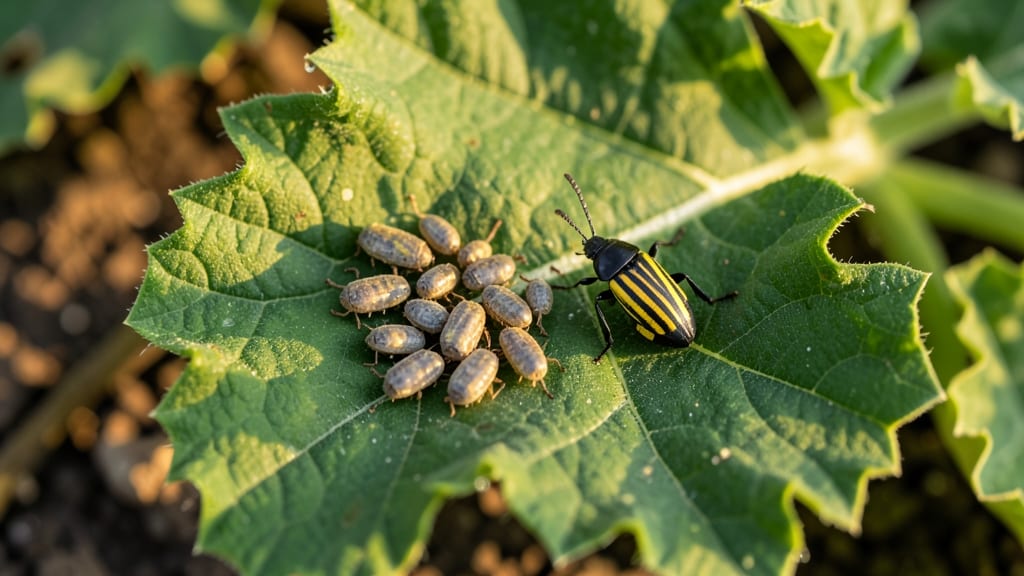
Pumpkin plant insects can turn your thriving vines into a skeleton of leaves overnight—unless you know what’s chewing and how to stop it. 🌱 I’ve lost entire patches to squash vine borers and cucumber beetles, but I’ve also saved gardens using simple, chemical-free tricks that work every time.
The key isn’t just spotting the bugs early—it’s understanding their life cycles so you can outsmart them before they strike.
Most damage comes from three sneaky culprits: striped cucumber beetles (those yellow-and-black striped pests), squash vine borers (tiny white moths that lay eggs on stems), and aphids (tiny green clusters that suck sap).
You’ll spot cucumber beetles during the day, vine borers when you see wilting vines, and aphids as sticky residue on leaves. The good news? Each has a weakness—like trapping beetles with yellow bowls of soapy water or hand-picking borer eggs before they hatch.
By rotating crops, planting marigolds nearby, and using row covers early, you can cut infestations by 80% without sprays. I’ve seen pumpkins go from ragged to robust just by adding a few companion plants and checking stems weekly for early signs of borers.
The payoff? Heavy, disease-free pumpkins that actually ripen instead of getting eaten alive.
This works for both backyard plots and container gardens—no fancy equipment needed. Let’s tackle the pests before they tackle your harvest.
Root Causes of Pumpkin Plant Pests
Pumpkin plants, with their sprawling vines and lush foliage, are a magnet for insects—some harmless, others devastating. Understanding why these pests target your pumpkins is the first step to protecting your harvest. Below, we break down the science behind the most common triggers, from environmental factors to plant vulnerabilities.
Pumpkins aren’t naturally pest-proof. When plants are stressed or weakened, they become easy prey. Here’s how it happens:
- Nutrient Deficiencies: Lack of nitrogen, phosphorus, or potassium weakens cell walls, making leaves and stems easier targets for chewing insects like cucumber beetles or squash bugs. Think of it like a human with a vitamin deficiency—your immune system (or in this case, the plant’s natural defenses) is compromised.
- Overcrowding: Dense plantings reduce airflow, creating humid microclimates that attract fungal-loving pests like aphids and whiteflies. Poor circulation also slows recovery from minor damage, inviting secondary infestations.
- Young or Old Leaves: New growth is tender and nutrient-rich, while aging leaves lose resilience. Both stages are prime real estate for pests like spider mites, which thrive on soft tissue.
Actionable Fix: Conduct a soil test before planting and amend with compost or balanced fertilizer. Space vines 3–4 feet apart for airflow, and prune old leaves to remove pest hotspots.
Pests don’t just appear—they’re lured by specific conditions. Heat, moisture, and even your garden’s location play a role:
- High Humidity: Moisture-loving insects like Diabrotica (spotted cucumber beetles) and fungal gnats multiply rapidly in damp soil. Overwatering or poor drainage turns your garden into a pest buffet.
- Warm Temperatures: Many pumpkin pests, such as squash vine borers, are cold-blooded. When soil temps rise above 60°F (15°C), their metabolism speeds up, leading to faster reproduction and feeding.
- Nearby Weeds or Wild Hosts: Dandelions, pigweed, and even volunteer pumpkin sprouts harbor pests year-round. These "reservoirs" ensure a steady supply of insects migrating to your prized plants.
Actionable Fix: Use drip irrigation to keep foliage dry, mulch with straw to regulate soil moisture, and remove weeds within a 10-foot radius of pumpkin plants. Consider row covers early in the season to delay pest arrival.
Pumpkins aren’t just food—they’re a five-star resort for insects. Their biology makes them irresistible:
| Pest Type | Why They’re Drawn In | Plant Weakness Exploited |
|---|---|---|
| Cucumber Beetles | Attracted by yellow flowers and sweet nectar | Feed on pollen and young leaves, transmitting bacterial wilt |
| Squash Bugs | Lured by crushed plant tissue (releases chemical signals) | Pierce vines to feed on sap, causing wilting and death |
| Aphids | Thrive on tender new growth and honeydew (their waste) | Weaken plants by siphoning sap and spreading viruses |
| Squash Vine Borers | Lay eggs on leaf axils (where leaves meet stems) | Larvae burrow into stems, cutting off water and nutrients |
Actionable Fix: Remove yellowing flowers to deter beetles, hand-pick squash bugs (drop them in soapy water), and inspect leaf axils weekly for vine borer eggs. Trap crops like radishes can divert pests away from pumpkins.
Pro Tip: 💡 Rotate crops annually—pests like vine borers overwinter in soil, so planting pumpkins in the same spot year after year gives them a permanent home. Move your patch to a new location each season to break the cycle.
Quick Fixes For Pumpkin Plant Pests
Pumpkin plants are resilient, but pests can quickly turn your garden into a battleground. The good news? Most infestations can be tackled with natural, chemical-free methods—no fancy gear required.
Below, we’ve mapped the most common pumpkin plant insects to their fixes, so you can act fast and keep your vines thriving.
Signs: Wilting vines, sawdust-like frass near stems, or holes in leaves. Why it happens: These destructive larvae tunnel through stems, cutting off water and nutrients.
How to Fix It
- 🔥 Handpick Larvae Early
- Inspect stems weekly (especially in late spring/early summer).
- Look for small holes or sawdust-like droppings—these mean larvae are inside.
- Gently split the stem with a knife or scissors to remove larvae (wear gloves!).
- 🍳 DIY Trap Crops & Barriers
- Plant radishes or turnips nearby—borers prefer them over pumpkins.
- Wrap foil or cardboard collars around young stems (6 inches tall) to block egg-laying adults.
- 👨🍳 Organic Sprays (Apply at Dusk)
- Neem oil (1 tsp + 1 tsp mild soap per quart of water) disrupts their life cycle.
- Bacillus thuringiensis (Bt)—a natural bacteria that kills larvae when ingested.
- 🔪 Prune & Replace Infested Plants
- If a vine is severely damaged, cut it at the base to stop the spread.
💡 Prevention Tip:
- Rotate crops—don’t plant cucurbits (pumpkins, squash, melons) in the same spot yearly.
- Mulch heavily with straw to deter adult moths from laying eggs.
Signs: Sticky residue ("honeydew"), curled leaves, or tiny green/black clusters on undersides.
How to Fix It
- 🍳 Blast Them Off with Water
- Strong spray from a hose (early morning) knocks them off plants.
- 🌡️ Introduce Beneficial Insects
- Ladybugs, lacewings, or parasitic wasps love aphids—buy them online or attract them with dill or fennel nearby.
- 🎯 Homemade Sprays
- Soap spray: 1 tbsp castile soap + 1 quart water (spray directly on pests).
- Garlic/chili spray: Blend 2 garlic cloves + 1 chili pepper in water, strain, and spray.
💡 Prevention Tip:
- Encourage biodiversity—flowering plants like marigolds repel aphids.
- Avoid over-fertilizing (especially nitrogen)—aphids thrive on soft, new growth.
Signs: Fine webbing on leaves, yellow stippling, or leaves turning bronze.
How to Fix It
- 🔥 Increase Humidity
- Mites hate moisture—mist plants daily or use a shade cloth in hot weather.
- 🌡️ Neem Oil or Horticultural Oil
- Spray every 5–7 days until mites disappear (they reproduce fast!).
- 💦 Rinse Leaves
- Wet a sponge and wipe leaves to remove mites physically.
💡 Prevention Tip:
- Prune for airflow—crowded plants trap mites.
- Release predatory mites (like Phytoseiulus persimilis) for long-term control.
Signs: Chewed leaves, yellowing vines, or tiny holes in fruit.
How to Fix It
- 🔪 Handpick & Drop in Soapy Water
- Pick beetles off early morning when they’re sluggish.
- 🍳 Row Covers for Young Plants
- Use floating row covers until flowers appear (beetles can’t lay eggs through them).
- 🎯 Beer Traps
- Bury a shallow dish filled with beer near plants—beetles drown in it.
💡 Prevention Tip:
- Plant trap crops like radishes or mustard greens to lure them away.
- Avoid planting near corn—beetles love both.
Signs: Tiny white flies swarming when you disturb leaves, sticky residue.
How to Fix It
- 🔥 Yellow Sticky Traps
- Hang yellow cards coated in petroleum jelly to catch adults.
- 🌡️ Soap Spray (Repeat Weekly)
- 1 tsp insecticidal soap + 1 quart water—spray undersides of leaves.
- 💦 Increase Airflow
- Whiteflies thrive in hot, humid conditions—space plants for ventilation.
💡 Prevention Tip:
- Inspect new plants before bringing them home (whiteflies hitchhike easily).
- Encourage wasps (like Encarsia formosa)—they parasitize whitefly pupae.
✅ Rotate crops annually to starve soil-borne pests. ✅ Plant companion plants—marigolds, nasturtiums, or basil deter many insects. ✅ Inspect plants weekly (early detection = easier fixes). ✅ Keep garden tools clean to avoid spreading pests. ✅ Use reflective mulch (aluminum foil) to confuse flying insects.
Remember: The key to beating pumpkin plant insects is speed and consistency. Act at the first sign of trouble, and your vines will reward you with healthy, pest-free pumpkins! 🎃💪
Frequently asked questions
What are the most destructive pumpkin plant insects I should watch for?
Focus on squash vine borers (larvae that tunnel through stems), striped cucumber beetles (yellow-and-black striped pests that spread disease), and aphids (tiny green clusters that weaken plants). These three cause the most damage if left unchecked.
How do I tell if my pumpkin plant has squash vine borers?
Look for wilting vines, sawdust-like frass near stems, or small holes in leaves. Split the stem open—if you see white larvae inside, you’ve got borers. Act fast by removing infested vines and treating healthy ones with neem oil.
Can I use neem oil on pumpkin plants without harming them?
Yes! Neem oil is safe for pumpkin plants when used correctly. Mix 1 teaspoon neem oil + 1 teaspoon mild soap per quart of water and spray at dusk to avoid harming bees. It disrupts insect life cycles without damaging your plants.
What’s the best way to prevent cucumber beetles naturally?
Use floating row covers until flowers appear, plant trap crops like radishes nearby, and bury beer traps (shallow dishes filled with beer) to drown beetles. Handpick them in the morning when they’re sluggish.
Will companion planting really help with pumpkin pests?
Plant marigolds, nasturtiums, or basil near your pumpkins—they repel pests like aphids and cucumber beetles. These flowers also attract beneficial insects like ladybugs and lacewings that prey on garden pests.