Pruning
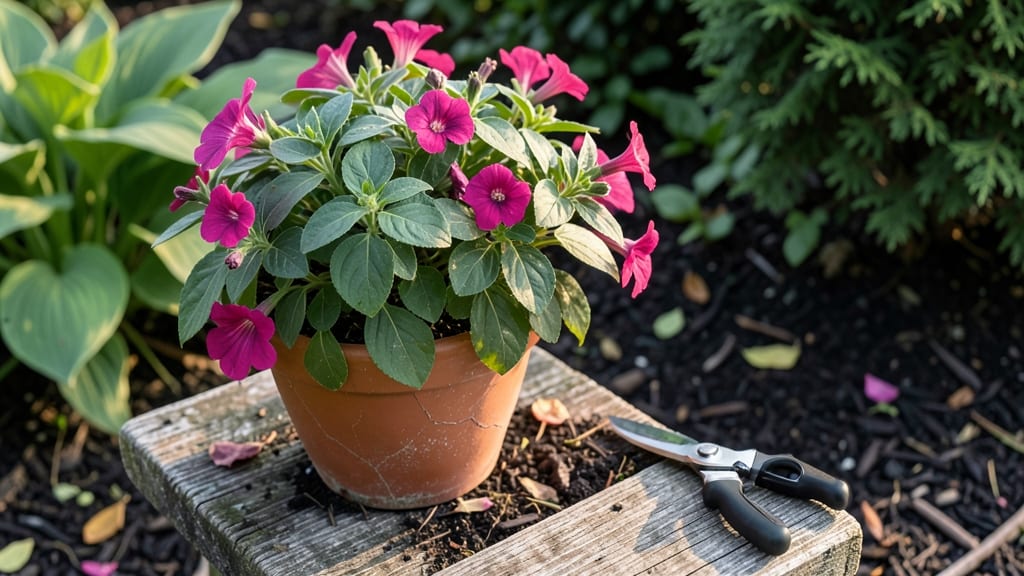
Pruning impatiens plants isn’t just about tidying up—it’s the secret to turning a single flush of blooms into nonstop color all season. I’ve watched leggy, sparse plants transform after just two simple cuts, and the difference is shocking.
The key? Timing and technique matter more than how much you trim.
You’ll need sharp pruning shears (or clean scissors) and about 15 minutes for each plant. The first cut happens right after the initial blooms fade—snip back by a third to encourage new growth.
The second comes in late summer, just before fall, to give plants a final boost before cooler weather slows them down. Deadheading spent flowers along the way keeps energy flowing to fresh blooms instead of seed pods.
What you’ll end up with is a bushy, vibrant plant that blooms until frost. The flowers stay bright and abundant, and the foliage fills in neatly.
Even leggy plants can bounce back with the right pruning—just avoid cutting into old, woody stems, and you’ll keep them looking fresh all summer long.
This works for both bedding impatiens and the trailing varieties in hanging baskets. The same principles apply whether you’re shaping a border or keeping a basket from looking sparse. Ready to give it a try?
📚 In This Guide
- What you need
- Instructions
- Tips and common mistakes
- Wrapping up and next steps
What you need
- ● Sharp pruning shears – Bypass pruners (4-6 inch blades) for clean cuts without crushing stems. Sterilize with rubbing alcohol before and after use!
- ● Clean, sharp scissors or garden knife – For smaller stems or delicate trimming (3-4 inch blades).
- ● Rubbing alcohol (70% isopropyl) or bleach solution – 1 part bleach to 9 parts water to disinfect tools and prevent disease spread.
- ○ Gloves (optional but recommended) – Nitrile or latex gloves to protect against thorns (some impatiens varieties) and sap.
- ● Compost bin or bag – For collecting pruned stems and leaves.
- ● Plant growth hormone (rooting powder) – If propagating from cuttings (e.g., Clonex or Hormex).
- ● Small plastic containers with water – For rooting cuttings before replanting.
- ● Garden twine or stakes – To support leggy stems post-pruning if needed.
- ● Hose with nozzle or spray bottle – For rinsing off sap or dust before trimming.
Instructions for pruning impatiens plants to keep them blooming
Here’s my proven two-step method to keep impatiens lush and flowering from spring through fall.
First Pruning for Bushier Growth
Wait until your impatiens have grown to about 6 inches tall—usually 4-6 weeks after planting. This first cut encourages branching, which means more blooms later. Using clean, sharp pruning shears, snip back the main stems just above a set of leaves where new growth will emerge. I like to cut at a 45-degree angle to prevent water from pooling on the stem, which can cause rot.
Don’t cut more than one-third of the plant’s height at once. If you do, you’ll shock the plant and slow down flowering. Instead, focus on trimming leggy or overgrown stems first. After pruning, step back and admire the new shape—you’ll see fresh, compact growth within 2-3 weeks. This is when the magic happens: those side shoots will soon burst with flowers.
Mid-Season Pruning for Continuous Blooms
About 6-8 weeks after the first pruning, or whenever you notice stems getting woody and flower production slowing, it’s time for the second cut. This time, trim back one-third of the plant’s current height, but only on the oldest stems. Focus on removing spent blooms and any stems that look tired or leggy. Cut just above a leaf node or a healthy set of leaves to encourage new growth.
Here’s the thing—impatiens bloom best when they’re slightly stressed, and this pruning mimics nature’s cycle. After this cut, your plant will send out fresh, vibrant growth, and you’ll see a second flush of flowers in 3-4 weeks. Keep an eye out for any stems that look crowded or blocked from airflow. Those are prime candidates for trimming to prevent disease.
Light Maintenance Pruning for Year-Round Blooms
Once your impatiens are established, a little weekly maintenance keeps them looking their best. Every 7-10 days, remove any dead or dying leaves and spent blooms. This isn’t just for looks—it redirects the plant’s energy toward producing new flowers instead of seeding old ones. Pinch back any stems that grow too long or leggy, cutting just above a set of leaves.
I always prune in the early morning when the plants are hydrated and the air is cool. This gives them time to recover before the heat of the day. If you notice yellowing leaves or stems, don’t wait—trim them immediately. Yellow leaves can signal overwatering or disease, and removing them early prevents the problem from spreading. With consistent pruning, your impatiens will keep blooming until the first frost.
Tips & tricks for pruning impatiens plants
These simple strategies will help you keep your impatiens thriving and blooming beautifully all season long.
The Right Time Factor: Timing is everything with impatiens. In Step 1, wait until your plants reach about 6 inches tall—this usually takes 4-6 weeks after planting. Don't rush this first pruning; younger plants need time to establish their root systems. I've seen beginners prune too early, which can stunt growth rather than encourage it. The 2-3 week recovery period after pruning is when those side shoots really start to grow, so be patient and let the plant work its magic.
Cutting Technique: Always use clean, sharp pruning shears and make your cuts at a 45-degree angle just above a set of leaves. This angle prevents water from pooling on the stem, which can lead to rot. In Step 2, when you're trimming back one-third of the plant's height, focus on the oldest stems first. These are the ones that have already done their job of producing flowers and are now just taking up space. I've learned this the hard way—cutting too much at once can shock the plant and actually reduce flowering.
Stress Management: Remember that impatiens bloom best when they're slightly stressed. The pruning process mimics nature's cycle by encouraging new growth. When you see stems getting woody or flower production slowing in Step 2, that's your cue to prune. The 3-4 week window for the second flush of flowers is when you'll see the real benefits of your strategic cuts. Don't be afraid to prune—it's how you get that second burst of vibrant blooms that keeps your garden looking fresh all season.
Maintenance Schedule: Once your impatiens are established, that weekly maintenance is key. The 7-10 day cycle for removing dead leaves and spent blooms might seem like a lot, but it really pays off. I always do this in the early morning when the plants are hydrated and the air is cool. This gives them time to recover before the heat of the day. Think of it as giving your plants a little spa treatment—they'll thank you with continuous blooms until the first frost.
Pro Tips for Pruning Impatiens Plants
- These simple strategies will help you keep your impatiens thriving and blooming beautifully all season long.
- The Right Time Factor: Timing is everything with impatiens.
- Cutting Technique: Always use clean, sharp pruning shears and make your cuts at a 45-degree angle just above a set of leaves.
Frequently asked questions
Got questions about keeping your impatiens blooming beautifully? Here are some of the most common concerns—plus quick, expert answers to keep your plants thriving!
When is the best time to prune impatiens for maximum blooms?
The ideal times are right after the first flush of flowers (early summer) and again in late summer (late August). These two cuts encourage bushier growth and nonstop blooms. Avoid pruning in fall—let the plant rest!
How much should I cut back impatiens plants?
Aim to trim back 1/3 of the plant’s height during each pruning session. For leggy impatiens, you can even cut back to just above a set of leaves—new growth will sprout quickly! Just avoid over-pruning, or you’ll stress the plant.
What do I do if my impatiens look sad after pruning?
Don’t panic! Impatiens bounce back fast. After pruning, water deeply and place them in bright, indirect light (they hate harsh sun). If leaves yellow, it’s normal—new growth will replace them in 2–3 weeks.
Can I prune impatiens in containers differently than garden plants?
Yes! Container impatiens need slightly more frequent trims (every 3–4 weeks) because they’re root-bound. Pinch off spent blooms and leggy stems to encourage compact growth. Rotate pots weekly for even light exposure!
Will pruning impatiens help them survive winter?
Nope—impatiens are annuals (or tender perennials in warm zones). Pruning keeps them blooming while they’re alive, but they won’t overwinter. Save seeds or cuttings if you love them! For winter, focus on healthy fall growth to maximize next year’s potential.
Wrapping up and next steps
Pruning your impatiens isn’t just about keeping them tidy—it’s the secret to vibrant, long-lasting blooms all season long! 🌸 With just two strategic cuts (spring and mid-summer), you’ll encourage bushier growth, healthier foliage, and nonstop color.
Remember: confidence comes with practice, so don’t hesitate to grab those shears and get pruning!
Ready to transform your garden? Start today—pick a sunny spot, gather your tools, and give your impatiens the TLC they deserve. Your future blooms will thank you!