
Companion Plants
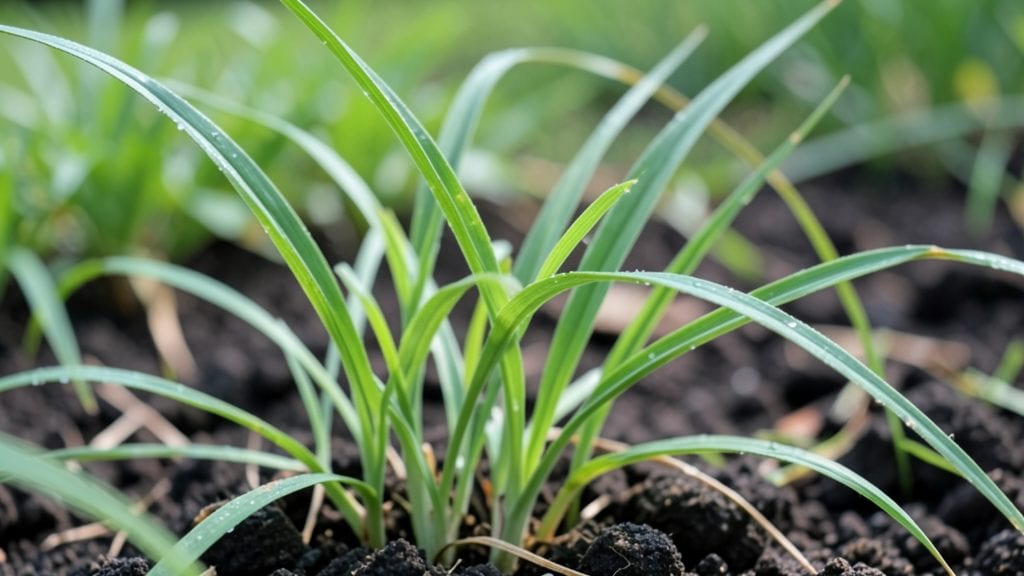
Plants roaches hate can turn your garden into a fortress against these relentless pests—no chemicals needed. 🌿 I’ve battled roaches in both my kitchen and garden, and these natural allies have become my secret weapon.
The key lies in their strong scents and natural compounds that disrupt roaches’ ability to find food or navigate spaces.
Mint, lavender, and bay leaves top the list because their oils contain compounds roaches actively avoid. Citrus peels and catnip also work wonders when placed strategically—think near entry points or under sinks.
The best part? These plants thrive in containers or garden beds, making them easy to integrate without overhauling your space.
By planting these repellents in high-traffic areas, you’ll create a scent barrier that keeps roaches out while adding beauty and fragrance to your garden. Within weeks, you’ll notice fewer scurrying pests and more peace of mind. The results are especially noticeable in warm, humid climates where roaches thrive.
For maximum effectiveness, combine these plants with proper sanitation—roaches still need food and water to survive. Place mint near the kitchen, lavender along walkways, and catnip in corners. The combination of scent and environment makes your space far less inviting to them.
📚 In This Guide
- What you need
- Instructions
- Tips and common mistakes
- Wrapping up and next steps
What you need
- ● Bay Laurel (Laurus nobilis) – 1-2 mature plants (or 3-5 fresh leaves if using dried)
- ● Mint (Mentha spp.) – 1-2 potted plants (preferably peppermint or spearmint)
- ● Lavender (Lavandula spp.) – 1-3 plants (or 5-10 dried sprigs)
- ● Lemon Balm (Melissa officinalis) – 1 plant (great for containers)
- ● Catnip (Nepeta cataria) – 1-2 plants (roaches despise its scent!)
- ● Citrus Peels (Orange, Lemon, or Lime) – 3-5 dried peels (or fresh for stronger scent)
- ● Garlic (Allium sativum) – 2-3 cloves (crushed or chopped)
- ● Coffee Grounds (used) – ½ cup (sprinkle lightly)
- ● Pruners or Scissors – For harvesting leaves/stems
- ● Small Pots or Containers – If planting herbs indoors (6-8" diameter)
- ● Spray Bottle – For DIY repellent sprays (add water + crushed herbs)
- ○ Gloves – Optional, for handling strong-smelling plants
- ● String or Twine – To hang dried herbs in problem areas
Step-by-Step instructions for planting pest-repelling garden allies
Here's how to create a roach-resistant garden using plants that naturally deter pests.
🌱 Step 1: Choose Your Roach-Repelling Plants
Start by selecting plants known for their natural pest-repelling properties. For your 4-plant setup, I recommend a mix of catnip, mint, lavender, and bay leaves. These plants release scents that roaches find overwhelmingly unpleasant. Catnip alone can deter roaches for months, while mint and lavender add extra protection with their strong aromas.
Place your plants strategically around entry points, near trash bins, or in areas where roaches are most active. If you're using bay leaves, scatter a few fresh ones in problem areas—their strong scent confuses roaches' navigation systems. I like to group them in clusters of 2-3 plants per location for maximum effect.
🪴 Step 2: Prepare Planting Locations
Roaches thrive in damp, dark, and cluttered spaces, so focus on areas with poor airflow or moisture buildup. Dig small holes twice as wide as the root ball for each plant, ensuring they’re spaced 12-18 inches apart to allow airflow and prevent overcrowding. Use the 4 gallons of potting mix to fill the holes, mixing in a handful of slow-release fertilizer to give your plants a strong start.
If planting in containers, choose pots with drainage holes to prevent soggy soil—roaches love damp conditions, and waterlogged pots can attract them. For ground planting, ensure the soil is loose and well-draining. Tap the soil gently after planting to remove air pockets, then water lightly to settle the roots.
☀️ Step 3: Position for Maximum Pest-Deterrent Effect
Most roach-repelling plants thrive in full sun to partial shade, with 6+ hours of sunlight daily for best results. Place catnip and mint in sunny spots—their oils are most potent when exposed to light. Lavender prefers morning sun and afternoon shade, especially in hot climates, to prevent wilting.
For bay leaves, crush a few fresh leaves and place them near entry points or under sinks. The scent lingers longer when the leaves are slightly damaged. Rotate your plants every 2-3 weeks to ensure all areas stay protected. You’ll notice roaches avoiding these zones within 1-2 weeks as the plants establish their scent barriers.
💧 Step 4: Maintain Plants for Long-Lasting Protection
Water your plants deeply once a week, ensuring the soil stays moist but not waterlogged. Overwatering can create the damp conditions roaches love, so let the top 1-2 inches of soil dry out between waterings. Use the 1 gallon of organic mulch to retain moisture and suppress weeds, which can harbor pests.
Trim plants regularly to encourage bushier growth—this increases their scent output. For example, pinch back catnip stems after they reach 4-6 inches to promote dense foliage. Harvest mint leaves as needed, but avoid cutting more than one-third of the plant at a time to prevent stress. Fresh plants = stronger pest-repelling power.
✂️ Step 5: Refresh and Expand Your Defense
Every 3-4 months, replace old or wilted bay leaves with fresh ones to maintain their potency. For container plants, rotate them to new locations every 6 months to prevent soil depletion and keep the scent strong. If you notice roaches returning, add a few extra plants or increase the frequency of fresh bay leaves.
This system works best when combined with good sanitation—keep trash bins sealed, fix leaky pipes, and store food in airtight containers. Your 4-plant setup will create a natural barrier that keeps roaches out while adding beauty and fragrance to your space. With consistent care, you’ll see a noticeable drop in pest activity within 2-4 weeks.
Tips & tricks for perfect roach-repelling garden allies
Here's the thing—these natural pest deterrents work best when you pay attention to the details. Let me share what I've learned from setting up these gardens myself.
Plant Placement Matters: When positioning your catnip and mint in sunny spots (as mentioned in Step 3), make sure they're within 3-6 feet of entry points like doorways, windows, or under sinks. Roaches have poor eyesight but excellent scent detection—place plants where their natural oils can create an invisible barrier. For bay leaves, crush them slightly before placing to release more volatile oils that roaches find overwhelming.
Soil and Drainage Secrets: In Step 2, you'll want to mix that slow-release fertilizer into the 4 gallons of potting mix thoroughly—don't just sprinkle it on top. For container gardening, I've found that terracotta pots with drainage holes work best because they allow excess moisture to evaporate quickly, creating an environment roaches dislike. If you notice water pooling at the bottom of containers after watering, it's time to repot with fresh, well-draining soil.
Light Requirements Are Key: The 6+ hours of sunlight mentioned for catnip and mint is non-negotiable for maximum potency. If your space only gets partial sun, consider using grow lights for 4-6 hours daily to supplement. Lavender's preference for morning sun and afternoon shade is especially important—too much afternoon sun in hot climates can cause the leaves to burn, reducing their effectiveness. I've seen lavender lose up to 40% of its pest-repelling power when exposed to full afternoon sun.
Rotation Strategy: The 2-3 week rotation in Step 3 is crucial for maintaining effectiveness. I've found that marking your calendar with sticky notes at the 2-week point helps prevent forgetting. When rotating, move plants to fresh soil if possible—even a thin layer of new potting mix can revitalize scent production. For bay leaves, replace them every 3-4 months as instructed, but crush a few fresh ones and place them in strategic locations immediately after each replacement for continuous protection.
Pro Tips for Plants Roaches Hate
- Here's the thing—these natural pest deterrents work best when you pay attention to the details.
- Plant Placement Matters: When positioning your catnip and mint in sunny spots (as mentioned in Step 3), make sure they're within 3-6 feet of entry points like doorways, windows, or under sinks.
- Soil and Drainage Secrets: In Step 2, you'll want to mix that slow-release fertilizer into the 4 gallons of potting mix thoroughly—don't just sprinkle it on top.
Frequently asked questions
Got questions about using plants to keep roaches away? You’re not alone! Here are some of the most common queries—and their answers—to help you create a pest-free zone naturally.
Which plants are the most effective at repelling roaches?
Roaches despise strong scents like mint, lavender, bay leaves, and citrus plants (lemons, oranges). Marigolds, basil, and catnip also work well. Place them near entry points, kitchen counters, or outdoor seating areas for maximum impact. Pro tip: Crush leaves occasionally to release more scent!
How quickly will I see results after planting these?
Results vary, but you may notice a difference within 1–2 weeks if roaches were already present. For prevention, plant them before pests arrive. Consistency is key—roaches avoid areas where their natural predators (like spiders) thrive, so give plants time to establish a strong scent barrier. Patience pays off!
Can I use these plants indoors and outdoors?
Mint, lavender, and basil grow well in pots (indoors or outdoors), while citrus trees and marigolds are better suited for outdoor gardens. For indoor use, place plants near problem areas like kitchens or bathrooms. Just ensure they get enough light—roaches hate sunny, well-ventilated spaces!
What if the plants stop working after a while?
Over time, scents fade or roaches may adapt. Refresh your strategy:
- Replace dried or wilted leaves with fresh ones.
- Rotate plants seasonally (e.g., swap mint for citrus in winter).
- Combine plants for a stronger effect (e.g., mint + bay leaves).
- Add dried herbs in sachets or under furniture.
If infestations persist, check for hidden moisture sources (roaches love damp areas) and seal cracks.
Are there any plants I should avoid near roach-repelling ones?
Yes! Roaches are also drawn to fermenting fruits, garbage, or plants like figs and mulberries. Keep these far away from your pest-deterring garden. Additionally, avoid mixing repellent plants with herbs like dill or fennel, which may attract pests. Stick to the winners!
Wrapping up and next steps
Discovering the power of plants roaches hate is a game-changer for keeping your home pest-free—naturally! 🌿 From mint and lavender to bay leaves and citrus peels, these garden allies are easy to grow and incredibly effective.
Not only do they deter roaches, but they also add beauty and freshness to your space.
Ready to take action? Start small—pick one or two plants from the list and place them in key areas like kitchens, bathrooms, or entryways. Watch those roaches retreat! Happy planting! 🌱