
Companion Plants
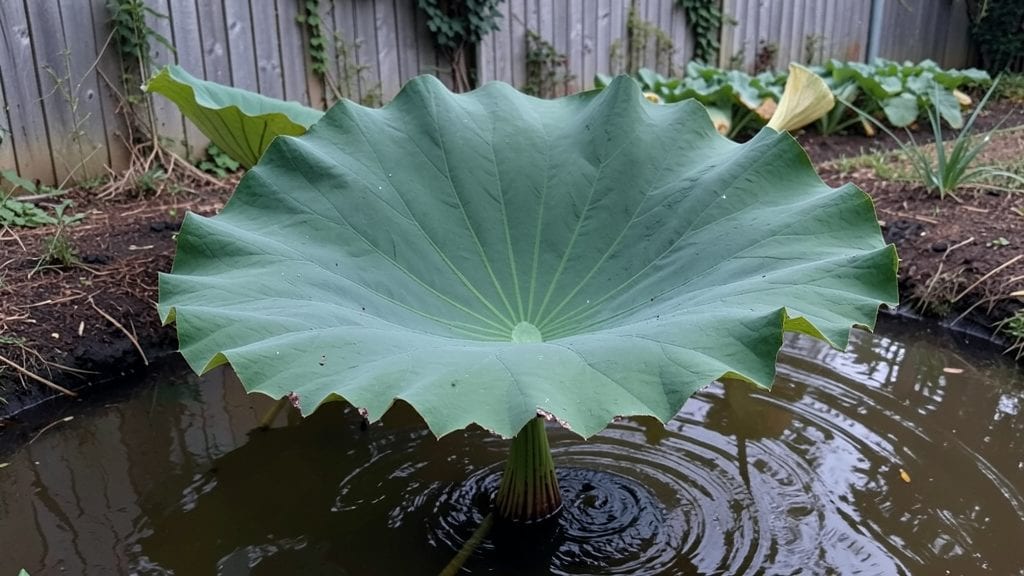
The plants of Victoria’s lush gardens bring regal elegance to shaded corners where others struggle. ✨ I’ve spent years curating these native beauties that thrive under tree canopies, their delicate blooms and glossy leaves turning dull spaces into quiet sanctuaries.
These aren’t just survivors—they’re the stars of Victorian gardens, offering both drama and understated grace.
Victoria’s climate gifts us plants like the Victoria plum with its velvety foliage and fragrant spring flowers, or the coastal banksia, whose spiky blooms attract birds while adding texture. They demand little—just rich, moist soil and protection from harsh afternoon sun—and reward you with seasons of interest.
The right combination creates layers of color and movement, even in the deepest shade.
Imagine your garden in spring, where Victoria’s native ferns unfurl like lace, followed by the bold purple spikes of wild iris and the creamy blooms of tree lilies.
These plants don’t just fill space—they weave a story of resilience and beauty, perfect for gardeners who love drama without the fuss. They’re the secret weapon for transforming shady patches into lush, living tapestries.
Whether you’re in Victoria’s temperate rainforests or its drier inland areas, these plants adapt beautifully. The key is matching them to your microclimate—moisture-loving species for shadier spots, tougher varieties for drier corners. Let’s bring that royal garden feel to your own backyard, one native plant at a time.
📚 In This Guide
- What you need
- Instructions
- Tips and common mistakes
- Wrapping up and next steps
What you need
- ● Victoria amazonica tubers or seeds – 1-3 tubers (for immediate blooms) or seed packets (if starting from scratch). Choose healthy, firm tubers with visible growth buds.
- ● Large containers or ponds – Minimum 36-inch diameter for tubers (or a shallow pond with 12–18 inches of water depth). Ensure they’re non-toxic and sturdy.
- ● High-quality pond soil or aquatic substrate – 2–3 bags (for drainage and nutrient-rich planting). Mix with perlite or sand (1 part substrate to 1 part perlite) for optimal aeration.
- ● Slow-release aquatic fertilizer – 1 packet (look for low-nitrogen, high-potassium blends like 10-5-20 or 5-10-10 for water plants).
- ● Water – Dechlorinated (use a water conditioner like Seachem Prime or let tap water sit for 48 hours). 10+ gallons per tuber initially.
- ● Garden trowel or pond planting tool – For gentle, precise placement of tubers.
- ● Gloves – Waterproof or nitrile (Victoria plants have spiky leaves!).
- ● pH test kit – To monitor water acidity (ideal range: 5.5–6.5).
- ○ Floating plant fertilizer tablets – Optional but helpful (e.g., Root Tabs for slow nutrient release).
- ○ Pond thermometer – Optional (Victoria thrives in 70–85°F water).
- ● Decorative rocks or driftwood – To enhance the pond’s aesthetic (ensure they’re safe for aquatic life).
- ○ Submersible water pump – For gentle circulation (optional but reduces stagnation).
- ● Companion plants – Water hyacinth, lotus, or water lettuce to create a lush, layered effect.
Step-by-Step guide to cultivating Victoria’s queenly shade garden
Transform your shady corners into regal retreats with these refined florals that thrive where others falter.
🌿 Step 1: Select the Perfect Shade-Loving Specimens
Victoria’s garden elegance thrives in partial to full shade, so choose plants that naturally flourish in 4-6 hours of dappled light daily. My go-to selections for this project include hostas (for lush foliage), heucheras (for vibrant foliage color), and astilbes (for delicate plumes). These varieties tolerate moisture and cooler temperatures—ideal for shaded spots where sun-loving plants struggle.
Look for healthy, established plants with firm stems and no signs of yellowing or browning. Avoid specimens with mushy stems or wilting leaves, as these indicate stress or disease. I always source mine from reputable nurseries specializing in shade-tolerant plants, ensuring they’re acclimated to lower light conditions.
🪴 Step 2: Prepare the Soil for Optimal Drainage and Moisture
Shade gardens demand rich, well-draining soil that retains moisture without becoming waterlogged. Amend your existing soil with 3 gallons of peat moss and 2 gallons of compost per 4 square feet of planting area. This blend improves aeration while holding moisture—critical for shade-loving plants that rely on consistent hydration.
Test the soil’s moisture by squeezing a handful. It should hold together but not drip water. If it feels too dense, add another 1 gallon of perlite to prevent compaction. I like to work the amendments into the top 6 inches of soil, ensuring roots can easily penetrate the improved layer.
☀️ Step 3: Plant with Strategic Spacing for Long-Term Elegance
Dig holes twice as wide as the root ball but only as deep as the container’s base. This prevents burying stems too deeply, which can lead to rot. Gently remove plants from their containers, loosen the roots if they’re circling, and place them in the holes. Fill around the roots with the amended soil, pressing lightly to eliminate air pockets.
Space plants according to their mature size: hostas 18-24 inches apart, heucheras 12-18 inches apart, and astilbes 18-24 inches apart. This ensures they have room to spread without competing for nutrients. Water deeply after planting to settle the soil and encourage root establishment.
💧 Step 4: Maintain Consistent Moisture and Mulch for Protection
Shade gardens dry out more slowly, but that doesn’t mean they’re drought-proof. Water 1-2 times per week, depending on rainfall, until the top 2 inches of soil feel moist. Avoid overhead watering, which can promote fungal diseases. Instead, use a soaker hose or water at the base of plants.
Apply a 2-inch layer of mulch (such as shredded bark or pine needles) around plants, keeping it 2 inches away from stems to prevent rot. Mulch conserves moisture, regulates soil temperature, and suppresses weeds—all essential for maintaining a polished, low-maintenance garden.
✂️ Step 5: Prune and Divide for Seasonal Renewal
In early spring, remove any dead or damaged foliage to encourage new growth. For hostas, I trim back brown leaves in late winter, just as new shoots emerge. Heucheras and astilbes benefit from a light pruning after flowering to maintain shape and encourage bushiness.
Every 3-4 years, divide clumps in early spring to rejuvenate plants. Dig up the entire plant, separate the crowns with a clean knife, and replant the healthiest sections. This prevents overcrowding and ensures your garden remains vibrant and full of energy.
Tips & tricks for cultivating Victoria’s queenly shade garden
Creating a regal shade garden isn't just about planting—it's an art that thrives on precision and foresight. These refined techniques will elevate your garden from ordinary to extraordinary, ensuring your shade-loving specimens flourish with the elegance Victoria herself would admire.
Light Assessment: Before selecting plants, spend a week observing your garden's light conditions. Note how shadows shift throughout the day—morning sun may create dappled light that's perfect for hostas, while afternoon shade might suit heucheras better. I use a simple app to track light exposure, which helps me match plants to their ideal microclimates within the garden. This attention to detail prevents the disappointment of plants struggling in less-than-ideal conditions.
Soil Preparation Strategy: When amending your soil with the specified 3 gallons of peat moss and 2 gallons of compost per 4 square feet, I recommend working in the amendments a week before planting. This gives the soil time to settle and allows beneficial microbes to establish themselves. For clay-heavy soils, consider adding an extra 1 gallon of coarse sand to improve drainage further. The goal is to create a soil environment where roots can thrive without the stress of waterlogging or compaction.
Planting Precision: In Step 3, when placing your plants, I've found that using a garden trowel to create a small well around each root ball helps prevent soil settling and ensures proper root contact with the amended soil. For hostas and astilbes, which have more substantial root systems, I gently tease out any circling roots before planting—this encourages outward growth rather than a tight, gnarled root ball. The strategic spacing you're using (18-24 inches for hostas and astilbes, 12-18 inches for heucheras) will give your garden that polished, layered look that's so characteristic of Victorian gardens.
Seasonal Maintenance Calendar: Mark your calendar for early spring pruning (just as new shoots emerge for hostas) and late summer/early fall division (every 3-4 years). I keep a small notebook by my gardening tools to record when I last divided each plant—this prevents overcrowding and ensures your garden maintains its vitality. For heucheras, a light pruning after flowering in late summer encourages fresh foliage growth that will carry you into autumn. This seasonal rhythm keeps your garden looking intentional and well-cared-for year-round.
Pro Tips for Plants Of Victoria
- Creating a regal shade garden isn't just about planting—it's an art that thrives on precision and foresight.
- Light Assessment: Before selecting plants, spend a week observing your garden's light conditions.
- Soil Preparation Strategy: When amending your soil with the specified 3 gallons of peat moss and 2 gallons of compost per 4 square feet, I recommend working in the amendments a week before planting.
Frequently asked questions
Got questions about cultivating Victoria’s stunning shade-loving plants? You’re not alone! Here are answers to the most common queries—whether you’re a beginner or a seasoned green thumb.
What are the easiest shade-tolerant plants for Victoria’s climate?
Victoria’s mild, moist climate thrives with ferns (e.g., sword ferns), hostas, astilbes, and impatiens. For bold foliage, try heucheras or caladiums. These plants love dappled shade and Victoria’s humidity—perfect for under trees or north-facing gardens.
When is the best time to plant shade-loving annuals in Victoria?
Plant cool-season annuals (like pansies or sweet alyssum) in early spring (September–October) or late winter (July–August) to avoid summer heat stress. Heat-tolerant picks (e.g., impatiens, fuchsias) can go in spring (October–November) once soil warms slightly.
How do I keep slugs and snails from destroying my hostas?
Victoria’s damp climate = slug heaven! Diatomaceous earth (food-grade) or copper tape barriers work well. Handpick pests at dawn, or try beer traps (bury a shallow dish of beer—slugs drown!). Plant slug-resistant alternatives like heucheras or lamium nearby as a buffer.
Can I grow Victoria’s signature plants in containers?
Hostas, ferns, and caladiums thrive in 12"+ pots with well-draining potting mix and morning sun. Use self-watering containers to retain moisture in Victoria’s dry spells. Just ensure pots have drainage holes—root rot is a sneaky enemy!
What’s a low-maintenance alternative to high-care plants like Victoria’s orchids?
If orchids feel too finicky, try peperomias, philodendrons, or ZZ plants—they thrive in shade, need minimal water, and handle Victoria’s humidity effortlessly. For flowers, African violets or begonias are forgiving and bloom reliably.
Wrapping up and next steps
From the lush Victoria amazonica to delicate Hosta varieties, Victoria’s shade gardens offer a world of beauty for plant lovers. These stunning florals not only thrive in low-light conditions but also bring elegance and tranquility to any space.
Whether you're a seasoned gardener or just starting out, embracing these shade-loving plants can transform your garden into a serene retreat.
Ready to dive in? Start small—pick one or two plants that catch your eye, gather your supplies, and let nature do the rest! 🌿 With a little care, you’ll soon be enjoying Victoria’s garden elegance firsthand.