
Lawn
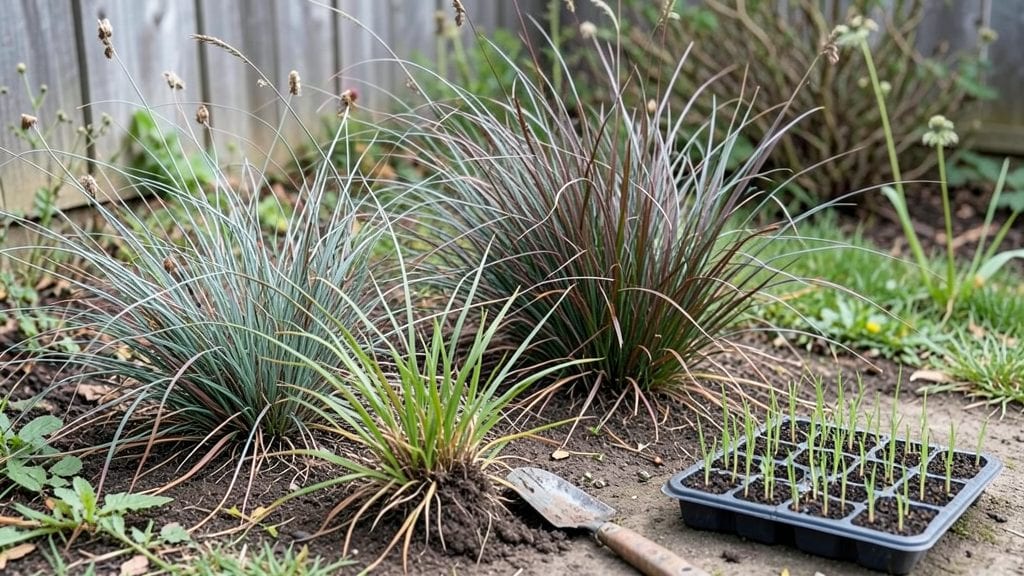
Planting wild grass is the fastest way to revive bare spots, turning them into lush green in just 10-14 days—no more waiting months for slow-growing turf.
I’ve planted enough of these mixes to know the secret isn’t just throwing seeds on dirt; it’s about matching the right blend to your climate and giving it the perfect start.
The first time I saw clover and fescue push through soil in under two weeks, I knew I’d never go back to traditional lawn seed again.
You’ll need three things: a fast-acting seed mix (look for blends with ryegrass or annual ryegrass for quick cover), a rake to rough up the soil, and a light layer of straw to protect the seeds.
Most mixes work in partial sun, making them ideal for shady spots where Kentucky bluegrass struggles. The key is prepping the soil—remove debris, loosen the top inch, and level the ground so water spreads evenly. This isn’t rocket science, but skipping prep means patchy growth.
After planting, keep the soil damp (not soggy) for the first two weeks—think of it like giving your lawn a spa day. Once the grass hits 3-4 inches tall, you can back off on watering and let it establish roots.
By late summer, you’ll have a dense, drought-resistant lawn that outlasts conventional grass. The best part? It stays green longer in heat and recovers faster after foot traffic.
Works for lawns, meadows, or even erosion-prone slopes—just adjust the seed mix for your region. Native wild grasses like buffalo grass or blue grama thrive in dry climates, while fescue blends handle cooler zones.
Here’s how to pick the right one for your yard and keep it looking effortlessly lush all season.
📚 In This Guide
- What you need
- Instructions
- Tips and common mistakes
- Wrapping up and next steps
What you need
- ● Fast-germinating wild grass seed mix – 10–20 lbs per 1,000 sq ft (adjust based on coverage needs). Look for blends labeled "wildflower/wild grass mix" with high native grass content.
- ● Lawn rake or dethatcher – A stiff-bristle rake to loosen soil and remove debris.
- ● Garden hose with sprinkler attachment – Minimum 50 ft reach for even watering.
- ○ Broadcast spreader (optional but helpful) – Ensures even seed distribution; handheld or tow-behind models work.
- ○ Soil test kit – Optional but recommended to check pH (ideal: 6.0–7.0) and nutrient levels before planting.
- ● Compost or organic fertilizer – 5–10 lbs per 1,000 sq ft (low-nitrogen, high-phosphorus blend for root growth).
- ● Mulch or straw – Light layer (¼ inch) to retain moisture and protect seeds from birds.
- ● Erosion control blanket – For slopes or high-wind areas to keep seeds in place.
- ● Garden gloves – To protect hands during prep work.
- ● Soil conditioner (e.g., peat moss or coconut coir) – Improves drainage in heavy clay soils.
- ● Wildlife deterrent (e.g., bird netting) – If squirrels or birds are seed thieves in your area!
Step-by-Step instructions for planting fast-germinating wild grass
Here's how to get your wild grass seed mix established quickly with minimal effort.
Prepare the Soil for Optimal Germination
Clear the area of debris, rocks, and weeds—this ensures your grass seeds make direct contact with the soil. Use a rake to loosen the top 2-3 inches of soil, breaking up any compacted layers. Wild grass thrives in natural conditions, so don’t overwork the soil; just rough it up enough for seeds to settle.
Test the soil’s moisture by grabbing a handful—it should hold together when squeezed but not feel soggy. If it’s too dry, water lightly the day before planting. The goal is damp, not drenched, soil to encourage fast germination. Avoid heavy clay or rocky patches unless you’re planting in a natural meadow setting.
Spread the Seed Evenly for Full Coverage
Divide your wild grass seed mix into four equal portions—this makes spreading easier and ensures even coverage. Walk in a grid pattern, scattering one portion at a time. For 1,000 square feet, aim for about 1 pound of seed per 1,000 square feet, but adjust slightly if your mix has a higher wildflower content.
Lightly rake the seeds into the soil with a stiff-bristled rake, pressing them just enough to make contact with the earth. This prevents birds from scattering the seeds and helps them stay in place. Avoid burying them too deep—wild grass seeds need light to germinate, so keep them on or just below the surface.
Water Gently to Trigger Germination
Use a gentle spray or fine mist to water the area immediately after planting. Soak the soil to a depth of ½ inch, then let it dry slightly before watering again. Overwatering can wash seeds away or create a muddy mess that smothers them. Aim for ¼ inch of water every 2-3 days until germination begins, which typically takes 7-14 days depending on temperature.
Watch for the first signs of green sprouts—this is your cue that the seeds have taken hold. Once you see 50% germination, you can reduce watering to twice weekly unless your area experiences extreme heat or drought. Wild grass is drought-tolerant once established, but consistent moisture in the early stages is key.
Maintain and Encourage Growth
After germination, let the grass grow to 3-4 inches tall before your first mow. This helps the roots establish deeply. Use a sharp mower blade set to 3 inches to avoid tearing the grass. Wild grass mixes often include clover or other low-growing plants, so don’t worry if the lawn looks patchy—it’s part of the natural beauty.
Fertilize lightly in early spring with a low-nitrogen, organic fertilizer to support growth without encouraging weeds. Avoid synthetic fertilizers, as wild grass thrives in nutrient-poor conditions. If weeds appear, hand-pull them early before they compete with your grass for space and sunlight.
Tips & tricks for planting fast-germinating wild grass
A few quick tricks will help you establish your wild grass lawn faster and with fewer headaches.
Soil Prep Matters: In Step 1, when loosening the top 2-3 inches of soil, focus on breaking up compacted layers without turning the soil into dust. Wild grass thrives in natural conditions, so avoid overworking it. If your soil feels too dry, water lightly the day before planting—just enough to make it damp like a wrung-out sponge. This prepares the perfect environment for quick germination.
Seed Distribution Secret: The four-portion method in Step 2 ensures even coverage, but here's a pro tip: use a push broom or leaf rake to create straight lines before scattering each portion. This helps you visualize coverage and prevents patchy areas. For larger spaces, consider using a broadcast spreader for even distribution—just adjust the setting to match your seed mix's recommended rate.
Watering Wisdom: In Step 3, the key is consistency. After your initial soaking to ½-inch depth, let the top inch dry before watering again. Think of it like watering a houseplant—keep it consistently moist but never soggy. A gentle rain nozzle or soaker hose works best to avoid disturbing the seeds. If you're working in hot climates, water in the early morning to reduce evaporation and fungal risks.
Germination Timeline: The 7-14 day window for germination can vary based on temperature, but here's how to track progress: Mark a few spots with small flags or sticks right after planting. When you see green sprouts at these marked spots, you know germination has begun. This visual cue helps you adjust your watering schedule more precisely, ensuring you don't over- or under-water during this critical phase.
Pro Tips for Planting Wild Grass
- A few quick tricks will help you establish your wild grass lawn faster and with fewer headaches.
- Soil Prep Matters: In Step 1, when loosening the top 2-3 inches of soil, focus on breaking up compacted layers without turning the soil into dust.
- Seed Distribution Secret: The four-portion method in Step 2 ensures even coverage, but here's a pro tip: use a push broom or leaf rake to create straight lines before scattering each portion.
Frequently asked questions
Got questions about planting wild grass?
Here are answers to the most common ones to help you get started on your lush, low-maintenance lawn!
What’s the best time of year to plant wild grass seed?
For optimal results, plant in early spring (March–April) or late summer/early fall (August–September). Cooler temps and consistent moisture help seeds germinate faster. Avoid planting in extreme heat or drought—seeds need stability to take root!
How long does it take for wild grass to germinate and grow?
Most wild grass mixes sprout within 7–14 days if soil temps are ideal (60–75°F). Full coverage may take 3–6 weeks, depending on sunlight, water, and seed type. Patience pays off—thin, patchy areas often fill in over time!
How often should I water newly planted wild grass?
Keep soil consistently moist (not soggy) for the first 2–3 weeks—water lightly daily (or twice daily in hot climates). After germination, reduce to 2–3 times per week. Deep watering (1–2 inches) encourages strong root growth.
Can I plant wild grass over existing weeds or dead patches?
Yes! Wild grass is tough and competitive—it can outgrow many weeds. Mow existing grass short, rake debris, and overseed. For stubborn weeds (like crabgrass), spot-treat with vinegar or a natural herbicide before planting for best results.
Is wild grass safe for pets, kids, and the environment?
Wild grass mixes are non-toxic, pesticide-free, and support biodiversity. They require no fertilizers or harsh chemicals, making them eco-friendly. Plus, they’re soft underfoot—perfect for barefoot play and pet-friendly yards!
What if my wild grass doesn’t grow as expected?
Troubleshoot with these fixes:
Poor soil? Test pH (ideal: 6.0–7.5) and amend with compost.
Too dry? Increase watering frequency temporarily.
Shady spots? Choose shade-tolerant mixes (e.g., creeping red fescue).
Birds eating seeds? Cover seeds with straw or a light mesh until germination.
Most issues resolve with patience and adjustments!Wrapping up and next steps
Planting wild grass is your ticket to a low-maintenance, resilient lawn that thrives with minimal effort!
By choosing fast-germinating seed mixes and following the right steps, you’ll enjoy a lush, eco-friendly space that supports local wildlife. Your green oasis is just a few seeds away—so grab your gloves and get growing!
🌱 Ready to Take Action?
Start small with a test patch, then expand as you gain confidence. Next up: Monitor your progress, adjust watering as needed, and watch your wild grass flourish! 🌿