Vegetables
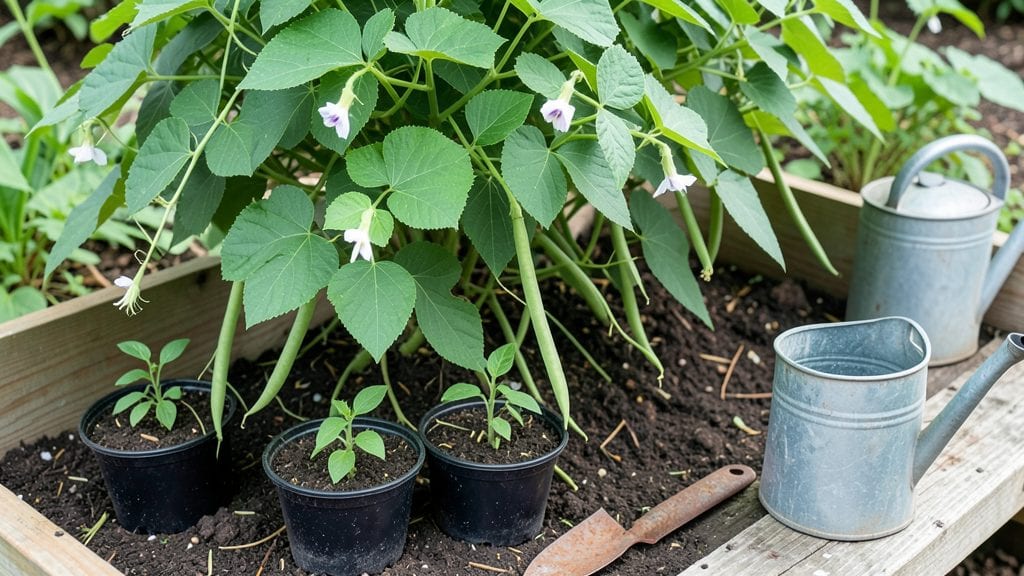
Planting butter beans is one of the fastest ways to turn a small corner of your garden into a productive harvest. 🌱 I’ve grown them in containers, raised beds, and even along fences—each time, those first green tendrils break through the soil in just 5-7 days, proving that speed and simplicity go hand in hand.
The secret lies in loose, well-draining soil mixed with compost—no fancy amendments needed. Butter beans thrive in full sun but tolerate partial shade, making them perfect for urban gardens or spots where other crops struggle.
Plant seeds 1-2 inches deep and 3-4 inches apart, then keep the soil consistently moist (not soggy) until they sprout.
By the time you’re pinching off the first tender pods, you’ll wonder why you didn’t try this sooner. The plants stay compact, so they won’t crowd neighbors, and the flavor? Sweet, buttery, and impossible to resist fresh from the vine. Here’s how to get started without a hitch.
Works in zones 5-10, from containers to in-ground beds, and pairs beautifully with cucumbers or corn. Let’s get those seeds in the ground!
📚 In This Guide
- What you need
- Instructions
- Tips and common mistakes
- Wrapping up and next steps
What you need
- ● Butter bean seeds: 30–50 seeds (choose a compact variety like ‘Contender’ or ‘Henderson’ for small gardens).
- ● Potting soil or garden soil: Well-draining, enriched with compost (1–2 bags, ~1 cubic yard for in-ground planting).
- ● Containers or garden bed: Containers: 5–10 gallon pots (1–2 per plant, with drainage holes).
- ● Garden bed: 18–24 inches wide, 12–18 inches deep (butter beans love room to climb!).
- ○ Trellis or stakes: 4–6 ft tall (optional but highly recommended—beans grow 4–8 ft!).
- ● Watering can or hose: With a gentle spray nozzle for consistent moisture.
- ● Fertilizer: Balanced 10-10-10 or organic options like fish emulsion (follow package rates).
- ● Hand trowel or small shovel (for planting seeds 1 inch deep).
- ● Gloves (to keep hands clean and protect from thorns on some varieties).
- ● Measuring tape or ruler (to space seeds 3–4 inches apart).
- ● Pruning shears (for trimming excess growth later).
- ● Sunlight: Full sun (6–8 hours daily).
- ● Temperature: Plant after last frost when soil is at least 60°F (15°C).
- ● pH Level: Slightly acidic to neutral (6.0–7.0). Test soil if unsure!
- ● Mulch (straw or shredded leaves to retain moisture).
- ● Organic pest control (neem oil or companion plants like marigolds).
- ● Grow lights (if starting seeds indoors early).
- ● Seedling trays (for transplanting seedlings instead of direct sowing).
How to plant butter beans for quick, productive harvests
Butter beans grow fast and thrive in small spaces—here’s how to get them in the ground and producing within weeks.
🌱 Step 1: Choose the Right Spot and Prep Soil
Butter beans need full sun—at least 6-8 hours daily—so pick a south-facing spot where they’ll soak up warmth. I always test the soil first: dig a 6-inch hole, fill it with water, and wait. If it drains within an hour, your soil is perfect. If water pools, amend with 2-3 inches of compost to improve drainage.
Butter beans dislike soggy roots, so avoid low-lying areas where water collects. Loosen the top 6 inches of soil with a garden fork to help roots spread easily. If your soil is heavy clay, mix in 1 gallon of perlite per 4 square feet to lighten it up.
🌱 Step 2: Plant Seeds at the Right Depth and Spacing
Drop 4-5 seeds per hill, about 1 inch deep—they’re large seeds, so no need to bury them too shallow. Space hills 12-18 inches apart in rows that are 2-3 feet apart for airflow. I like to plant in small groups because butter beans climb naturally, and this gives them room to sprawl.
Water the soil deeply right after planting to settle the seeds. Don’t cover them with mulch yet—wait until seedlings emerge to avoid trapping moisture against the seeds. You’ll see sprouts in 5-7 days if temps stay above 60°F. If germination takes longer, keep the soil consistently moist but not soggy.
☀️ Step 3: Support Vines and Water Consistently
Butter beans grow 3-5 feet tall, so install 4-5 foot tall trellises or stakes near each hill as soon as you plant. I use bamboo stakes tied with twine—cheap and sturdy. When vines reach 6 inches tall, gently weave them around the support to encourage upward growth.
Water deeply 2-3 times per week, aiming for 1 inch of water total. You’ll know you’re doing it right when the top 2 inches of soil feel damp but not wet. Avoid wetting the leaves—water at the base to prevent fungal diseases. Mulch with 2 inches of straw after seedlings are 2 inches tall to retain moisture and keep roots cool.
✂️ Step 4: Harvest at Peak Tenderness for Best Flavor
Butter beans are ready to pick when pods are 3-4 inches long and still firm to the touch. I check plants every 2-3 days starting 50-60 days after planting. Use sharp scissors or fingers to snap pods cleanly—don’t tug, or you’ll damage the vine. Harvesting young keeps plants producing longer.
Pick in the morning when pods are cool and crisp. Store unwashed pods in a paper bag in the fridge for up to 5 days, or freeze them whole for later use. The more you harvest, the more your plants will reward you—just don’t let pods swell past 4 inches, or they’ll get tough and stringy.
🌿 Step 5: Extend the Season with Simple Tricks
Butter beans thrive in warm weather (70-85°F), but you can push the season by planting successive crops every 2 weeks until 6 weeks before your first frost. For fall harvests, use row covers to protect plants from chilly nights. I’ve grown butter beans well into October this way.
If your season is short, opt for bush varieties like ‘Contender’—they grow 2-3 feet tall and don’t need trellises, making them ideal for small gardens. Just space them 8-10 inches apart and watch them produce pods in 45-50 days. No matter how you grow them, butter beans deliver fast, reliable harvests with minimal fuss.
Tips & tricks for planting butter beans
Here's what I've learned to help you get the fastest, most productive butter bean harvests in your compact garden.
Soil Test Matters: That 6-inch hole test in Step 1 is crucial—it tells you if your soil drains properly. I've seen butter beans rot in soggy soil, so if water pools, add that 2-3 inches of compost and wait a week before planting. The goal is soil that feels like a damp sponge, not a swamp.
Timing Secret: Butter beans love warmth, but don't rush planting when temps dip below 60°F. I've found that waiting until soil reaches at least 65°F speeds up germination from 7 days to just 5. Use a soil thermometer if you're unsure—it's worth the investment for such fast results.
Trellis Hack: Install those 4-5 foot trellises right when you plant, even if vines aren't climbing yet. I've seen butter beans break weak supports when they suddenly spurt upward. Bamboo stakes are my go-to because they're cheap and sturdy—just tie them with twine at planting time to save yourself the hassle later.
Watering Wisdom: Those 2-3 waterings per week should be deep—aim for that 1 inch total. I use a rain gauge to measure, and I've noticed that shallow watering actually stresses the plants. Water at the base early in the morning so leaves dry quickly, preventing fungal issues that can slow down your fast harvest.
Pro Tips for Planting Butter Beans
- Here's what I've learned to help you get the fastest, most productive butter bean harvests in your compact garden.
- Soil Test Matters: That 6-inch hole test in Step 1 is crucial—it tells you if your soil drains properly.
- Timing Secret: Butter beans love warmth, but don't rush planting when temps dip below 60°F.
Frequently asked questions
Got questions about planting butter beans?
You’re not alone! Here are answers to the most common queries to help you grow a thriving crop—even in small spaces.
When is the best time to plant butter beans?
Butter beans thrive in warm soil, so plant them after the last frost when temperatures stay above 60°F (15°C). In most regions, this means late spring to early summer. For extended harvests, try a second planting in early summer—just ensure 60-80 days of warm weather remain before the first frost.
How long do butter beans take to grow and harvest?
Butter beans are fast growers! From seed to harvest, expect 60-80 days, depending on the variety. Start checking for pods when the plants are about 12-18 inches tall. Pick them young (4-6 inches long) for the best flavor and tenderness. Pro tip: Harvest consistently to encourage more production!
Can I grow butter beans in containers or small gardens?
Butter beans are compact and bushy, making them perfect for containers, raised beds, or small gardens. Use pots at least 12 inches deep and wide, with well-draining soil. Plant 2-3 seeds per container, thin to the strongest seedling, and provide a trellis if space is tight—they’ll climb if given support!
What pests or diseases should I watch for, and how do I prevent them?
Common pests include aphids, bean beetles, and spider mites. Prevent issues by rotating crops, removing weeds, and using row covers early in the season. If pests appear, spray with neem oil or introduce beneficial insects like ladybugs. For diseases (e.g., powdery mildew), ensure good airflow and avoid overhead watering.
Are butter beans the same as lima beans? Can I substitute them?
Nope! While both are legumes, butter beans (like ‘Fordhook’) are smaller, cream-colored, and sweeter than lima beans. They’re also easier to grow and have a shorter season. If a recipe calls for limas, butter beans work in a pinch—but expect a milder, nuttier flavor. For best results, stick to the variety specified!
Wrapping up and next steps
Planting butter beans is a rewarding way to grow a nutrient-rich, fast-yielding crop—even in small spaces! With the right soil, sunlight, and care, you’ll enjoy a bountiful harvest in just 60-70 days.
Whether you’re a beginner or a seasoned gardener, these beans are forgiving and delicious, perfect for fresh eating or preserving.
Ready to dig in? Start with a few seeds this season—your taste buds (and garden) will thank you! 🌱 For extra tips, check out our garden planning guide to maximize your space and success.