
Trees
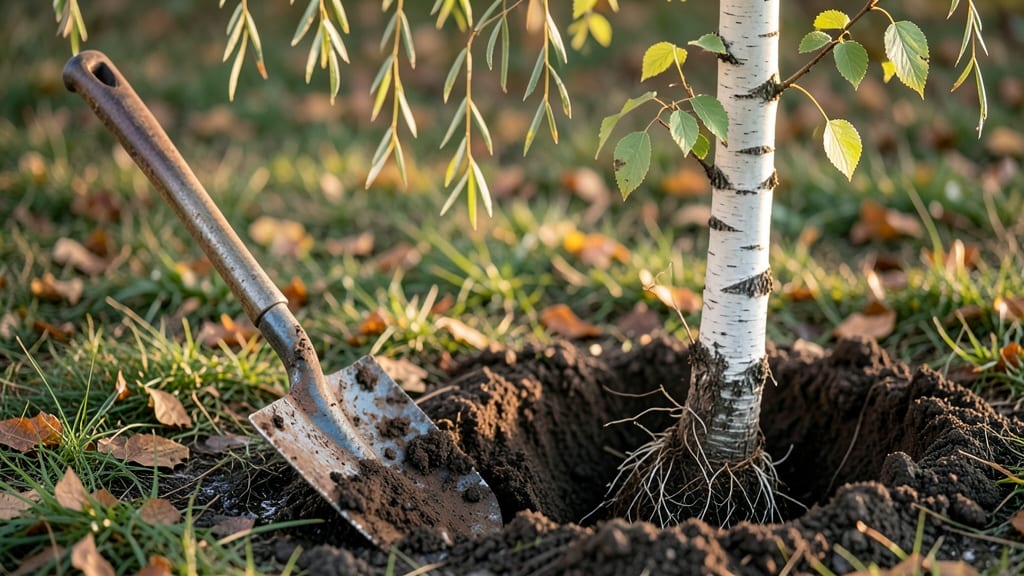
Planting trees in wet soil feels like fighting an uphill battle—until you learn the right drainage hacks. 🌱 I’ve turned soggy backyard patches into thriving tree spots by focusing on two things: choosing the right trees and prepping the soil properly.
The difference between a tree that struggles and one that thrives often comes down to these simple adjustments.
First, skip the heavy clay soil and instead amend it with 6-12 inches of compost or coarse sand to break up compaction. For extra drainage, consider planting in a raised bed or mound—even a slight elevation helps roots breathe.
Willows, bald cypress, and river birch naturally handle wet conditions, so they’re my go-to picks for low spots.
Once planted, mulch heavily (3-4 inches) to prevent waterlogging and keep roots cool. A drainage trench around the base can redirect excess water, and regular aeration with a garden fork keeps soil from becoming compacted. Within a season, you’ll see stronger growth and fewer signs of stress.
This method works for both new plantings and struggling trees—just give roots a fighting chance. The key is patience; wet soil takes time to improve, but the payoff is trees that stand strong for decades. Let’s get those roots growing right.
📚 In This Guide
- What you need
- Instructions
- Tips and common mistakes
- Wrapping up and next steps
What you need
- ● Tree saplings: Choose native species or wet-soil-tolerant varieties (e.g., willows, bald cypress, or swamp maples). Quantity: 1–10+ (depends on your project!).
- ● Drainage solutions: Sand (coarse, 1–2 inches per hole)
- ○ Gravel (½–1 inch layer, optional but helpful)
- ● Compost or peat moss (1–2 gallons per tree)
- ● Planting tools: Shovel (wide, 18–24 inches for digging)
- ● Trenching shovel (for creating drainage channels)
- ○ Post-hole digger (optional, for deeper holes)
- ● Soil amendments: Sulfur or lime (if soil pH is <7.0; test kit recommended).
- ● Mulch: 2–4 inches of organic mulch (wood chips, straw) to retain moisture without suffocating roots.
- ● Drainage pipes: Perforated 4-inch PVC pipes (cut to 12–18 inches long) to create underground drainage tunnels.
- ● Soil moisture meter: To monitor wetness levels and avoid over-saturation.
- ● Root stimulator: A mycorrhizal fungi or seaweed extract to boost root development.
- ● Erosion control: Jute netting or landscape fabric to stabilize soil around the base.
Step-by-Step instructions for planting trees in wet soil
Here's how to give your trees the best shot at thriving—even when the ground stays soggy.
🌱 Step 1: Test and Improve Soil Drainage Before Planting
First, dig a hole twice as wide as the tree's root ball but only as deep as the container's height. This prevents burying the trunk, which causes rot. If the hole fills with water within an hour, you've got poor drainage. To fix it, mix in 4-6 inches of coarse sand or gravel at the bottom of the hole—this creates a drainage layer that water can escape through.
I like to add a handful of composted leaves or pine bark fines to the backfill soil. This improves structure over time without making the soil too dense. The goal is to mimic natural conditions where water drains away but nutrients stay available for roots.
🪴 Step 2: Plant at the Right Depth and Elevate Roots
Remove the tree from its container and gently loosen any circling roots with your fingers. Place the tree in the hole so the top of the root ball sits 1-2 inches above ground level. This prevents the trunk from sitting in waterlogged soil once settled. If your site floods regularly, mound the soil higher around the base to create a slight berm.
Fill the hole with the amended soil, tamping lightly as you go to remove air pockets. The soil should feel firm but not compacted—roots need space to spread. Avoid stepping in the hole while planting, as it can compress the soil and suffocate young roots.
💧 Step 3: Water Deeply and Install a Drainage System
After planting, water the tree deeply to settle the soil and eliminate air pockets. You'll know it's enough when water runs out the bottom of the hole and stops draining after 10-15 minutes. For chronically wet sites, install a French drain system around the perimeter of the planting area—dig a shallow trench filled with gravel and a perforated pipe to redirect water away.
Mulch the base with 2-3 inches of wood chips or straw, keeping it 6 inches away from the trunk to prevent rot. This helps regulate soil temperature and reduces evaporation, but it won’t fix poor drainage on its own—always pair it with structural improvements like the drainage layer.
☀️ Step 4: Monitor and Adjust for Long-Term Success
Watch the tree for signs of stress: yellowing leaves or wilting can mean roots are drowning. If this happens, dig a shallow trench around the tree to improve drainage further. In extreme cases, consider planting on a raised bed made of gravel or decomposed granite to keep roots above the water table.
Young trees in wet soil need extra care. I check them weekly during the first growing season, ensuring the soil isn’t soggy. If it stays waterlogged for more than a few days, the roots can’t get oxygen, and the tree will struggle—even with the best planting technique.
Tips & tricks for planting trees in wet soil
Here's what I've learned from years of planting trees in soggy conditions—and how to avoid the mistakes I made early on.
The Drainage Layer Depth: When you're adding that 4-6 inches of coarse sand or gravel in Step 1, don't skimp on the depth. I used to think "a little extra" wouldn't matter, but that extra inch can be the difference between roots getting enough oxygen and suffocating. Think of it like building a foundation—you wouldn't pour a shallow one for a house, right?
Root Ball Elevation Secret: That 1-2 inches above ground level in Step 2 isn't just about preventing rot—it's about creating a micro-environment where water can drain away from the trunk. I've seen trees planted too deep literally drown in their own soil. Pro tip: Use a level to check the height before backfilling, especially on sloped sites.
Watering Wisdom: Those 10-15 minutes of drainage after watering in Step 3 are your best indicator of success. If water's still draining after 20 minutes, your drainage layer needs to be thicker. I test this by digging a small hole nearby—if water pools there too, you know you've got a bigger drainage challenge ahead.
Mulch Placement Matters: Keeping that 2-3 inches of mulch 6 inches from the trunk in Step 3 isn't just about preventing rot—it's about creating airflow. I learned this the hard way when a young oak's trunk rotted because mulch piled up against it. Think of it like giving your tree a breathable skirt rather than a suffocating blanket.
Pro Tips for Planting Trees In Wet Soil
- Here's what I've learned from years of planting trees in soggy conditions—and how to avoid the mistakes I made early on.
- The Drainage Layer Depth: When you're adding that 4-6 inches of coarse sand or gravel in Step 1, don't skimp on the depth.
- Root Ball Elevation Secret: That 1-2 inches above ground level in Step 2 isn't just about preventing rot—it's about creating a micro-environment where water can drain away from the trunk.
Frequently asked questions
Got questions about tackling wet soil for your trees? You’re not alone! Here are some common concerns—and straightforward answers—to help you plant with confidence.
Can trees even grow in wet soil?
While soggy soil can be tricky, many trees—like willows, bald cypress, and river birch—thrive in wet conditions. The key is choosing the right species and improving drainage. Even non-native trees can adapt if you prep the soil properly with organic matter or raised beds.
When’s the best time to plant trees in wet soil?
Plant during the cooler months (early spring or fall) when the ground isn’t frozen or waterlogged. Avoid planting after heavy rains—wait until the soil drains naturally. If you’re in a flood-prone area, consider late winter planting when groundwater levels are lower.
What if my yard stays wet year-round?
If water pools for weeks, you’ll need to raise the planting area or install drainage solutions like French drains or swales. For small spots, a mound of amended soil (mix in compost or sand) can create a dry pocket for roots. Avoid compacting the soil—keep it loose!
Will mulch help with wet soil?
Yes! A thin layer (2–4 inches) of organic mulch (like wood chips) helps regulate moisture and prevents erosion. Just avoid piling it against the trunk—keep it 6+ inches away to prevent rot. For extra help, mix in perlite or coarse sand into the topsoil.
My tree’s leaves are yellowing—what’s wrong?
Yellow leaves in wet soil often signal root rot or poor oxygen flow. Check for mushy roots or foul odors. If caught early, improve drainage immediately. For severe cases, consider transplanting to a drier spot or pruning affected branches to redirect energy.
Wrapping up and next steps
Planting trees in wet soil doesn’t have to be a challenge—with the right techniques, you can create thriving root systems that even soggy conditions can’t stop! 🌱 Whether you’re improving drainage, choosing the perfect spot, or picking the right tree species, every step brings you closer to a lush, resilient garden. Your next move? Grab your tools, pick a sunny day, and start transforming that damp patch into a green oasis. Happy planting—your future shade (and happy trees!) will thank you!