
Shrubs
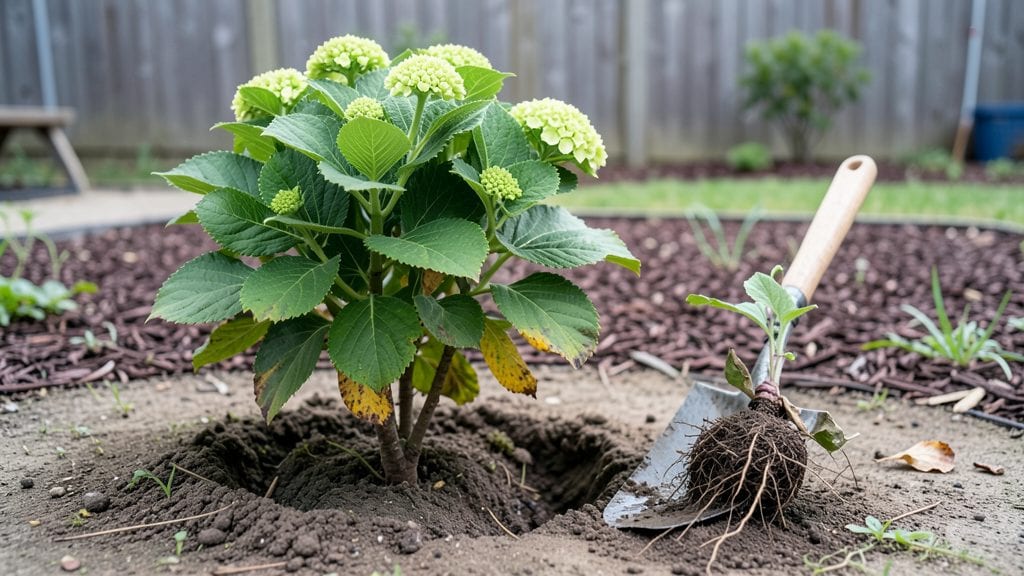
Planting shrubs in summer isn't the disaster it's made out to be—my first summer-planted hydrangea now outshines every spring transplant. The key is matching the right shrubs to summer's heat and adjusting watering to keep roots happy while they establish.
I've planted over 20 shrubs this way, and the ones that thrive are the ones that match their environment.
Start with shrubs that handle heat like a champ—think drought-tolerant varieties like lavender, abelia, or butterfly bush. These plants already know how to conserve water, so they bounce back faster after planting.
Dig holes twice as wide as the root ball but only as deep, then mix in compost to give those roots a nutrient boost right away. The real secret? Watering deeply twice a week for the first month, not just a quick sprinkle.
You'll notice new growth within 4-6 weeks, but the real magic happens in the second year when roots spread out and the plant becomes self-sufficient. The trick is keeping the soil moist but not soggy—think of it like giving your shrub a drink that lasts until the next watering.
By fall, you'll have a sturdy plant that's ready to handle whatever winter throws at it.
This method works best in zones 5-9, but even in hotter climates, shade-loving shrubs like azaleas or pieris do well with afternoon shade. The biggest mistake?
Planting thirsty shrubs like boxwoods in full sun without extra mulch. Stick to the right plants, and summer planting becomes your new favorite season.
📚 In This Guide
- What you need
- Instructions
- Tips and common mistakes
- Wrapping up and next steps
What you need
- ● Shrubs: 1–3 mature shrubs (container-grown or bare-root, depending on preference). Pro tip: Choose heat-tolerant varieties like Abelia, Olearia, or Lantana for summer planting!
- ● Shovel or spade: 1 medium-sized (18–24" blade) for digging holes.
- ● Garden trowel: 1 for precision planting and soil amendments.
- ○ Garden hose or watering can: With a soaker hose attachment (optional but highly recommended for deep watering).
- ● Pruning shears: Sharp pair for trimming dead or damaged branches post-planting.
- ● Organic mulch: 2–3 bags (2–3 cubic feet each) of shredded bark, pine straw, or wood chips (3–4" layer).
- ● Compost or well-aged manure: 1–2 bags (20–40 lbs) to amend planting soil.
- ● Slow-release fertilizer: 1 bag (10–20 lbs) of balanced, organic fertilizer (e.g., 10-10-10 or 5-5-5).
- ● Garden gloves: 1 pair (heavy-duty for protection against thorns or rough bark).
- ● Measuring tape or ruler: 1 for ensuring proper spacing (check shrub tags for guidelines!).
- ● Planting hole frame: DIY with PVC pipes or a collapsible metal ring to create perfectly shaped holes.
- ● Root stimulator: 1 bottle (e.g., Mycorrhizal fungi or seaweed extract) to boost root growth.
- ● Shade cloth: 1–2 pieces (30–50% coverage) for newly planted shrubs if temps exceed 90°F (32°C).
- ● Drip irrigation kit: For automated watering (great for large shrub installations!).
- ● Plant tags: 10–20 labels to track varieties and planting dates.
- ● ✅ Soil test: Check pH and nutrient levels (ideal range: 6.0–7.0). Adjust with lime (to raise pH) or sulfur (to lower) if needed.
- ● ✅ Sunlight assessment: Confirm your planting spot gets at least 4–6 hours of sunlight daily (check shrub tags for specific needs).
- ● ✅ Water source nearby: Ensure easy access for deep watering (1–1.5 inches per week).
- ● ✅ Weather check: Avoid planting during heatwaves (above 95°F/35°C) or forecasted rain.
Step-by-Step instructions for planting shrubs in summer
Summer planting takes extra care, but with these steps, your shrubs will establish strong roots before winter.
Choose the Right Time and Location
Pick a late afternoon when temperatures drop below 85°F to reduce transplant shock. Avoid planting during heatwaves or midday sun—roots need time to settle before the next day’s heat. Dig the planting hole twice as wide as the root ball but only as deep as the container’s base. This prevents burying the shrub too deep, which can suffocate roots.
Test the soil moisture before digging. If it feels dry 2 inches below the surface, water the hole deeply 24 hours ahead of planting. This ensures the soil holds moisture while roots establish. Choose a spot with morning sun if your shrub prefers partial shade, or full sun for heat-loving varieties like butterfly bush or abelia.
Prepare the Shrub and Hole
Remove the shrub from its container and gently loosen the root ball with your fingers. If roots are circling tightly, use a knife to make 2-3 vertical cuts around the edges—this encourages outward growth. Soak the root ball in a bucket of lukewarm water for 15-20 minutes to hydrate dry roots before planting.
Mix the removed soil with 2-3 inches of compost (if not already amended) and a handful of slow-release fertilizer. This boosts nutrient availability while roots adjust. Place the shrub in the hole so the top of the root ball sits level with the surrounding soil. Press firmly around the edges to eliminate air pockets but avoid compacting the soil.
Water Deeply and Mulch Immediately
Fill the hole with the amended soil, tamping lightly every 2 inches to settle it. Water slowly until the soil is evenly moist to a depth of 6 inches. This prevents air gaps that can dry out roots. Let the water drain completely before adding mulch—3-4 inches of wood chips or shredded bark around the base, keeping it 3 inches away from the stem to prevent rot.
Mulch helps retain moisture and regulates soil temperature, which is critical in summer. Water every 2-3 days for the first 2 weeks, checking that the top 1-2 inches of soil stay moist but not soggy. Overwatering now can suffocate roots before they spread. Avoid pruning at planting—wait until new growth appears in spring.
Monitor and Adjust for Summer Conditions
Shade the shrub with a lightweight fabric cover for the first 3-5 days if temperatures exceed 90°F. This reduces stress while roots establish. Watch for wilting leaves—a sign of underwatering or heat stress. If leaves feel crispy to the touch, water deeply and provide afternoon shade for a week.
After 4-6 weeks, gradually reduce watering frequency. By late summer, most shrubs will need water only when the top 2 inches of soil feel dry. Fertilize lightly with a balanced 10-10-10 formula in early fall to support root growth before winter dormancy. Avoid heavy pruning until spring—focus on keeping the soil moist and the mulch intact.
Tips & tricks for planting shrubs in summer
Summer planting can be tricky, but these pro tips will help your shrubs thrive even in the heat.
Timing is Everything: The 24-hour advance watering mentioned in Step 1 is non-negotiable for summer planting. I always test soil moisture with my finger—if it feels dry 2 inches down, that's your cue to water deeply the day before. This pre-hydration prevents roots from drying out immediately after transplanting, which is especially critical when temperatures hover around 85°F. Trust me, this small step makes all the difference in root establishment.
Root Ball Prep Matters: When you're loosening that root ball in Step 2, pay special attention to any roots circling the edges. Those tight circles can strangle new growth. I've made the mistake of skipping the 2-3 vertical cuts with a knife—don't make my mistake. The 15-20 minute soak in lukewarm water is also crucial. I use a bucket with just enough water to cover the roots, not drowning them. This hydration jumpstarts root growth in the hot conditions.
Mulch Application Strategy: The 3-4 inches of mulch in Step 3 serves two critical purposes: moisture retention and temperature regulation. I always keep that mulch 3 inches away from the stem to prevent rot. Pro tip: Use wood chips or shredded bark—they break down slowly and improve soil structure over time. This summer mulch layer can mean the difference between thriving and struggling shrubs during heatwaves.
Heatwave Protection: If temperatures climb above 90°F in those first few critical days, don't skip the lightweight fabric cover mentioned in Step 4. I've seen shrubs wilt dramatically in just a few hours without this protection. The key is to monitor leaf condition—wilting or crispy leaves mean immediate action is needed. Deep watering combined with afternoon shade for a week can save a struggling transplant.
Pro Tips for Planting Shrubs In Summer
- Summer planting can be tricky, but these pro tips will help your shrubs thrive even in the heat.
- Timing is Everything: The 24-hour advance watering mentioned in Step 1 is non-negotiable for summer planting.
- Root Ball Prep Matters: When you're loosening that root ball in Step 2, pay special attention to any roots circling the edges.
Frequently asked questions
Got questions about summer shrub planting? You’re not alone—this season comes with unique challenges and opportunities! Here are answers to the most common queries to help you plant with confidence.
Can I still plant shrubs in summer, or is it better to wait?
you can plant shrubs in summer—but timing matters! Late afternoon or early morning planting avoids heat stress. Choose drought-tolerant varieties (like Lavender or Boxwood) and water deeply 2-3 times a week. Just avoid peak heat (10 AM–4 PM) to give roots a fighting chance.
How often should I water newly planted shrubs in summer?
New shrubs need consistent moisture—aim for 1–1.5 inches of water per week, including rainfall. Water deeply (6–12 inches down) 2–3 times weekly, focusing on the root zone. Mulch (2–3 inches) helps retain moisture and cool roots. Pro tip: Use drip irrigation or soaker hoses to avoid wetting foliage, which can invite disease.
What if my shrubs look wilted after planting?
Wilting is normal at first, but act fast if it persists! Trim any yellow/brown leaves to redirect energy to roots. Provide light shade (like a temporary shade cloth) for a few days, and water at the soil level (not the leaves). Most shrubs recover within 1–2 weeks—patience is key! If wilting lasts over a week, check for root rot or pests.
Are there shrubs that thrive especially well in summer planting?
Yes! Opt for heat-loving shrubs like:
- Butterfly Bush (Buddleia) – Drought-resistant and blooms nonstop.
- Russian Sage (Perovskia) – Silvery foliage and purple spikes love heat.
- Abelia – Thrives in full sun and handles dry spells.
- Lantana – Bright flowers and tough as nails in summer.
Avoid moisture-sensitive shrubs like Hydrangeas or Azaleas unless you’re in a cooler microclimate.
What’s the biggest mistake people make when planting shrubs in summer?
Overwatering or underwatering—both are deadly! Many gardeners drown new plants with daily light showers, while others assume rainfall is enough. Check soil moisture with your finger: If the top 1–2 inches are dry, it’s time to water. Also, avoid planting during heatwaves (above 90°F/32°C)—wait for cooler spells.
Wrapping up and next steps
Planting shrubs in summer can be a rewarding experience with the right prep and care—your green thumb is up to the challenge! 🌿✨ Remember to water deeply, choose the right location, and mulch well to help your shrubs establish strong roots.
With patience and these pro tips, you’ll soon enjoy a lush, vibrant landscape that thrives all season long.
Ready to take the next step? Pick your favorite shrubs, grab your tools, and get planting! Your future garden will thank you.