
Shrubs
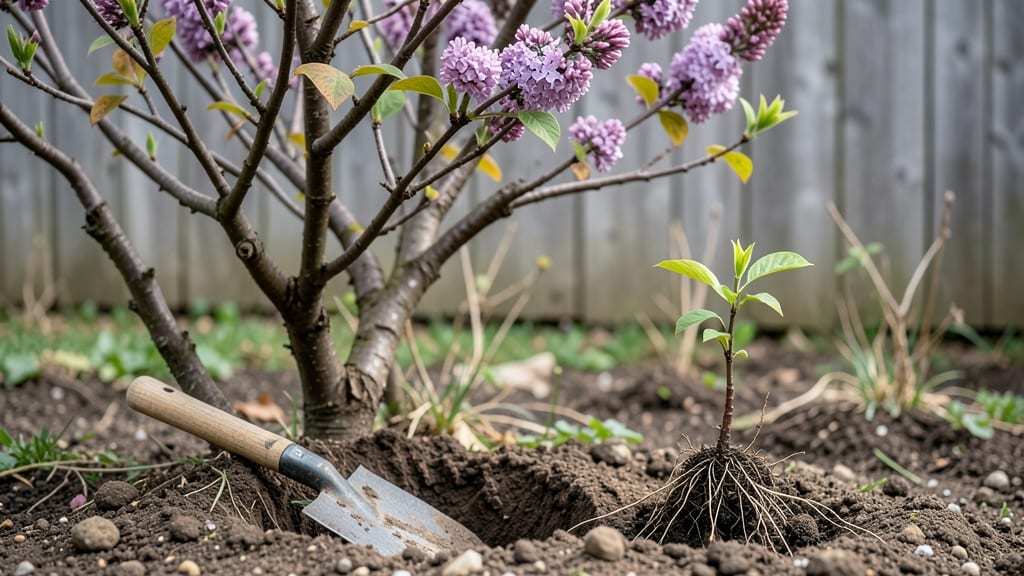
Mastering lilac planting instructions this fall is your ticket to those dreamy purple blooms come spring—no shortcuts, just soil, timing, and a few sharp cuts. ✨ decades of blooms. The right spot and prep turn a $20 shrub into a fragrant centerpiece that outlasts most garden trends.
Start with healthy nursery plants—look for sturdy stems and buds already forming. Dig a hole twice as wide as the root ball but no deeper, then mix in compost for that first critical boost.
Lilacs thrive in full sun and well-drained soil, so if your yard’s heavy clay, amend it now. Planting in late fall (before hard frost) gives roots time to establish before winter’s dormancy kicks in.
After planting, water deeply to settle the soil, then mulch to keep moisture in and weeds out. The first year is all about roots—no pruning needed until spring. By year two, you’ll be shaping those branches to encourage stronger blooms and better airflow.
The payoff? A shrub that rewards you with fragrance for 20+ years with almost no effort.
Works in zones 3-7, from city sidewalks to country gardens. Here’s where we get into the exact spacing, pruning schedule, and soil tests that make the difference between a shrub that fades and one that becomes your garden’s star. Let’s get those roots in the ground right.
📚 In This Guide
- What you need
- Instructions
- Tips and common mistakes
- Wrapping up and next steps
What you need
- ● Lilac plants: 1–3 nursery-grown lilacs (choose Syringa varieties like ‘Katherine Havemeyer’ or ‘President Lincoln’ for classic fragrance). Opt for 2–3-year-old bare-root or container-grown plants for best establishment.
- ● Shovel or trowel: A garden spade (for digging holes) and a hand trowel (for delicate soil work).
- ● Pruning shears: Bypass pruners (sharp, clean, and sterilized to prevent disease).
- ● Garden hose or watering can: With a spray nozzle for gentle watering.
- ● Compost or well-aged manure: 5–10 gallons (to enrich soil).
- ● Mulch: 2–3 inches of wood chips, shredded bark, or pine straw (avoid fresh mulch near stems).
- ○ Soil test kit (optional but helpful): To check pH (6.0–7.0 ideal) and adjust with lime (to raise pH) or sulfur (to lower pH) if needed.
- ● Slow-release fertilizer: 10–20 lbs of balanced 10-10-10 or 5-10-5 (apply after planting).
- ● Plant support: Stakes or cages (if planting in windy areas).
- ● Epsom salt: 1 tbsp mixed into planting hole soil (boosts magnesium for vibrant blooms).
- ● Plant tags or markers: To label varieties (especially if planting multiple types!).
- ● Knee pads or gardening stool: For comfort during planting.
Step-by-Step lilac shrub planting instructions
Here’s the straightforward method I’ve used to establish healthy, fragrant lilacs that bloom reliably every spring.
🌱 Step 1: Choose the Right Planting Site
Lilacs thrive in full sun—at least 6 hours of direct sunlight daily. Pick a spot with well-draining soil, as they hate soggy roots. I always check the area’s drainage by digging a 12-inch hole and filling it with water—if it doesn’t drain within 1-2 hours, amend the soil with 2-3 inches of compost to improve drainage.
Lilacs also appreciate a bit of shelter from harsh winds, which can damage their delicate blooms. A location near a fence or building works well, as long as it still gets plenty of sunlight. Avoid low-lying areas where cold air collects, as lilacs are sensitive to late spring frosts.
🪴 Step 2: Dig the Planting Hole
Dig a hole that’s twice as wide as the lilac’s root ball but only as deep. This encourages roots to spread horizontally rather than sinking too low, which can suffocate them. Gently loosen the roots of the container-grown lilac if they’re circling—this helps them establish faster in the ground.
I like to add a handful of slow-release fertilizer to the bottom of the hole to give the lilac a nutrient boost right away. Mix it lightly with the native soil so it doesn’t concentrate in one spot. Avoid adding too much—lilacs are hardy and don’t need heavy feeding to thrive.
💧 Step 3: Plant and Water Thoroughly
Place the lilac in the hole so the top of the root ball sits 1 inch above ground level. This prevents the stem from rotting if soil settles later. Fill the hole with the native soil, pressing gently around the edges to remove air pockets. Water deeply right after planting to help the soil settle and eliminate gaps.
I always give newly planted lilacs a deep soak—about 1 gallon of water per foot of plant height. This ensures the roots make contact with the soil and start absorbing moisture immediately. Mulch the base with 2-3 inches of organic mulch (like wood chips) to retain moisture and suppress weeds, but keep the mulch 2 inches away from the stem to prevent rot.
☀️ Step 4: Provide Care for the First Growing Season
Lilacs need consistent moisture during their first year, especially in hot, dry weather. Water 1-2 times per week until the soil is 6 inches deep and slightly moist. Overwatering is worse than underwatering—lilacs can handle some drought once established, but soggy soil will kill them quickly.
Fertilize lightly in early spring with a balanced, slow-release fertilizer (like 10-10-10) to support new growth. Avoid heavy nitrogen feeds, which encourage leafy growth at the expense of flowers. Prune only dead or crossing branches in the first year—wait until the lilac is 2-3 years old before shaping it.
⏰ Step 5: Prune and Maintain for Future Blooms
After the first blooming season, prune lilacs in late spring or early summer, right after the flowers fade. Remove 1/3 of the oldest stems at the base to encourage new growth and more abundant blooms. I always sterilize my pruners with rubbing alcohol between cuts to prevent disease spread.
Lilacs are low-maintenance once established, but I like to check for pests like aphids or sawflies in early summer. A strong spray of water usually knocks them off, and healthy lilacs bounce back quickly. With proper care, your lilac will reward you with fragrant blooms for decades.
Tips & tricks for perfect lilac shrub planting
Here's what I've learned from years of planting lilacs—and how to avoid the mistakes that can leave you with weak, underperforming shrubs.
Location is Everything: That 6 hours of sunlight isn't just a suggestion—it's non-negotiable for fragrant blooms. I've planted lilacs in partial shade before, and while they survived, they never reached their full potential. Look for spots where the sun hits for most of the day, and if your yard has afternoon shade, position the lilac to catch morning sunlight instead. The first two years are critical for establishing strong root systems that need full sun to thrive.
Root Ball Prep Makes All the Difference: When you're loosening those circling roots in Step 2, don't just pull them apart—gently tease them outward with your fingers. This encourages the roots to spread horizontally in their new home. I've seen container-grown lilacs fail because the roots were too tightly bound, so take your time here. If you're planting in cooler weather, you can even soak the root ball for 10-15 minutes before planting to help hydrate the roots.
Watering Wisdom: That deep soak in Step 3 isn't just about settling the soil—it's about giving your lilac's roots a strong start. I measure the water by height because lilacs have deep root systems. For a 3-foot tall lilac, that's about 3 gallons of water. The key is to water thoroughly but infrequently. Let the top 2 inches of soil dry out between waterings in the first year, which helps prevent root rot while still keeping the roots moist.
Mulching Matters: The 2-3 inches of mulch you add isn't just for looks—it's a protective barrier. I always use wood chips because they break down slowly and improve soil quality over time. But here's the secret: refresh that mulch layer every spring. As it decomposes, it loses its insulating properties, and you want to maintain that 2-inch clearance from the stem to prevent rot. This simple step can double your lilac's lifespan by protecting it from temperature extremes.
Pro Tips for Lilac Planting Instructions
- Here's what I've learned from years of planting lilacs—and how to avoid the mistakes that can leave you with weak, underperforming shrubs.
- Location is Everything: That 6 hours of sunlight isn't just a suggestion—it's non-negotiable for fragrant blooms.
- Root Ball Prep Makes All the Difference: When you're loosening those circling roots in Step 2, don't just pull them apart—gently tease them outward with your fingers.
Frequently asked questions
Got questions about growing lilacs? We’ve got answers! Here are some of the most common concerns—plus quick fixes—to help you plant with confidence.
When is the best time to plant lilacs?
Plant lilacs in early spring or early fall when the soil is workable but not frozen. Avoid summer heat or winter frost, as these can stress young roots. If you’re in a mild climate, fall planting (6–8 weeks before frost) gives roots time to establish before winter.
How long does it take for lilacs to bloom after planting?
Patience is key! Lilacs typically take 2–3 years to mature enough for their first full bloom. With proper care—sunlight, water, and soil—you’ll see fragrant clusters in spring. Prune lightly after flowering to encourage stronger blooms next season.
How often should I water newly planted lilacs?
Water deeply 2–3 times per week for the first year to encourage root growth. After that, lilacs are drought-tolerant but appreciate 1 inch of water weekly during dry spells. Mulch around the base (2–3 inches) to retain moisture and protect roots.
Why aren’t my lilacs blooming?
Common culprits include over-pruning (cutting back too late in summer), poor sunlight (they need 6+ hours of sun), or nutrient deficiencies. Feed with a balanced fertilizer in early spring. If blooms appear but don’t open, it might be due to bud blast—a fungal issue. Remove affected buds and improve air circulation.
Can I plant lilacs in containers?
Yes! Choose a large container (at least 15–20 gallons) with drainage holes and use well-draining potting mix. Lilacs in pots need more frequent watering and may bloom less vigorously than in-ground plants. Move containers to a sheltered spot in winter if temperatures drop below 10°F.
Wrapping up and next steps
Planting lilacs is a rewarding way to bring timeless beauty and sweet fragrance to your garden—whether you're a seasoned gardener or just starting out! 🌸 With the right location, soil prep, and a little patience, these hardy shrubs will thrive for years, gifting you stunning blooms every spring.
Now that you’ve got your lilac planting instructions down, it’s time to roll up your sleeves and create your own fragrant oasis.
Ready to take the next step? Mark your calendar for early fall or late winter—prime planting seasons—and get those roots in the ground. Before you know it, you’ll be enjoying the intoxicating scent of lilacs while admiring their vibrant colors. Happy planting! 🌱