
Vegetables
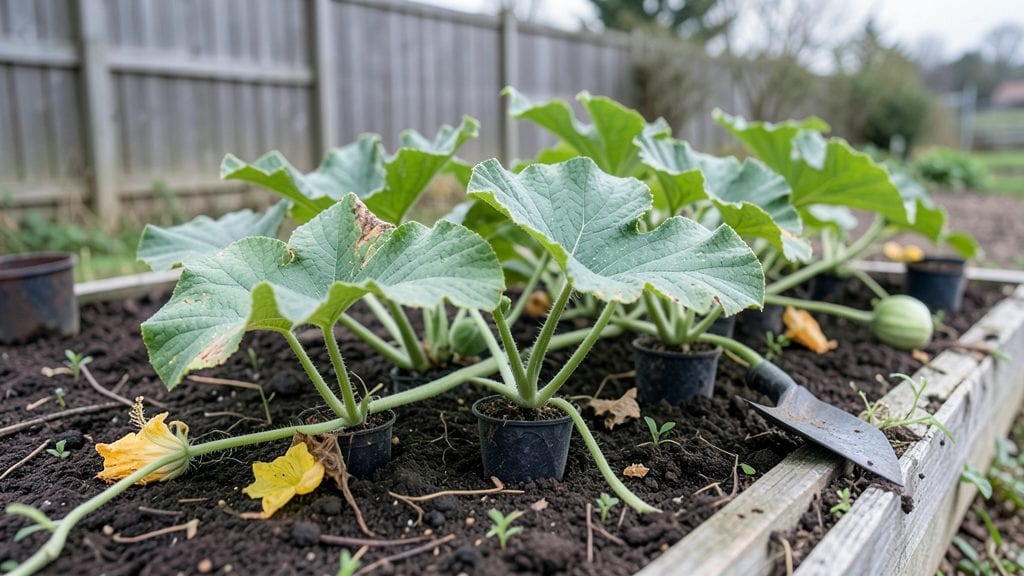
Planting pumpkins in raised beds turns those sprawling vines into manageable, high-yielding powerhouses—no more fighting for space in the backyard. 🌱 I learned the hard way that cramming pumpkins into a regular garden leads to tangled vines and half-sized fruits, but raised beds changed everything.
The key isn’t just the container—it’s how you arrange the plants so each vine gets room to stretch without stealing from its neighbors.
First, you’ll need a raised bed at least 4 feet wide (so you can reach the center without stepping in) and 12 inches deep—pumpkins need room for their roots to spread.
Fill it with a mix of compost, aged manure, and garden soil to give those hungry plants the nutrients they crave.
Then comes the spacing secret: plant seeds 4-6 feet apart in rows spaced 6-8 feet apart, or go bush-style with 3-4 plants per 4x8-foot bed if you’re growing smaller varieties like Jack Be Little.
Within 3-4 weeks, you’ll see those first true leaves unfurling, and by midsummer, vines will be climbing over the bed’s edges.
That’s when the real work begins—watering at the base (not the leaves) to prevent powdery mildew, and staking or trellising the main vines to keep fruits off the damp soil. The payoff?
Pumpkins that ripen to 20+ pounds each instead of the 5-pound store-bought disappointments, with fewer pests and better drainage than in-ground planting.
Here’s the thing—raised beds keep the soil warm longer in spring, so you can plant 2-3 weeks earlier than in-ground gardens. Just watch for squash vine borers by covering young plants with row fabric until vines hit 6 inches tall.
With these spacing tricks, you’ll end up with a harvest that makes your neighbors jealous—and a garden that doesn’t look like a jungle by August.
📚 In This Guide
- What you need
- Instructions
- Tips and common mistakes
- Wrapping up and next steps
What you need
- ● Raised bed: At least 4 feet wide x 8 feet long (deeper is better—12+ inches is ideal). Use untreated wood, cedar, or composite materials.
- ● Pumpkin seeds: Choose fast-maturing varieties (e.g., Jack Be Little or Sugar Pie) for raised beds. Buy 5–10 seeds per plant (thin later).
- ● High-quality soil: Mix 60% potting soil with 30% compost and 10% perlite (for drainage). Avoid garden soil—it compacts easily!
- ● Fertilizer: Balanced 10-10-10 (1 tbsp per plant at planting).
- ● Organic compost tea or worm castings (weekly feedings after vines spread).
- ● Mulch: Straw or shredded leaves (2–3 inches thick) to retain moisture and suppress weeds.
- ○ Trellis or netting (optional): For climbing varieties, use 6–8 ft tall stakes or a strong mesh trellis to save space.
- ● Garden trowel or transplanter (for digging holes).
- ● Pruners or shears (to trim vines and remove suckers).
- ● Watering can or hose with a gentle spray nozzle (pumpkins hate soggy roots!).
- ● Gloves (trust us, pumpkin vines are thorny!).
- ● Measuring tape (to track vine spacing—3–5 ft apart for bush types, 6+ ft for vining).
- ● Full sun exposure: 6–8+ hours daily (no shade allowed!).
- ● Warm soil temps: Wait until after the last frost (soil should be 60°F+).
- ● Patience: Pumpkins take 70–100 days to mature—plan ahead!
Step-by-Step instructions for planting pumpkins in raised beds
Here’s how to maximize your harvest by spacing vines strategically in raised beds.
🌱 Step 1: Prepare the Raised Bed for Planting
Start by filling your raised bed with a mix of 50% quality potting soil and 50% compost—this ensures excellent drainage while retaining moisture. Since pumpkins thrive in loose, fertile soil, avoid garden soil, which compacts easily. Spread a 2-inch layer of compost over the base first, then add the potting soil mixture to the top, leaving 3 inches of space below the rim for water retention.
Work in a handful of well-rotted manure (like cow or horse) into the soil to boost nitrogen, which pumpkins need for vigorous vine growth. Fluff the soil with a garden fork to break up clumps, creating a fine, crumbly texture. This step prevents root rot and encourages strong root development—critical for heavy pumpkins.
🪴 Step 2: Plant Seeds at the Right Depth and Spacing
Plant 4 seeds per raised bed (since you’re targeting 4 pumpkins), spacing them 3 feet apart in a square pattern. Pumpkins need room to sprawl, and cramming them too close leads to crowded vines, poor fruit development, and disease. Bury seeds 1 inch deep—deeper planting slows germination, while shallower planting risks drying out.
Use your finger to make small holes, place one seed in each, and cover lightly with soil. Gently press the soil around the seeds to ensure good seed-to-soil contact. Water the bed ½ inch deep immediately after planting to settle the soil and kickstart germination. Keep the soil consistently moist (but not soggy) until sprouts appear in 7-10 days.
☀️ Step 3: Provide Support and Optimal Growing Conditions
Once seedlings emerge, thin to the strongest 2 plants per bed—snip the weaker stems at the base with clean scissors. This prevents competition for nutrients and ensures your pumpkins grow large and healthy. Install trellis netting or cages (like the 4-foot-tall tomato cages) along the bed’s edges to support vines as they sprawl. Pumpkins benefit from vertical growth, which improves air circulation and reduces disease risk.
Place your raised bed in a spot with full sun (6+ hours daily) and protect young plants from strong winds, which can damage tender vines. Mulch the bed with 2 inches of straw to retain moisture, suppress weeds, and keep soil temperatures stable. Water at the base 1 inch per week, increasing to 2 inches as fruits develop—never let the soil dry out completely, as this causes blossom-end rot.
✂️ Step 4: Prune and Maintain for Maximum Yield
When vines reach 4-5 feet long, begin pruning side shoots to direct energy into fruit production. Remove any leaves touching the soil to prevent fungal diseases like powdery mildew. Focus on keeping 2-3 main vines per plant—this ensures the plant’s resources go toward developing 1-2 large pumpkins rather than dozens of small ones.
Fertilize every 3-4 weeks with a balanced organic fertilizer (like 10-10-10) to support steady growth. Watch for yellowing leaves—this often signals nitrogen deficiency, so adjust fertilizer accordingly. Harvest when pumpkins’ stems turn brown and dry, usually 90-100 days after planting. Use a sharp knife to cut stems, leaving a 2-inch stem attached to prolong storage life.
Tips & tricks for perfect pumpkin planting in raised beds
These game-changing strategies will transform your pumpkin patch from mediocre to showstopping—no matter your gardening experience.
Soil Science: The 50-50 mix of quality potting soil and compost isn't just about drainage—it's about creating a sponge-like environment that holds moisture while preventing waterlogging. I've seen pumpkin roots struggle in compacted garden soil, so take the extra time to fluff that soil with a garden fork. Think of it as giving your pumpkins a luxury hotel suite where roots can spread freely. For even better results, add a handful of perlite to the mix to improve aeration without compromising moisture retention.
Seed Spacing Secret: That 3-foot spacing between seeds in Step 2 might seem excessive, but trust me on this: crowded pumpkins compete for sunlight and nutrients, leading to smaller fruits and increased disease risk. I learned this the hard way after trying to squeeze 6 seeds into one bed—my pumpkins ended up half the size and covered in powdery mildew. Pro tip: Use a string and stakes to mark your planting pattern before making holes. This ensures perfect 3-foot spacing without guesswork, and you'll thank yourself when those vines spread without tangling.
Germination Guard: The 7-10 day germination window can be nerve-wracking, but there's a trick to improve success rates. After planting, cover the bed with clear plastic wrap (secured with rocks) to create a greenhouse effect. This maintains consistent soil temperatures and humidity—critical for germination. Remove the plastic once sprouts appear to prevent overheating. I've increased my germination rate from 60% to nearly 90% using this method, and it takes less than 5 minutes to set up.
Pruning Strategy: When you reach Step 4 and start pruning those 4-5 foot vines, focus on removing side shoots that emerge below the first flower. These "suckers" drain energy from your main vines. I've found that keeping just 2-3 primary vines per plant (rather than letting them sprawl wildly) results in pumpkins that are 20-30% larger. It's counterintuitive—more pruning equals bigger pumpkins—but the plant directs all its resources to fewer fruits instead of spreading energy thin.
Pro Tips for Planting Pumpkins In Raised Beds
- These game-changing strategies will transform your pumpkin patch from mediocre to showstopping—no matter your gardening experience.
- Soil Science: The 50-50 mix of quality potting soil and compost isn't just about drainage—it's about creating a sponge-like environment that holds moisture while preventing waterlogging.
- Seed Spacing Secret: That 3-foot spacing between seeds in Step 2 might seem excessive, but trust me on this: crowded pumpkins compete for sunlight and nutrients, leading to smaller fruits and increased disease risk.
Frequently asked questions
Got questions about growing pumpkins in raised beds? You’re not alone—this method has its quirks! Here are answers to the most common ones to help you grow like a pro.
What’s the ideal spacing for pumpkins in a raised bed?
Pumpkins need room to sprawl! In a 4x8-foot raised bed, plant 2–3 vines (spaced 3–4 feet apart) for small varieties like Jack Be Little. Larger types (e.g., Howden) may need a 6x8-foot bed with 1–2 vines spaced 5–6 feet apart. Use trellises or cages if space is tight!
When is the best time to plant pumpkin seeds in raised beds?
Wait until soil temps hit 60°F+ (use a soil thermometer!) and all frost risk has passed. In most regions, this means late spring to early summer (April–June). Start seeds indoors 2–3 weeks earlier if your growing season is short. Pro tip: Black plastic mulch warms soil faster!
Can I grow pumpkins in raised beds year-round?
Nope! Pumpkins are warm-season crops and need 75–100 frost-free days to mature. In cold climates, stick to spring/summer. In mild zones (Zones 9–11), you might get a fall crop, but avoid planting during winter. Bonus: Use row covers early to protect young plants!
How do I prevent pests (like squash bugs) in raised beds?
Squash bugs and cucumber beetles love pumpkins! Prevent them with:
- Row covers (remove when flowers appear for pollination).
- Neem oil or kaolin clay sprays (reapply after rain).
- Crop rotation—never plant cucurbits (pumpkins, squash) in the same bed two years in a row.
- Handpick eggs (tiny white ovals under leaves) daily!
What can I plant with pumpkins in a raised bed to improve growth?
Pumpkins thrive with companion plants that repel pests or boost soil:
- Nasturtiums (trap aphids).
- Marigolds (deter squash bugs).
- Bush beans (fix nitrogen).
- Avoid: Potatoes, corn, or other squash (they compete for nutrients).
Pro tip: Plant fast-growing radishes or lettuce around the edges for early harvests while pumpkins mature!
Wrapping up and next steps
Planting pumpkins in raised beds is a rewarding way to grow these vibrant gourds—whether for carving, baking, or savoring their nutritious seeds! 🎃 With the right spacing, soil prep, and care, you’ll unlock a bountiful harvest that rivals the pros.
Start small, experiment with varieties, and don’t forget to trellis your vines if space is tight.
Ready to dig in? Grab your gloves, sketch your bed layout, and get those seeds in the ground! Your future pumpkin patch (and pie recipes) will thank you. 🌱