
Propagation
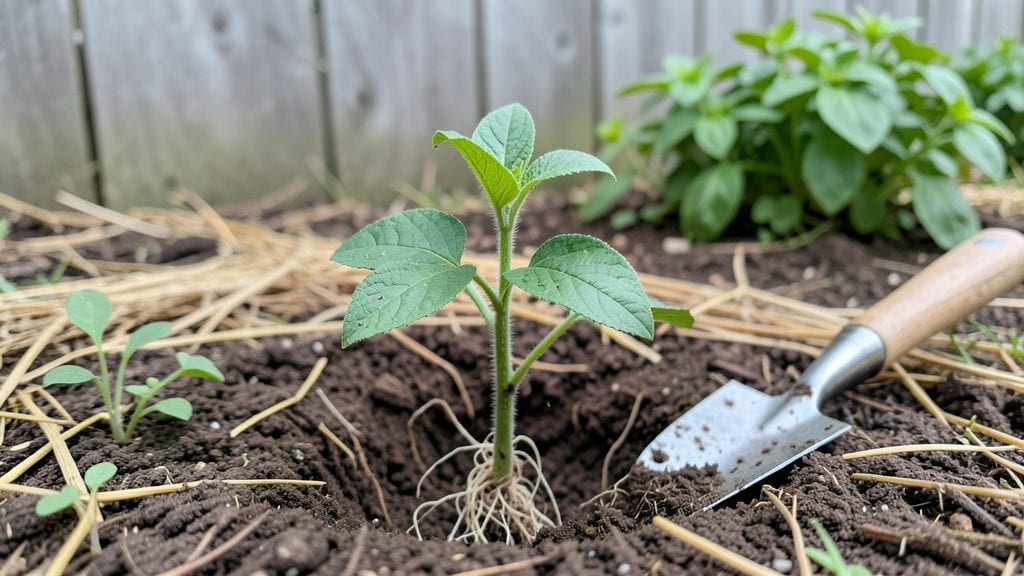
Planting pinto bean seeds is the fastest way to grow your own protein-packed harvest—those first green shoots can crack through the soil in just 7 days.
I’ve watched my own pinto beans go from tiny specks to towering vines in a week, and the secret lies in the right soil, spacing, and a little patience. The beans themselves are tough little packages, but they need warmth and moisture to wake up quickly.
You’ll need a sunny spot with at least 6 hours of direct light daily, well-draining soil mixed with compost, and a small patch of garden bed or container at least 18 inches deep.
Pinto beans love to climb, so if you’re growing them in a row, give them 4-6 inches of space between seeds. Plant them 1 inch deep, and keep the soil moist but not soggy—think damp sponge, not swamp. The key to fast germination is consistency.
Within a week, you’ll see those first velvety green leaves unfurling, and by midseason, you’ll have lush vines heavy with pods. The beans themselves are packed with fiber and plant-based protein, making them a garden superstar.
Plus, they’re one of the easiest crops to grow—even if you’ve killed everything else in your garden before. The real magic happens when you watch those vines spread and the pods start forming.
Here’s the thing—pinto beans thrive in warm soil, so wait until the ground reaches at least 60°F before planting. If you’re in a cooler climate, consider starting seeds indoors 2-3 weeks before the last frost.
And don’t worry if you miss the timing; these beans are forgiving. Just keep the soil warm, and you’ll be harvesting in no time. Ready to get those seeds in the ground?
📚 In This Guide
- What you need
- Instructions
- Tips and common mistakes
- Wrapping up and next steps
What you need
- ● Pinto bean seeds: 10–20 seeds (depending on space; ~1–2 seeds per 6-inch planting hole). Choose organic, non-GMO seeds for best results.
- ● Planting containers or garden bed: Containers: 5–10 gallon pots (with drainage holes) or a raised bed (minimum 12" deep).
- ● Garden bed: Well-draining soil in a sunny spot (6+ hours of sunlight daily).
- ● Potting mix or garden soil: Lightweight, nutrient-rich mix (add compost for extra fertility).
- ● Watering can or hose: With a gentle spray nozzle for moisture control.
- ○ Plant labels: Optional but helpful for tracking growth.
- ● Hand trowel (for digging small holes).
- ● Garden gloves (to protect hands from soil).
- ● Twine or stakes (if training vines vertically).
- ● Seedling heat mat (if starting indoors in cooler climates).
- ● Mulch (straw or shredded leaves to retain moisture).
- ● Warm soil temperature: 60–85°F (15–29°C) (pinto beans love heat!).
- ● Last frost date: Plant 2 weeks after the last frost in your area.
- ● Space: Vines spread 18–24" wide; trellises save space!
Step-by-step instructions for planting pinto bean seeds
Here's how to get those bushy vines sprouting in record time—no waiting months.
Soak Seeds Overnight for Faster Germination
Place the pinto bean seeds in a bowl and cover them completely with lukewarm water—this softens the tough outer shell and speeds up sprouting. Let them soak for 12 hours while you prepare everything else. The reason we soak is that pinto beans have a thick seed coat that slows germination, and this step ensures they break through the soil in 3-5 days instead of a week or more.
After soaking, drain the water completely and let the seeds sit in a colander for 30 minutes to prevent mold. You'll notice the seeds swell slightly—they're ready to plant. If you skip this step, germination will still happen, but it may take 2-3 extra days, and some seeds might fail to sprout at all.
Prepare Containers and Planting Medium
Fill your planting containers with the seed-starting mix up to 1 inch below the rim, leaving room for watering. Press the mix down gently but firmly—this removes air pockets that can trap moisture and cause rot. Pinto beans need loose, well-draining soil to prevent waterlogged roots, which can stunt growth or invite fungal diseases.
Use your finger to make 1-inch deep holes spaced 3 inches apart in each container. Since pinto beans grow into bushy plants, giving them space now prevents overcrowding later. If you're planting in a garden bed, create rows 18 inches apart with seeds spaced 4 inches apart—this gives vines room to spread without competing for sunlight.
Plant Soaked Seeds and Water Gently
Drop 1-2 soaked seeds into each hole—planting two ensures you have a backup if one fails to sprout. Cover the seeds with a light sprinkle of seed-starting mix, just enough to bury them ½ inch deep. Press the soil down very lightly around the seeds to secure them without compacting the mix too tightly.
Water the containers gently but thoroughly until the soil is evenly moist to a depth of 1 inch. Avoid soaking the top layer—you want the surface to stay dry to prevent mold. If you're planting outdoors, water the rows immediately after planting to settle the soil and remove air gaps around the seeds. Pinto beans need consistent moisture to germinate, but soggy soil will suffocate them.
Provide Warmth and Indirect Light
Place the containers in a warm location—ideally between 70-85°F—since pinto beans germinate fastest in heat. A sunny windowsill or a seedling heat mat works well. You should see tiny sprouts within 3-5 days, but if your home runs cooler, germination might take up to 7 days. Don’t move the containers until you see green shoots breaking through the soil—this prevents disturbing the seeds.
Once sprouts appear, move the containers to a spot with bright, indirect light for the first week. Direct sunlight can scorch young seedlings, and their delicate leaves aren’t ready for intense rays. You’ll know the light is right when the seedlings grow straight and sturdy rather than stretching toward the window. If they lean, rotate the containers daily to encourage even growth.
Thin Seedlings and Support Vines
When seedlings reach 2 inches tall, thin them so only the strongest one remains in each container or planting hole. Use scissors to snip the weaker stems at soil level—this prevents disturbing the roots of the remaining plant. Pinto beans grow bushy, so thinning ensures they have enough nutrients and space to develop thick, productive vines.
Once the first true leaves (the second set after the initial seed leaves) appear, add small stakes or trellis supports if you’re growing bush varieties. This prevents vines from flopping over as they mature. Water the plants deeply once a week, ensuring the soil stays moist but not waterlogged. You’ll know they’re thriving when new leaves emerge every 7-10 days—that’s your signal to keep up the care.
Tips & tricks for planting pinto bean seeds
Fast germination isn't luck—it's a science. Here's how to maximize your chances of bushy vines sprouting in record time.
Soaking Strategy: The 12-hour soak is non-negotiable for pinto beans, but I've found that using a glass bowl instead of plastic allows you to monitor seed condition more easily. After soaking, the seeds should plump noticeably—if they don't, extend the soak by another 2 hours. This pre-treatment breaks through the tough seed coat that would otherwise delay germination by 2-3 days, which is critical when you're aiming for that 3-5 day window mentioned in Step 1.
Temperature Matters: While the instructions specify 70-85°F as ideal, I've discovered that placing containers on a seedling heat mat set to 85°F consistently produces sprouts within 3 days. If your home runs cooler, consider using a small greenhouse or clear plastic wrap to trap warmth around the containers. The difference between 70°F and 85°F can mean the difference between 5-day and 3-day germination—every gardener's dream when you're impatient for those first green shoots.
Lighting Technique: For the bright indirect light phase in Step 4, I recommend using a grow light on a timer set for 12 hours of light per day. Regular fluorescent lights won't provide the spectrum needed for healthy growth. Position the light 6-12 inches above the seedlings and adjust as they grow. The goal is to prevent that classic "leggy" growth where seedlings stretch toward light—this ensures sturdy stems that can support those bushy vines you're cultivating.
Thinning Timing: When thinning seedlings at the 2-inch mark in Step 5, I've found that using small scissors sterilized with rubbing alcohol prevents spreading disease between plants. The key is to thin at this height because it gives the remaining plant enough root development to support its growth without competing with weaker siblings. This single step can double your yield by preventing overcrowding that leads to stunted growth.
Pro Tips for Planting Pinto Bean Seeds
- Fast germination isn't luck—it's a science. Here's how to maximize your chances of bushy vines sprouting in record time.
- Soaking Strategy: The 12-hour soak is non-negotiable for pinto beans, but I've found that using a glass bowl instead of plastic allows you to monitor seed condition more easily.
- Temperature Matters: While the instructions specify 70-85°F as ideal, I've discovered that placing containers on a seedling heat mat set to 85°F consistently produces sprouts within 3 days.
Frequently asked questions
Got questions about planting pinto bean seeds? You’re not alone—let’s tackle the most common concerns so you can grow those lush, fast-sprouting vines with confidence! Here’s what gardeners often wonder:
How long does it take for pinto bean seeds to germinate?
Pinto bean seeds are fast! With the right conditions—warm soil (70–85°F) and consistent moisture—you’ll see sprouts in just 7–10 days. Keep the soil damp but not soggy, and germination happens quicker than you’d think.
When’s the best time to plant pinto bean seeds?
Pinto beans thrive in warm weather. Plant them outdoors after the last frost date in your area (typically mid-to-late spring) or start them indoors 4–6 weeks before transplanting. For container growing, aim for April–July in most U.S. zones.
Can I grow pinto beans in small pots or containers?
Pinto beans are perfect for containers—just ensure each plant has at least 1 gallon of soil and room for bushy vines (or choose dwarf varieties). Use pots with drainage holes and place them in full sun (6+ hours daily).
What if my pinto bean seeds don’t sprout?
Troubleshooting tips!
If seeds linger underground, check these common culprits:
- Cold soil: Use a heat mat or wait for warmer temps.
- Overwatering: Let the top inch dry slightly between waterings.
- Old seeds: Test viability by soaking in water—sinkers are good!
- Poor soil: Amend with compost for nutrients.
Are pinto beans easy to grow compared to other beans?
Yes! Pinto beans are beginner-friendly because they’re:
- Fast-growing (ready to harvest in 60–70 days).
- Drought-tolerant once established.
- Low-maintenance—just water and sunlight!
Wrapping up and next steps
Growing pinto bean seeds is a rewarding journey that yields fast results and delicious harvests! With just a few simple steps—rich soil, proper spacing, and consistent moisture—you’ll soon enjoy lush, bushy vines and tasty beans in no time.
Whether you’re a beginner or a seasoned gardener, these fast-germinating seeds make the perfect project for any green thumb.
Ready to dive in? Start planting today! Grab your seeds, pick a sunny spot, and watch your garden transform in just 7 days. Happy growing! 🌱✨