
Propagation
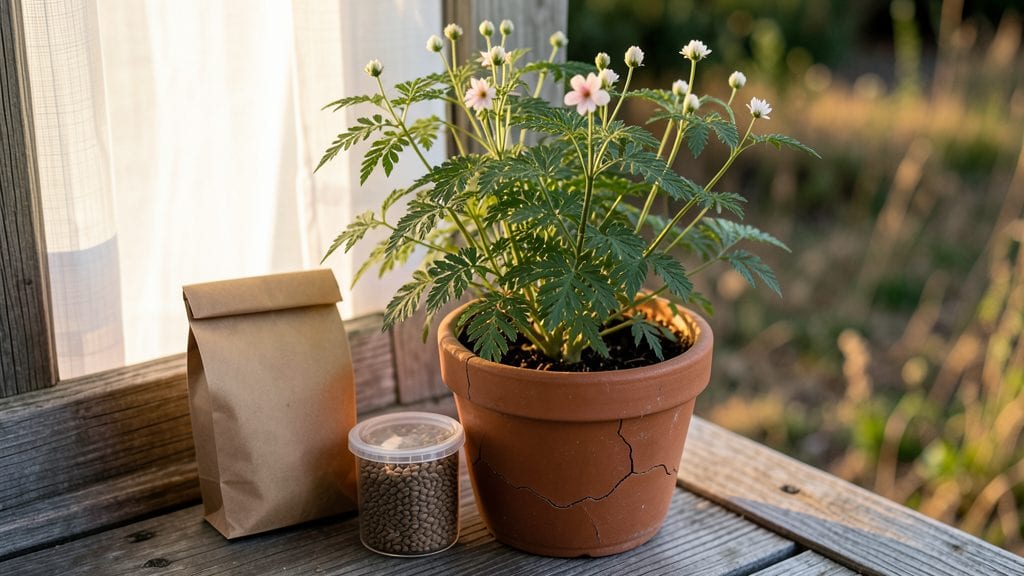
Planting cumin seeds is the fastest way to grow your own spice garden—those tiny seeds sprout in just 5 days when you follow the right steps. 🌱 I’ve watched my first batch of seedlings push through the soil like clockwork, and the trick is all in the prep work.
Too many people rush this part and end up with slow or uneven germination, but with the right soil and timing, you’ll have vibrant green seedlings ready to transplant within a month.
The secret starts with warm soil—cumin seeds need temperatures above 70°F to germinate properly, which is why late spring or early summer works best in most climates. A simple seed tray with well-draining potting mix (no fertilizer yet!) and a spray bottle for gentle watering is all you need.
Plant them ¼ inch deep, spaced 1 inch apart, and keep the soil consistently moist but never soggy. That’s where most beginners go wrong—they either overwater and drown the seeds or let them dry out.
By day 5, you’ll see those first delicate leaves unfurling, and within 3 weeks, your seedlings will be ready to move into larger pots or the garden. The flavor of homegrown cumin is shockingly rich compared to store-bought, and the plants are surprisingly hardy once established.
Just watch for damping-off fungus if humidity stays high—air circulation is key. With the right care, you’ll have a thriving cumin patch that keeps producing for years.
This method works whether you’re growing in containers or directly in the ground, as long as you provide full sun and well-drained soil. The best part? You can harvest seeds as early as 90 days after planting, though they’ll be even more potent if you let the plants mature fully.
Ready to grow your own spice cabinet?
📚 In This Guide
- What you need
- Instructions
- Tips and common mistakes
- Wrapping up and next steps
What you need
- ● Cumin seeds: 1–2 teaspoons (about 2–4 grams) of high-quality, organic cumin seeds. Look for seeds labeled for planting or culinary-grade seeds (ensure they’re untreated if possible).
- ● Growing containers: Small pots (4–6 inches in diameter) with drainage holes, or
- ● A seed tray with individual cells (for better spacing).
- ● Potting mix: A lightweight, well-draining blend like a seed-starting mix or a 50/50 combination of cactus/succulent mix + perlite (cumin seeds dislike soggy soil!).
- ● Watering can or spray bottle: With a fine mist setting to avoid disturbing seeds.
- ● Clear plastic wrap or humidity dome: To create a mini greenhouse effect (critical for fast germination!).
- ● Grow lights or sunny windowsill: Cumin seeds need warmth (70–85°F) and bright light to sprout quickly.
- ● Heating mat: Speeds up germination if your space is cool (cumin seeds love warmth!).
- ● Fertilizer: A balanced liquid fertilizer (5-5-5 or 10-10-10) diluted to half-strength for post-germination care.
- ● Plant labels: To track varieties (especially if testing different seed sources).
- ● Tweezers: For gently placing tiny seeds without overcrowding.
- ● Humidity tray: A shallow tray filled with pebbles and water to maintain moisture levels.
Step-by-step instructions for planting cumin seeds
Here’s the foolproof method I’ve used to get cumin seedlings popping in just five days—no guesswork, no wasted seeds.
🌱 Step 1: Pre-Soak Seeds for Faster Germination
Cumin seeds have tough outer shells that slow germination, so I soak them first. Place 40 seeds in a small bowl and cover them with lukewarm water—just enough to submerge them completely. Let them soak for 12 hours at room temperature. You’ll see the water turn slightly cloudy as the seeds absorb moisture.
After soaking, drain the water and spread the seeds on a clean paper towel. Fold the towel to keep them contained and place it in a warm, dark spot for another 12 hours. This second step encourages the seeds to plump up and soften their shells. By the end, you’ll notice they’ve doubled in size—this is your signal they’re ready for planting.
🪴 Step 2: Prepare Containers and Planting Mix
Fill 4 small seedling trays (or 4-inch pots) with 2 cups of sterile seed-starting mix per tray. Press the mix down lightly to remove air pockets but don’t compact it—cumin roots need loose soil to establish quickly. Moisten the mix until it’s damp but not soggy; squeeze a handful to test. If water drips out, it’s too wet.
Using your finger, create ¼-inch-deep holes in the soil, spaced 1 inch apart. Drop 1 pre-soaked seed into each hole—no need to bury them deeper, or they’ll take longer to sprout. Gently cover the seeds with a thin layer of soil, just enough to hide them completely. Avoid pressing down; cumin seeds need gentle contact with the soil to germinate.
💧 Step 3: Create Ideal Moisture and Warmth Conditions
Place the trays under a clear plastic dome (or cover them with plastic wrap) to trap warmth and humidity. Cumin seeds germinate best at 75-80°F, so if your home runs cooler, set the trays on a seedling heat mat. Keep the soil consistently moist—mist lightly with water if the surface dries out, but avoid soaking it.
Check daily for sprouts, which should appear in 3-5 days. Once you see green shoots breaking through the soil, remove the dome immediately. Trapped moisture too long invites damping-off, a fungal disease that can kill seedlings overnight. After the dome comes off, keep the soil lightly moist but never waterlogged—cumin seedlings are sensitive to overwatering.
☀️ Step 4: Provide Gentle Light for Strong Growth
Move the trays to a bright, indirect light spot as soon as sprouts emerge. A south-facing window works, but if natural light is weak, supplement with a grow light positioned 4 inches above the seedlings. Cumin seedlings need 12-14 hours of light daily to prevent leggy growth—thin, stretched stems that can’t support themselves.
Watch for first true leaves (the second set of leaves after the initial cotyledons) to appear in 7-10 days. At this stage, the seedlings are ready for thinning. Use small scissors to snip the weaker seedlings at soil level, leaving the strongest one in each 1-inch space. This reduces competition and gives your cumin plants room to grow.
⏰ Step 5: Transplant When Seedlings Are Ready
Once seedlings have 3-4 sets of true leaves (about 4-6 weeks after planting), they’re ready for their permanent home. Choose a spot with full sun (6+ hours daily) and well-draining soil. Dig small holes ½ inch deeper than the seedlings’ root balls to encourage root growth downward.
Gently remove each seedling, holding it by the leaves to avoid damaging the stem, and place it in the hole. Fill the hole with soil, pressing lightly around the base to secure the plant. Water deeply right after transplanting to help the roots settle. Space plants 12 inches apart to allow airflow and prevent fungal issues. Within 2-3 weeks, you’ll see new growth signaling they’ve taken root.
Tips & tricks for perfect cumin seed germination
These game-changing techniques will help you achieve that coveted 5-day germination window while avoiding the most common pitfalls that turn hopeful gardeners into discouraged beginners.
Soaking Strategy: The 12-hour soak is non-negotiable for breaking cumin seeds' tough shells, but here's the secret: use lukewarm water (not hot) to prevent protein denaturation that could inhibit germination. After draining, I spread the seeds on a paper towel in a single layer—this prevents them from sticking together during the second 12-hour rest period. Pro tip: Place the towel inside a sealed plastic bag to maintain humidity without risking mold. The seeds should feel plump and slightly sticky when ready for planting.
Temperature Matters: Those 75-80°F guidelines aren't arbitrary—they represent the optimal range for cumin seed enzymes to activate. If your home runs cooler, invest in a seedling heat mat ($15-20) rather than relying on your oven (which can create temperature fluctuations). I've seen germination rates drop by 40% when seeds sit below 70°F. For maximum efficiency, place your trays on the heat mat during the 12-hour soaking period too—this jumpstarts the metabolic processes.
Lighting Technique: The 12-14 hours of light requirement is critical, but quality matters more than quantity. Position your grow light (or south-facing window) so it casts light at a 45-degree angle—this creates more surface area for photosynthesis. I've found that LED grow lights with a full spectrum (red + blue wavelengths) produce stockier seedlings than basic white bulbs. Watch for "leggy" growth (thin stems reaching for light) as your first warning sign that seedlings need more light or less time between exposures.
Transplanting Timing: The 4-6 week window for transplanting might seem broad, but here's how to narrow it down: Count the days from when you first see true leaves (not the initial cotyledons). Aim for transplanting when you have 3-4 sets of true leaves AND the seedlings have developed a secondary root system you can see through the bottom of the tray. This usually happens right when the first leaves start curling at the edges—a sign they're ready for more space. Don't rush—waiting an extra week ensures stronger root systems that establish faster in their permanent home.
Pro Tips for Planting Cumin Seeds
- These game-changing techniques will help you achieve that coveted 5-day germination window while avoiding the most common pitfalls that turn hopeful gardeners into discouraged beginners.
- Soaking Strategy: The 12-hour soak is non-negotiable for breaking cumin seeds' tough shells, but here's the secret: use lukewarm water (not hot) to prevent protein denaturation that could inhibit germination.
- Temperature Matters: Those 75-80°F guidelines aren't arbitrary—they represent the optimal range for cumin seed enzymes to activate.
Frequently asked questions
Got questions about planting cumin seeds? You’re not alone—growing cumin from seeds can be tricky, but we’ve got answers! Here are the most common queries to help you succeed:
How deep should I plant cumin seeds?
Plant cumin seeds about ¼ to ½ inch (0.6–1.3 cm) deep in well-draining soil. Since they’re tiny, avoid burying them too deep—they need light to germinate. A light sprinkle of soil or vermiculite works best. Pro tip: Press them gently into the soil for better contact.
Why aren’t my cumin seeds germinating?
Cumin seeds are slow to sprout (often taking 10–14 days), but if nothing happens after 3 weeks, check these fixes:
- Temperature: Keep soil at 70–80°F (21–27°C)—too cold delays germination.
- Moisture: Keep soil consistently damp (not soggy). Use a spray bottle for precision.
- Light: Seeds need sunlight or a grow light after sprouting.
- Freshness: Old seeds (over 1 year) may not sprout—try new ones!
Can I grow cumin indoors or in containers?
Cumin thrives in 5–6 inch deep containers with drainage holes. Use a sunny windowsill or grow light (6+ hours/day). Just ensure the pot stays warm and the soil doesn’t dry out. Bonus: Dwarf varieties like ‘Nana’ are perfect for small spaces!
What’s the best time of year to plant cumin seeds?
Cumin loves warm weather—aim for spring after the last frost or late summer (when soil is at least 60°F/15°C). In hot climates, plant in early fall to avoid scorching. If you’re indoors, timing doesn’t matter as much!
What can I do if my cumin plants look leggy or weak?
Leggy cumin? It’s usually due to lack of light or overcrowding. Fix it by:
- Moving plants to bright, indirect light (or under grow lights).
- Thinning seedlings to 12–18 inches apart for better airflow.
- Using a balanced fertilizer (like 10-10-10) when they’re 3–4 inches tall.
Wrapping up and next steps
You’ve got everything you need to grow flavorful, homegrown cumin in just five days—no green thumb required! 🌱 With the right soil, warmth, and a little patience, you’ll soon be harvesting seeds packed with earthy, aromatic goodness for your favorite dishes.
Whether you’re a seasoned gardener or a curious beginner, this quick-growing spice is a rewarding addition to your kitchen.
Ready to take the next step? Start small—try a windowsill pot or a sunny corner of your garden—and watch your cumin seeds sprout into thriving plants. Happy planting! 🌿