
Propagation
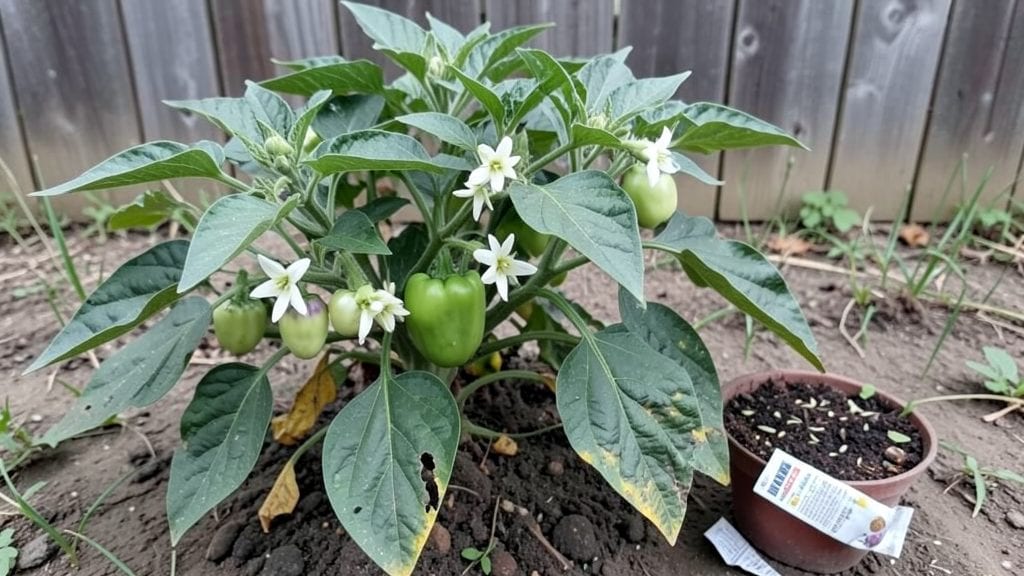
Planting peppermint seeds is like unlocking a secret weapon for your garden—those tiny grains grow into vigorous plants that spread faster than weeds. ✨ I’ve watched mine take over a corner of the yard in just two months, and the minty scent alone makes it worth the effort.
The key isn’t just patience but knowing when to plant, how deep to sow, and how to keep the soil consistently moist without drowning the seeds.
You’ll need a sunny spot with well-draining soil, whether that’s a garden bed, containers, or even a windowsill. Peppermint thrives in partial shade too, but full sun speeds up growth—perfect for those who want fast results.
A shallow tray or flat works for starting seeds indoors, while outdoor sowing happens in early spring after the last frost when soil warms to at least 50°F. The seeds are finicky about light, so don’t bury them more than ¼ inch deep.
Within 10-21 days, you’ll see those first green shoots pushing through the soil, and that’s when the real magic happens. Keep the soil damp (not soggy) and thin seedlings to 12-18 inches apart to prevent overcrowding.
By midsummer, you’ll be harvesting fresh leaves for tea or pest-repelling sprays—no waiting months for slow starters here.
Bonus: Peppermint grows aggressively, so if you’re planting outdoors, contain it in pots or raised beds to keep it from taking over your entire yard. Indoor growers can trim regularly to encourage bushier growth. Now, let’s get those seeds in the ground!
📚 In This Guide
- What you need
- Instructions
- Tips and common mistakes
- Wrapping up and next steps
What you need
- ● Peppermint seeds: 1–2 packets (about 100–200 seeds per packet). Opt for organic, non-GMO seeds for best results.
- ● Seed-starting mix: 1–2 bags (10–20 quarts) of high-quality, well-draining potting soil (avoid garden soil—it’s too dense for seeds).
- ● Containers: Seed trays or small pots (4–6 inches deep) with drainage holes, or
- ● A shallow tray with a clear lid (for humidity control).
- ● Watering can or spray bottle: With a fine mist setting to avoid disturbing seeds.
- ● Grow lights or sunny windowsill: Peppermint seeds need bright, indirect light (12–16 hours/day) to germinate.
- ○ Seedling heat mat: (Optional) Speeds up germination (70–75°F is ideal).
- ● Humidity dome or plastic wrap: Keeps moisture in while seeds sprout.
- ● Fertilizer (low-nitrogen): A balanced 10-10-10 or organic option like fish emulsion (once seedlings are 2–3 inches tall).
- ● Pencil or toothpick: For gently pressing seeds into soil (if not broadcasting).
- ● Pruning shears or scissors: For later trimming (peppermint grows aggressively!).
Step-by-step instructions for planting peppermint seeds
Here's how to turn those tiny peppermint seeds into a thriving, fragrant patch in just a few weeks.
🌱 Step 1: Soak Seeds Overnight for Faster Germination
Peppermint seeds have tough outer shells that slow down sprouting. Place them in a small bowl and cover with warm water for 12 hours. This softens the seed coat and speeds up germination—you'll see tiny sprouts within 7-10 days instead of weeks. Drain the water before planting, but don't let the seeds dry out while soaking.
I like to use a fine mesh strainer to hold the seeds while soaking. This keeps them contained and makes it easy to transfer them to the soil later. If you forget to soak them overnight, don't worry—just plant them dry, but expect germination to take a bit longer.
🪴 Step 2: Prepare Containers and Soil for Optimal Growth
Use the 4-inch pots filled with moistened potting mix—peppermint thrives in loose, well-draining soil. Press the soil down gently to create a firm surface, about 1/4 inch deep. Peppermint grows aggressively, so these small pots will work for starting but plan to transplant into a larger container or garden bed soon.
Make two small holes in the soil surface with your finger, about 1/2 inch apart. Drop 2-3 soaked seeds into each hole and cover lightly with soil. Press down just enough to secure the seeds but don't bury them too deep. Peppermint seeds need light to germinate, so keeping them shallow is key.
💧 Step 3: Water and Provide Warmth for Germination
After planting, water the pots gently until the soil feels evenly moist. Use a spray bottle for a fine mist to avoid disturbing the seeds. Place the pots in a warm spot with a temperature of 65-75°F—a sunny windowsill or under a grow light works well. Cover the pots with clear plastic wrap to retain moisture and warmth, but remove it daily for 5 minutes to prevent mold.
Check the soil daily and keep it consistently moist but not soggy. You'll know it's time to water again when the top inch of soil feels dry. Once the first true leaves appear, remove the plastic wrap completely. This usually happens within 7-14 days, depending on the warmth and moisture levels.
☀️ Step 4: Move to Bright Light and Maintain Moisture
When seedlings emerge, move them to a location with bright, indirect light for the first week. Direct sunlight can scorch young peppermint plants, so gradually introduce them to full sun over 3-5 days. Once they've acclimated, they can handle 4-6 hours of morning sun daily.
Water the seedlings whenever the top inch of soil feels dry to the touch. Peppermint loves moisture but hates soggy roots, so always ensure the pots have drainage holes. If you notice the leaves wilting, it's a sign the soil is too dry—water immediately and reduce light exposure for a day to help them recover.
✂️ Step 5: Thin Seedlings and Encourage Bushy Growth
Once the seedlings have 2-3 sets of true leaves, thin them to the strongest plant per pot. Use small scissors to snip the weaker seedlings at soil level—this prevents disturbing the roots of the plants you're keeping. Peppermint grows quickly, so thinning early ensures your remaining plants have plenty of space to develop strong root systems.
Pinch back the tips of the remaining seedlings when they reach about 4 inches tall. This encourages bushier growth and prevents the plants from becoming too leggy. You'll see new side shoots forming within a week or two. Keep the soil consistently moist and fertilize lightly with a balanced liquid fertilizer every 4-6 weeks to support healthy growth.
Tips & tricks for perfect peppermint seed planting
A few quick strategies that'll help your peppermint seeds sprout faster and grow stronger without the guesswork.
Soaking Secret: The 12-hour soak in warm water is your speed boost for germination—don't skip it! I've seen seeds sprout in just 5 days when soaked properly, compared to 2-3 weeks without soaking. If you're in a hurry, you can even soak them for up to 24 hours, but no longer or they'll start to deteriorate.
Container Strategy: Those 4-inch pots might seem small, but they're perfect for starting peppermint. Once your seedlings hit 3-4 inches tall, you'll want to transplant them to larger containers or garden beds—peppermint spreads aggressively and needs room to grow. I use 12-inch pots for my peppermint plants because they get so bushy!
Light Transition: The gradual move from indirect to direct light over 3-5 days is crucial. I've seen seedlings get sunburned when moved too quickly—just watch for pale or crispy leaves. Once they're acclimated, those 4-6 hours of morning sun will give you the most vigorous plants. Morning sun is gentler than afternoon heat.
Thinning Technique: When thinning to the strongest seedling per pot, use clean scissors and cut at soil level—not above it. This prevents disease from entering through open wounds. I also like to replant the thinned seedlings in separate small pots—they'll often grow into strong plants too!
Pro Tips for Planting Peppermint Seeds
- A few quick strategies that'll help your peppermint seeds sprout faster and grow stronger without the guesswork.
- Soaking Secret: The 12-hour soak in warm water is your speed boost for germination—don't skip it!
- Container Strategy: Those 4-inch pots might seem small, but they're perfect for starting peppermint.
Frequently asked questions
Got questions about growing peppermint from seeds?
You’re not alone! Here are answers to the most common queries to help you succeed with your fast-growing herb garden.
How long does it take for peppermint seeds to germinate?
Peppermint seeds usually sprout within 14–21 days under ideal conditions (warm soil, consistent moisture, and indirect light). If your seeds haven’t sprouted after 3 weeks, gently check for mold or rot—they may need replanting. Pro tip: Soak seeds overnight before planting to speed up germination!
Can I plant peppermint seeds indoors first, or should I start outside?
Start indoors 4–6 weeks before your last frost date for a head start, especially in cooler climates. Use seed trays with well-draining soil and keep them in a sunny window or under grow lights. Once seedlings have 2–3 true leaves and nighttime temps stay above 50°F (10°C), transplant them outdoors. Warning: Peppermint spreads aggressively—plant in containers if space is limited!
Why aren’t my peppermint seeds sprouting? Troubleshooting tips?
Common culprits include:
- Cold soil: Peppermint thrives in 60–70°F (15–21°C) soil. Use a heat mat if your climate is chilly.
- Too much water: Overwatering causes rot. Keep soil moist but not soggy.
- Low light: Seeds need bright, indirect light (no direct sun yet!).
- Old seeds: Peppermint seeds lose viability after 1–2 years. Test freshness by floating them—sinkers are viable!
Is peppermint hard to grow from seed, or should I just buy a plant?
While peppermint is easier to grow from cuttings (faster and more reliable), seeds are a fun challenge! If you’re patient and provide the right conditions, seedlings will thrive. For beginners, buy a starter plant from a nursery—it’s a quicker win. Just remember: Peppermint is invasive! Plant in containers or pots to control its spread.
Can I harvest peppermint leaves from seedlings, or do I need to wait?
You can lightly harvest leaves once seedlings have 4–6 true leaves, but avoid over-picking to avoid stressing young plants. For the best flavor and yield, wait until the plant is well-established (3–4 months old). Pinch back flower buds to encourage leaf growth—this keeps the plant bushy and productive!
Wrapping up and next steps
Growing peppermint from seeds is a rewarding journey that brings fresh, fragrant herbs right to your fingertips! 🌱 With the right soil, patience, and a little care, you’ll soon enjoy the soothing scent and versatility of homegrown peppermint.
Whether you’re a beginner or a seasoned gardener, this fast-growing herb is a fantastic addition to your garden—or even a sunny windowsill.
Now that you’re armed with the knowledge to get started, why not take the next step? Try planting your seeds this weekend and watch your green thumb flourish. Happy growing—your kitchen (and senses!) will thank you. 😊