
Companion Plants
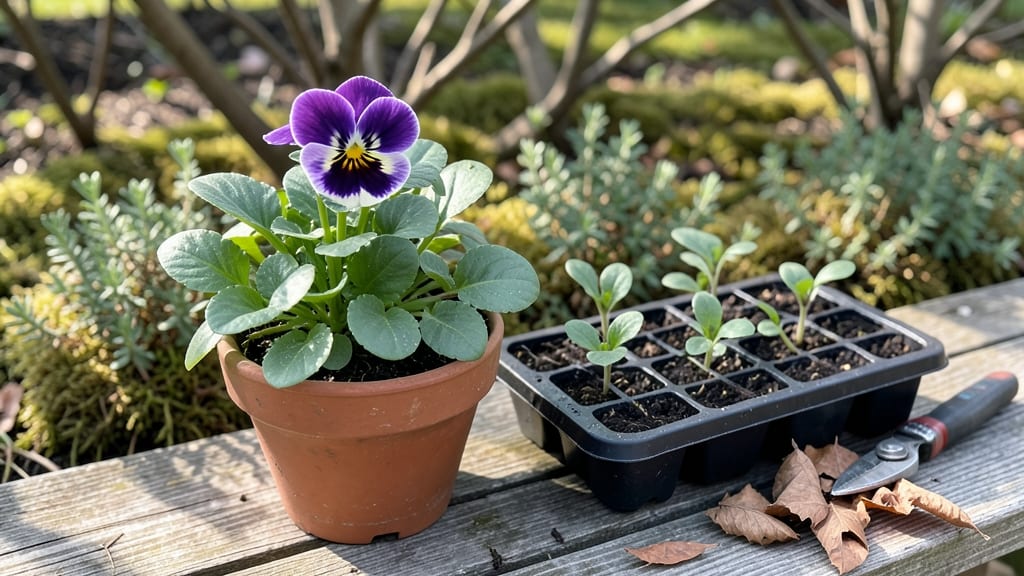
Planting pansies in early spring gives you vibrant color when most gardens are still bare, and I’ve found the secret to keeping them thriving through chilly weather. These cheerful little plants love cool temperatures—perfect for late winter or early fall—and their bright faces lift any garden bed.
The key is getting them into the right spot before the heat arrives, because once summer hits, pansies tend to sulk in the midday sun.
You’ll need well-draining soil mixed with a bit of compost, a sunny spot that gets morning light and afternoon shade, and a gentle hand when placing them. Dig small holes just deep enough to cover the roots but leave the crown visible—burying it too deep will rot the plant.
Space them about 6-8 inches apart, and you’ll end up with a lush carpet of color that lasts for months. Water them right after planting, then keep the soil moist but not soggy until they’re established.
What you’ll love most is how quickly they bounce back—even after a hard frost, pansies often reappear like nothing happened. Their velvety petals stay vibrant longer than many spring flowers, and they attract pollinators early in the season.
The first blooms usually arrive within a few weeks, and with proper care, they’ll keep flowering until late spring or even early summer.
For best results, plant them in fall for a winter-to-spring show or in early spring for summer-long color. If you’re in a hotter climate, opt for shade-tolerant varieties like ‘Cool Wave’ or ‘Major’—they’ll reward you with blooms even when temperatures rise.
The biggest mistake I see is overwatering, which can lead to root rot, so let the top inch of soil dry out between waterings once they’re settled in.
📚 In This Guide
- What you need
- Instructions
- Tips and common mistakes
- Wrapping up and next steps
What you need
- ● Pansy plants: 10–20 plants (depending on desired coverage; spacing ~6–12 inches apart). Choose hardy varieties like ‘Cool Wave’ or ‘Matrix’ for early spring resilience.
- ● Well-draining soil: Mix 1 part potting soil with 1 part compost (or use pre-enriched garden soil with a pH of 5.8–6.5).
- ● Garden bed or containers: For in-ground planting: A 6-inch-deep bed with full sun to partial shade.
- ● For containers: Pots at least 6 inches deep with drainage holes (use 1–2 plants per 6-inch pot).
- ● Slow-release fertilizer: 5–10–10 NPK ratio (1 tbsp per square foot of bed or per container).
- ● Watering can or hose with a gentle spray nozzle.
- ● Garden trowel or transplanting spade.
- ○ Mulch (optional but helpful): 1–2 inches of shredded bark or straw to retain moisture and protect roots.
- ● Epsom salt: 1 tbsp per gallon of water (monthly feeding for vibrant blooms).
- ● Companion plants: Pair with lettuce, radishes, or snapdragons to deter pests naturally.
- ● Plant markers: Label varieties if testing multiple types.
- ● Row covers or frost cloth: For extra protection in Zone 3–5 (if planting before last frost).
Step-by-Step instructions for planting pansy plants
Here’s how to get vibrant pansies thriving in your garden—even in chilly early spring.
Choose the Right Location and Prepare the Soil
Pansies love cool weather and partial shade, especially in warmer climates. Pick a spot that gets 4-6 hours of morning sun and afternoon shade—this prevents the flowers from fading too quickly. Avoid full sun in hotter regions, or the blooms will scorch.
Loosen the soil to a depth of 6 inches with a garden fork or trowel. Pansies prefer well-draining soil rich in organic matter, so mix in 2-3 inches of compost into the top layer. If your soil is heavy clay, add a handful of perlite or sand to improve drainage. Work the amendments in until the soil looks crumbly and airy.
Space Plants Properly for Full, Bushy Growth
Dig small holes just slightly larger than the root balls of your pansy plants. Space them 8-12 inches apart in rows, depending on the variety—smaller types can go closer, while larger ones need more room to sprawl. This spacing ensures good airflow, which reduces disease and lets each plant get enough nutrients.
Gently remove the pansies from their containers and tease the roots if they’re tightly bound. Place each plant in its hole, making sure the top of the root ball sits just below soil level—burying the crown too deep can cause rot. Press the soil lightly around the roots to eliminate air pockets, then water deeply to settle everything.
Mulch and Water for Strong Establishment
Spread 1-2 inches of mulch—like shredded bark or straw—around each plant, keeping it 2 inches away from the stems to prevent rot. Mulch helps retain moisture, regulates soil temperature, and suppresses weeds. Pansies are drought-tolerant once established, but they need consistent moisture during their first 2-3 weeks to root well.
Water the plants once a week (or more often in hot, dry spells) until the soil is 2 inches deep and evenly moist. Avoid overhead watering, which can spread disease. Instead, water at the base in the early morning so the foliage dries quickly. You’ll know they’re happy when the leaves stay plump and the flowers open fully each day.
Fertilize and Maintain for Continuous Blooms
Feed pansies with a balanced, water-soluble fertilizer (like 10-10-10) every 4-6 weeks during the growing season. Mix the fertilizer at half-strength to avoid burning the roots. This keeps the blooms vibrant and encourages new flowers. Deadhead spent blooms regularly by pinching them off at the base—this redirects energy to producing more flowers instead of seeds.
Watch for pests like aphids or slugs, which love pansies. If you spot aphids, spray the plants with a strong stream of water to knock them off. For slugs, set out beer traps or use organic slug bait around the base of the plants. With proper care, your pansies will reward you with weeks of cheerful blooms—even through light frosts.
Tips & tricks for planting pansy plants
These simple strategies will help you avoid common mistakes and get your pansies off to the best possible start.
The Light Factor: That 4-6 hours of morning sun is crucial—it gives pansies just enough energy without overheating them. If your garden gets intense afternoon sun, consider adding a lightweight shade cloth during peak hours. I’ve seen pansies in full sun wilt dramatically by noon, but with that morning light, they stay vibrant all day.
Soil Preparation Secret: Don’t skip the 6-inch soil loosening in Step 1. Pansies have shallow roots that need room to breathe. If your soil is particularly compacted, rent a soil aerator for the area before planting. The extra effort pays off with stronger root systems that can handle spring rains better.
Planting Depth Matters: When placing your pansies in Step 2, that "just below soil level" guideline is non-negotiable. I’ve seen too many gardeners bury the crown too deep, which leads to rot. A good trick is to place the plant in the hole, then fill halfway, water it, let it settle, and finish filling—this naturally positions the crown correctly.
Watering Wisdom: The 2-3 weeks of consistent moisture are critical for root establishment. I recommend using a soaker hose for the first week to ensure even moisture without wetting the foliage. Overhead watering can spread fungal diseases, especially in cool, damp spring conditions.
Pro Tips for Planting Pansy Plants
- These simple strategies will help you avoid common mistakes and get your pansies off to the best possible start.
- The Light Factor: That 4-6 hours of morning sun is crucial—it gives pansies just enough energy without overheating them.
- Soil Preparation Secret: Don’t skip the 6-inch soil loosening in Step 1.
Frequently asked questions
Got questions about planting pansies? You’re not alone—these cheerful blooms spark curiosity! Here are answers to the most common queries to help you grow a stunning display with confidence.
When is the best time to plant pansy plants?
Pansies thrive in cool weather, so plant them 4–6 weeks before your first frost in fall or 2–3 weeks before spring’s last frost. Avoid planting when daytime temps exceed 75°F—heat stress can wilt them fast! For zones 3–10, aim for September–October (fall) or March–April (spring).
Can I plant pansies in containers or just the ground?
Pansies adapt well to containers, hanging baskets, or garden beds. Just ensure pots have drainage holes and use a well-draining potting mix. For containers, choose compact varieties like ‘Cool Wave’ or ‘Rocket’ series. Place them where they get 4–6 hours of sunlight daily.
Will pansies survive winter if planted in fall?
Yes! Pansies are cold-hardy (zones 3–10) and often rebloom in spring after winter. For extra protection, mulch with 2–3 inches of straw or shredded leaves to insulate roots. Avoid heavy mulch in wet climates to prevent rot. Deadhead spent blooms in late winter to encourage fresh growth.
Why are my pansy leaves turning yellow or spotted?
Yellow leaves often signal overwatering, nutrient deficiency, or fungal issues like downy mildew. Check soil moisture—pansies like consistently moist (not soggy) soil. For spots, remove affected leaves and treat with neem oil or a copper fungicide. Boost iron with chelated iron supplements if yellowing is between veins.
How do I keep pansies blooming all season?
For nonstop blooms, deadhead spent flowers weekly and fertilize lightly every 3–4 weeks with a balanced 10-10-10 or bloom-boosting 5-10-5 formula. Avoid high-nitrogen feeds—it promotes foliage over flowers. Also, rotate containers (if potted) to ensure even sunlight exposure.
Still stumped? Drop your pansy predicament in the comments—we’re happy to help!
Wrapping up and next steps
Planting pansies is a rewarding way to brighten your garden with vibrant, cold-hardy blooms that thrive even in early spring! Whether you’re a beginner or a seasoned gardener, these cheerful flowers are easy to grow and perfect for adding color to borders, containers, or companion plantings.
With the right soil, sunlight, and care, you’ll enjoy a stunning display from fall through late spring.
Now that you’re armed with tips and answers to common questions, why not grab your gloves and get planting? Start small—pick a sunny spot, prep the soil, and let those pansies work their magic. Happy gardening! 🌸✨