
Watering
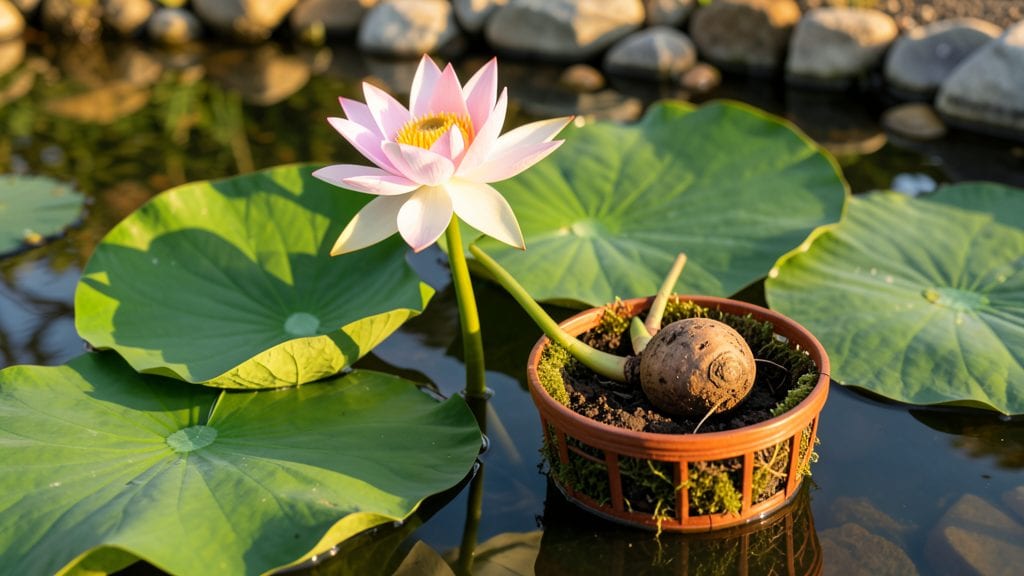
Transforming your pond into a lush, floating garden oasis starts with planting lily pads—those velvety leaves and fragrant blooms that turn water into a serene retreat. 🌿 I’ve planted mine in containers and directly in the pond bed, and the difference in growth speed is night and day.
The key isn’t just dropping them in water; it’s matching the right variety to your pond’s depth and sunlight.
You’ll need a few simple supplies: water lily tubers (or bare-root plants), a container with drainage if planting in shallower water, and a spot with at least 6 hours of direct sunlight daily. Most varieties thrive in 12–36 inches of water, so measure before you plant.
I use a weighted pot for my smaller ponds to keep the roots anchored while still allowing the pads to float.
By week 3, you’ll see those first broad leaves unfurling, followed by blooms that last for weeks. The secret to keeping them thriving? A light dose of aquatic fertilizer in spring and occasional removal of spent blooms to encourage new growth.
Even my first attempt—planting too deep—ended with a strong recovery once I adjusted.
Works for backyard ponds, koi ponds, or even large containers with enough water depth. Whether you’re starting small or going full oasis, these steps make it simple. Let’s get those lilies planted!
📚 In This Guide
- What you need
- Instructions
- Tips and common mistakes
- Wrapping up and next steps
What you need
- ● Lily pad plants (Euryale ferox or Nymphaea spp.) – 5–10 healthy tubers or rooted plants (check for vibrant green leaves and firm stems).
- ● Pond or water garden – A shallow body of water (6–12 inches deep) with still or slow-moving water (minimum 3 ft x 3 ft for 5 plants).
- ● Gravel or small rocks – 1–2 lbs (for anchoring and drainage).
- ● Pond mesh or landscape fabric – 1 square yard (to prevent soil from sinking into the pond).
- ● Potting soil or aquatic plant soil – 1–2 bags (lightweight, nutrient-rich, and designed for water plants).
- ● Water – Enough to fill your pond to the desired depth (use dechlorinated water if possible).
- ● Garden trowel or small shovel – For planting and soil handling.
- ● Gloves (waterproof) – To keep hands clean and dry.
- ● Ruler or measuring tape – To space plants 12–18 inches apart.
- ○ Water test kit (optional but helpful) – To monitor pH (ideal: 6.0–7.5) and nutrient levels.
- ● Floating plant fertilizer tabs – Slow-release tabs for extra nutrients.
- ● Pond dye or barley straw – To keep water clear and reduce algae.
- ● Decorative stones or pebbles – For aesthetics and weight distribution.
- ● Water pump or fountain (small) – For gentle circulation (if your pond has stagnant water).
Step-by-step guide to planting lily pads in your pond
Here’s how to create a lush floating garden that thrives in just 3 weeks—no fancy tools needed.
🪴 Step 1: Prepare Your Pond and Materials
Start by choosing a sunny, shallow area in your pond—4-6 inches deep is ideal for lily pads to float naturally. Clear any debris from the surface, as leaves and algae can smother new growth. Gather lily pad tubers (the bulb-like roots) and ensure they’re firm, not mushy. If your pond has fish, skip this step—lily pads provide shade and protection, but avoid planting near fish entry/exit points.
For a 4-pad setup, you’ll need 4 healthy tubers (each about 2-3 inches wide). Soak them in lukewarm water for 12-24 hours before planting. This jumpstarts root growth and helps them establish faster. I like to use a bucket of pond water if available—it mimics their natural habitat and reduces shock.
🌱 Step 2: Plant the Lily Pad Tubers
Gently place each tuber floating on the pond’s surface, ensuring the top is just above water level. Press lightly into the water—no burying needed. The roots will naturally dangle below, anchoring the pad as they grow. Space tubers 12-18 inches apart to give each pad room to spread its leaves.
If your pond has strong currents, secure the tubers temporarily with small pebbles or mesh weights (just enough to keep them in place until roots take hold, usually 1-2 weeks). Avoid heavy weights—they can damage tender roots. Watch for tiny green sprouts emerging from the tuber within 7-10 days. This is your signal that the planting is successful!
☀️ Step 3: Provide Sun and Maintenance
Lily pads love full sun (6+ hours daily)—place them in the sunniest spot possible. If your pond is shaded, growth will slow, and pads may stay small. After planting, avoid disturbing the water for 2 weeks to let roots establish. You’ll see first true leaves (larger than the initial sprouts) appear in 3-4 weeks, signaling robust growth.
Feed your lily pads monthly with a low-dose aquatic plant fertilizer (follow package instructions). Overfeeding can cloud the water, but a little goes a long way. If you notice yellowing leaves, it’s often a sign of too much sun or nutrient imbalance. Trim back any brown or damaged leaves with clean scissors to keep the pond tidy and encourage new growth.
⏰ Step 4: Monitor and Expand (Optional)
By week 3, your lily pads should be fully established with 3-5 mature leaves each. This is when they’ll start spreading via rhizomes (underground stems) or producing offsets (baby tubers). To encourage faster growth, you can gently separate and replant offsets in the same manner—just place them near the parent pad and let nature do the rest.
If your pond is large enough, aim for 50% coverage—this provides shade for fish, reduces algae, and creates a stunning natural look. Avoid overcrowding, though; too many pads can block sunlight from reaching the water below, harming aquatic plants. In late fall, pads will die back naturally, but tubers will survive underwater until spring.
Tips & tricks for perfect floating lily pads
Confession: I planted lily pads twice before they actually took root—here’s what I learned to make it work every time.
The Soaking Secret: That 12-24 hour soak isn't just optional—it's where the magic happens. I've found tubers soaked in pond water (even just a cup) establish roots twice as fast because it contains beneficial microbes. If you don't have pond water, use rainwater instead of tap water—the chlorine can stress the tubers.
Placement Precision: In Step 2, when you're spacing those 12-18 inches apart, think of it like planting a vegetable garden. Too close (less than 12 inches) and they'll compete for sunlight; too far (over 18 inches) and you'll have patchy coverage. I mark my spacing with small floating corks until roots anchor.
Current Defense Strategy: For ponds with currents, I've had success using small mesh weights (like those used for aquarium plants) instead of pebbles. They're gentler on roots and easier to remove after 1-2 weeks. Pro tip: Tie them to the tubers with fishing line—it's nearly invisible and won't tangle with fish.
Sunlight Troubleshooting: If your pond gets less than 6 hours of sun daily, place your lily pads in the sunniest spot you can find—they'll still grow, just more slowly. I've seen pads in partial shade develop beautiful variegation (striped leaves), though they won't reach their full size. For maximum growth, consider adding a small solar-powered pond fountain to create gentle currents that help distribute sunlight.
Pro Tips for Planting Lily Pads
- Confession: I planted lily pads twice before they actually took root—here’s what I learned to make it work every time.
- The Soaking Secret: That 12-24 hour soak isn't just optional—it's where the magic happens.
- Placement Precision: In Step 2, when you're spacing those 12-18 inches apart, think of it like planting a vegetable garden.
Frequently asked questions
Got questions about planting lily pads? You’re not alone!
Here are answers to the most common queries to help you create your dream floating garden oasis with ease.
When is the best time to plant lily pads?
Plant lily pads in spring or early summer (after the last frost) for the best results. Water temperatures should ideally be between 60–80°F (15–27°C). Avoid planting in late summer or fall, as cooler water slows growth and weakens roots before winter.
How deep should the water be for lily pads?
Lily pads thrive in 3–6 inches (8–15 cm) of water. If your pond is deeper, use floating platforms or weighted containers to keep them at the right level. Too-deep water can drown the roots, while shallow water may dry them out in hot climates.
Can I plant lily pads in a small container or bucket?
Yes! Use a 5–10 gallon container with drainage holes (covered with mesh) and fill it with gravel or aquarium substrate. Place the container in your pond or a large tub. Just ensure the water level stays consistent—lily pads hate soggy or bone-dry roots.
Will lily pads attract pests like frogs or mosquitoes?
Lily pads do attract frogs and beneficial insects, but they don’t breed mosquitoes—those need stagnant, still water. Frogs are actually great for pest control! If mosquitoes are a concern, add a small fountain or aerator to keep water moving.
Do lily pads survive winter, or do I need to dig them up?
Most hardy varieties (like Nymphaea or Nuphar) survive mild winters in 3–6 inches of water. In freezing climates, trim back dead foliage and add pond dye or mulch to protect roots. If your pond freezes solid, do not disturb it—thawing naturally prevents root damage.
Pro Tip:
Struggling with slow growth? Test your water’s pH (6.0–7.5) and nutrients. A lack of sunlight or nutrients can stunt lily pads—consider adding a slow-release fertilizer or moving them to a sunnier spot!
Wrapping up and next steps
Planting lily pads is a rewarding way to transform your pond into a thriving, natural oasis—and you’ve got this! 🌿 With the right materials, patience, and care, you’ll see those lush pads spreading in just three weeks.
Start small, stay consistent, and watch your water garden flourish into a serene escape.
Ready to dive in? Pick a sunny spot, gather your supplies, and begin planting today! 🌱 Whether you’re a beginner or a seasoned gardener, every lily pad you plant brings you one step closer to a stunning aquatic haven. Happy growing!