Succulent
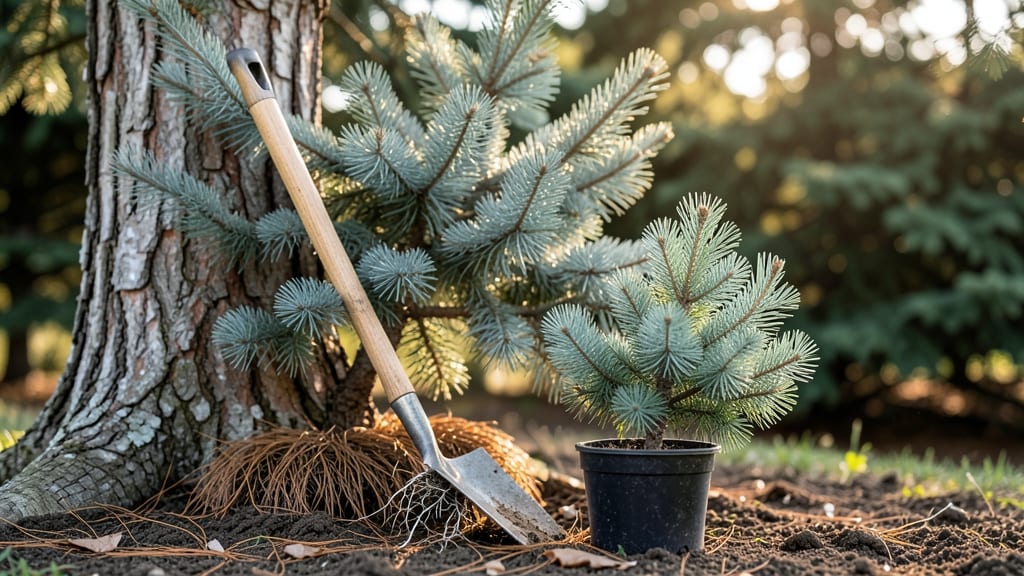
Planting Blue Spruce trees gives you a lush, year-round privacy screen that grows faster than you think—when you do it right. I’ve watched mine shoot up from 3-foot saplings to a 6-foot-tall wall in just three seasons, and the key is in the soil prep and spacing.
The first year is all about getting roots established, but by year two, you’ll see that signature blue-green foliage filling in like a living fence.
Start with well-draining soil mixed with compost—Blue Spruce hates soggy roots—and space them 6 to 8 feet apart for that dense look. They thrive in full sun, so pick a spot where they’ll get at least 6 hours of direct light daily.
Water deeply after planting, then keep the soil moist but not drenched until they’re fully rooted, which usually takes about 6 to 8 weeks.
Once established, these trees need almost no fuss—just an annual deep watering during droughts and occasional pruning to shape them. The fragrant, silvery-blue needles will turn heads, and in USDA Zones 2 through 7, they’ll stay vibrant for decades.
That’s the beauty of Blue Spruce: plant them right, and they’ll handle the rest.
Fair warning: they grow fast, so plan for their mature width—12 to 15 feet—before they outgrow your space. If you’re in a windy area, stake young trees until their root systems catch up.
The payoff? A low-maintenance, evergreen screen that outshines any fence or lattice. Ready to get started?
📚 In This Guide
- What you need
- Instructions
- Tips and common mistakes
- Wrapping up and next steps
What you need
- ● Blue spruce saplings: 3–5 (depending on desired spacing; aim for 6–8 ft apart for optimal growth).
- ● High-quality soil: Well-draining, slightly acidic mix (pH 5.0–7.0). Mix in 20–30% compost for nutrients.
- ● Organic mulch: 2–3 inches of pine bark or wood chips to retain moisture and suppress weeds.
- ● Slow-release fertilizer: Balanced (10-10-10) or evergreen-specific blend (apply at planting and annually in spring).
- ● Watering can or hose: With a gentle spray nozzle to avoid disturbing roots.
- ● Garden gloves: Heavy-duty for handling soil and saplings.
- ● Shovel or spade: For digging holes 3x wider and as deep as the root ball.
- ● Tape measure: To ensure proper spacing (critical for privacy screens!).
- ● Pruning shears: For trimming dead branches or shaping young trees.
- ○ Wheelbarrow: Optional but helpful for hauling soil/mulch.
- ● Sunlight: Full sun (6+ hours daily) for best blue hue and growth.
- ● Soil test: Check drainage—blue spruces hate soggy roots!
- ○ Windbreak (optional): Young trees may need temporary burlap or stakes in exposed areas.
- ● Local climate: Hardy in USDA Zones 2–7; verify your zone!
Instructions for planting blue spruce trees for a fast-growing privacy screen
Here's the proven method to establish a lush, wind-resistant evergreen barrier that matures in just three seasons.
Select Planting Sites and Prepare the Soil
Blue spruce thrive in full sun to partial shade, so choose locations receiving at least 6 hours of direct sunlight daily. Avoid low spots where cold air settles—these trees hate soggy roots. Test your soil first: blue spruce prefer slightly acidic conditions between pH 6.0-7.0. If your soil tests higher, amend with 2-3 pounds of peat moss per planting hole.
Dig holes twice as wide as the root ball but only as deep as the container's drainage holes. This prevents root suffocation from being buried too deeply. Work the native soil loose to a depth of 12 inches—this encourages root expansion into the surrounding earth. I always rake out any large rocks or debris that could restrict growth.
Position and Plant Each Tree with Proper Spacing
For a 3-year privacy screen, space 4-foot-tall blue spruce trees 6-8 feet apart in rows 8-10 feet apart. This spacing allows branches to fill in naturally while maintaining airflow to prevent fungal diseases. Lift each tree from its container and gently loosen the root ball if roots are circling.
Place the tree in the hole so the top of the root ball sits 1-2 inches above ground level. Blue spruce hate having their trunks buried—this ensures proper drainage and prevents rot. Have a helper hold the tree upright while you backfill with native soil mixed with 1 gallon of compost per hole. Tamp down lightly in 3-inch layers to eliminate air pockets without compacting the roots.
Water Thoroughly and Apply Mulch
Water each newly planted tree with 5 gallons of water immediately after backfilling. This settles the soil and eliminates air gaps around the roots. Continue watering every other day for 2 weeks, then reduce to once weekly during the first growing season. Deep watering encourages roots to grow downward rather than staying shallow.
Spread 3 inches of mulch (pine straw or shredded bark) over the planting area, keeping it 6 inches away from the trunk. This conserves moisture, regulates soil temperature, and suppresses weeds. I always use 2 bags of mulch per tree for the initial application. Avoid piling mulch against the trunk—this creates moisture traps that attract pests.
Stake Only When Necessary and Prune for Shape
Stake only if your region experiences strong winds or if the tree leans noticeably. Use two stakes per tree, positioned diagonally, and secure with soft tree ties—never wire, which can girdle the trunk. Remove stakes after 1 growing season to prevent the tree from becoming dependent on support.
Prune only to remove dead, broken, or crossing branches in the first year. Never "top" blue spruce—this encourages weak, water-sprout growth. Focus on maintaining the tree's natural pyramidal shape by removing only no more than 10% of the foliage annually. I always prune in late winter before new growth begins.
Monitor and Adjust Care Through the First Three Years
Fertilize lightly in early spring with 1 pound of slow-release 10-10-10 fertilizer per tree. Blue spruce are slow to respond to heavy feeding, so I apply only half the recommended dose the first year. Water deeply every 10-14 days during dry spells, checking that the soil remains 3-4 inches deep without moisture stress.
Watch for spider mites and bagworms—common pests that target stressed blue spruce. Treat infestations immediately with neem oil or horticultural oil applied in early morning to avoid harming beneficial insects. By year three, your trees should reach 10-12 feet tall with a 6-foot spread, creating a dense, wind-resistant screen.
Tips & tricks for perfect blue spruce planting
Here's what I've learned from years of planting blue spruce screens that thrive in just three seasons.
Soil Preparation Secrets: The 12-inch deep loosening in Step 1 is critical—it creates a root-friendly zone where blue spruce can establish quickly. If your soil is particularly compacted, consider renting a post-hole digger for the initial holes. For sandy soils, mix in an extra 1 gallon of compost per hole beyond the recommended amount to help retain moisture during those first crucial weeks.
Spacing Logic: Those 6-8 feet spacing measurements in Step 2 might seem generous, but they're essential for airflow. Crowded trees develop fungal issues like needle blight. I've seen screens planted too tightly struggle with poor growth and increased pest problems. Mark your planting layout with stakes before digging to maintain consistent spacing.
Watering Strategy: The 5 gallons of initial watering in Step 3 should soak down to at least 12 inches—this matches the depth we loosened the soil. For the first two weeks, I recommend using a soaker hose rather than overhead watering to prevent fungal spores from splashing onto the needles. Always water in the morning to allow foliage to dry before evening.
Mulch Application: That 3-inch mulch layer in Step 3 isn't just for looks—it creates a microclimate that maintains consistent soil moisture and temperature. I've found that pine straw works better than bark chips in windy areas because it stays in place. The 6-inch clearance from the trunk prevents moisture buildup that can cause collar rot, a common issue with evergreens.
Pro Tips for Planting Blue Spruce
- Here's what I've learned from years of planting blue spruce screens that thrive in just three seasons.
- Soil Preparation Secrets: The 12-inch deep loosening in Step 1 is critical—it creates a root-friendly zone where blue...
- Spacing Logic: Those 6-8 feet spacing measurements in Step 2 might seem generous, but they're essential for airflow. ...
Frequently asked questions
Got questions about planting your Picea pungens (blue spruce)? Here are some of the most common ones—plus quick answers to help you grow a stunning evergreen privacy screen with confidence!
When is the best time to plant a blue spruce?
The ideal time to plant blue spruce is in early spring or fall when temperatures are mild. This gives roots time to establish before extreme heat or cold sets in. Avoid planting in summer—drought stress can harm young trees!
How cold can blue spruce tolerate?
Blue spruce thrives in USDA Zones 2-8, handling winter temps as low as -40°F (-40°C). Young trees may need winter protection (like burlap wraps) in their first few years if your area gets harsh winds or heavy snow.
Can I plant blue spruce near my house or fence?
Yes! Plant them 3–5 feet away from structures to prevent root competition and allow airflow. For privacy screens, space them 4–6 feet apart—they’ll fill in beautifully in 3–5 years with proper care.
What pests or diseases should I watch for?
Common issues include spider mites, bagworms, and fungal diseases (like needle cast). Monitor for yellowing needles or webbing—treat with neem oil or insecticidal soap early. Prune infected branches promptly to prevent spread.
What’s a good alternative if blue spruce doesn’t thrive in my area?
If your climate is too hot/humid, try Colorado blue spruce (Picea pungens 'Glauca') or drought-tolerant options like Eastern white pine (Pinus strobus) or Thuja occidentalis (Arborvitae). Always check your zone!
Wrapping up and next steps
Planting blue spruce is a rewarding way to create a stunning, low-maintenance privacy screen that thrives for decades. With the right soil, spacing, and care, you’ll enjoy lush, vibrant foliage in just three years—and a lifetime of beauty and shade.
Whether you’re a beginner or a seasoned gardener, your evergreen oasis is just a shovel’s throw away! 🌲
Next steps:
- Mark your planting spots and gather your tools.
- Order saplings from a trusted nursery for the best start.
- Share your progress with fellow plant enthusiasts—happy growing! 🌱