
Aphids
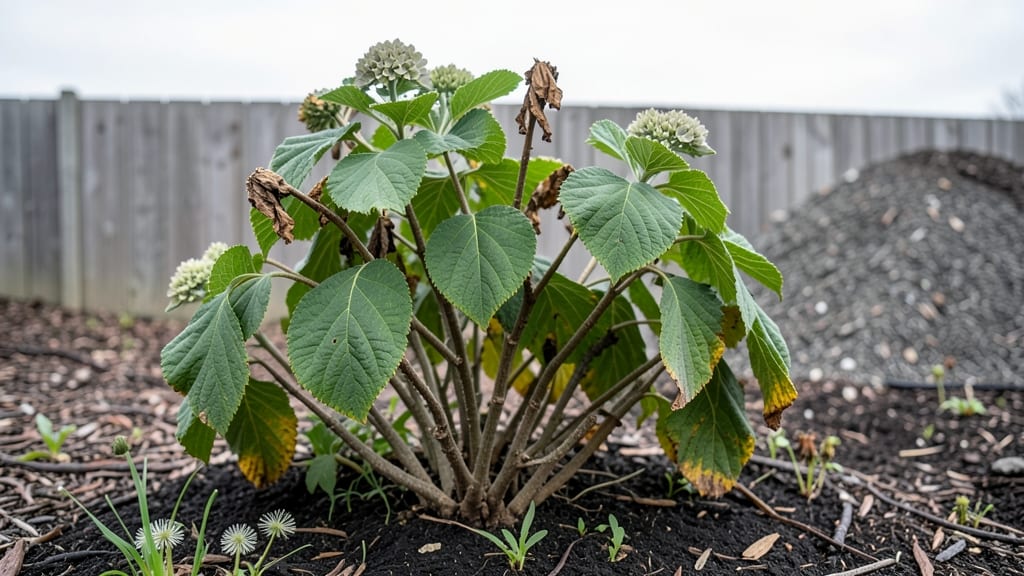
Your newly planted hydrangea wilting is the last thing you want after all that hope—and the good news is, it’s almost always fixable. I’ve nursed back more drooping bushes than I can count, and the key starts with checking the roots, not the leaves.
What looks like a lost cause is often just thirst, shock, or a quick pest check away from bouncing back.
The first step is simple: dig down 2 inches around the base and feel the soil. If it’s bone-dry, water deeply until it drains 6 inches down—hydrangeas hate soggy roots but love consistent moisture.
Yellowing leaves with crisp edges? That’s underwatering. Soft, mushy stems? Overwatering or rot. And if you spot tiny clusters of bugs on the undersides of leaves, those aphids are the real culprits.
Within 3-5 days of adjusting water and trimming damaged stems, you’ll see new growth pushing through. The secret’s in the balance: morning watering, well-draining soil, and a weekly check for pests.
Even my blackest thumb has revived hydrangeas this way—no fancy tools, just patience and a sharp eye for what’s really wrong.
This works for big-leaf, panicle, or oakleaf varieties, whether you’re dealing with a brand-new transplant or a mature bush that’s suddenly acting up. The same steps apply, so let’s turn that wilting into lush, blooming confidence by next week.
Root Causes Behind Wilting Hydrangeas
When your hydrangea suddenly droops like a sad party guest, it’s usually not a sign of poor manners—it’s a distress signal. Understanding the why behind the wilt is the first step to reviving your plant.
Below, we break down the most common culprits, backed by science, so you can diagnose the issue like a pro.
Hydrangeas love moisture, but too much water can suffocate their roots, cutting off oxygen and leading to root rot (a fungal infection caused by Phytophthora or Pythium).
Why it happens:
- Hydrangeas thrive in well-draining soil with a pH of 5.2–6.0. If your soil is heavy clay or compacted, water pools around roots instead of draining away.
- Overwatering (especially in containers) creates anaerobic conditions, where roots drown and beneficial microbes struggle to survive.
- Signs: Yellowing leaves, mushy stems, and a foul smell at the base.
💡 Pro Tip: Stick your finger 2 inches into the soil—if it’s soggy, hold off on watering. Amend clay soil with compost or perlite to improve aeration.
While hydrangeas enjoy shade, they can wilt dramatically when dehydrated, especially in hot, dry spells. This triggers physiological drought, where the plant closes stomata (pores) to conserve water, causing wilting even if soil moisture isn’t the issue.
Why it happens:
- Hydrangeas need 1–1.5 inches of water per week (more in full sun). If your plant is in a sunny spot, it may transpire faster than the soil can replenish moisture.
- Signs: Crispy leaf edges, drooping that worsens in the afternoon, and soil pulling away from pot edges (in container plants).
💡 Pro Tip: Mulch with wood chips or straw to retain moisture. For container plants, use self-watering pots or group them together to create a humid microclimate.
Hydrangeas are sensitive to sudden temperature swings and intense afternoon sun, which can cause solar stress or cold damage to leaves and stems.
Why it happens:
- Cold snaps: Temperatures below 28°F (-2°C) can damage hydrangea cells, leading to wilting as the plant struggles to regulate water uptake.
- Sunburn: Young or newly planted hydrangeas in full sun may develop chlorotic (bleached) patches or wilt as leaves lose turgor pressure from heat stress.
- Signs: Wilting that occurs after a frost or during heatwaves, paired with leaf scorch (brown, papery edges).
💡 Pro Tip: Gradually acclimate hydrangeas to sun by hardening them off (exposing to sunlight for 1–2 hours daily, increasing over 2 weeks). In winter, use burlap wraps to protect from windburn.
Aphids, spider mites, and fungal pathogens like Botrytis (gray mold) can sap hydrangeas of nutrients and water, leading to wilting. Aphids, in particular, inject toxins that disrupt the plant’s vascular system.
Why it happens:
- Aphids: These sap-sucking insects cluster on new growth, injecting salivary enzymes that distort leaves and block water transport. Infested plants wilt even when soil is moist.
- Fungal infections: Overhead watering or high humidity encourages Botrytis, which causes gray, fuzzy mold on stems and buds, stunting growth and wilting.
- Signs: Sticky residue (aphid honeydew), curled leaves, or moldy growth at leaf axils.
💡 Pro Tip: Inspect undersides of leaves for pests. Treat aphids with neem oil or soapy water spray, and improve airflow by pruning dense foliage.
Even well-loved hydrangeas can wilt after repotting or planting, thanks to root pruning or disrupted soil microbes. This is especially common in container-grown plants moved to the ground.
Why it happens:
- Root disturbance: During transplanting, fine feeder roots (critical for water absorption) get damaged, reducing the plant’s ability to uptake moisture.
- Soil microbiome disruption: Beneficial fungi and bacteria in the root zone take weeks to re-establish, leaving the plant vulnerable to stress.
- Signs: Wilting starts within 3–7 days post-transplant, paired with yellowing leaves (a sign of nutrient deficiency from disrupted roots).
💡 Pro Tip: Water deeply before transplanting to reduce stress. Add mycorrhizal fungi (available as powders) to the planting hole to jumpstart root recovery.
Revive Your Wilting Hydrangeas Fast
Now that you know the root causes behind your drooping hydrangeas—whether it’s aphid infestations, underwatering, overwatering, nutrient deficiencies, or root stress—let’s tackle them with practical, step-by-step fixes. These solutions are designed to bring your plants back to life without relying on harsh chemicals or guesswork.
Aphids sap your hydrangeas dry, leaving them limp and sticky. Here’s how to kick them out for good:
🔥 Step 1: Blast Them Off with Water
- Grab a hose (or a spray bottle for smaller plants) and blast aphids off with a strong stream of water. Focus on new growth, undersides of leaves, and flower buds.
- Repeat every 2–3 days until they’re gone.
This disrupts their life cycle and washes away honeydew (the sticky residue they leave behind).
🍳 Step 2: Apply a Natural Soap Spray
Mix 1 tbsp mild liquid soap (like Castile soap) with 1 quart of water. Spray directly on aphids—the soap suffocates them. Reapply after rain or every 5–7 days.
👨🍳 Step 3: Introduce Beneficial Bugs
- Ladybugs, lacewings, and parasitic wasps love aphids. Buy them online or attract them by planting dill, fennel, or yarrow nearby.
- Neem oil spray (1 tsp neem oil + 1 tsp mild soap per quart of water) also disrupts aphid reproduction.
Spray early morning or evening to avoid harming bees.
🌡️ Prevention Tips
✔ Inspect plants weekly—catch aphids early before they multiply. ✔ Prune heavily infested leaves and dispose of them in a sealed bag (not compost). ✔ Encourage airflow by spacing plants properly—aphids thrive in crowded, humid spots.
Wilting from thirst? Hydrangeas need consistent moisture, especially in pots or hot climates.
🥘 Step 1: Deep Watering Technique
- Stick your finger 2 inches into the soil—if it’s dry, water deeply until it drains from the bottom.
- For potted hydrangeas, soak the pot in a bucket of water for 10–15 minutes to ensure roots get saturated.
🔪 Step 2: Mulch Like a Pro
- Spread 2–3 inches of mulch (wood chips, straw, or shredded bark) around the base (but not touching the stem).
- Mulch retains moisture, regulates soil temp, and discourages weeds that compete for water.
⏰ Step 3: Adjust Your Watering Schedule
- Morning watering (before 10 AM) is best—it gives roots time to absorb water before evaporation.
- Avoid overhead watering (especially at night), which can promote fungal diseases.
💡 Prevention Tips
✔ Group hydrangeas together—they benefit from shared humidity. ✔ Use self-watering pots if you travel often. ✔ Test soil moisture regularly—hydrangeas prefer evenly moist (not soggy) soil.
Soggy soil suffocates roots, leading to wilting, yellowing, and rot. Here’s how to drain the problem:
🔥 Step 1: Check Drainage Immediately
- Potted plants? Ensure pots have drainage holes—if not, repot ASAP.
- In-ground plants? Amend heavy clay soil with compost or perlite to improve drainage.
🍳 Step 2: Let Soil Dry Slightly Between Waterings
- Stick your finger in the soil—if the top 1–2 inches are damp, wait before watering again.
- For potted hydrangeas, lift the pot—if it’s heavy with water, hold off until it’s lighter.
👨🍳 Step 3: Prune Damaged Roots (If Needed)
- Gently remove the plant from its pot and inspect roots.
- Trim mushy, black roots with sterilized scissors, then repot in fresh, well-draining soil.
🎯 Prevention Tips
✔ Avoid watering on a schedule—check soil moisture instead. ✔ Use raised beds or containers if your garden has poor drainage. ✔ Never let hydrangeas sit in saucers of standing water.
Wilting can signal lack of key nutrients. Hydrangeas crave nitrogen, phosphorus, and micronutrients like iron.
🔥 Step 1: Feed with a Balanced Fertilizer
- Use a slow-release granular fertilizer (like 10-10-10) in early spring.
- For quick results, mix 1 tbsp Epsom salt (magnesium sulfate) into a gallon of water and water the base.
🥘 Step 2: Add Organic Matter
- Work compost or aged manure into the top 6 inches of soil around the plant.
- Fish emulsion or seaweed extract (diluted per package) gives a nutrient boost without burning roots.
💡 Prevention Tips
✔ Test your soil (kits are cheap!) to know exactly what’s missing. ✔ Mulch annually—it slowly releases nutrients as it breaks down. ✔ Avoid over-fertilizing—too much salt can harm roots.
Transplant shock, compacted soil, or root-bound pots can cause wilting. Here’s how to revive stressed roots:
🔥 Step 1: Loosen Compacted Soil
- Gently dig around the roots with a fork to aerate the soil and encourage new growth.
- For potted plants, knock the root ball gently against a hard surface to loosen roots before repotting.
🍳 Step 2: Repot If Root-Bound
- If roots circle the pot or grow out of drainage holes, repot into a container 2–3 inches larger.
- Use well-draining potting mix (add perlite or orchid bark for extra airflow).
✨ Prevention Tips
✔ Transplant in early spring or fall—avoid extreme heat or cold. ✔ Use containers with room to grow—hydrangeas hate being root-bound. ✔ Avoid disturbing roots unnecessarily—only repot when truly needed.
Before you give up, run through this quick checklist to diagnose and fix: ✅ Aphids? → Spray with soapy water + introduce ladybugs. ✅ Dry soil? → Deep water + mulch heavily. ✅ Soggy soil? → Improve drainage + let dry between waterings. ✅ Yellow leaves? → Test soil pH + fertilize with iron if needed. ✅ Root-bound? → Repot with fresh, airy soil.
With these fixes, your hydrangeas should perk up within 1–2 weeks—and stay lush all season long! 🌸💚
Frequently asked questions about reviving drooping hydrangeas
Why do my hydrangea leaves turn yellow before wilting?
Yellowing leaves before wilting usually signals overwatering or nutrient deficiency. If the soil stays soggy, roots suffocate from lack of oxygen. For nutrient issues, check for iron deficiency (common in alkaline soil) or nitrogen shortage. Test soil pH and amend with compost or Epsom salt if needed.
How long does it take for hydrangeas to recover after fixing the problem?
With proper care, you’ll typically see improvement within 3-5 days. Full recovery takes 2-4 weeks, depending on the issue. Prune severely damaged stems to redirect energy to healthy growth. Monitor soil moisture and watch for new leaf growth at the tips of branches.
Can I save a hydrangea that's completely wilted and mushy?
If the stems are soft and black (signs of root rot), prune back to healthy green tissue and repot in fresh, well-draining soil. For severe cases, you may need to cut back to 1/3 of the plant to stimulate new growth. Keep the remaining plant in bright, indirect light and water only when the top 1 inch of soil feels dry.
Will pruning help a wilting hydrangea recover faster?
Yes! Pruning removes stressed foliage, allowing the plant to focus energy on recovery. Cut back 1/3 of the wilted stems to just above a leaf node. For severe cases, prune back to healthy green wood. Always sterilize pruners with rubbing alcohol to prevent disease spread. Do this in early morning to reduce stress.
Are there any quick fixes for sudden wilting in hot weather?
For immediate relief, move potted hydrangeas to partial shade and give them a deep watering (soak until water drains from the bottom). Mist leaves lightly in the evening to increase humidity. For in-ground plants, mulch heavily with 2-3 inches of wood chips to retain moisture and cool roots.