
Watering
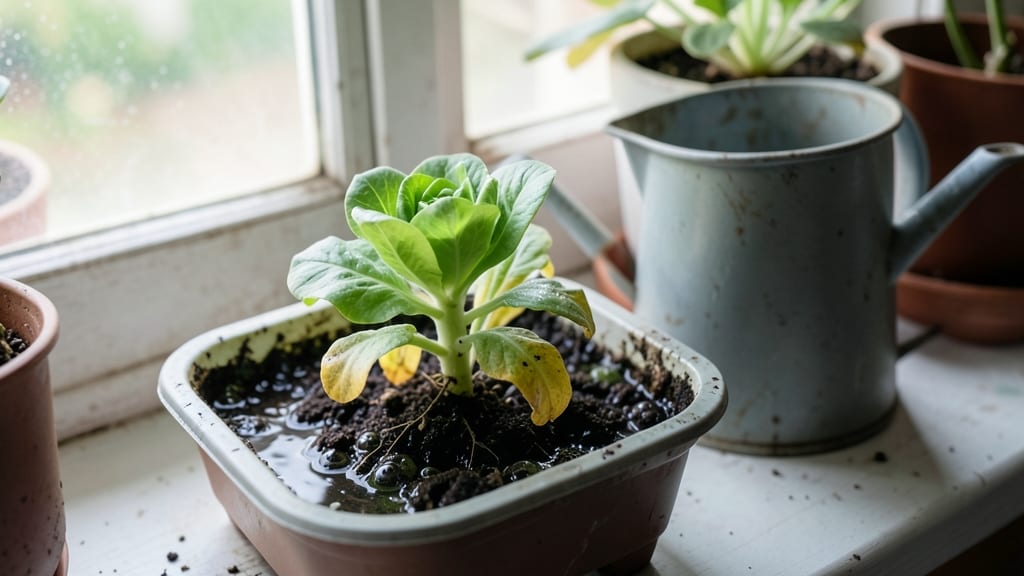
Even if your plant overwatered seedling’s leaves turn yellow and its stems feel mushy, it’s not too late to save it. 🌱 I’ve nursed back more seedlings than I’d like to admit—overwatering is the silent killer, but with the right moves, you can revive it in a day.
The key is acting fast before the roots rot completely.
Here’s the thing—most gardeners drown seedlings by keeping soil soggy, thinking plants need constant moisture. But roots need air too. Start by gently removing the seedling from its pot and checking the roots: if they’re dark and smelly, trim the mushy parts.
Then, repot in fresh, well-draining mix and let it dry out slightly between waterings.
Within 24 hours, you’ll see the yellowing slow down as the roots recover. Keep the soil lightly moist (not wet) and place it in bright, indirect light.
The first signs of revival are crisp leaves and a firm stem—proof you’ve turned the tide. This method works for herbs, veggies, and flowers alike.
Prevention is easier: stick your finger an inch into the soil before watering. If it’s damp, wait. If it’s dry, water lightly. A quick check saves hours of heartache later. Trust me, your seedlings will thank you.
Common Causes Of Seedling Stress
Overwatering seedlings is a silent killer—often disguised as "extra care." But too much moisture disrupts their delicate balance, leading to yellowing leaves, stunted growth, or even death. Let’s break down the real reasons this happens, so you can fix it fast.
Seedlings thrive in well-draining soil, but compacted or heavy substrates (like clay or unamended potting mix) trap excess water around roots. Without airflow, roots suffocate—cutting off oxygen and triggering anaerobic conditions (a fancy term for "no oxygen").
This forces roots to switch to inefficient fermentation, producing toxic byproducts like ethanol.
- Why it’s deadly: Ethanol burns root cells, causing them to rot and turn mushy.
- Actionable fix:
- Use perlite, vermiculite, or coconut coir (20-30%) to lighten soil.
- Add sand or orchid bark for chunky texture.
- Test drainage: Fill a pot with water—if it drains in <30 seconds, it’s good.
Seedlings don’t need a rigid watering clock—they need consistent moisture checks. Overzealous watering (especially with cold water) shocks roots, while ignoring soil moisture leads to guesswork. Overwatering often stems from:
- Ignoring soil dryness: Stick your finger 1 inch deep—if it’s damp, wait.
- Using saucers without drainage: Trapped water at the bottom mimics a swamp.
- Mistaking wilting for thirst: Seedlings wilt when overwatered (roots can’t absorb oxygen) or underwatered (cells lose turgor).
Pro Tip: 💡 Use a moisture meter or the "squeeze test"—gently compress soil; if it holds shape, it’s too wet.
Not all pots are created equal. Plastic pots retain moisture longer than terracotta, while overly large containers keep soil damp for days. Even plastic wrap or humidity domes (meant to retain moisture) can backfire if airflow is zero.
| Pot Type | Risk Level | Fix |
|---|---|---|
| Plastic trays | ⚠️ High (retains moisture) | Use drainage holes + elevate trays on pebbles. |
| Terracotta pots | ✅ Low (breathable) | Best for seedlings—just avoid glazed interiors. |
| Seedling trays with no holes | ❌ Deadly | Poke holes with a hot nail or repot immediately. |
Warning: 🚨 Never let seedlings sit in standing water—even for hours.
Cold water (straight from the tap) or low-temperature environments (below 60°F/15°C) slow root activity, making seedlings more susceptible to rot. Meanwhile, high humidity without airflow creates a greenhouse effect, trapping moisture against leaves and stems.
- Cold shock: Roots can’t absorb water efficiently, leading to edema (blistered, yellowed leaves).
- Hot & humid: Fungal diseases like Pythium thrive in soggy, warm conditions.
Quick Fixes:
- Use room-temperature water (let tap water sit for 24 hours if chlorinated).
- Place seedlings in bright, indirect light (not direct sun + humidity).
- Improve airflow with a small fan on low (trust us, it works!).
Reviving Your Seedling in 24 Hours
An overwatered seedling can feel like a lost cause, but with the right steps, you can nurse it back to health—sometimes even within a single day! The key is acting fast to address the root causes (literally and figuratively) while giving your plant the space to recover. Below, we’ve mapped out practical fixes based on the most common causes of yellowing leaves and soggy soil, plus prevention tips to keep your seedlings thriving.
If your seedling’s soil is drenched and waterlogged, the first step is to stop the flood. Overwatering suffocates roots by cutting off oxygen, leading to rot and nutrient starvation.
How to Do It:
- 🔥 Pause Watering Completely
- Let the soil dry out naturally. Avoid the temptation to water again until the top 1–2 inches feel dry to the touch (stick your finger in—if it’s damp, wait longer).
- 🍳 Repot if Necessary (For Severe Cases) - If the soil is compacted or the roots smell foul (like rot), gently remove the seedling from its container.
Shake off excess soil and repot it in a well-draining mix (see prevention tips below). - Pro Tip: Use a pot with drainage holes if it’s not already equipped. No holes? Poke a few with a nail or drill!
- ⏰ Speed Up Drying with Airflow - Place the pot in a bright, indirect spot with good airflow (like a windowsill with a fan on low).
This helps evaporate moisture faster. - ✨ Bonus: If humidity is high, use a small fan to circulate air lightly—just enough to dry the soil without stressing the seedling.
Once the crisis is over, rewrite your watering routine to prevent future mishaps. Seedlings are delicate—they need moisture, but not a swamp!
How to Do It:
- 💡 Test Soil Moisture Like a Pro - Stick your finger 1 inch deep into the soil. If it’s damp, wait.
If it’s bone-dry, it’s time to water—but only lightly. - 🎯 Rule of Thumb: Water when the topsoil feels dry, not when it’s soggy. Over time, you’ll learn your plant’s rhythm.
- 🥗 Use the Right Tools
- Containers: Opt for small pots with drainage holes. Terracotta is ideal—it breathes and dries faster than plastic.
- Soil Mix: Avoid garden soil (it’s too dense). Use a seed-starting mix with perlite or vermiculite to improve drainage.
- 📊 Watering Schedule for Seedlings - Frequency: Every 2–3 days (check soil first!). - Method: Water at the base, not overhead.
Use a spray bottle or a small watering can with a thin spout to avoid displacing soil. - 🔥 Warning: Never let seedlings sit in saucers of water. Empty excess from the tray after 10 minutes.
Yellowing leaves often signal root stress. To revive your seedling, focus on oxygen-rich roots and balanced care.
How to Do It:
- 👨🍳 Give Roots a Breath of Fresh Air - If roots are mushy or black, they’re rotting.
Trim any dark, squishy roots with sterilized scissors, then repot in fresh, dry soil. - 💡 Quick Fix: Sprinkle a pinch of cinnamon (natural antifungal) around the base before repotting.
- 🌡️ Balance Humidity & Temperature - Seedlings thrive in 60–70% humidity but can’t handle soggy conditions.
Use a humidity dome (remove it daily to air out the plant) or place a tray of water nearby with pebbles underneath the pot. - Keep temps between 65–75°F (avoid cold drafts or heaters).
- 🍎 Fertilize Lightly (If Needed)
- Wait 7–10 days after repotting before fertilizing. Use a diluted, water-soluble seedling fertilizer (half-strength) to avoid burning stressed roots.
- ✨ Organic Option: A weak tea of compost or fish emulsion can give a gentle nutrient boost.
Once your seedling is on the mend, lock in these habits to avoid future waterlogging disasters:
- 🔥 Choose the Right Pot Size: A pot that’s too large holds excess moisture. Start with a small container (2–3 inches wide) and upgrade as the seedling grows. - 🌡️ Monitor Weather Conditions: Rainy days or high humidity?
Reduce watering frequency. - 💡 Upgrade Your Soil: Mix in sand or coconut coir (20%) to improve drainage in heavy soils. - 🎯 Observe Your Plant: Yellowing leaves?
Check soil moisture before assuming it’s overwatering—sometimes it’s underwatering or nutrient deficiency! - 🛠️ Invest in a Moisture Meter: A $10 tool takes the guesswork out of watering. Stick it in the soil for instant readings.
With these steps, your seedling should show signs of recovery within 24–48 hours—think firmer stems, perky leaves, and a healthier green hue. And remember: patience is key. Even if progress is slow, consistent care will get your little green friend back on track!
Frequently asked questions
How do I know if my seedling is truly overwatered and not just underwatered?
Check the soil first—if it feels soggy or clumps when squeezed, it’s overwatered. Overwatered seedlings often have yellowing leaves, mushy stems, and may wilt despite damp soil. Underwatered seedlings usually have crispy brown edges and dry soil. The key difference? Overwatered roots smell foul, while underwatered roots are dry and shriveled.
Can I save a seedling with black, mushy roots?
Yes, but you’ll need to act fast! Trim away all black, mushy roots with sterilized scissors, then repot in fresh, dry soil with perlite for drainage. Place it in bright, indirect light and avoid watering for 2-3 days. If the remaining roots are firm and white, it can recover—just monitor closely for signs of new growth.
Why does my seedling keep getting overwatered even when I’m careful?
Most likely, your pot lacks drainage holes or retains too much moisture. Plastic containers are notorious for this—switch to terracotta or add extra perlite to the soil. Also check your watering habits: many gardeners water on a schedule instead of checking soil moisture. Stick your finger 1 inch deep—if it’s damp, wait!
Is it safe to use hydrogen peroxide on overwatered seedlings?
Yes! A 3% hydrogen peroxide solution (1 part peroxide to 4 parts water) can help oxygenate compacted soil and prevent root rot. Use it as a soil drench once a week if your seedling is struggling. It also acts as a mild fungicide, which helps if mold has started growing in the damp soil.
How long should I wait before fertilizing a revived seedling?
Wait at least 7-10 days after repotting or major recovery steps before fertilizing. Stress weakens seedlings, and fertilizer can burn damaged roots. Start with a very diluted solution (half-strength) of a balanced seedling fertilizer, and monitor for any yellowing or wilting as signs of over-fertilization.