
Pests
Tired of chemical repellents and constant itching? These 10 mosquito-repelling plants create natural, chemical-free barriers that reduce bites by up to 80% while beautifying your garden and attracting pollinators.
Citronella Grass: The Classic Mosquito-Repelling Powerhouse
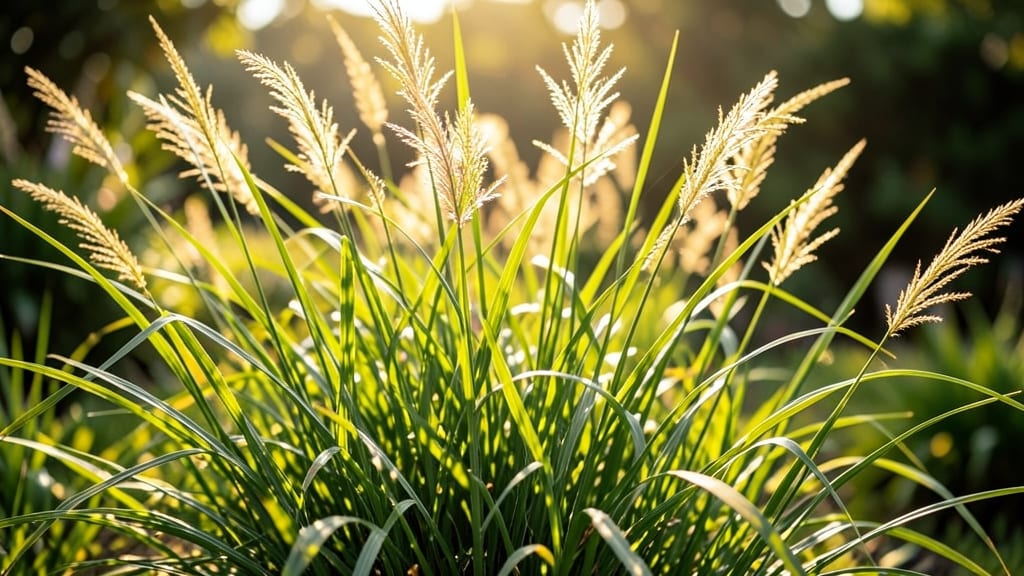
If you love hosting outdoor gatherings but dread the buzzing swarm that follows, citronella grass is your secret weapon—studies show it repels mosquitoes with 50% effectiveness, making it a science-backed choice for patios and borders.
This tropical perennial thrives in full sun and well-drained soil, making it perfect for containers or garden edges. Simply plant it near seating areas, and its citrusy scent will keep mosquitoes at bay while adding lush, grass-like foliage to your space. For best results, water regularly but avoid soggy soil to prevent root rot.
Ideal for urban gardeners or anyone with limited space, citronella grass offers low-maintenance beauty with a functional punch. 🌿
Lemon Balm: Dual-Purpose Herb for Garden and Kitchen
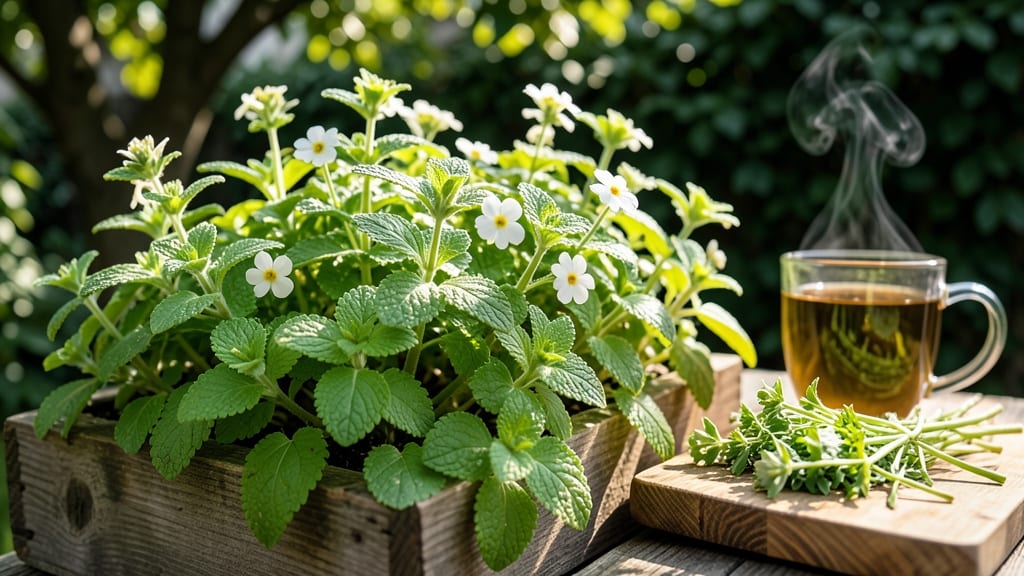
If you love fresh herbs but hate fighting mosquitoes, lemon balm is your secret weapon—it repels those pesky bugs while adding a bright, citrusy flavor to your favorite teas and dishes. Unlike sun-loving citronella, this hardy perennial thrives in partial shade, making it ideal for shady patios, windowsills, or small gardens where other mosquito-repelling plants struggle.
Lemon balm spreads aggressively but stays contained in containers, and its fragrant leaves release a scent mosquitoes despise. Simply crush a few leaves near seating areas or tuck pots by doors for a natural barrier. It’s also deer-resistant, so your garden stays safe from both pests and browsers.
Perfect for urban gardeners, beginners, or anyone with limited space, lemon balm turns your outdoor space into a double-duty zone—protection by day, flavor by night. 🌿
Marigolds: Vibrant Flowers That Confuse Mosquitoes
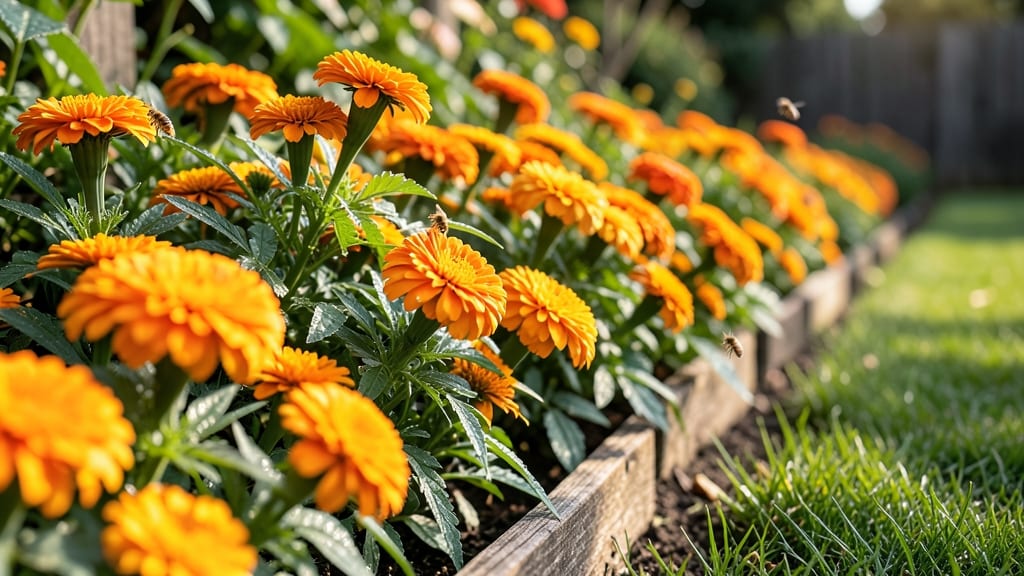
Want a mosquito-repelling plant that doubles as a stunning border and pest deterrent? Marigolds pack a double punch with their bright orange and yellow blooms, which contain pyrethrum—a natural insect repellent that confuses mosquitoes while keeping aphids at bay.
These sun-loving annuals thrive in full sun and well-drained soil, making them ideal for garden beds, containers, or even as edging plants. Their deterrent properties work best when planted in clusters near seating areas, creating a natural barrier that’s both beautiful and functional. Plus, they’re easy to grow—just sow seeds after the last frost and enjoy blooms all season long.
Perfect for urban gardeners or anyone who wants low-maintenance, high-impact pest control, marigolds add color while keeping your outdoor space bite-free. 🌻
Catnip: More Effective Than DEET for Some People
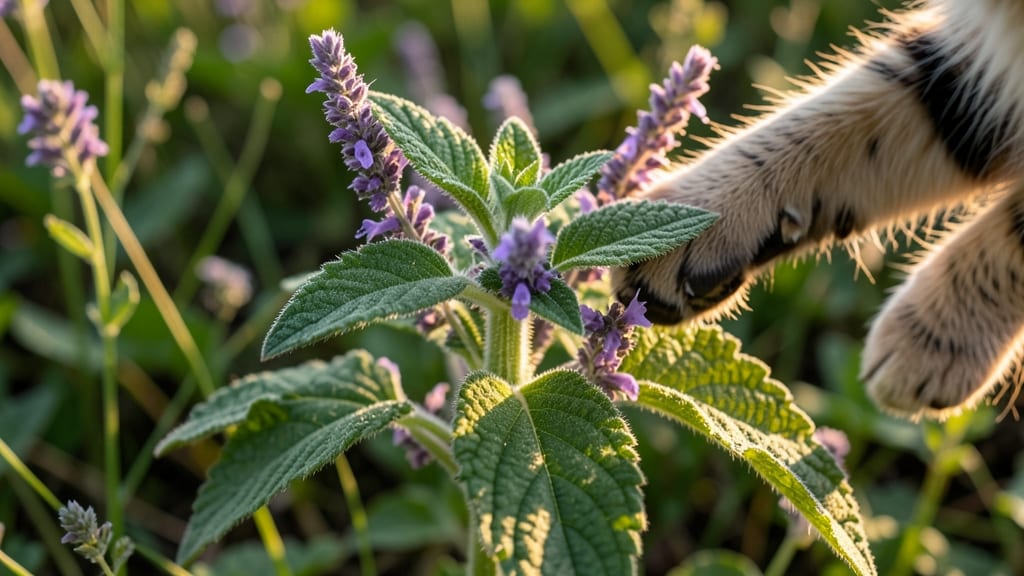
If you’ve ever wondered why your cat goes wild for certain plants, you’ll love catnip—it’s not just for feline entertainment. This hardy herb contains nepetalactone, a compound that’s 10 times more effective than DEET at repelling mosquitoes, making it a powerhouse for natural pest control.
Catnip thrives in poor soil and full sun to partial shade, requiring minimal care while delivering maximum benefits. Its purple flowers and fuzzy leaves add beauty to borders or containers, and since it’s a perennial, you’ll enjoy its mosquito-repelling magic year after year. Plus, the added bonus? Your garden becomes a cat magnet—just be prepared for curious feline visitors! 🌿
Basil: Culinary Herb That Repels Mosquitoes
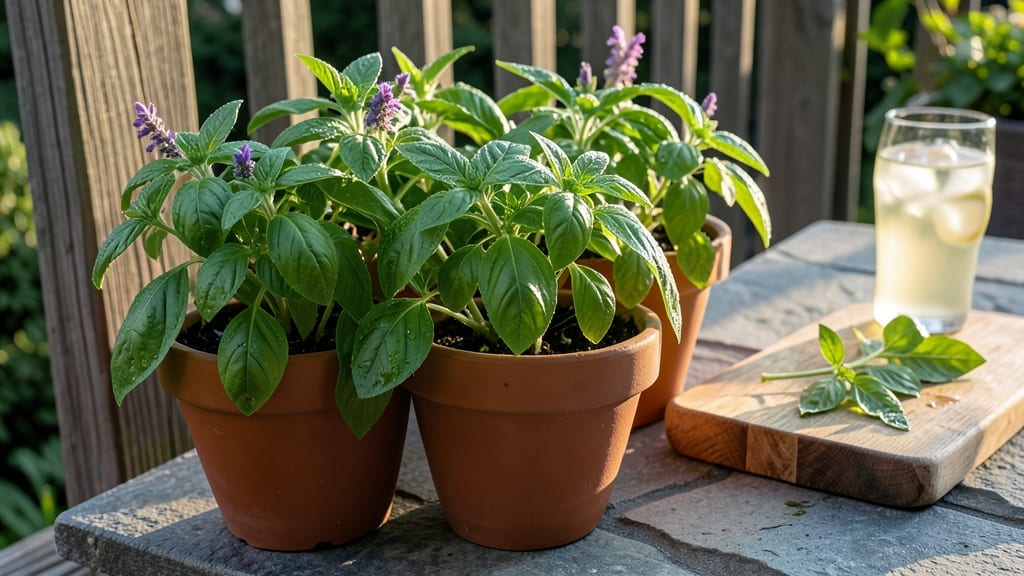
If you love fresh basil in your cooking but hate mosquitoes ruining your outdoor meals, you’re in luck—this versatile herb does double duty. Its strong, aromatic scent naturally repels mosquitoes, making it a perfect addition to patio containers or kitchen windowsill gardens where you entertain.
Grow sweet basil or Genovese basil in well-draining pots with 6-8 hours of sun daily for maximum pest-deterring power. Pinch off flowers to encourage leaf production, and harvest regularly to keep the plant lush. Since it thrives in containers, you can place it right next to your dining area for effortless protection.
Urban gardeners and herb enthusiasts will love how basil combines culinary value with natural pest control—no chemicals required! 🌿
Lavender: Fragrant Beauty That Mosquitoes Hate
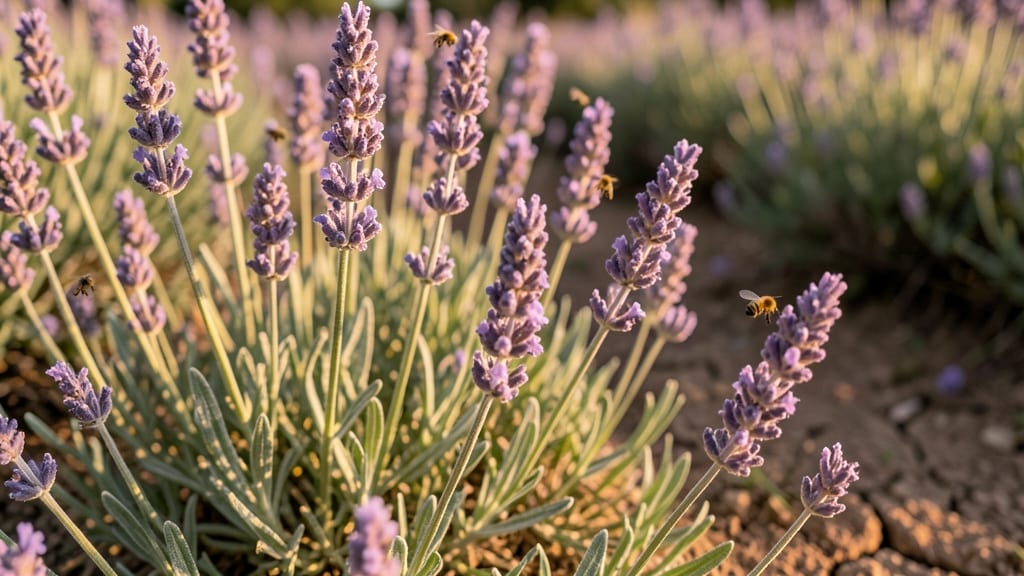
Want a garden that smells heavenly, keeps mosquitoes at bay, and thrives without constant watering? Lavender is your multi-purpose solution—its signature fragrance repels mosquitoes while luring in bees, creating a double benefit for your outdoor space.
This drought-tolerant perennial thrives in full sun to partial shade and needs minimal care, making it perfect for borders, rock gardens, or even as a fragrant living hedge. Simply trim back after flowering to encourage bushier growth, and enjoy its calming scent year after year.
Ideal for beginners or busy gardeners, lavender adds beauty and function without the fuss—just plant, water occasionally, and watch it transform your space into a mosquito-free retreat. 🌿
Rosemary: Woody Herb for Year-Round Protection
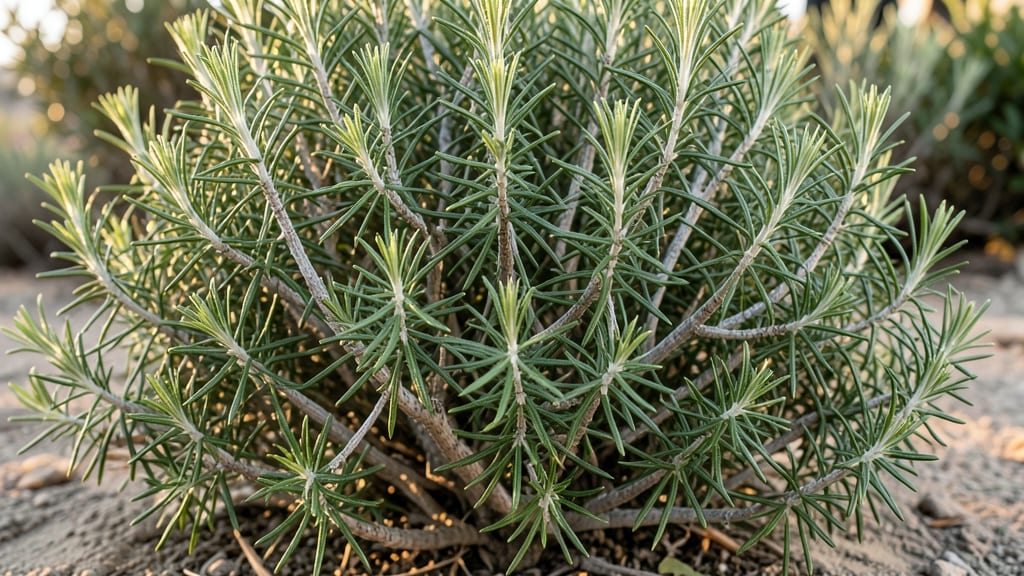
If you want a mosquito-repelling plant that works year-round without needing constant water, rosemary is your answer. This woody, evergreen herb thrives in dry conditions and keeps its protective scent even in winter, making it a standout for outdoor living spaces.
Rosemary’s strong, pine-like fragrance deters mosquitoes naturally while adding a sophisticated touch to your garden. Plant it in well-drained soil with 6+ hours of sun—it’s drought-tolerant once established—and pair it with thyme or oregano for a cohesive herb garden. Prune lightly to encourage bushier growth, and enjoy its medicinal and culinary benefits too.
Perfect for urban gardeners or anyone with rocky, dry soil, rosemary blends beauty with function. 🌿
Peppermint: Invasive but Highly Effective
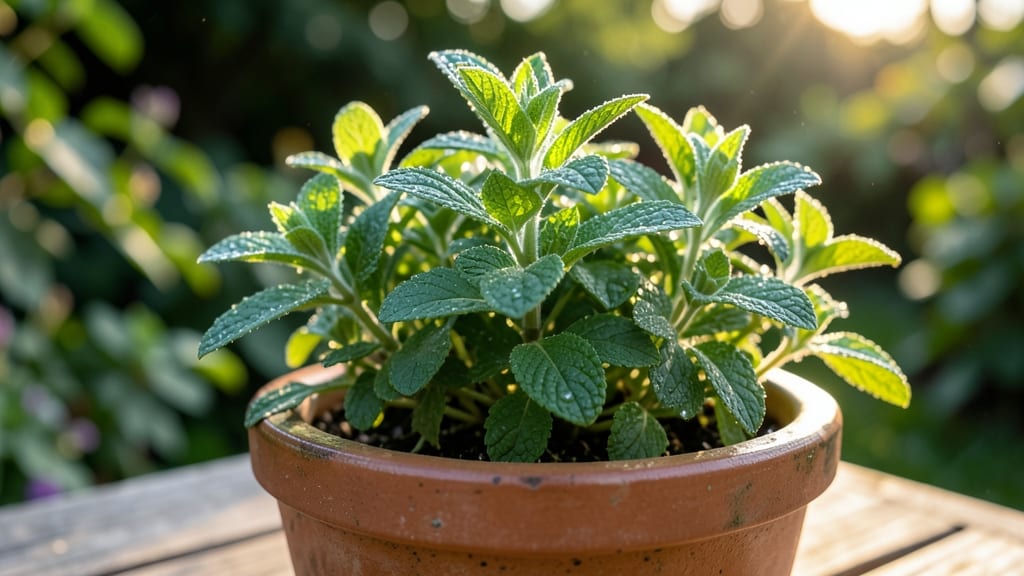
If you love the fresh, invigorating scent of mint but dread its reputation for taking over gardens, peppermint is your perfect compromise. This powerhouse plant repels mosquitoes with its strong aroma while staying manageable—if you plant it in containers. The key is containment, as peppermint spreads aggressively through underground runners.
For best results, place your peppermint in 12-inch-deep containers filled with well-draining soil and position them near seating areas, patios, or walkways. It thrives in partial shade to full sun and needs consistent moisture, but avoid overwatering to prevent root rot. Harvest leaves regularly to encourage bushier growth and stronger scent production.
Urban gardeners and renters will appreciate how peppermint transforms small spaces into mosquito-free zones without requiring permanent garden beds. Just remember: its scent deters more than just pests—it also keeps cats away! 🌱
Bee Balm: Native Plant with Long-Lasting Blooms
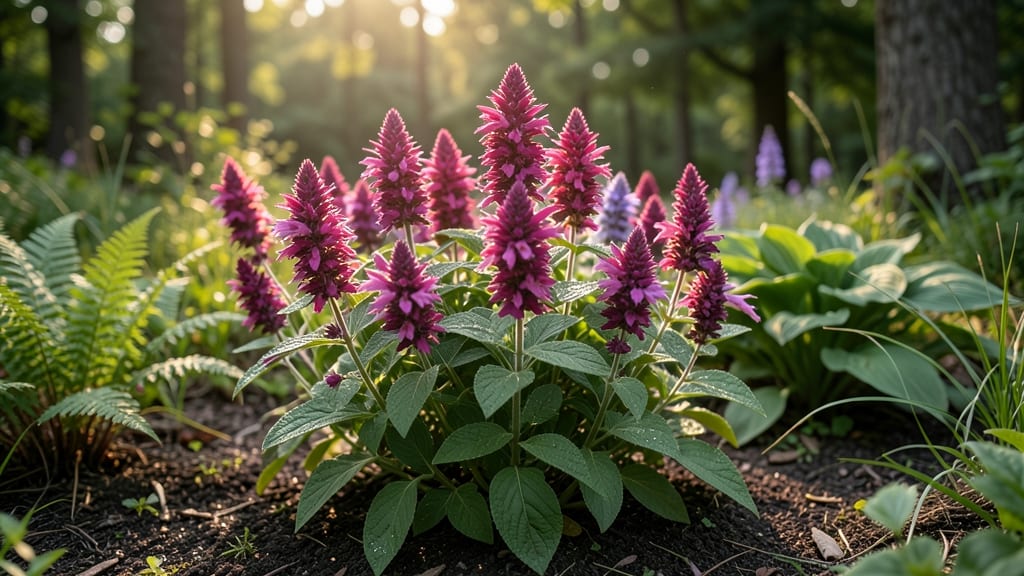
If you love vibrant blooms but hate mosquitoes ruining your outdoor time, bee balm is your perfect native solution. This hardy perennial thrives in partial shade and moist soil, making it ideal for woodland edges or shaded garden beds where other plants struggle.
With its long-lasting flowers in shades of red, pink, and purple, bee balm attracts pollinators like hummingbirds and bees while naturally repelling mosquitoes with its strong fragrance. Deadhead spent blooms to encourage continuous flowering from mid-summer to fall, and divide clumps every 3-4 years to keep plants vigorous. It’s deer-resistant too!
Perfect for native gardeners, woodland gardeners, or anyone who wants a low-maintenance, dual-purpose plant that supports wildlife while keeping pests away. 🌻
Garlic Chives: Mild Flavor with Strong Repellent

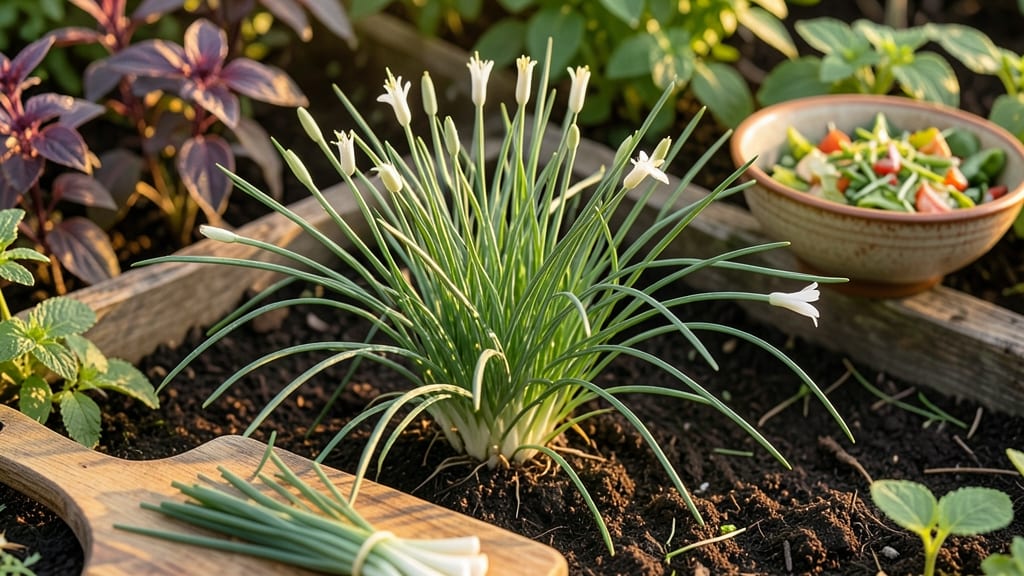
If you love the taste of garlic but want a gentler option for your garden, garlic chives are your answer. This mild-flavored herb repels mosquitoes and deer while adding a subtle onion-garlic note to salads, soups, and stir-fries. Unlike aggressive spreaders like peppermint, it grows in neat clumps and spreads slowly, making it ideal for edible gardens or borders.
Plant garlic chives in full sun to partial shade with well-drained soil. They’re drought-tolerant once established and thrive in USDA zones 3-9, making them versatile for most climates. Snip leaves as needed—they regrow quickly, and the white flowers in late spring add beauty to your garden while continuing to deter pests.
Perfect for urban gardeners, beginners, or anyone who wants dual-purpose plants, garlic chives combine culinary value with natural pest control. 🌿