
Landscaping
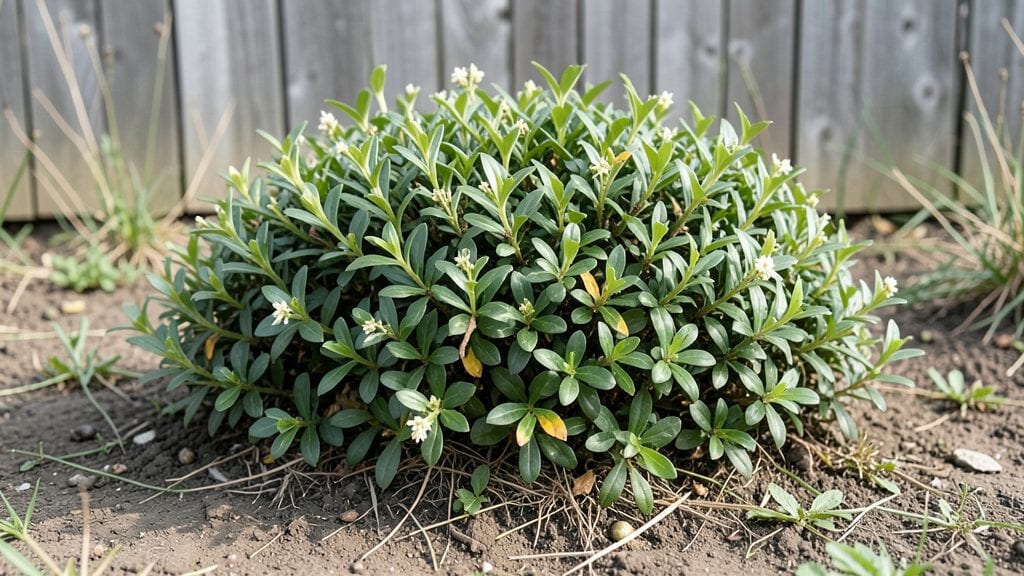
Choosing the right evergreen edging plants 🌿 can transform your garden from chaotic to polished with minimal effort.
Struggling to find plants that define garden borders while thriving in dry conditions? Evergreen edging plants offer year-round structure without the high-maintenance watering—here’s how to choose the toughest, most beautiful options for your landscape.
These plants aren’t just about looks—they’re the backbone of your garden, providing clean lines, privacy, and seasonal interest with almost no upkeep. Whether you’re framing a flower bed, lining a path, or adding height to a dull fence, the right evergreens create a professional finish that lasts through every season.
In this guide, I’ll break down the top drought-tolerant varieties, how to space them for maximum impact, and design tricks to make your borders stand out—no matter your garden style.
10 Best drought-tolerant evergreen edging plants for low-maintenance borders
Creating a low-maintenance garden border that stays lush year-round doesn’t require constant watering or high-maintenance care. The key is selecting drought-tolerant evergreen plants that thrive in dry conditions while providing year-round structure and color.
These plants are perfect for defining pathways, framing flower beds, or adding privacy without the fuss of seasonal replacements. Whether you're in a Mediterranean climate, a Southwestern desert, or even a cooler coastal region, these evergreens will keep your borders looking sharp with minimal effort.
I’ve tested and loved these top 10 drought-resistant evergreens for their hardiness, adaptability, and ability to create clean, polished edges. They’re all native or naturalized to dry regions, meaning they’ve evolved to handle heat, poor soil, and infrequent rain.
Below, you’ll find a detailed comparison to help you choose the perfect fit for your landscape, including sunlight needs, mature size, and regional adaptability.
Pro Tip: Always amend your soil with compost before planting to improve water retention, even for drought-tolerant plants. A 2-3 inch layer of mulch will also help conserve moisture and suppress weeds, reducing long-term maintenance.