
Landscaping
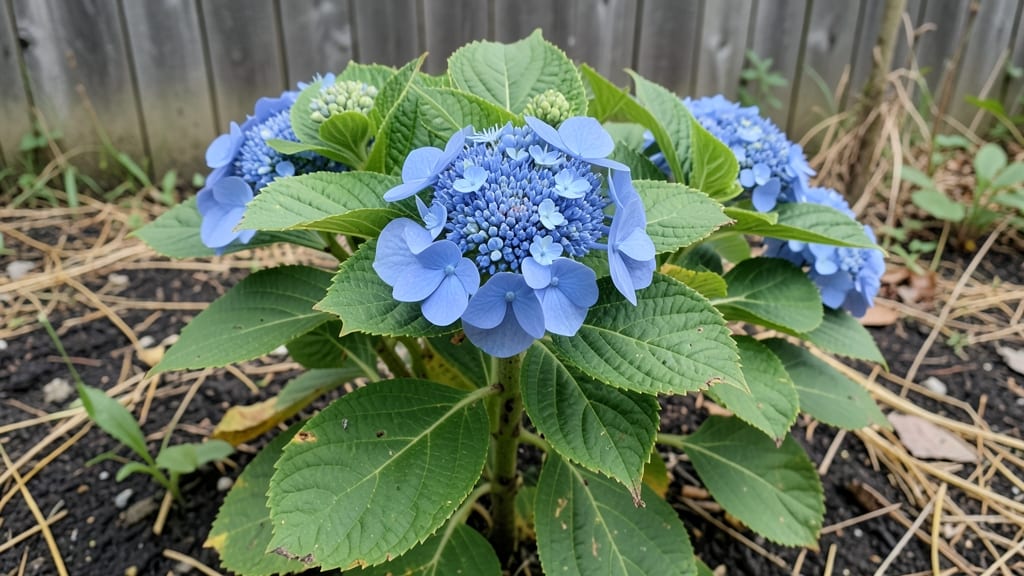
Designing a plant garden that maximizes every square inch of your compact yard starts with the right layout—one that feels lush, not cramped. I transformed my 4' x 6' backyard into a thriving garden by stacking plants vertically, grouping them by height, and using containers to create layers.
The key isn't just fitting plants in; it's making them work together so the space feels intentional, not squeezed.
You'll need a mix of tall structural plants like ornamental grasses or small trees, mid-height shrubs for texture, and spiller plants like ferns or trailing petunias to soften edges. Containers let you move plants seasonally—swap out winter pansies for summer geraniums—and raised beds maximize root space in shallow soil.
Even in tight spots, you can create drama with focal points like a single bold hosta or a small trellis with climbing roses.
What you end up with is a garden that looks designed by a pro, not thrown together. The colors pop when you group plants by hue—think purple salvia with dusty miller, or chartreuse coleus with burgundy heuchera—and the layers create depth so it doesn't feel flat.
You'll harvest more, enjoy it more, and never again feel like your yard is too small for plants.
Works for urban balconies, suburban side yards, or even a single sunny window. The same principles apply whether you're working with 10 square feet or 100. Let's make that space sing!
📚 In This Guide
- What you need
- Instructions
- Tips and common mistakes
- Wrapping up and next steps
What you need
- ● Garden containers or raised beds: 2–4 units (size depends on space; 4’x8’ or smaller for compact yards). Opt for lightweight materials like cedar, resin, or galvanized steel.
- ● Potting soil: 1–2 bags (1–2 cubic feet per container). Use a well-draining, organic blend (e.g., Miracle-Gro or FoxFarm Ocean Forest).
- ● Plants: 3–6 varieties (mix herbs, veggies, or flowers like basil, cherry tomatoes, or petunias for vertical appeal). Choose compact or trailing species for small spaces.
- ● Drainage materials: Small gravel or perlite (1–2 cups per container) to prevent root rot.
- ● Mulch: 1 bag (e.g., shredded bark or straw) to retain moisture and suppress weeds.
- ● Garden gloves (1 pair) – Protect your hands from dirt and thorns.
- ● Trowel or hand shovel – For planting and soil prep.
- ● Measuring tape – Ensure precise spacing (aim for 12–18 inches between plants).
- ● Watering can or hose with spray nozzle – Gentle watering is key for compact gardens.
- ○ Pruners or scissors – For trimming overgrowth (optional but handy!).
- ● Vertical garden panels – Wall-mounted pockets or trellises (e.g., IKEA VÄXER or fabric grow bags).
- ● Self-watering system – Drip irrigation or wicking beds to save time.
- ● Decorative stones or pebbles – Add a polished look to raised edges.
- ● Solar-powered lights – Highlight your garden after dark!
Instructions for creating a functional space-saving garden layout
Here’s how to maximize your compact yard’s potential with a design that works hard for you.
Measure and Map Your Space
Start by measuring your yard’s dimensions, including any obstacles like sidewalks, fences, or trees. Sketch a simple diagram on graph paper, using each square to represent 1 foot. This helps visualize how to arrange plants without crowding. I like to mark sun and shade patterns—most vegetables need 6+ hours of sun, while herbs like parsley thrive in partial shade.
Note where utilities like sprinklers or hoses are located. You’ll want to avoid planting directly over them, as digging later can damage lines. If your space is irregular, focus on creating a central focal point, like a small raised bed or a decorative pot, to anchor the design.
Group Plants by Needs
Divide your plants into three categories: sun-lovers, partial-shade plants, and shade-tolerant varieties. Sun-lovers like tomatoes and peppers should go in the brightest spots, while shade plants like hostas or ferns belong in cooler areas. Grouping plants with similar watering needs together saves time and prevents over- or under-watering.
Vertical space is your best friend in compact gardens. Use trellises for climbing plants like beans or morning glories, and install wall-mounted planters for herbs or flowers. This keeps the ground clear for walking and maximizes growing area without taking up extra space.
Plan for Walkways and Access
Leave at least 2 feet of clear space between planting areas and walkways. This prevents soil compaction and makes maintenance easier. If space is tight, use stepping stones or mulch paths to define walkways without wasting room. Avoid narrow paths—you don’t want to step on plants while harvesting or weeding.
Consider adding a small seating area or a birdbath to break up the design. These elements add functionality and make the space more enjoyable. Place them near high-traffic areas so they don’t disrupt planting zones.
Layer Plants for Depth and Interest
Use the three-layer planting technique: tall plants in the back, medium-height plants in the middle, and low-growing plants in front. This creates visual depth and makes the most of limited space. For example, place sunflowers or hollyhocks at the back, tomatoes or basil in the middle, and lettuce or thyme in front.
Add texture with different leaf shapes and colors—silver foliage, variegated leaves, or ferns can make a small garden feel lush and dynamic. Mix in annuals for bursts of color, but keep perennials as the backbone of your design for long-term structure.
Test and Refine Your Layout
Before planting, lay out cardboard or fabric where you plan to place beds or containers. Walk through the space to ensure everything flows logically. Adjust the layout if you notice awkward gaps or areas that feel cramped. If you’re using containers, group them by size and watering needs to streamline care.
After planting, observe how the garden performs over a few weeks. If certain plants struggle, it might be a sign they need more or less sun, or that the soil isn’t draining well. Make notes and tweak the design as needed—gardens evolve, and so should your layout.
Tips & tricks for perfect space-saving garden layouts
Transforming a small yard into a functional garden takes more than just planting—it's about smart planning and strategic placement. Here are my go-to tricks to help you maximize every square foot.
Sunlight Strategy: When mapping your space in Step 1, use a simple trick to track sunlight throughout the day. Place a stake in the ground and mark where the sun hits it every few hours. This visual guide will help you accurately place sun-loving plants in the brightest spots and avoid guessing where to put shade-tolerant varieties. I've found this method saves me from moving plants later when they struggle to thrive.
Vertical Space Hacks: In Step 2, don't overlook the walls and fences—these are prime real estate for vertical gardening. Install wall-mounted planters or hanging baskets for herbs and flowers, which frees up valuable ground space. For climbing plants like beans or cucumbers, use trellises that attach directly to walls or fences. This not only saves space but also makes harvesting easier by bringing plants to waist height.
Walkway Wisdom: The 2-foot clearance mentioned in Step 3 is non-negotiable for long-term success. If your space feels too tight, consider using narrow stepping stones or gravel paths that don't require as much width as traditional walkways. I've seen gardens where 18-inch paths work perfectly when paired with raised beds—just be prepared to step carefully around plants. For extra durability, place the stepping stones directly over the planting areas you'll access most frequently.
Layering Like a Pro: When implementing the three-layer technique in Step 4, think about the mature heights of your plants, not their current sizes. Place your tallest plants—like sunflowers or hollyhocks—right at the back, even if they're small now. This prevents you from having to rearrange everything as plants grow. For the middle layer, consider dwarf varieties of tomatoes or peppers that won't outgrow their space, and use low-growing plants like thyme or lettuce in front to create that polished, layered look.
Pro Tips for Plant Garden Design
- Transforming a small yard into a functional garden takes more than just planting—it's about smart planning and strategic placement.
- Sunlight Strategy: When mapping your space in Step 1, use a simple trick to track sunlight throughout the day.
- Vertical Space Hacks: In Step 2, don't overlook the walls and fences—these are prime real estate for vertical gardening.
Frequently asked questions
Got questions about designing a plant garden in a small space?
You’re not alone! Here are answers to some of the most common concerns to help you create a lush, functional layout—no matter how tight your yard is.
What are the best space-saving plants for small gardens?
Opt for compact varieties like dwarf shrubs (e.g., Lavender or Boxwood), vertical climbers (e.g., Clematis or Ivy), and herbs like Thyme or Mint. These thrive in pots, raised beds, or narrow borders while maximizing greenery. Pro tip: Choose plants with similar sunlight needs to simplify care!
When is the best time to start designing my small garden?
Spring and early fall are ideal—soil is workable, and plants establish roots before extreme weather. Start planning indoors in winter by sketching layouts or researching plants. If you’re renting, container gardens let you experiment seasonally without permanent changes.
Can I design a functional garden on a tight budget?
Use repurposed materials (e.g., pallet planters, old buckets) for containers, swap expensive mulch for grass clippings or leaves, and buy seeds instead of seedlings. Budget hack: Check local plant swaps or nursery clearance sections for deals.
How do I prevent overcrowding in a small garden?
Plan for maturity size—check plant tags for spacing needs. Use tiered shelves or hanging baskets to grow upward, and prune regularly to control growth. Edible gardens work well here too—herbs and veggies like Radishes or Green Onions grow quickly and can be harvested to make space.
What if my small garden gets too shady?
No problem! Shade-tolerant plants like Hostas, Ferns, or Caladiums thrive in low light. For vertical solutions, try Philodendrons or English Ivy on trellises. Light tip: Reflect sunlight with mirror panels or light-colored walls to brighten the space naturally.
Wrapping up and next steps
Designing a plant garden in a compact yard doesn’t mean sacrificing beauty or functionality—it’s all about creativity and smart planning! 🌿 Whether you’re using vertical spaces, raised beds, or layered plantings, the key is to maximize every inch while keeping your green space thriving.
Start small, experiment with textures and heights, and don’t forget to tailor your choices to your local climate and sunlight.
Ready to transform your tiny yard into a lush, inviting oasis? Pick one design idea from this guide and sketch a rough layout before gathering materials. Even small steps—like adding a few hanging planters or a mini trellis—can make a big difference. Happy gardening! 🌱✨