Plants
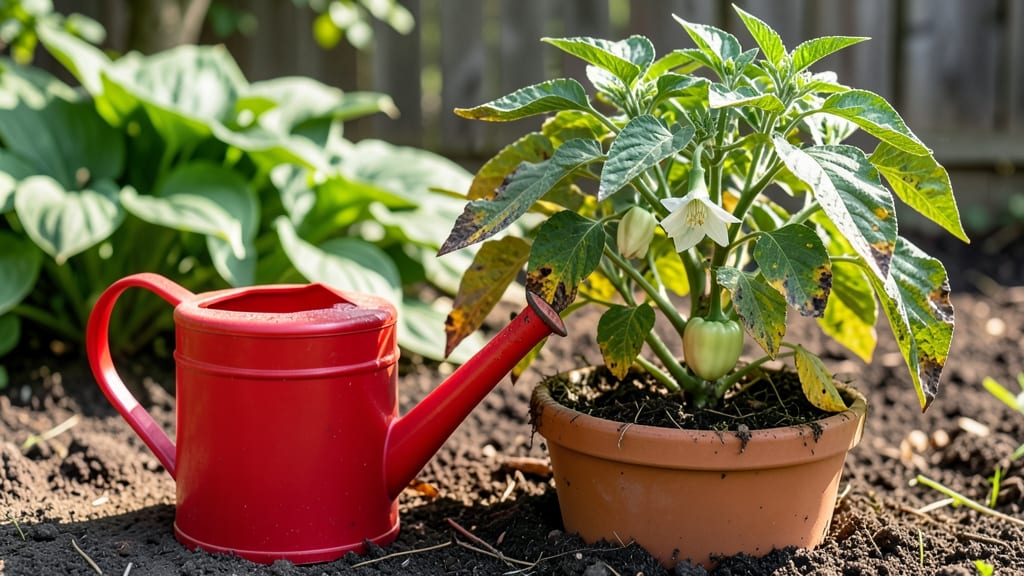
Your pepper plant dying doesn’t mean it’s a lost cause—often, it just needs a quick reset. 🌱 I’ve nursed back more wilting peppers than I can count, and the fix usually comes down to three targeted adjustments that stop the decline fast.
The key is identifying whether it’s thirsty, drowning, bugged, or just plain stressed before the damage becomes permanent.
Most dying peppers fall into one of three camps: underwatered (leaves crisp at edges), overwatered (yellowing, mushy stems), or pest-stricken (sticky leaves, tiny webs). Nutrient deficiencies show up as pale foliage or stunted growth, while environmental stress—like sudden heat or cold—can shock plants overnight.
The good news? Each problem has a specific fix, and acting within 48 hours can save your harvest.
You’ll start by checking the soil (finger-deep test), inspecting leaves for pests, and adjusting water and light. Within 3-5 days, you’ll see new growth or at least stabilized leaves—proof the plant is responding.
For stubborn cases, a simple repotting into fresh, well-draining mix can work wonders, though I’ve found most peppers bounce back faster with just the right care than with drastic measures.
This method works for bell peppers, jalapeños, and even finicky varieties like habaneros. The secret? Pay attention to the plant’s signals—wilting, leaf color, or stem condition—and act before the problem spirals. Let’s turn that limp plant into a thriving one before your next harvest.
Why it happens
H2: Root Causes Of Pepper Plant Decline
Understanding why your pepper plant is struggling is the first step toward reviving it. Pepper plants are resilient, but they’re also sensitive to their environment and care routine. Let’s break down the most common reasons your plant might be fading—and what’s really going on at the cellular level.
---
Pepper plants thrive in well-draining soil, but when they sit in soggy conditions, their roots suffocate. Overwatering triggers anaerobic conditions—a lack of oxygen in the soil—that prevent roots from absorbing nutrients and water efficiently.
This leads to root rot, a fungal or bacterial infection that decays root tissues, turning them mushy and black.
🔬 Why it happens:
- Excess moisture forces roots to respire anaerobically, producing toxic ethanol and acetaldehyde, which poison the plant.
- Compacted or clay-heavy soil holds water like a sponge, starving roots of air.
- Lack of drainage holes in pots traps water, mimicking a swampy environment.
💡 Actionable fix: Let the top 1–2 inches of soil dry out before watering again. Use a moisture meter or stick your finger in the soil to check.
If your plant is already rotting, trim the affected roots and repot in fresh, sterile potting mix with perlite or sand for better aeration.
---
Pepper plants (especially hot peppers like jalapeños and habaneros) are tropical and prefer consistent warmth. Sudden cold snaps or heatwaves disrupt their metabolic processes, leading to cold damage (blackened leaves, stunted growth) or heat stress (wilting, leaf scorch).
Temperatures below 50°F (10°C) or above 95°F (35°C) for prolonged periods can halt photosynthesis and cause cellular breakdown.
🔬 Why it happens:
- Cold stress causes ice crystals to form in plant cells, rupturing membranes and blocking water uptake.
- Heat stress denatures enzymes in the chloroplasts, reducing the plant’s ability to convert sunlight into energy.
- Drafts or sudden changes (like moving a potted plant from indoors to outdoors) shock the plant’s vascular system.
🌡️ Actionable fix: Move your pepper plant to a location with 60–85°F (15–29°C) temperatures. Use row covers or a cloche for cold protection, and provide afternoon shade in scorching heat. If leaves are already damaged, prune them to redirect energy to healthy growth.
---
Pepper plants are susceptible to pathogenic fungi and bacteria like Phytophthora, Fusarium, or Xanthomonas, which thrive in moist, warm conditions. These microbes invade through wounds (like pruning cuts) or natural openings (stomata on leaves), clogging xylem vessels and disrupting water transport.
Symptoms include yellowing leaves, wilting, and oozing lesions.
🔬 Why it happens:
- Overhead watering splashes spores onto leaves, creating infection points.
- Poor air circulation (from crowded plants or dense foliage) traps humidity, ideal for fungal spores.
- Contaminated soil or tools introduce pathogens directly to roots or stems.
🧪 Actionable fix: Isolate the infected plant immediately. Remove and dispose of (not compost) affected leaves or stems. Treat with a copper fungicide or neem oil solution (1 tsp per quart of water) every 7–10 days.
For severe cases, repot in sterilized soil and ensure pots are sanitized with a 10% bleach solution.
---
Pepper plants require a balanced diet of macronutrients (nitrogen, phosphorus, potassium) and micronutrients (calcium, magnesium, iron). Deficiencies or excesses disrupt cellular functions, leading to stunted growth, leaf discoloration, or even death.
For example, low calcium causes blossom end rot (black, mushy fruit), while excess salt (from tap water or over-fertilizing) burns root tips.
📊 Why it happens:
Symptom
Likely Cause
Solution
Yellowing lower leaves
Nitrogen deficiency or overwatering
Add a balanced fertilizer (10-10-10) or compost
Purple stems/leaves
Phosphorus deficiency
Use a phosphorus-rich fertilizer (e.g., bone meal)
Brown leaf edges
Potassium deficiency or salt buildup
Flush soil with water and add potassium sulfate
Stunted growth, weak stems
Magnesium or iron deficiency
Apply Epsom salt (magnesium) or chelated iron
💡 Actionable fix: Test your soil’s pH (pepper plants prefer 6.0–6.8) and amend with organic matter like compost or worm castings. If you suspect toxicity, flush the soil with distilled or rainwater to leach out excess salts. Fertilize lightly—pepper plants are sensitive to overfeeding!
---
Even healthy pepper plants can decline after repotting or transplanting due to root trauma. Disturbing the root zone severs fine feeder roots, reducing the plant’s ability to absorb water and nutrients. Without these roots, the plant struggles to sustain itself, leading to wilting, yellowing, or sudden collapse.
🔬 Why it happens:
- Rough handling during transplanting crushes delicate roots.
- Pot-bound roots (circled roots) strangle themselves when disturbed.
- Improper soil-to-root contact creates air pockets, preventing water uptake.
🌱 Actionable fix: When repotting, loosen roots gently and trim any that are circling or mushy. Use a pot only 1–2 inches larger than the current one to avoid overwhelming the plant. Water thoroughly after transplanting to encourage root-soil contact, and avoid fertilizing for 2–3 weeks to reduce stress.
Revive Your Pepper Plant Now
If your pepper plant is struggling, don’t panic—most issues have simple fixes! Below, we’ll break down the most common causes of a dying pepper plant and provide step-by-step solutions to bring it back to life. Prevention tips are included to keep your plant thriving long-term.
Too much water suffocates roots, leading to yellow leaves, wilting, and even rot. Here’s how to fix it:
- 🔥 Stop Watering Immediately – Let the soil dry out completely before watering again. Stick your finger 1-2 inches into the soil; if it’s damp, wait.
- 🍳 Improve Drainage – If your pot lacks drainage holes, repot your pepper plant into a container with holes or add a layer of gravel at the bottom.
- 👨🍳 Trim Damaged Roots (If Needed) – Gently remove the plant from its pot and trim any mushy, black roots with sterilized scissors. Replant in fresh, well-draining soil.
- ⏰ Adjust Your Watering Routine – Water only when the top inch of soil feels dry. Pepper plants prefer consistency over soggy conditions.
💡 Prevention Tip: Use a moisture meter or a simple finger test to avoid overwatering. Terracotta pots help wick away excess moisture faster than plastic.
Crispy leaves, drooping stems, and dry soil mean your pepper plant isn’t getting enough water. Here’s how to revive it:
- 💧 Water Deeply and Slowly – Soak the soil until water runs out the drainage holes. This encourages roots to grow deeper.
- 🌡️ Check Humidity Levels – Pepper plants love humidity. Place a tray of water near the plant or mist the leaves lightly (avoid wetting flowers).
- 🎯 Mulch to Retain Moisture – Add a 1-2 inch layer of organic mulch (like straw or shredded leaves) around the base to lock in moisture.
- ✨ Move to a Shadier Spot (Temporarily) – If the soil dries too fast, reduce direct sunlight until the plant recovers.
💡 Prevention Tip: Group pepper plants together to create a microclimate with higher humidity. A pebble tray under the pot also helps.
Pepper plants thrive in warmth (70–85°F) and bright, indirect light. Extreme temps or poor lighting cause stunted growth, leaf drop, or even death.
#### 🔥 Fixing Heat Stress (Wilting, Brown Edges)- 👨🍳 Move to a Cooler Spot – Keep your plant away from direct sunlight during peak afternoon heat (12 PM–4 PM). A shaded patio or east-facing window works well.
- 💧 Increase Watering (But Not Soaking) – Water more frequently but avoid soggy soil. Morning watering helps prevent evaporation.
- 🌡️ Use Shade Cloth (If Outdoor) – If growing outside, drape a lightweight shade cloth (30–50%) over the plant to filter harsh rays.
- 🔪 Move Indoors or to a Sheltered Area – Temperatures below 50°F shock pepper plants. Bring them inside near a sunny window or use a grow light.
- 🌡️ Cover with Row Covers (Outdoor Plants) – Lightweight frost blankets protect against chilly nights without trapping too much heat.
- 💡 Avoid Drafts – Keep plants away from AC vents, open windows, or doors.
💡 Prevention Tip: Pepper plants love warmth—keep them away from drafts and sudden temperature swings. A heat mat under pots can help in cooler climates.
Spider mites, aphids, and fungal diseases (like powdery mildew) drain nutrients and weaken your plant. Act fast with these fixes:
#### 🕷️ Battling Pests- 🔪 Isolate the Plant – Move it away from other plants to prevent spreading.
- 💧 Blast Off Pests with Water – Spray leaves with a strong stream of water to dislodge mites and aphids.
- 🍳 Apply Neem Oil or Soap Spray – Mix 1 tsp neem oil or a few drops of dish soap with 1 quart of water. Spray every 3–5 days until pests vanish.
- 🌡️ Introduce Beneficial Insects – Ladybugs and lacewings eat pests naturally. Buy them online or from garden centers.
- 🔥 Prune Infected Leaves – Cut off yellow or spotted leaves with sterilized scissors and dispose of them.
- 💧 Improve Airflow – Space plants 12–18 inches apart and avoid overcrowding.
- 🍳 Use Fungicide Spray – Apply a copper-based or baking soda fungicide (1 tsp baking soda + 1 quart water + a drop of dish soap). Spray every 7–10 days.
- ✨ Prevent Future Outbreaks – Water at the base (not overhead) and avoid wetting leaves.
💡 Prevention Tip: Inspect plants weekly for early signs of pests or disease. Healthy plants resist attacks better—fertilize lightly with compost tea for extra protection.
Yellow leaves, weak stems, or slow growth? Your pepper plant may need a nutrient boost. Here’s how to fix common deficiencies:
| Symptom | Likely Cause | Fix It |
|---|---|---|
| Yellow lower leaves | Nitrogen deficiency | Feed with a balanced fertilizer (10-10-10) or compost tea. Avoid over-fertilizing. |
| Purple or red stems/leaves | Phosphorus deficiency | Use a phosphorus-rich fertilizer (like bone meal) or switch to a 5-10-10 formula. |
| Brown leaf edges, weak growth | Potassium deficiency | Apply a banana peel tea (soak peels in water for a week) or use a potassium-rich fertilizer (like wood ash). |
| Stunted growth, pale leaves | Magnesium (chlorosis) or iron deficiency | Spray leaves with Epsom salt solution (1 tbsp per gallon of water) or use a chelated iron supplement. |
💡 Prevention Tip: Test your soil every 2–3 months with a simple kit. Pepper plants prefer slightly acidic soil (pH 6.0–6.8). Adjust with lime (to raise pH) or sulfur (to lower it) if needed.
With these fixes
Frequently asked questions
Why are my pepper plant's leaves turning yellow?
Yellow leaves usually signal overwatering or nutrient deficiencies. Check the soil moisture—if it's soggy, let it dry out completely before watering again. For nutrient issues, use a balanced fertilizer (like 10-10-10) and test your soil's pH (ideal range: 6.0–6.8). Yellowing lower leaves often mean nitrogen deficiency, while brown edges suggest potassium issues.
How do I know if my pepper plant is overwatered vs. underwatered?
Overwatered plants have yellow, mushy leaves and may develop black, rotting roots. Stick your finger 1–2 inches into the soil—if it's damp, you're overwatering. Underwatered plants have crispy, dry edges and drooping stems. Water deeply until it runs out the drainage holes, then wait until the top inch feels dry before watering again.
What should I do if my pepper plant has white spots or powdery residue?
Those are signs of powdery mildew, a common fungal disease. Prune affected leaves immediately and improve airflow by spacing plants 12–18 inches apart. Spray with a baking soda solution (1 tsp baking soda + 1 quart water + a drop of dish soap) every 7–10 days. Avoid wetting leaves when watering and ensure the plant gets 6+ hours of sunlight daily.
Can I save a pepper plant with black, mushy stems?
If the stem is already mushy, the plant may be beyond saving due to root rot. However, if only the lower stem is affected, trim the damaged section with sterilized scissors and repot in fresh, well-draining soil mixed with perlite. Reduce watering and ensure the pot has drainage holes. For severe cases, start fresh with healthy cuttings or seeds.
How often should I fertilize a struggling pepper plant?
Over-fertilizing stresses weak plants. Use a balanced fertilizer (5-10-10) every 4–6 weeks during the growing season. For nutrient deficiencies, target-specific fixes (e.g., Epsom salt for magnesium). Always water thoroughly after fertilizing to prevent root burn. Avoid fertilizing if the plant shows signs of stress like yellowing or wilting.