Container Gardens
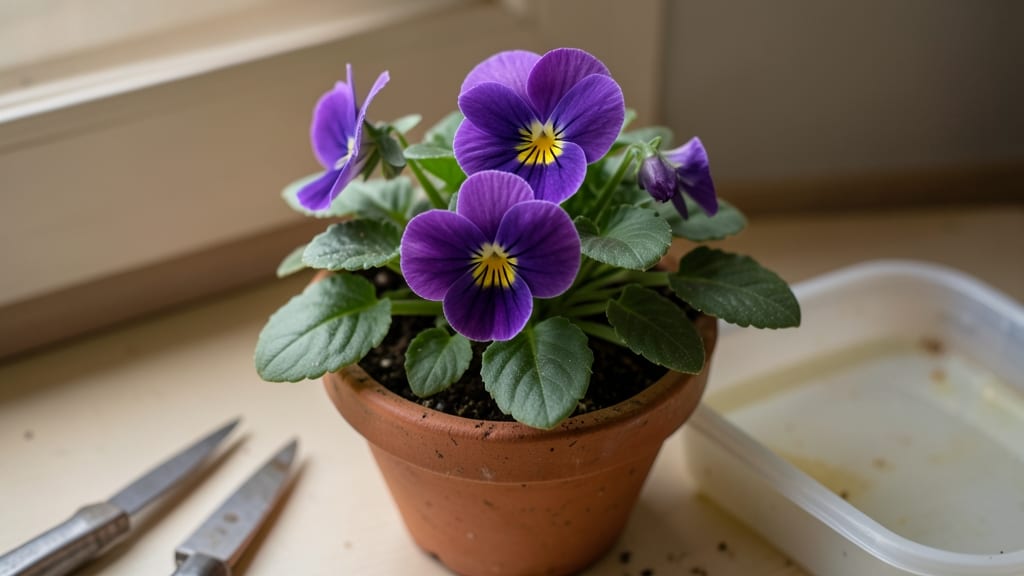
Bringing a pansy indoor plant into your home unlocks months of vibrant blooms—long after frost claims the garden—and the trick is simpler than you’d think. 🌿 little patience. Most people overwater or crowd them, which leads to leggy stems and sparse flowers.
The right setup turns pansies into an indoor showstopper that blooms reliably from fall to spring.
The key starts with a 6-inch pot and well-draining soil—equal parts potting mix and perlite works perfectly. Place them near a south- or west-facing window where they get 4-6 hours of sunlight daily, or supplement with a grow light if natural light is weak.
Water only when the top inch of soil feels dry, and avoid letting them sit in soggy soil, which invites root rot. Humidity matters too: a pebble tray with water or a humidifier keeps leaves from browning at the edges.
With proper care, your pansies will reward you with nonstop blooms in shades of purple, yellow, and white, plus fresh foliage that stays vibrant. Prune spent flowers regularly to encourage new buds, and rotate the pot weekly so all sides get even light.
They’ll even rebloom in mild winters if you keep conditions steady. The only trade-off? They’re annuals, so plan to replace them next spring—but that’s a small price for year-round color.
This method works for small apartments, sunrooms, or even kitchen windowsills, though larger pots (up to 12 inches) let you grow bigger varieties. The biggest mistake?
Waiting until they’re already struggling to adjust light or water. Start with these basics, and you’ll have pansies that outperform most store-bought flowers—and last much longer.
📚 In This Guide
- What you need
- Instructions
- Tips and common mistakes
- Wrapping up and next steps
What you need
- ● Pansy plants: 3–5 healthy nursery-grown pansies (choose a mix of colors for a vibrant display!)
- ● Container: 1–2 hanging baskets or shallow pots (6–8 inches deep) with drainage holes. Pro tip: 💡 Use terracotta for better airflow!
- ● Potting mix: 1 bag (5–10 quarts) of well-draining all-purpose potting soil (add perlite or sand for extra drainage if needed).
- ● Drainage material: Small pebbles or crushed gravel (½ cup) for the pot’s base.
- ● Fertilizer: Balanced liquid fertilizer (10-10-10 or 20-20-20) or slow-release granules.
- ● Watering can: One with a gentle spray nozzle (to avoid disturbing soil).
- ● Pruning shears: Small, sharp pair for trimming spent blooms.
- ● Mulch (orchid bark or coconut coir) to retain moisture.
- ● Grow lights (LED or fluorescent) if natural light is limited.
- ● Decorative stones or moss for a polished look.
- ● Spray bottle for misting (pansies love humidity!).
Step-by-step instructions for growing pansies indoors
Here’s how to coax vibrant, long-lasting blooms from your pansies—no greenhouse required.
🌱 Step 1: Select the Right Containers and Soil Mix
Pansies thrive in well-draining containers, so choose pots with drainage holes that are at least 6 inches deep and 8 inches in diameter for each plant. I prefer terracotta because it breathes and helps prevent root rot—critical for pansies, which hate soggy feet. Fill each pot with a blend of 2 parts potting mix and 1 part perlite to ensure airflow at the roots.
Press the mix down lightly until it’s firm but not compacted. The surface should feel like a damp sponge—moist enough to hold moisture but not so wet that water pools. Pansies are sensitive to overwatering, so this balance is key. Tap the pot gently on the table to settle the soil evenly before planting.
🌿 Step 2: Plant Transplants at the Correct Depth
Gently remove your pansy transplants from their nursery pots, loosening the roots if they’re tightly bound. Plant them so the top of the root ball sits just below the soil line—never bury the stems too deep, or they’ll rot. Space plants 8-10 inches apart in larger containers to allow airflow and prevent disease.
I like to firm the soil around the base with my fingers, creating a slight well to catch water. This keeps roots hydrated without drowning them. After planting, give each pot a thorough watering until moisture seeps out the drainage holes. Discard any excess water in the saucer—pansies despise sitting in saucers of standing water.
☀️ Step 3: Position for Bright, Indirect Light
Pansies crave 6-8 hours of bright, indirect light daily—think east or north-facing windows where sunlight filters gently. A south-facing window can work, but you’ll need to shield them from harsh afternoon rays with a sheer curtain. If natural light is limited, supplement with a grow light kept 12-18 inches above the plants for 12-14 hours daily. Too little light makes them leggy and sparse.
Rotate the pots a quarter turn weekly so all sides get even exposure. You’ll notice leaves leaning toward the light? That’s your cue to adjust the pot’s position. Pansies grown under ideal light produce bold, vibrant blooms that last for months—unlike their wimpy, pale counterparts in dim corners.
💧 Step 4: Water and Feed for Continuous Blooms
Water pansies when the top inch of soil feels dry to the touch, typically every 3-4 days in winter and daily in summer. Stick your finger in the soil—if it’s dry past your first knuckle, it’s time. Water deeply until moisture drains from the bottom, then empty the saucer to prevent root suffocation. Overwatering is the #1 killer of indoor pansies, so err on the side of slightly dry soil.
Feed every 2-3 weeks with a balanced liquid fertilizer (10-10-10) diluted to half strength. I swear by this routine: pause fertilizing in winter when growth slows, then resume in spring. You’ll see the difference—plants fed consistently produce larger, more abundant blooms than those starved of nutrients.
✂️ Step 5: Deadhead and Prune for Long-Lasting Beauty
Snip off spent blooms just above the first set of healthy leaves with clean scissors to encourage new flowers. I do this every 2-3 days during peak bloom—it’s a small effort that pays off with weeks of fresh blooms. Avoid cutting into green stems; always target the base of the faded flower.
If your pansies get leggy (stems stretching too tall), pinch back the tips to encourage bushier growth. You can also trim back overgrown foliage in early spring to refresh the plant. Pansies are surprisingly resilient—they’ll bounce back with new growth within a week if you keep them well-lit and fed.
Tips & tricks for perfect indoor pansy blooms
Here's how to turn your pansies into year-round showstoppers with minimal effort.
Container Selection: While terracotta is ideal, plastic pots work too—just ensure they have drainage holes. The 6-inch depth and 8-inch diameter requirements are non-negotiable for root health. I've found that adding a layer of gravel at the bottom of the pot improves drainage even further, preventing that dreaded root rot that pansies hate. For larger setups, consider using window boxes with drainage holes—just make sure they're at least 8 inches deep.
Lighting Strategy: Those 6-8 hours of bright indirect light are crucial, but here's the secret: morning sun is your best friend. Place your pansies near an east-facing window for gentle morning light, then move them to indirect light after 10 AM. If you're supplementing with grow lights, position them 12-18 inches above the plants and keep them on for 12-14 hours daily. LED grow lights are energy-efficient and won't heat up your space like traditional bulbs.
Watering Wisdom: The "top inch dry" rule is perfect, but here's what nobody tells you—water quality matters. Use room-temperature, filtered water if possible, as cold water can shock the roots. I've noticed that pansies in tap water with high chlorine content develop yellow leaves faster. For the daily summer watering, split the dose into two waterings—morning and evening—to prevent waterlogging.
Fertilizer Timing: That 2-3 week feeding schedule works wonders, but there's a trick to maximize results. Always water your pansies first, then apply the diluted fertilizer. This prevents root burn from the concentrated nutrients. In winter, when growth slows, you can stretch that schedule to every 4-6 weeks—just don't skip it entirely. I've seen pansies produce blooms even in winter with consistent (though reduced) feeding.
Pro Tips for Pansy Indoor Plant
- Here's how to turn your pansies into year-round showstoppers with minimal effort.
- Container Selection: While terracotta is ideal, plastic pots work too—just ensure they have drainage holes. The 6-inc...
- Lighting Strategy: Those 6-8 hours of bright indirect light are crucial, but here's the secret: morning sun is your b...
Frequently asked questions
Got questions about keeping your pansies thriving indoors? You’re not alone! Here are some of the most common concerns—and how to tackle them like a pro.
How often should I water my indoor pansy plant?
Water your pansies when the top inch of soil feels dry to the touch, usually every 5–7 days. Overwatering is the #1 killer—ensure pots have drainage holes and avoid soggy soil. Pro tip: Use room-temperature water and mist leaves lightly on hot days to mimic humidity.
Why aren’t my pansies blooming indoors?
Pansies need bright, indirect light (6+ hours/day) and cooler temps (60–65°F) to flower. If blooms fizzle, move them near a south- or east-facing window or use a grow light. Bonus: Deadhead spent blooms to encourage new ones!
What pests should I watch for on indoor pansies?
Keep an eye out for aphids, spider mites, or whiteflies. Wipe leaves with soapy water (1 tsp mild soap per quart) or spray with neem oil. Prevent pests by isolating new plants and keeping humidity moderate (40–60%).
Can pansies survive winter indoors?
Pansies thrive in cooler indoor temps (50–65°F). Just avoid drafts or heat vents, which can stress them. Winter care tip: Rotate pots weekly for even light exposure and fertilize lightly every 6–8 weeks to keep them blooming.
What’s a low-maintenance alternative to pansies for indoors?
If pansies feel finicky, try African violets (tough, continuous blooms) or calatheas (dramatic foliage, forgiving). Both love indirect light and moderate water—perfect for busy plant parents!
Wrapping up and next steps
Growing pansies indoors is a rewarding way to enjoy vibrant blooms year-round with minimal effort! 🌸 These cheerful flowers thrive in cozy spaces, adding color and charm to your home while purifying the air.
Whether you're a beginner or a seasoned plant parent, their adaptability makes them the perfect low-maintenance companion.
Ready to bloom with confidence? Start by selecting your favorite pansy varieties—then grab your containers and get planting! Share your progress with fellow plant lovers or explore more easy-care indoor plants to expand your green sanctuary. Happy gardening! 🌱