
Watering
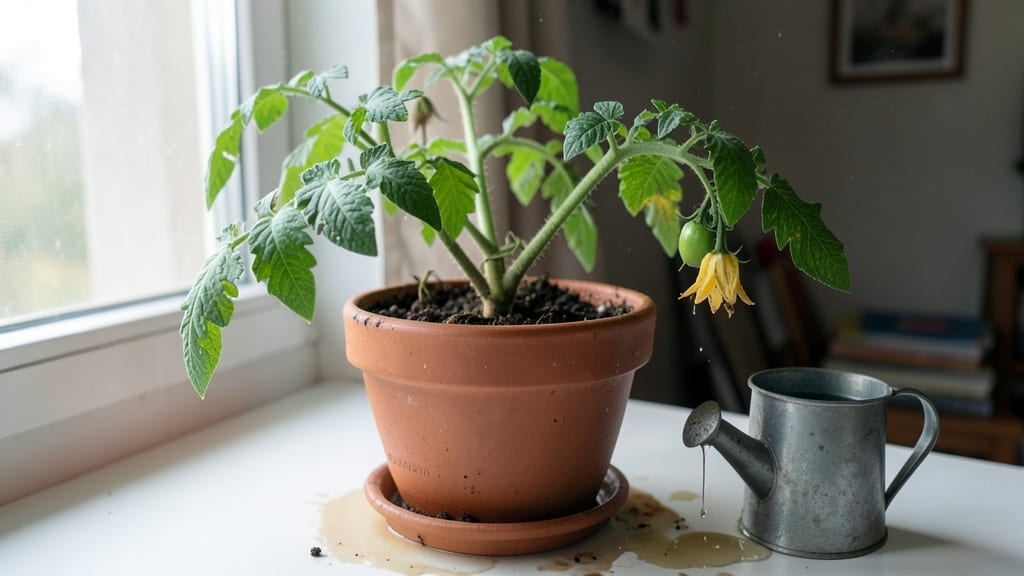
When your plant’s stems start looking like they’ve been dipped in water balloons, you’ve got edema—and it’s almost always from overwatering. 🌱 I’ve seen this happen to tomatoes, peppers, and even my prized begonias, and the good news is, it’s fixable.
The bad news? Ignoring it turns those swollen spots into open wounds where diseases move in.
Edema shows up as blisters or corky bumps on leaves and stems, usually on the undersides or along veins. It’s your plant’s way of saying, “I can’t drink this fast enough!” Poor drainage, heavy clay soil, or watering when the soil’s still damp are the usual culprits.
I learned this the hard way after my pepper plants developed those ugly swellings mid-summer—turns out, my morning watering routine was drowning their roots.
First, stop watering until the top 2 inches of soil dry out. Then, improve drainage by mixing in perlite or compost, or switch to a container with better airflow.
Prune off severely affected leaves to redirect energy, and keep your plants in bright but indirect light. Within weeks, you’ll see new growth that’s smooth and healthy again.
Prevention is all about balance: check soil moisture with your finger before watering, and always choose pots with drainage holes. Plants like tomatoes and peppers are especially prone, so give them a little extra care during hot, humid stretches. Trust me—your garden will thank you for the dry spell.
The Root Causes Of Swollen Stems
When your plant’s stems start looking puffy or glossy—like they’ve been overindulged in water—it’s usually a sign of edema, a stress response that can weaken or even kill your green friend.
But why does this happen in the first place? Let’s break down the science behind the swelling and how watering habits (or lack of them) trigger the problem.
Plants absorb water through their roots, but when the soil stays too wet for too long, roots can’t keep up with the demand. Here’s what goes wrong:
- Root Suffocation: Soggy soil cuts off oxygen, forcing roots to work harder to absorb water. This creates a backlog—water gets "trapped" in the plant’s vascular system (xylem and phloem), causing pressure to build in the stems. Think of it like a clogged sink: water can’t drain, so it bulges outward.
- Osmotic Imbalance: Roots absorb water via osmosis, but if the soil is oversaturated, the plant’s cells take in more water than they can process. This dilutes the cell’s internal pressure (turgor pressure), leading to swollen, waterlogged cells in the stem.
- Poor Drainage: Containers without drainage holes or compacted soil act like sponges, holding water against the roots. Even "well-draining" mixes can fail if they’re packed too tightly or lack organic matter to aerate the roots.
Actionable Fix: Let the top 1–2 inches of soil dry out between waterings. If your pot lacks drainage, upgrade to one with holes or add perlite/pumice to the mix to improve airflow.
Edema isn’t just about water—it’s also about how fast a plant can process it. When environmental conditions slow down transpiration (the plant’s natural water-evaporation system), stems swell as a result.
- Low Light + High Humidity: In dim conditions, plants photosynthesize less, reducing their ability to "pull" water upward through the stem. If humidity is also high (e.g., 70%+), the air can’t absorb excess moisture, trapping water in the plant’s tissues.
- Cool Nights: Temperature drops at night reduce transpiration rates. If you water heavily in the evening, the plant may not be able to "use up" the water fast enough, leading to edema by morning.
- Stagnant Air: Poor air circulation (like in a closed terrarium or crowded shelf) limits transpiration. Water vapor lingers around the leaves, forcing the plant to retain moisture instead of releasing it.
Actionable Fix:
- Move plants to bright, indirect light (e.g., near a window with sheer curtains).
- Avoid watering in the evening—stick to morning so the plant has daylight to process water.
- Use a small fan on low speed to improve air circulation around leaves.
When roots outgrow their space, they become compacted and stressed, which disrupts the plant’s water regulation system. Here’s how it leads to edema:
- Crowded Roots: In small pots, roots circle tightly, competing for nutrients and water. This creates hydraulic resistance, where water can’t move efficiently through the stem, causing backpressure and swelling.
- Improper Pruning: Over-pruning roots (or none at all) throws off the plant’s balance. Too many roots mean excess water uptake; too few mean poor regulation.
- Hard Water Buildup: Minerals like calcium and magnesium in hard water can clog root pores, reducing the plant’s ability to filter water properly. This forces water into the stem’s cells, leading to edema.
Actionable Fix:
- Repot into a container 20–30% larger if roots are circling the soil.
- Use rainwater or distilled water if your tap water is hard (test with a home kit).
- Gently loosen roots during repotting to encourage outward growth.
Not all plants are equally prone to edema. Tropical, fast-growing, or succulent-like plants with thick stems (e.g., Monstera, Peace Lilies, or Calatheas) are high-risk because their biology makes them sensitive to water imbalances.
- Thick-Stemmed Plants: Species like Dracaena or Snake Plants have large water-storage cells. While this helps in droughts, it also means they’re more likely to over-absorb when watered excessively.
- Glabrous Leaves: Plants with smooth, waxy leaves (e.g., Philodendron) can’t "breathe" as easily, trapping moisture and increasing edema risk.
- New Growth Phases: Young leaves and stems are metabolically active and absorb water faster than mature foliage. This makes them prime targets for swelling if overwatered.
Actionable Fix: Research your plant’s native humidity and watering needs. For example:
- Calatheas thrive in 60–70% humidity—use a pebble tray if your home is dry.
- Succulents need well-draining soil and water only when the soil is bone-dry.
Pro Tip: 🌡️ If you’re unsure whether your plant is getting too much water, do the "finger test"—stick your finger 1–2 inches into the soil. If it’s damp, wait. If it’s dry, water lightly and monitor for 24 hours.
Fixing Swollen Stems Now
Overwatered plant edema—those unsightly, swollen bumps on stems and leaves—can be frustrating, but the good news is that you can often reverse the damage with the right approach. The key is acting fast, adjusting your care routine, and preventing future stress.
Below, we’ll break down practical fixes based on the root cause, along with simple prevention tips to keep your plants thriving.
If your plant is suffering from excess moisture, the first step is to stop watering until the soil dries out. Overwatering is the most common trigger for edema, and giving the roots a break can help the plant recover.
How to Fix It:
- 🔍 Check Soil Moisture
- Stick your finger 1-2 inches deep into the soil. If it’s damp, wait before watering again.
- Use a moisture meter for accuracy—most plants prefer soil that’s 60-70% dry between waterings.
- 💧 Water Only When Necessary
- Water deeply but infrequently—aim for the soil, not the leaves. Wet foliage can trap moisture and worsen edema.
- If your plant is in a pot without drainage holes, repot it into one with drainage to prevent root rot.
- ⏳ Let the Soil Dry Between Waterings
- Adjust your watering schedule based on plant type, pot size, and environment. Succulents may need weeks between waterings, while tropical plants might prefer slightly moister soil—but never soggy.
💡 Prevention Tip:
> 🌡️ Use the "Finger Test" Daily – Before watering, check soil moisture. If the top inch is dry, it’s time. If not, wait another day.
Poor drainage and stagnant air create the perfect conditions for edema. If your plant is in a humid, poorly ventilated space, it’s more susceptible to swelling.
How to Fix It:
- 🏗️ Upgrade Your Pot (If Needed)
- If your current pot holds too much water, switch to one with larger drainage holes or a terracotta pot (which dries faster).
- Add a layer of perlite or orchid bark to the bottom of the pot to improve drainage.
- 🌬️ Increase Air Circulation
- Place a small fan nearby (on low setting) to gently move air around the plant without damaging leaves.
- Avoid crowding plants—give them space between pots to prevent humidity buildup.
- 🍃 Prune Affected Leaves (If Severe)
- If edema has caused large, unsightly bumps, snip off the worst-affected leaves with sterilized scissors.
- This helps the plant redirect energy to healthy growth.
💡 Prevention Tip:
> ✨ Choose the Right Pot Material – Terracotta wicks away moisture, while plastic pots trap humidity. If you love plastic, add extra drainage material to compensate.
Too much direct sunlight or high humidity can stress plants, making them more prone to edema—especially if combined with overwatering.
How to Fix It:
- 🌞 Adjust Light Exposure
- Move the plant to a bright, indirect light spot (e.g., near a window but not in harsh sun).
- If your plant loves sun (like succulents), gradually acclimate it to avoid shock.
- 💦 Reduce Humidity Around the Plant
- If your home is very humid (common in bathrooms or kitchens), use a dehumidifier or place the plant in a drier room.
- Mist leaves sparingly—only if the plant naturally thrives in humidity (like ferns).
- 🌡️ Monitor Temperature Fluctuations
- Avoid placing plants near drafts, heaters, or AC vents, which can cause stress and swelling.
💡 Prevention Tip:
> 🎯 Find the "Goldilocks Zone" – Most houseplants prefer moderate light, moderate humidity, and stable temps. Observe your plant’s reaction and adjust accordingly.
A weak or nutrient-deficient plant is more vulnerable to edema. Strengthening its defenses can help prevent future issues.
How to Fix It:
- 🍽️ Feed with the Right Fertilizer
- Use a balanced, water-soluble fertilizer (like 10-10-10) diluted to half strength.
- Avoid over-fertilizing—this can burn roots and worsen edema.
- 🌱 Repot in Fresh, Well-Draining Soil
- If the soil is compacted or waterlogged, repot into a fresh mix with perlite, sand, or coco coir for better aeration.
- 💊 Treat Fungal/Bacterial Issues (If Present)
- If edema is accompanied by black spots, mold, or a foul smell, your plant may have root rot or fungal infection.
- Solution: Trim affected roots, repot in sterilized soil, and treat with neem oil or hydrogen peroxide (3%) as a fungicide.
💡 Prevention Tip:
> 🌿 Rotate Your Plants Regularly – This ensures even light exposure, preventing weak, leggy growth that’s prone to edema.
- Mild edema: Improves in 1-2 weeks with adjusted care.
- Severe cases: May take 4-6 weeks—keep monitoring and avoid stressing the plant further.
- Chronic issues: If swelling keeps returning, repot and reassess watering/humidity habits.
Final Thought: Edema is often a warning sign—your plant is telling you it’s overwatered or stressed. By cutting back on water, improving airflow, and optimizing conditions, you can help it bounce back stronger than ever. 🚀
Frequently asked questions
What do swollen stems on my plant look like?
Edema appears as small, water-filled blisters or corky bumps on stems and undersides of leaves. They often look shiny or translucent, like tiny water balloons. Check along leaf veins or where new growth emerges—these are common spots for swelling to develop.
Can overwatered plant edema kill my plant?
Severe edema can weaken plants by blocking nutrient flow and creating entry points for disease. However, if caught early and treated (stopping water, improving drainage, pruning affected areas), most plants recover fully. The key is acting fast before rot sets in.
Why does my plant get edema even when I water it less?
Edema often stems from poor drainage, high humidity, or hard water minerals clogging roots—not just overwatering. Check your pot's drainage holes, soil mix, and water source. Even "light" watering can cause issues if roots can't process moisture efficiently.
What plants are most prone to edema?
Fast-growing, tropical plants like tomatoes, peppers, begonias, and calatheas are especially vulnerable. Plants with thick stems (like monstera) or waxy leaves (philodendron) also struggle with water regulation, making them high-risk candidates.
How long does it take for edema to go away?
Mild cases improve in 1-2 weeks with proper care, while severe swelling may take 4-6 weeks to fully resolve. Monitor soil moisture, prune affected areas, and maintain good airflow to speed recovery.