
Watering
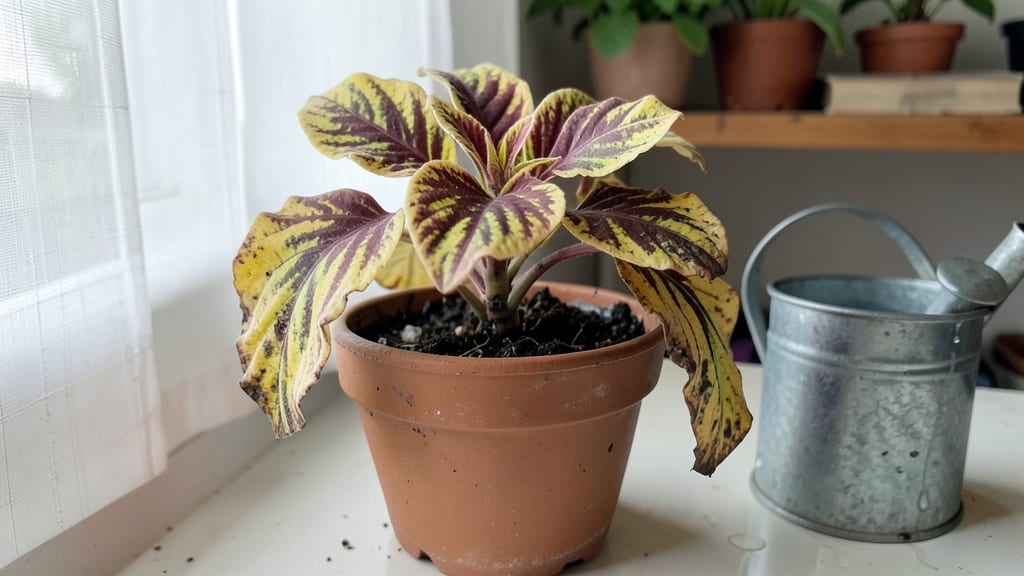
Overwatered coleus plants look like sad, droopy ghosts instead of their usual vibrant selves. 🌱 I’ve nursed more than a few back to health after they turned into soggy messes, and the fix is simpler than you’d think—no fancy tools required.
The key is catching the problem early, when leaves are still just limp rather than mushy or falling off.
Most people drown coleus by keeping soil constantly wet, especially in pots without drainage. My first mistake was assuming more water meant happier plants—until the roots started rotting. The good news?
Coleus is tougher than it looks. You’ll need a well-draining potting mix, a clean pot if repotting, and a strict “wait until soil is dry” rule before watering again.
Within a week, you’ll see new growth pushing through the old, limp leaves. The plant’s natural resilience kicks in once the roots get a chance to breathe, and those signature velvety foliage colors return—sometimes even more intense than before.
Just trim any blackened stems at the base, and keep the soil slightly moist but never soggy.
This works for both potted coleus and those growing in garden beds. The only difference is checking soil moisture deeper—about 1-2 inches down—before watering. Once you’ve got the rhythm, you’ll spot the signs before the plant hits crisis mode.
Root Causes Of Soggy Soil
When your vibrant coleus plant starts wilting despite your best watering efforts, the issue often lies beneath the surface—literally. Overwatering isn’t just about giving your plant too much H₂O; it’s a cascade of environmental and physiological factors that disrupt its delicate balance.
Let’s dig into the key reasons why your coleus ends up drowning in its own pot.
Coleus plants thrive in well-draining soil, but when pots lack drainage holes or the soil retains water like a sponge, roots suffocate. Here’s why this happens:
- Clogged pots: Without holes, excess water pools at the bottom, cutting off oxygen to the roots. Over time, this leads to anaerobic conditions—a root’s worst nightmare. Think of it like trying to breathe through a wet sock: suffocating and unhealthy.
- Compacted soil: Heavy or clay-based potting mixes (or reused garden soil) compress over time, reducing pore space. This traps water instead of letting it seep away. A quick test: Squeeze a handful of soil—if it holds its shape like Play-Doh, it’s too dense.
- Peat-heavy mixes: While peat retains moisture, it can also hold onto water for weeks, especially in humid climates. If your soil mix is more than 50% peat or coconut coir, it’s a red flag.
Pro tip: 💡 Always use a light, airy blend (like 60% potting soil + 30% perlite + 10% vermiculite) and elevate pots on saucers to prevent waterlogging.
Humans often assume “more water = happier plant,” but coleus (a tropical native) actually prefers consistent moisture, not saturation. Here’s how habits backfire:
- Overzealous schedules: Watering on a fixed calendar (e.g., every 3 days) ignores real-time soil conditions. Coleus roots need 1–2 inches of topsoil to dry out between waterings. Stick your finger in—if the first inch feels damp, wait.
- Top-watering only: Pouring water from above can create a crust on the soil, preventing deeper layers from drying. This tricks you into thinking the roots are thirsty when they’re actually waterlogged below.
- Ignoring humidity/climate: In high humidity (like 70%+), soil stays damp longer. Conversely, dry air (e.g., indoor heating) speeds up evaporation. Adjust your watering like you’d adjust your thermostat—react, don’t schedule.
Pro tip: 🌡️ Use a moisture meter or the “squeeze test” (gently compress soil—if water drips, it’s soggy). Morning watering reduces evaporation loss.
Too small? Roots compete for space. Too large? Water pools in unused soil. Coleus pots should be just right—here’s why size matters:
- Overpotted plants: A 6-inch pot for a 2-inch coleus means 90% of the soil stays wet for days. Roots can’t keep up with the moisture, leading to rot. Think of it like a bathtub versus a shot glass—same plant, different drowning risks.
- Underpotted plants: While tight pots dry faster, they also heat up in sunlight, increasing evaporation. The roots then overcompensate by drinking aggressively—until you water again, repeating the cycle.
- Terracotta traps: Unglazed pots “breathe” but can dry out too quickly, tricking you into overwatering. Glazed pots, meanwhile, trap moisture like a greenhouse.
Pro tip: ✨ Choose pots 1–2 inches wider than the root ball and upgrade as your coleus grows. Terracotta is ideal for beginners—just monitor soil daily.
When soil stays wet for >48 hours, pathogenic fungi like Phytophthora and Pythium throw a party in your coleus’s roots. Here’s how they crash the scene:
- Root rot: Fungi block water/nutrient uptake, causing leaves to yellow and stems to soften. Check the roots—if they’re mushy and brown, it’s a fungal feast.
- Moldy soil: White, gray, or pink fuzz on soil isn’t just gross—it’s a warning sign. Fungi thrive in stagnant water, competing with your plant for oxygen.
- Pest magnets: Overwatered soil attracts slugs, snails, and fungus gnats, which further stress the plant. It’s like inviting a buffet for pests.
Pro tip: 🔥 Treat fungal issues with copper fungicide or hydrogen peroxide (1 tbsp per quart of water). Prevent recurrence by sterilizing pots with a 10% bleach solution between uses.
Each of these causes creates a domino effect: poor drainage → waterlogged soil → fungal growth → root rot → wilting. The good news? Fix one, and the rest often follows. Start with drainage, and you’ll see your coleus perk up in days.
Revive Your Coleus Plant Now
If your coleus is looking more like a soggy salad than a vibrant houseplant, don’t panic—it’s time to roll up your sleeves and bring it back to life!
Overwatering can turn your lush foliage into a sad, droopy mess, but with the right steps, you can nurse it back to health. Below, we’ll break down the fixes based on the root cause of the problem, plus some prevention tips to keep your coleus thriving long-term.
The first rule of reviving an overwatered coleus? Cut off the water—at least for now. Coleus plants are tropical but not water-loving; they prefer their soil to dry out slightly between waterings.
Keep it in its current pot (or move it to a well-draining container if needed) and resist the urge to water again until the top 1–2 inches of soil feel dry to the touch.
Poor drainage is often the silent killer of overwatered coleus. If water pools at the bottom of the pot or sits for hours after watering, your plant is in danger. Here’s how to fix it:
🔧 Test your soil’s drainage
- The squeeze test: Grab a handful of moist (but not soggy) soil and squeeze it. If it holds its shape like a snowball, it’s too dense.
If it crumbles easily, you’re good! - The water test: Fill a sink with a few inches of water, place the pot in it, and let it soak for 10 minutes. If water rises quickly to the top, your soil is compacted and needs help.
🌱 Improve drainage fast
- Add perlite or sand: Mix in 20–30% perlite, pumice, or coarse sand to loosen heavy soil.
This creates air pockets so roots can breathe. - Repot if needed: If the soil is hopelessly compacted (like clay or old potting mix), transfer your coleus to a well-draining cactus/succulent mix or amend it with orchid bark. - Drill holes in the pot: If your container lacks drainage holes, drill a few at the bottom.
No drill? Place the pot on a saucer of pebbles to lift it slightly above standing water.
Overwatering weakens your coleus, causing yellow leaves, black stems, or mushy roots. Prune aggressively to help it focus on recovery.
✂️ Prune dead or yellow leaves
- Use sterilized scissors to snip off:
- Yellow or brown leaves (they’re past saving).
- Soft, mushy stems (a sign of rot).
- Leaves with black spots (fungal infection from excess moisture).
- Pro tip: 💡 Snip just above a leaf node (the bump where leaves grow) to encourage new growth.
🔪 Inspect and trim roots (if repotting)
- If your coleus is severely rotted, gently remove it from the pot and rinse the roots under lukewarm water.
- Use scissors to trim away:
- Black, mushy roots (dead).
- Roots that smell foul (rotten).
- Healthy roots should be firm and white or light tan.
If you see more healthy roots than rotten ones, your plant has a good chance of bouncing back!
Once your coleus is stable, it’s time to rewrite the watering rules. Coleus plants thrive on a consistent but cautious schedule.
💧 The right way to water
- When to water: Wait until the top 1–2 inches of soil are dry.
Stick your finger in—if it’s damp past your first knuckle, wait another day. - How much to water: Give it a deep drink until water runs out the drainage holes, then empty the saucer. This encourages roots to grow downward. - Best time to water: Morning is ideal.
Watering in the evening can leave foliage damp overnight, inviting fungal issues.
🌡️ Environmental tweaks for faster recovery
- Move it to bright, indirect light (a north or east-facing window is perfect).
Avoid harsh afternoon sun until new growth appears. - Boost humidity slightly: Place the pot on a tray of pebbles with water (but keep the pot above the waterline) or mist the leaves lightly in the morning. - Avoid cold drafts (like AC vents or open windows in winter), which stress recovering plants.
Recovery takes time—usually 2–4 weeks—but with patience, your coleus will perk up. Here’s how to keep it thriving:
📊 Signs your coleus is recovering
- New leaves emerge from the center (a good sign!).
- Droopy leaves perk up within a few days of adjusting care.
- Roots grow white and firm if you check again in a few weeks.
🎯 Long-term prevention tips
- Use the right pot: Choose containers with drainage holes and avoid decorative cachepots without drainage.
- Stick to a schedule: Water every 7–10 days in spring/summer, less in winter (every 2–3 weeks).
- Upgrade your soil: Mix in orchid bark or coconut coir for better aeration.
- Consider a moisture meter: These $10 tools take the guesswork out of watering.
With these steps, your coleus should bounce back in no time—think of it as a spa day for your plant! 🌿✨ Once it’s recovered, enjoy its vibrant colors and remember: when in doubt, let it dry out. Happy gardening!
Frequently asked questions
Why do my coleus leaves turn yellow when overwatered?
Yellowing leaves signal root stress from excess moisture. When soil stays soggy, roots can't absorb oxygen, leading to nutrient blockages. The plant sheds lower leaves first as it redirects energy to survive. Check for mushy stems—this confirms root rot from overwatering.
Can I save a coleus with black, mushy stems?
Yes, but act fast! Trim away all blackened stems at the base with sterilized scissors. Repot in fresh, well-draining soil and reduce watering immediately. Healthy stems will sprout new leaves within 2-3 weeks if the root system is still mostly firm and white.
How often should I water coleus after recovery?
Once revived, water coleus only when the top 1-2 inches of soil feel dry. In summer, this may be every 7-10 days, while winter care drops to every 2-3 weeks. Always use pots with drainage holes and empty saucers after watering to prevent pooling.
What's the best soil mix to prevent overwatering?
Use a blend of 60% potting soil, 30% perlite, and 10% vermiculite for optimal drainage. This creates air pockets while retaining enough moisture. Avoid heavy garden soil or peat-only mixes that stay damp too long.
Will my coleus grow back if all leaves fall off?
Don't give up! If the stems remain firm and roots are healthy (white/firm), new leaves will emerge from the center. Prune all dead foliage and maintain bright, indirect light. Within 3-4 weeks, you'll see fresh growth pushing through.