
Companion Plants
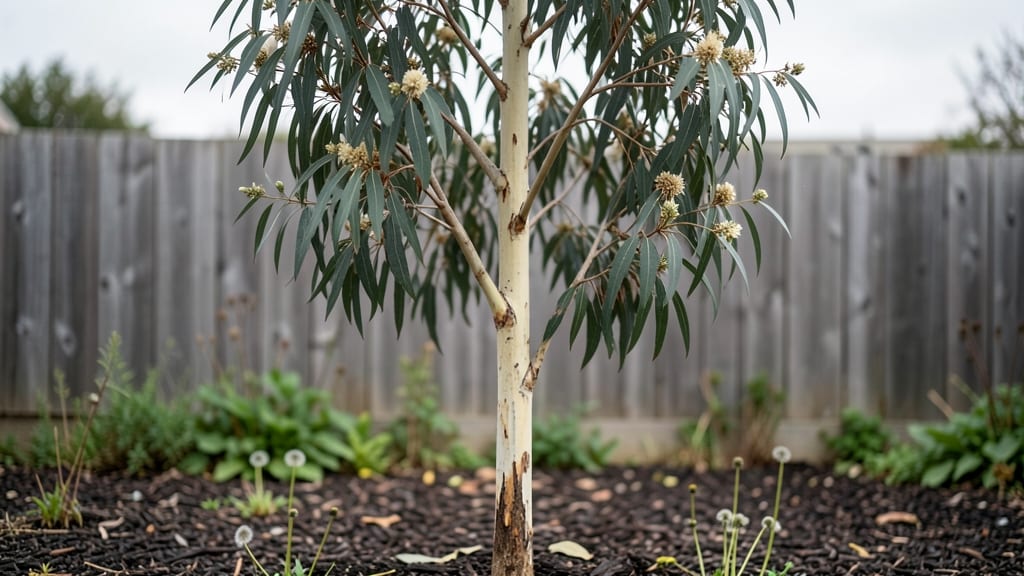
Outdoor eucalyptus plants bring that signature fresh, medicinal scent to your yard while creating a lush, natural privacy screen. 🌿 I've grown them for years, and they've become the backbone of my fragrant garden borders—tall, fast-growing, and surprisingly hardy once established.
The key is mimicking their native Australian conditions without going overboard.
Their secret lies in well-draining soil and full sun exposure—think sandy loam mixed with compost, and at least six hours of direct sunlight daily. Water deeply but infrequently, letting the top few inches dry out between soakings.
Young plants need consistent moisture, while mature ones can handle brief dry spells. Frost is their only real enemy, so protect them in winter if you live in colder zones.
With proper care, you'll watch them shoot up 3-5 feet annually, their silvery-blue leaves releasing that signature aroma when brushed. The best part? They attract pollinators while repelling pests naturally. Prune in late winter to shape them and encourage bushier growth—just avoid heavy cuts that stress the plant.
Perfect for coastal climates but adaptable to most zones with winter protection. Here's how to keep yours thriving year after year without the common pitfalls that trip up new growers.
📚 In This Guide
- What you need
- Instructions
- Tips and common mistakes
- Wrapping up and next steps
What you need
- ● Eucalyptus plants: 1–3 Eucalyptus globulus (Tasmanian blue gum) or Eucalyptus cinerea (argyle apple) saplings (for faster results) OR
- ● Seeds (if starting from scratch—germination can take 2–4 weeks).
- ● Soil: Well-draining potting mix (50% peat moss or coconut coir + 50% perlite/sand) OR
- ● Amended garden soil (mix in compost and coarse sand for drainage).
- ● Planting site: Full sun (6+ hours/day) in a sheltered, wind-protected area.
- ● Space: 10–15 feet apart for mature height (20–50 ft).
- ● Tools: Trowel or shovel
- ● Garden gloves (eucalyptus leaves can be sharp!)
- ● Watering can or hose with a gentle nozzle
- ● Pruners (for shaping or trimming)
- ● Mulch (wood chips or straw) to retain moisture and suppress weeds.
- ● Slow-release fertilizer (balanced 10-10-10 or citrus-specific formula).
- ● Eucalyptus-specific pesticide (e.g., neem oil for aphids).
- ● Trellis or stakes (if training young plants for a structured screen).
- ● pH test kit (ideal soil pH: 6.0–7.0).
Step-by-step guide to planting and maintaining outdoor eucalyptus for year-round privacy
Eucalyptus thrives as a fragrant, fast-growing screen—here’s how to plant it for lush, low-maintenance growth.
🌱 Step 1: Select the Perfect Location and Prepare the Soil
Eucalyptus demands full sun—at least 6-8 hours daily—and well-draining soil. I always test drainage first by digging a 12-inch hole, filling it with water, and waiting to see if it drains within 30 minutes. If not, amend the soil with 3 inches of coarse sand or gravel to prevent root rot.
Choose a spot sheltered from strong winds, as young plants can be top-heavy. The USDA hardiness zones 8-11 suit most varieties, but if you’re in colder climates, plant near a south-facing wall for extra warmth. Eucalyptus roots spread aggressively, so keep it 10 feet away from structures or other plants to avoid competition.
🪴 Step 2: Plant with Proper Spacing and Support
Dig a hole twice as wide as the root ball but only as deep as the container’s base. Gently remove the plant from its pot and loosen any circling roots with your fingers. Place it in the hole so the top of the root ball sits level with the ground—burying the stem too deep suffocates the plant.
For a 4-plant screen, space them 12-15 feet apart in a straight line. Since eucalyptus grows 30-50 feet tall, I drive a 6-foot wooden stake into the ground near each plant and loosely tie the stems to it with soft garden twine. This prevents flopping in wind and encourages straight growth.
💧 Step 3: Water Deeply and Mulch for Retention
Water deeply right after planting—soak the soil until it’s 6 inches down, then let it dry slightly before watering again. Eucalyptus is drought-tolerant once established, but young plants need 1-2 inches of water weekly during the first year. Overwatering kills it faster than underwatering, so I always check by sticking my finger 2 inches into the soil—if it’s dry, it’s time to water.
Spread a 3-inch layer of mulch (like wood chips or pine straw) around the base, keeping it 6 inches away from the trunk to prevent rot. Mulch locks in moisture and suppresses weeds, but avoid piling it against the stem—eucalyptus bark needs airflow to stay healthy.
☀️ Step 4: Prune for Shape and Encourage Fullness
Prune in late winter or early spring before new growth begins. Use clean, sharp pruners to trim back any dead or crossing branches, then cut the remaining stems by one-third to encourage bushier growth. I always make cuts just above a leaf node or outward-facing bud to promote healthy regrowth.
For a privacy screen, focus on shaping the lower branches. Remove any suckers (shoots growing from the base) immediately—they drain energy from the main trunk. After pruning, apply a balanced fertilizer (like 10-10-10) in early spring to fuel new growth. You’ll see fresh, vibrant foliage within 4-6 weeks if the conditions are right.
⏰ Step 5: Monitor for Pests and Seasonal Care
Eucalyptus is generally pest-resistant, but watch for aphids or scale insects on new growth. Spray infested areas with neem oil or a soapy water solution (1 tablespoon mild dish soap per gallon of water) if you spot sticky residue on leaves. I check plants weekly during growing season—early intervention prevents outbreaks.
In winter, reduce watering to once every 2-3 weeks unless you’re in a frost-prone zone. If temperatures drop below 20°F, wrap young plants in burlap or use a frost cloth to protect them. Mature eucalyptus (over 5 years old) handles cold better, but a little extra care in their first few winters ensures they thrive for decades.
Tips & tricks for perfect outdoor eucalyptus privacy screens
These insider strategies will help you cultivate a thriving, fragrant eucalyptus screen that grows with minimal fuss.
Soil Testing Secret: Before planting, I take the drainage test to the next level by adding a handful of perlite to the soil mix. This creates tiny air pockets that improve drainage even further, especially in heavy clay soils. The 30-minute drainage test becomes even more reliable with this addition, giving your eucalyptus roots the perfect environment to establish themselves quickly.
Staking Strategy: For that perfect straight growth, I recommend using two stakes per plant rather than one. Place them diagonally from each other at the corners of the planting hole, then tie the main stem to both. This creates a more stable support system that prevents leaning, especially important for young plants in windy areas. The 6-foot height guideline becomes even more critical with this double-staking approach.
Pruning Precision: When you're cutting those stems by one-third during pruning, focus on removing the oldest growth first. This encourages new, vigorous shoots to emerge from lower buds. I always make my cuts at a 45-degree angle just above a leaf node—this creates a larger surface for new growth while protecting the plant from disease. The 4-6 week regrowth window becomes more predictable when you follow this precise cutting technique.
Winter Protection Hack: For those below-20°F nights, I've found that wrapping the base of young plants with burlap creates a microclimate that can raise temperatures by 5-10 degrees. Pair this with a frost cloth draped over the top, and you've essentially created a mini greenhouse effect. This extra layer of protection makes all the difference in helping your eucalyptus survive its first critical winters.
Pro Tips for Outdoor Eucalyptus Plants
- These insider strategies will help you cultivate a thriving, fragrant eucalyptus screen that grows with minimal fuss.
- Soil Testing Secret: Before planting, I take the drainage test to the next level by adding a handful of perlite to the soil mix.
- Staking Strategy: For that perfect straight growth, I recommend using two stakes per plant rather than one.
Frequently asked questions
about outdoor eucalyptus plants—because growing these fragrant giants should be as easy as breathing in their sweet scent! Here are answers to the most common queries to help you cultivate confidence (and lush foliage).How fast do outdoor eucalyptus plants grow?
Eucalyptus trees are fast growers—expect 3 to 5 feet per year under ideal conditions (full sun, well-draining soil, and regular watering). Dwarf varieties grow slower (1–2 feet/year), while towering species like Eucalyptus globulus can reach 100+ feet in their native habitats. Prune young trees to shape them and control height!
Can eucalyptus survive winter in cold climates?
Most eucalyptus species are tropical/subtropical and thrive in USDA zones 8–11. In colder areas (zones 7 or below), grow them in containers and bring them indoors during frost or mulch heavily for ground-planted varieties. Eucalyptus cinerea (argyle apple) is the hardiest, tolerating brief dips to 20°F.
How often should I water eucalyptus plants outdoors?
Water deeply 2–3 times per week for the first year to establish roots, then reduce to once weekly (or when the top 2 inches of soil are dry). Once mature, eucalyptus is drought-tolerant—overwatering causes root rot. Pro tip: Mulch with wood chips to retain moisture and deter weeds!
Are eucalyptus plants toxic to pets or children?
Yes, eucalyptus contains oils toxic to pets (especially dogs and cats) and young children if ingested. Symptoms include drooling, vomiting, or lethargy. Keep plants out of reach and monitor pets near them. Opt for non-toxic alternatives like lavender or rosemary if safety is a concern.
What’s the best companion plant for eucalyptus?
Eucalyptus pairs well with sun-loving, drought-tolerant plants like:
- Lavender (repels pests, adds fragrance)
- Rosemary (thrives in poor soil, drought-resistant)
- Ornamental grasses (e.g., fountain grass for texture)
- Succulents (e.g., sedum or agave for contrast)
Why are my eucalyptus leaves turning yellow or dropping?
Yellowing leaves often signal overwatering, poor drainage, or nutrient deficiency. Check soil moisture (let it dry slightly between waterings) and ensure pots/containers have drainage holes. Fertilize lightly in spring with a balanced, low-nitrogen formula (10-10-10). If leaves curl or brown, it may be heat stress—provide afternoon shade in extreme heat.
Wrapping up and next steps
Growing outdoor eucalyptus plants is a rewarding way to add natural beauty, fragrance, and privacy to your space—while keeping maintenance simple! 🌿 Whether you’re drawn to their silvery foliage, soothing scent, or drought-resistant nature, these versatile trees are perfect for year-round interest.
Now that you’re equipped with the right materials and answers to common questions, it’s time to roll up your sleeves and plant.
Start small with a single specimen or plan a full privacy screen—your outdoor oasis awaits! Pro tip: Snap a photo of your progress and tag us—we love seeing your eucalyptus success stories! 📸✨