Pruning
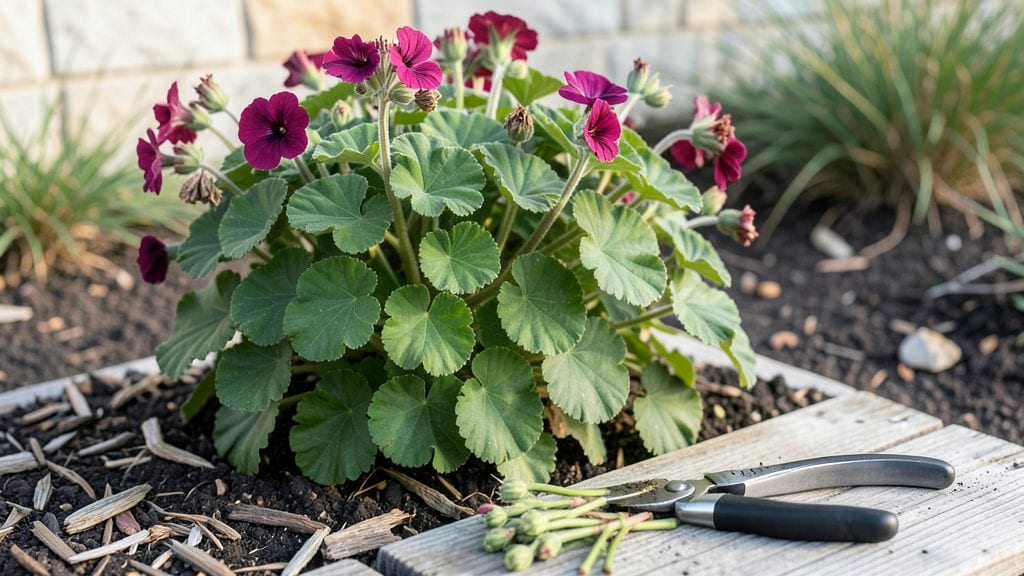
Pruning geranium plants isn’t just about keeping them tidy—it’s how you unlock nonstop blooms from spring through frost. ✨ I learned this the hard way when my geraniums turned into leggy sticks after years of neglect, but three strategic cuts changed everything.
The key is timing: prune too early, and you’ll stunt new growth; too late, and you’ll miss the flowering season. The right approach turns those scraggly stems into bushy, bloom-covered powerhouses.
You’ll need just three things: clean, sharp pruning shears (dull blades crush stems), a spray bottle of diluted hydrogen peroxide (to prevent disease), and a sunny spot to work. Most people overcomplicate it—this method works whether you’re dealing with zonal geraniums, ivy geraniums, or regal geraniums.
The goal is always the same: encourage branching and remove spent blooms before they go to seed, which saps energy from new flowers.
After pruning, you’ll see fresh green shoots within 10-14 days, and by midsummer, your plants will be covered in blooms instead of bare stems.
The secret is cutting just above a leaf node (that little bump where leaves grow) at a 45-degree angle—this encourages new growth to sprout from there. Deadheading spent flowers weekly keeps the blooms coming all season long.
Works for container geraniums, hanging baskets, or in-ground plantings—just adjust the timing based on your climate. Here’s how to do it right without sacrificing next year’s growth.
📚 In This Guide
- What you need
- Instructions
- Tips and common mistakes
- Wrapping up and next steps
What you need
- ● Sharp pruning shears – Bypass pruners (for clean cuts) or sterilized scissors (for small stems). Size: 5–7 inches (for precision).
- ● Gloves – Garden gloves (nitrile or leather) to protect hands from thorns and sap.
- ● Disinfectant – Rubbing alcohol (70%+) or hydrogen peroxide (3%) to sterilize tools between cuts.
- ○ Pruning sealant (optional) – Bee’s wax or pruning paste to coat thick stems (if needed) and prevent disease.
- ● Trash bag or bucket – For collecting pruned stems (compost later if pest-free!).
- ● Healthy geranium plants – Prune only non-diseased stems (discard yellowed or mushy growth).
- ● Good lighting – Choose a bright, dry day (morning is ideal) to reduce stress on the plant.
- ● Patience – 10–15 minutes per plant ensures clean cuts and minimal shock.
Instructions for pruning geranium plants
Here's the straightforward approach I use to keep geraniums blooming continuously.
✂️ Step 1: Deadhead Spent Blooms Weekly
Start by pinching off faded flowers at the base where they meet the stem. Use clean, sharp pruners or your fingers for this—no need for heavy tools. I do this every time I see a spent bloom, which keeps the plant focused on producing new flowers instead of setting seed.
Look for flowers that have lost their color or whose petals have started to curl. These are your targets. The goal is to remove only the flower, not the leafy stem below it. This ensures the plant retains its foliage while staying productive.
✂️ Step 2: Light Pruning After Each Major Bloom Cycle
After your geraniums finish their main flowering season—usually in early summer—give them a light trim. Cut back the stems by about one-third of their length, but only if the plant looks leggy or overgrown. I wait until the flowers start slowing down before I do this.
Make your cuts just above a set of leaves or a leaf node. This encourages new growth from that point. Avoid cutting into old, woody stems—they won’t regrow. If you’re unsure, err on the side of shorter cuts. Geraniums are forgiving and will bounce back quickly.
✂️ Step 3: Hard Pruning in Late Fall or Early Spring
This is the most dramatic cut but essential for keeping your geraniums healthy. In late fall or early spring, before new growth starts, trim the entire plant back by half its height. Use sharp pruners to make clean cuts just above a leaf node or a set of buds.
You’ll be left with what looks like a stubby plant, but don’t worry—this is how you prevent geraniums from becoming woody and encourage fresh, vibrant growth. I always do this after the first frost or just before the last frost, depending on your climate. This timing ensures the plant has enough energy to recover before the growing season kicks in.
☀️ Step 4: Post-Pruning Care for Strong Recovery
After any major pruning, give your geraniums a little extra attention. Water them deeply to help them recover from the stress of cutting. I like to add a balanced, water-soluble fertilizer to the soil after pruning to give them a nutrient boost for new growth.
Place your pruned geraniums in a spot where they’ll get plenty of sunlight—at least 6 hours of direct sun daily. Avoid placing them in harsh afternoon sun immediately after pruning, as the fresh cuts can be sensitive. Watch for new growth within 2-3 weeks—that’s your sign everything is working.
Tips & tricks for perfect pruning geranium plants
These simple tricks will help you keep your geraniums thriving with minimal effort and maximum blooms.
The Timing Secret: In Step 1, when deadheading, I always do this in the morning. The fresh cuts have time to heal before evening moisture sets in, reducing the risk of fungal issues. Plus, you'll spot new blooms ready for deadheading the next day. This keeps your plants looking their best all season long.
Tool Technique: Don't just pinch off flowers with your fingers—use clean, sharp pruners for a cleaner cut. I keep a small pair of pruners dedicated just to my geraniums, and I sanitize them with rubbing alcohol between plants. This prevents spreading disease and makes the job easier on your hands. For small blooms, fingers work fine, but pruners give you more control for larger flowers.
Visual Cues for Pruning: In Step 2, when giving your geraniums that light trim, look for stems that have lost their vibrant green color or are stretching too far between leaves. These are your visual cues that it's time to cut back. I also check for any yellowing leaves—these should be removed completely, right down to the base. This helps the plant focus its energy on new, healthy growth.
Recovery Strategy: After any major pruning in Step 3 or Step 4, I always give my geraniums a good drink of water right after cutting. This helps them recover from the stress of being trimmed. Then, I wait until the next day to fertilize. This two-step process gives the plants time to absorb the water before taking in nutrients, which helps them bounce back faster. You'll see new growth within those 2-3 weeks mentioned in Step 4!
Pro Tips for Pruning Geranium Plants
- These simple tricks will help you keep your geraniums thriving with minimal effort and maximum blooms.
- The Timing Secret: In Step 1, when deadheading, I always do this in the morning.
- Tool Technique: Don't just pinch off flowers with your fingers—use clean, sharp pruners for a cleaner cut.
Frequently asked questions
Got questions about pruning your geraniums like a pro? Here are some of the most common ones—and their answers—to keep your plants thriving and blooming all year!
When is the best time to prune geraniums for maximum blooms?
Prune geraniums twice a year for best results: early spring (just before new growth starts) and late summer (after the first flush of blooms). This timing encourages bushier growth and nonstop flowers. Avoid heavy pruning in fall—just tidy up dead stems to prep for winter.
Should I cut geraniums back hard or just trim lightly?
It depends! For spring pruning, cut back about 1/3 of the plant to encourage new growth. In late summer, trim lightly (just above a leaf node) to promote another round of blooms. Never remove more than half the plant at once—this can stress geraniums and reduce flowering.
What if my geraniums stop blooming after pruning?
If your geraniums refuse to bloom post-prune, check these fixes:
Too much shade? Geraniums need 6+ hours of sunlight daily.
Over-fertilizing? Too much nitrogen = leafy growth, not flowers. Use a low-nitrogen, high-phosphorus fertilizer instead.
Pruned too late? Late-season pruning (after August) can delay blooming. Stick to the spring/late summer schedule.
Can I propagate geraniums from pruned cuttings?
Pruning is the perfect chance to grow new plants for free. Dip cuttings (4–6 inches long) in rooting hormone, plant in moist potting mix, and cover with a plastic bag to retain humidity. Keep in bright, indirect light until roots form (about 2–4 weeks).
Do I need to prune geraniums before winter?
For outdoor geraniums, trim back dead or damaged stems in fall, but avoid heavy pruning—this helps the plant conserve energy for winter. If growing indoors, reduce watering and prune lightly to encourage compact growth. Pro tip: Bring potted geraniums inside before frost for year-round blooms!
Wrapping up and next steps
Pruning your geraniums doesn’t have to be intimidating—just a few strategic cuts can keep them thriving and blooming year-round! 🌸 Whether you’re shaping for aesthetics, encouraging new growth, or reviving leggy stems, these three simple techniques will transform your plants into lush, vibrant showstoppers.
Now that you’re armed with the know-how, grab those shears and give your geraniums the care they deserve.
Ready to take the next step? Try pruning just one plant this weekend and watch the difference in just a few weeks. Happy gardening—your geraniums (and your neighbors!) will thank you! 🌿✨