
Shrubs
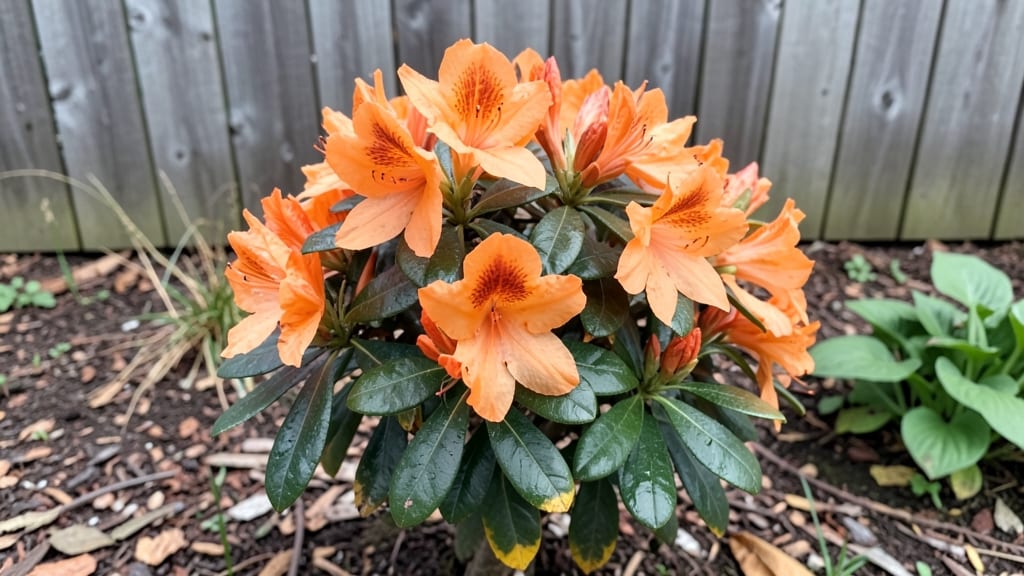
Growing an orange azalea plant 🌸 means bringing bold, fiery color to your garden—but only if you nail the care routine.
Those vibrant blooms don’t just happen. I’ve watched mine wilt when I ignored the acidic soil rule or overwatered in summer, and the difference between a thriving shrub and a sad one comes down to a few key habits.
From picking the perfect Zone 6 spot to pruning for next year’s flowers, this guide covers everything you need to keep your azalea bursting with color year after year.
You’ll learn the exact watering schedule to avoid root rot, how to spot pests before they ruin your blooms, and the one pruning trick that doubles your flowers.
Orange azalea plant care: essential tips for lush growth and season-long blooms
Your orange azalea thrives when you mimic its natural woodland habitat. Unlike sun-loving shrubs, these beauties prefer partial shade—think dappled sunlight filtering through trees. I’ve learned the hard way that too much direct sun can scorch those delicate orange blooms, while too little light means sparse flowering.
The key is finding that sweet spot of 4-6 hours of morning sun with afternoon shade protection.
One of the biggest mistakes I see is planting azaleas in alkaline soil. These acid-lovers need a pH between 4.5 and 6.0 to absorb nutrients properly.
If your soil tests higher, amend it with peat moss or sulfur—I’ve revived struggling azaleas by simply adjusting the soil pH. Without this, your plant may look healthy but produce few, if any, blooms.
🌱
| Care Aspect | Specification | Notes |
|---|---|---|
| Sunlight Needs | Partial shade (4-6 hours sun) | Morning sun, afternoon shade |
| Soil pH | 4.5-6.0 (acidic) | Test soil; amend with peat moss if needed |
| Watering Schedule | Weekly (established), 3-4 days (newly planted) | Deep soak (1 gallon per plant) |
| Mature Size | 4-6 feet tall | Prune to shape; avoid over-pruning |
| Best Planting Time | Late March-April (after frost) | Avoid transplant shock in extreme heat |
| Fertilizer Type | Acid-loving (10-10-10 NPK) | Apply in early spring and after blooming |
Watering your orange azalea correctly is an art, not a science. I’ve watched these plants suffer from both overwatering and underwatering. The secret is deep, infrequent watering—aim for 1 gallon per plant weekly once established, but more frequently for new transplants.
Always water at the base of the plant in the morning to prevent fungal diseases. I’ve seen azaleas develop root rot from soggy soil, so ensure your planting area has well-draining soil.
When it comes to seasonal adjustments, I adjust my care routine dramatically between spring and winter. In spring, I focus on feeding with acidic fertilizer to encourage bud formation, while in summer, I reduce watering slightly as temperatures rise.
Fall is all about cleaning up fallen leaves (which can harbor pests) and adding a 2-inch layer of mulch to protect roots. Winter care is minimal—just avoid heavy snow buildup that could break branches.
Pruning is another area where many gardeners go wrong. I’ve learned that pruning right after flowering (late spring) stimulates new growth for next year’s blooms. Never prune in fall—this removes next year’s flower buds!
Use clean, sharp shears to make cuts just above a bud or leaf node. And resist the urge to heavily prune—your azalea’s natural shape is part of its charm.
Pests and diseases can quickly turn a healthy azalea into a struggling plant. The most common issues I’ve encountered are azalea lace bugs (which leave yellow stippling on leaves) and powdery mildew (a white fungal growth).
For lace bugs, I’ve had success with neem oil sprays, while powdery mildew responds well to baking soda mixtures (1 tbsp baking soda + 1 quart water + a drop of dish soap). Always treat problems early before they spread.
If your orange azalea isn’t blooming as expected, don’t panic—it might need a rest period. Over-fertilizing or inconsistent watering can stress the plant. I’ve revived several azaleas by simply adjusting their care routine: reducing fertilizer, ensuring proper watering, and providing the right light conditions.
Sometimes, all it takes is a little patience and consistency to see those vibrant orange blooms return.
🌿
How to prune and fertilize orange azaleas for maximum flowering
Your orange azalea plant thrives on proper care, and pruning and fertilizing are key to encouraging those vibrant orange blooms year after year. Unlike many shrubs, azaleas bloom on old wood, so timing and technique matter. A little effort now means a stunning display next spring.
Pruning too late or using the wrong fertilizer can actually reduce flowering or stress your plant. I’ve learned through trial and error that spring is the best time for both pruning and feeding, but there are nuances that make all the difference.
Let’s dive into the steps that will transform your azalea into a blooming powerhouse.
Start by inspecting your orange azalea plant for dead or crossing branches. These should be your first targets for removal. Use clean, sharp pruners to make cuts just above a leaf bud or branch junction.
This encourages healthy regrowth and maintains the plant’s natural shape. Avoid cutting into woody stems, as this can harm the plant.
For fertilizing, I recommend a balanced, acid-loving fertilizer like a 10-10-10 NPK blend. Apply it in early spring (March) and again after flowering (June). Organic options like fish emulsion or cottonseed meal work well too, but avoid high-nitrogen fertilizers—they promote foliage over flowers.
Always water the soil before and after feeding.
If your orange azalea plant looks leggy or sparse, it might need a rejuvenation prune. This involves cutting back older stems by 1/3 to encourage new growth.
Do this in early spring before new shoots appear. Pair this with a light feeding to give your plant the energy it needs to recover and bloom beautifully.
Reviving a struggling orange azalea starts with checking the soil pH. Azaleas love acidic soil (pH 4.5-6.0). If your soil is too alkaline, add peat moss or sulfur to lower the pH. Also, ensure your plant gets consistent moisture—neither soggy nor bone-dry soil.
Mulch around the base with pine bark or pine needles to retain moisture and acidity.
With the right pruning techniques and fertilizing schedule, your orange azalea plant will reward you with bold, vibrant blooms for years to come. Just remember: patience and precision are key—don’t rush the process, and always work with the plant’s natural growth habits. Happy pruning! 🌸