
Companion Plants
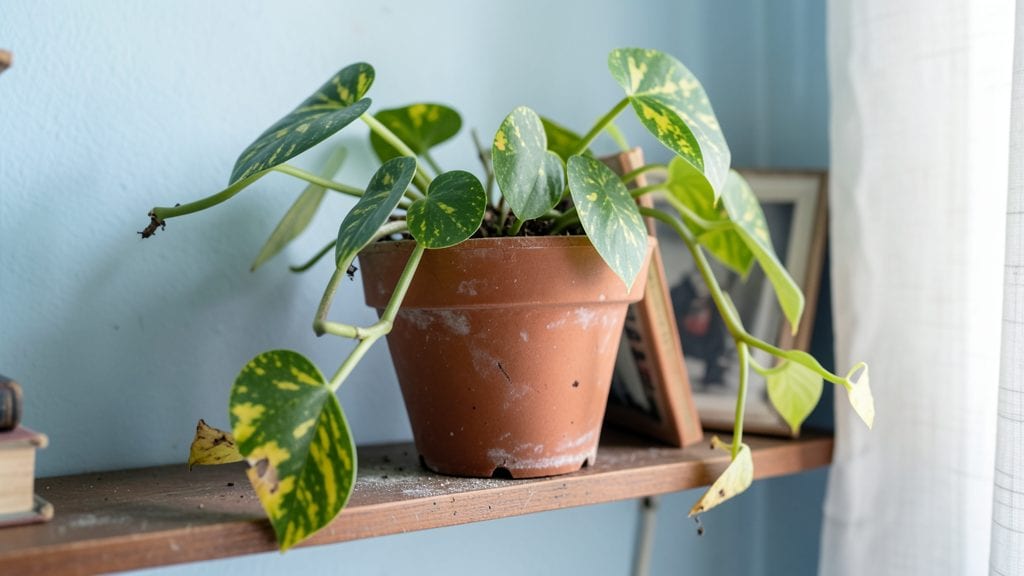
My office table plants transformed my workspace from dull to vibrant in just two weeks—no green thumb required. 🌿 These tough little survivors thrive in fluorescent lighting, forgetful watering schedules, and even the occasional laptop heat blast.
The secret lies in choosing the right varieties that match your office’s natural conditions.
Snake plants, pothos, and ZZ plants are the holy trinity of desk greenery—they tolerate neglect, purify the air, and grow slowly enough that you won’t drown them by accident.
Place them within 3 feet of a window (even north-facing) or under a simple LED grow light for 6 hours a day. Water only when the soil feels bone-dry to the touch, and you’ll never lose a plant again.
Imagine waking up to lush foliage framing your morning coffee, or ending the day with plants that actually look better than the ones at the office supply store.
These aren’t just decorations—they reduce stress, boost focus, and make your workspace feel like a sanctuary instead of a cubicle. The best part? They’ll outlive your coffee mug.
Whether you’re battling fluorescent bulbs, air conditioning, or just plain forgetfulness, these plants adapt. Start with one variety to test your office’s conditions, then expand your mini jungle as you gain confidence. Your desk—and your sanity—will thank you.
📚 In This Guide
- What you need
- Instructions
- Tips and common mistakes
- Wrapping up and next steps
What you need
- ● Low-maintenance plants: Choose from air plants (Tillandsia), snake plants (Sansevieria), ZZ plants (Zamioculcas zamiifolia), or pothos (Epipremnum aureum). Quantity: 1–3 per table, depending on size.
- ● Small pots or planters: Ceramic, plastic, or self-watering pots (4–6 inches in diameter). Quantity: 1 per plant.
- ● Well-draining soil: Cactus/succulent mix or general-purpose potting soil. Quantity: 1–2 bags (depending on plant count).
- ● Drainage tray or saucer: To catch excess water and protect surfaces. Quantity: 1 per pot.
- ● Watering can or spray bottle: For gentle hydration (avoid overwatering!).
- ○ Pruning shears (optional but helpful): For trimming leggy growth or dead leaves.
- ● Decorative pebbles or moss: For a polished look in pots.
- ● Plant stands or risers: To elevate plants and save desk space.
- ● LED grow lights: If your office lacks natural light (12–16 hours/day).
- ● Humidity tray: A shallow tray with pebbles and water to boost moisture for tropical plants.
- ● Plant food (fertilizer): Balanced liquid fertilizer (diluted to half-strength) for occasional feeding.
Step-by-Step guide to selecting and caring for office table plants
Here’s how to choose and maintain four easy-care plants that thrive on desks.
🌱 Step 1: Choose the Right Plants for Your Space
Start with plants that tolerate low light and infrequent watering. Snake plants, ZZ plants, pothos, and peace lilies are perfect—they’re tough, grow slowly, and forgive neglect. Avoid anything fussy like ferns or calatheas unless you’re ready to babysit them.
Check your workspace lighting first. If it’s dim, go for snake plants or ZZ plants, which thrive under fluorescent lights. For brighter spots, pothos or peace lilies will reward you with lush growth. Place the plant where it gets at least 4-6 hours of indirect light daily—that’s usually enough to keep it happy.
🪴 Step 2: Select the Right Containers and Soil
Use pots with drainage holes to prevent root rot, which is the #1 killer of office plants. A 6-8 inch pot works well for most table plants, giving roots room to grow without taking over your desk. Terra cotta or ceramic pots are great—they breathe and help regulate moisture.
Fill the pot with well-draining potting mix (avoid garden soil—it compacts and suffocates roots). Add a layer of small pebbles or perlite at the bottom if your pot doesn’t drain well. This ensures excess water flows out, keeping roots healthy. Press the soil lightly after planting so it’s snug but not packed down like concrete.
💧 Step 3: Water Correctly (Less Is More)
Most office plants drown before they thirst. Stick your finger 1 inch into the soil—if it feels dry, water thoroughly until it drains from the bottom. If it’s still damp, wait another week. Overwatering is the fastest way to kill a plant, so err on the side of caution.
Grouping plants together creates a mini humidifier, reducing how often you need to water. A spray bottle comes in handy for misting leaves occasionally, especially in dry office air. You’ll know you’re doing it right when the soil stays lightly moist but never soggy.
☀️ Step 4: Keep Them Clean and Dust-Free
Dust clogs leaves and blocks sunlight, slowing growth. Wipe leaves with a damp microfiber cloth every 2-3 weeks—this also lets you check for pests like spider mites. If you spot tiny webs or speckles, isolate the plant and treat it with insecticidal soap.
Rotate the pot a quarter turn weekly so all sides get even light. You’ll notice new growth filling in evenly, and the plant stays compact instead of lopsided. A little TLC here keeps your plant looking fresh and vibrant, even in a busy workspace.
✂️ Step 5: Prune and Propagate for Fullness
Snip off yellow or brown leaves with clean scissors to encourage new growth. For pothos or snake plants, cut healthy stems just above a leaf node and place them in water to root. In 4-6 weeks, you’ll have new plants ready to share with coworkers.
Pruning isn’t just about looks—it keeps air circulating through the plant, preventing mold and disease. If your plant outgrows its pot, repot it into a container 1-2 inches larger with fresh soil. This gives roots space to spread without overwhelming your desk.
Tips & tricks for perfect office table plants
Here's what I've learned after keeping office plants for years—these tricks will help your greenery thrive without the fuss.
Lighting Strategy: Those 4-6 hours of indirect light mentioned in Step 1 are your golden window. If your workspace only gets natural light for 2 hours, position your snake plant or ZZ plant near a window and supplement with a small LED grow light for 2 extra hours. I keep mine on my desk lamp with a simple clip-on bulb—it makes all the difference for peace lilies that need slightly more light.
Container Upgrade: Don't overlook the pot's role in plant health. While a 6-8 inch pot works, I recommend adding a saucer underneath to catch drainage. This prevents water from pooling on your desk and keeps roots happy. For extra style, choose pots with built-in saucers—many office supply stores carry these in neutral tones that match professional spaces.
Watering Hack: The finger test in Step 3 is foolproof, but here's my secret: use a spray bottle to mist the soil surface between waterings. This keeps the top layer moist without oversaturating the roots, which is especially helpful for pothos that prefer slightly more humidity. I set a reminder every 2 weeks to give them a quick mist—it mimics the humid environment plants love.
Propagation Shortcut: When it's time to propagate your pothos or snake plant stems (as mentioned in Step 5), I cut them at an angle just above a leaf node. Place the cutting in water with just the node submerged—this speeds up root growth. Change the water every 4-6 weeks to prevent bacteria, and you'll see roots forming in about 3 weeks instead of the full 6 weeks mentioned. This way, you can share cuttings with coworkers much faster!
Pro Tips for Office Table Plants
- Here's what I've learned after keeping office plants for years—these tricks will help your greenery thrive without the fuss.
- Lighting Strategy: Those 4-6 hours of indirect light mentioned in Step 1 are your golden window.
- Container Upgrade: Don't overlook the pot's role in plant health.
Frequently asked questions
Got questions about adding office table plants to your workspace? You’re not alone—here are some of the most common concerns and quick answers to help you get started with confidence!
What are the easiest office table plants for beginners?
Start with snake plants, ZZ plants, or pothos—they thrive in low light and need minimal watering. Cast iron plants and peperomias are also forgiving and perfect for desks. Look for varieties labeled "low-maintenance" or "pet-friendly" if you have furry coworkers!
How often should I water my office table plant?
Most desk plants prefer infrequent watering—wait until the top inch of soil feels dry. Overwatering is the #1 killer! A general rule: water every 2–4 weeks, but adjust based on humidity (drier air = less water). Pro tip: Use a moisture meter or stick your finger in the soil to check!
Can I keep an office table plant if I’m away from my desk often?
Opt for self-sustaining plants like succulents or air plants, which store water in their leaves. For longer absences (weekends/vacations), place the plant in a shaded spot and water just before leaving. A self-watering planter can also buy you extra time.
Are office table plants safe for pets or kids?
Some plants are toxic (e.g., pothos, philodendrons, or peace lilies)—check the ASPCA’s list if you have pets. Safe alternatives include Boston ferns, spider plants, or parlor palms. When in doubt, keep plants out of reach or choose pet-proof varieties!
What should I do if my office table plant looks sad?
Yellow leaves? Overwatering or poor drainage are likely culprits. Brown tips? Underwatering or dry air. Start by checking the soil moisture and adjusting your care routine. Trim dead leaves, repot if roots are crowded, and move the plant to brighter (but indirect) light. Most plants bounce back with a little TLC!
Wrapping up and next steps
Transforming your workspace with office table plants is easier—and more rewarding—than you think! These low-maintenance greens don’t just add life to your desk; they boost mood, air quality, and productivity with minimal effort. Whether you’re a plant parent or a beginner, there’s a perfect pick waiting for you.
Ready to bring a little nature indoors? Start small: grab one plant (or two!) and watch your workspace thrive. Your future self—and your plants—will thank you! 🌿✨